Loading subject page…


3,690 views


Video Summary: An Overview of Behavioral Corporate Finance Explained
Poor financial decisions cost Fortune 500 companies billions annually, often stemming from CEO overconfidence and behavioral biases rather than flawed analysis. An overview of behavioral corporate finance reveals how psychological factors drive seemingly irrational corporate choices, from Tesla's aggressive expansion strategies to Wells Fargo's cross-selling scandals. This framework explains why companies like WeWork pursued unsustainable valuations despite clear warning signs. Understanding behavioral corporate finance enables executives to recognize cognitive traps and implement decision-making processes that account for human psychology alongside traditional financial metrics. Watch the full video on JoVE Coach to master this concept with expert-led visuals and step-by-step explanations.
Corporate boardrooms witness billion-dollar decisions influenced more by psychology than spreadsheets. When Amazon's Jeff Bezos consistently chose long-term investments over short-term profits, traditional finance models couldn't explain the sustained shareholder support despite years of minimal earnings. This exemplifies why behavioral corporate finance has become essential for modern business leaders.
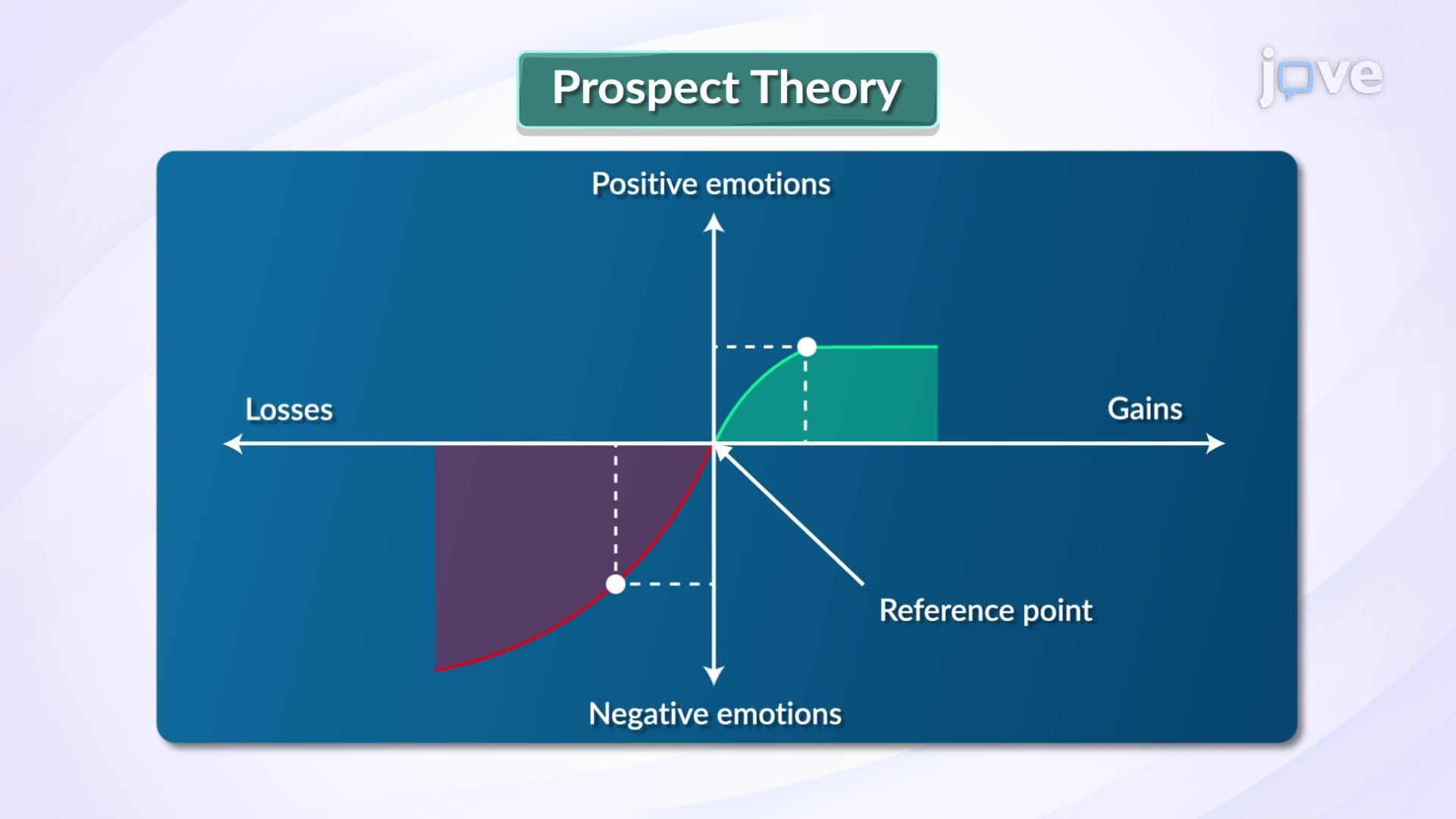
Traditional corporate finance operates on the assumption that executives make purely rational decisions to maximize shareholder value. However, real-world evidence from companies like Enron, Theranos, and FTX demonstrates how psychological factors drive corporate behavior. Overconfidence bias leads CEOs to pursue aggressive expansion strategies, while loss aversion causes companies to maintain underperforming divisions rather than divest them strategically.
Consider General Electric under Jack Welch versus Jeffrey Immelt. Welch's confidence-driven acquisition strategy initially appeared successful, but behavioral finance suggests his overconfidence created unsustainable complexity. Immelt's subsequent struggles reflected anchoring bias-making decisions based on past success metrics rather than evolving market realities.
Corporate investment decisions reveal numerous psychological influences. Confirmation bias leads management teams to seek information supporting predetermined strategies while ignoring contradictory data. This explains why companies like Blockbuster dismissed Netflix's streaming model or why Kodak resisted digital photography despite pioneering the technology.
Herding behavior affects corporate strategy when companies mimic competitors' moves without independent analysis. The dot-com bubble exemplified this, with traditional retailers rushing to establish online presence without sustainable business models.
Modern executives leverage behavioral finance insights to improve decision-making processes. Companies like Berkshire Hathaway institutionalize devil's advocate roles to combat groupthink. Microsoft's cultural transformation under Satya Nadella demonstrates how acknowledging cognitive biases enables better strategic pivots.
Investment committees increasingly incorporate behavioral checkpoints-systematic reviews designed to identify overconfidence, anchoring, and availability bias in capital allocation decisions. This approach helps organizations avoid value-destroying acquisitions that plague 70% of M&A transactions according to McKinsey research.
Related Micro-courses