Loading subject page…

- Finance
- Behavioral Finance
- An Overview of Behavioral Finance
Micro-course: Behavioral Finance
3,690 views
Learn key concepts and earn your certificate.





















An Overview of Behavioral Finance


00:00
01:27
Video Summary: An Overview of Behavioral Finance Explained
Goldman Sachs' recent trading losses highlight how psychological biases drive poor investment decisions across Wall Street. This overview of behavioral finance reveals the mental shortcuts and emotional triggers that derail even experienced professionals' financial judgment. An Overview of Behavioral Finance Explained demonstrates how confirmation bias led Amazon's early skeptics to dismiss its growth potential while loss aversion causes portfolio managers to hold losing positions too long. Watch the full video on JoVE Coach to master this concept with expert-led visuals and step-by-step explanations.
- Apply behavioral finance principles to identify decision-making blind spots in investment committees and strategic planning sessions
- Evaluate how framing effects influence stakeholder buy-in during budget presentations and capital allocation discussions
- Analyze market sentiment patterns to anticipate client behavior during volatile trading periods and economic uncertainty
- Implement systematic decision frameworks that counteract overconfidence bias in merger and acquisition evaluations
- Identify loss aversion tendencies in team members when divesting underperforming business units or product lines
- Assess how anchoring bias affects pricing strategies and competitive positioning in negotiation scenarios
- Leverage understanding of herd behavior to predict consumer trends and market timing opportunities
- Compare rational economic models with actual investor behavior to improve forecasting accuracy and risk management
Understanding Behavioral Finance in Business Strategy
Tesla's meteoric rise and subsequent volatility exemplifies how psychological factors drive market dynamics beyond traditional financial metrics. While Elon Musk's company delivered groundbreaking electric vehicles, investor emotions-not just fundamentals-fueled dramatic price swings that created both unprecedented wealth and devastating losses for institutional and retail investors alike.
Mental Shortcuts That Drive Executive Decision-Making
Heuristics serve as cognitive shortcuts that help busy executives process complex information quickly, but they often lead to systematic errors. Overconfidence bias particularly affects C-suite leaders who mistake past success for future predictability. When Blockbuster's leadership anchored on their profitable brick-and-mortar model, they dismissed Netflix's streaming potential-a decision rooted in availability bias that prioritized recent store performance over emerging digital trends.
Cognitive Biases Shaping Corporate Strategy
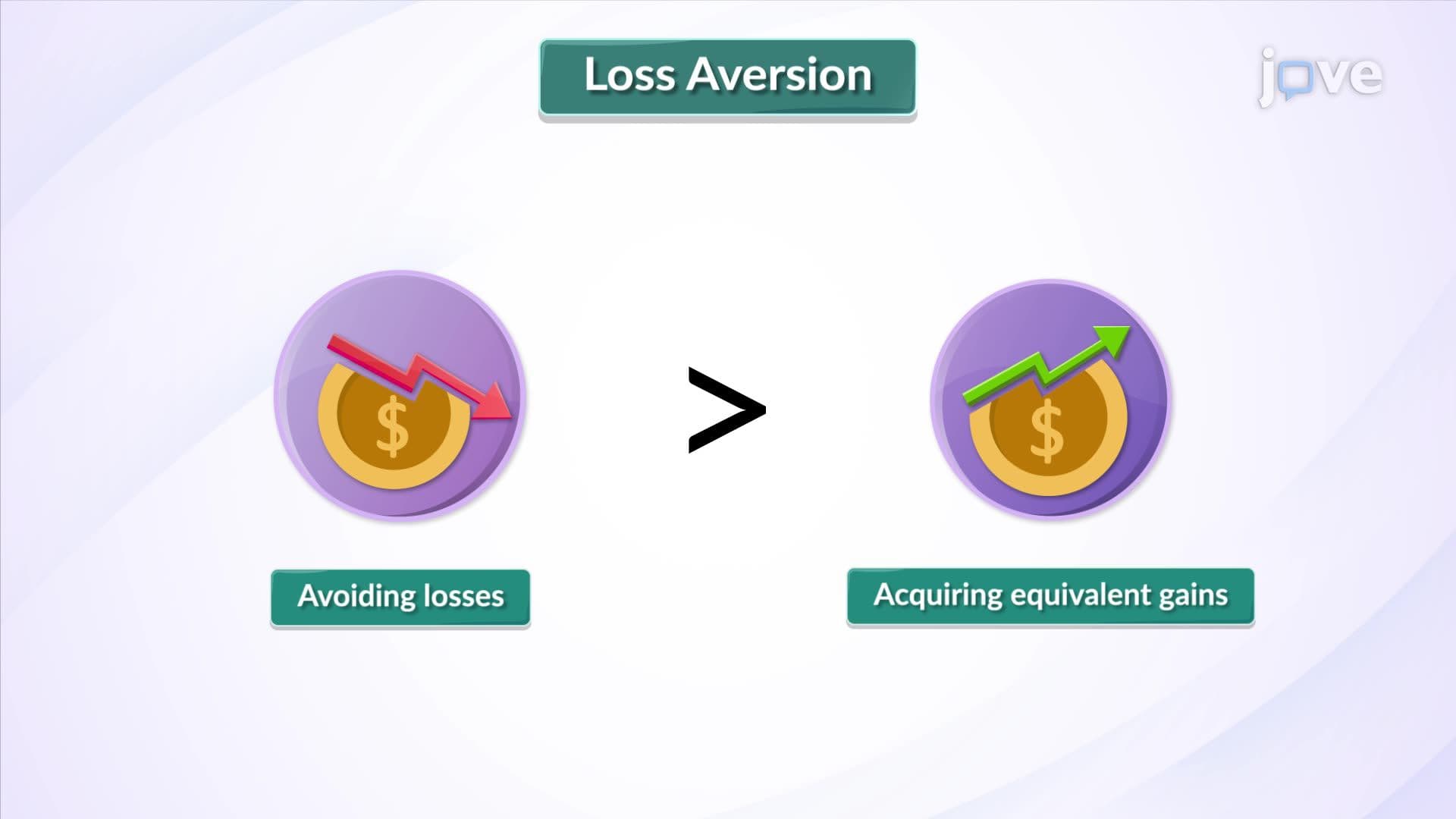
Confirmation bias creates dangerous blind spots in strategic planning. JPMorgan Chase's initial dismissal of cryptocurrency reflected leadership's tendency to seek information supporting their traditional banking worldview while ignoring contradictory market signals. Loss aversion compounds these challenges, causing portfolio managers to hold declining positions rather than realizing losses, ultimately amplifying portfolio damage during market downturns.
Emotional Decision-Making in Market Volatility
Market bubbles demonstrate how collective emotions override rational analysis. The 2021 GameStop phenomenon showcased how social media-driven herd behavior created extreme price dislocations, forcing hedge funds like Melvin Capital to close positions at massive losses. Professional investors who understood these behavioral patterns could anticipate and profit from predictable emotional responses during high-volatility periods.
Practical Applications for Business Leaders
Successful organizations implement structured decision processes that counteract behavioral biases. Berkshire Hathaway's investment committee requires multiple perspectives and waiting periods before major acquisitions, while companies like Johnson & Johnson use diverse teams and devil's advocate roles to challenge groupthink in product development and market entry decisions.
Frequently Asked Questions
Behavioral finance examines how psychological factors and cognitive biases influence financial decisions, contrasting with traditional models that assume rational actors. It explains why markets often deviate from theoretical efficiency and why experienced professionals make predictable errors. This field combines psychology with economics to provide more realistic frameworks for understanding investor behavior and market dynamics.
Use structured decision frameworks that force multiple perspectives and challenge initial assumptions during capital allocation discussions. Implement waiting periods for major decisions, assign devil's advocate roles, and require teams to explicitly consider contrary evidence. These processes help counteract confirmation bias and overconfidence that derail strategic initiatives.
Loss aversion causes managers to hold losing positions too long while selling winners prematurely, while anchoring bias leads to poor entry and exit timing based on irrelevant reference points. Overconfidence drives excessive trading and concentration risk, while herding behavior creates momentum-following strategies that underperform during market reversals.
Enron's meteoric rise created confirmation bias among analysts who ignored red flags while seeking information supporting their bullish thesis. Herd behavior drove institutional investors to maintain positions despite warning signs, while loss aversion prevented early exit strategies. The company's complex financial engineering exploited investors' tendency to anchor on growth metrics rather than scrutinize underlying fundamentals.
No specialized background is required-behavioral finance principles are intuitive once you recognize them in daily business decisions. Most concepts build on common cognitive patterns you already observe in workplace dynamics, negotiation scenarios, and market reactions. The key is learning to identify these patterns systematically rather than dismissing them as isolated incidents.
Leaders who understand behavioral finance make better strategic decisions by anticipating team and market psychology, resulting in improved performance metrics and stakeholder confidence. This knowledge helps you navigate investor relations, predict consumer behavior, and build more effective decision-making processes. Companies increasingly value executives who can bridge analytical rigor with practical psychology.
Market efficiency theory and anomalies provide the natural next step, showing how behavioral patterns create systematic opportunities for superior returns. This leads into portfolio optimization techniques that account for investor psychology rather than assuming perfect rationality in market participants.
Related Micro-courses

20 Concepts
18 Concepts

14 Concepts