Loading subject page…

- Finance
- Behavioral Finance
- An Overview of Investor Behavior
Micro-course: Behavioral Finance
3,690 views
Learn key concepts and earn your certificate.


















An Overview of Investor Behavior


00:00
01:26
Video Summary: An Overview of Investor Behavior Explained
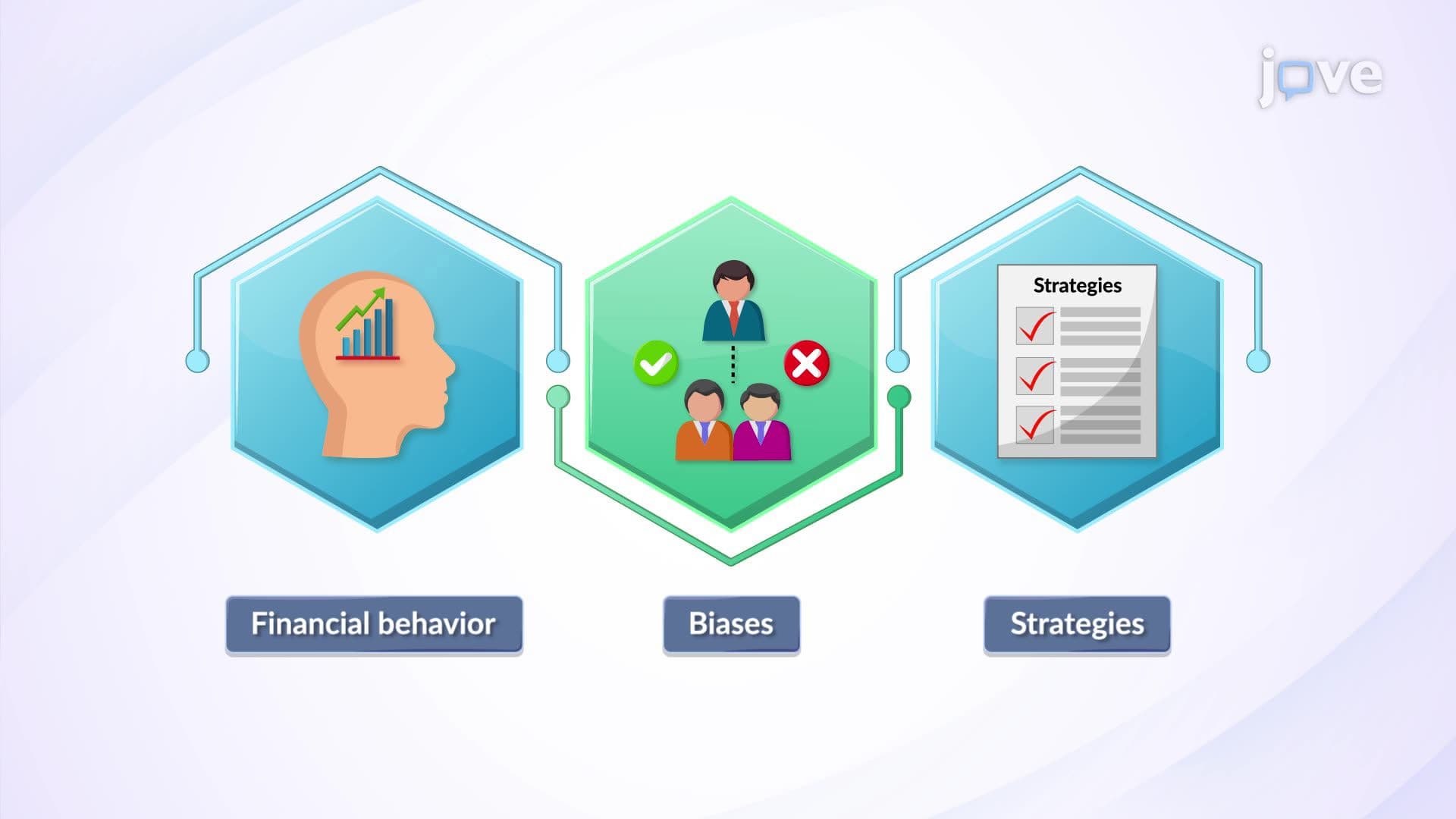
Market volatility has cost institutional investors billions, yet understanding investor behavior patterns can dramatically improve portfolio performance. This overview of investor behavior explained reveals why even seasoned professionals at firms like Goldman Sachs make predictable psychological mistakes when managing assets. An Overview of Investor Behavior Explained examines the psychological, emotional, and social drivers behind investment decisions, providing frameworks that financial advisors and portfolio managers use to optimize client outcomes. Watch the full video on JoVE Coach to master this concept with expert-led visuals and step-by-step explanations.
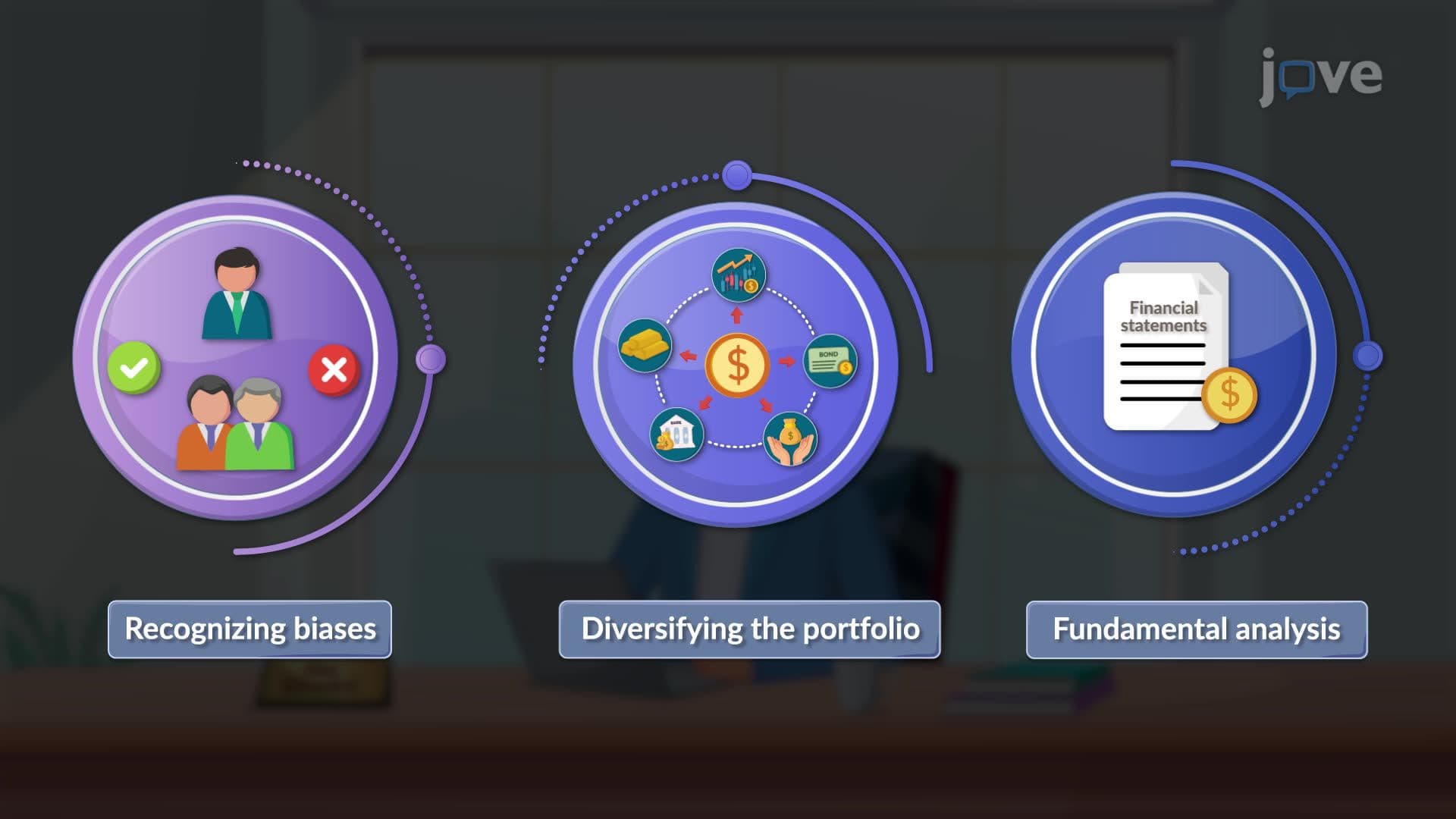
- Apply behavioral finance principles to identify and mitigate emotional biases in your organization's investment committee decisions
- Evaluate client risk tolerance profiles using demographic and psychological factors to build more effective portfolio allocation strategies
- Analyze how personality traits and emotional stability impact investment performance across different market cycles
- Implement customized investment approaches that align with individual investor goals, experience levels, and time horizons
- Assess the relationship between age demographics and investment preferences to optimize retirement planning strategies
- Leverage understanding of optimistic vs. risk-averse investor profiles to improve financial advisory conversations
- Identify behavioral patterns that lead to impulsive trading decisions during volatile market conditions
- Compare conservative vs. growth-oriented investment strategies based on comprehensive investor behavior analysis
Understanding An Overview of Investor Behavior Explained in Professional Context
When Fidelity analyzed trading patterns during the 2020 market crash, they discovered that investors who understood their own behavioral tendencies significantly outperformed those who didn't. This finding underscores why mastering investor behavior concepts has become essential for financial professionals, corporate treasury teams, and business leaders managing company 401(k) programs.
Psychological Drivers Behind Investment Decisions
Investor behavior fundamentally stems from the intersection of psychology, emotion, and social influence. Unlike traditional finance theory that assumes rational decision-making, behavioral finance recognizes that humans make predictably irrational choices. For instance, during market downturns, even sophisticated institutional investors at firms like BlackRock employ behavioral analysts to counteract emotional decision-making that could negatively impact fund performance.
Risk tolerance serves as a critical behavioral metric that determines investment strategy effectiveness. While optimistic investors gravitate toward growth stocks and emerging market funds, risk-averse professionals typically prefer municipal bonds and dividend-paying blue-chip stocks. Understanding these preferences allows portfolio managers to construct allocation models that clients can psychologically maintain during market stress.
Demographic and Personality Factors in Portfolio Management
Age demographics create distinct investment behavior patterns that financial advisors leverage for strategic planning. Younger professionals with 30-year investment horizons often prioritize aggressive growth strategies, while executives nearing retirement shift toward wealth preservation through conservative fixed-income allocations. Companies like Vanguard have built entire target-date fund strategies around these age-based behavioral tendencies.
Emotional stability represents another crucial factor distinguishing successful long-term investors from reactive traders. Research shows that emotionally stable investors maintain disciplined rebalancing schedules, while reactive personalities tend to buy high during market euphoria and sell low during panic phases.
Strategic Applications for Business Leaders
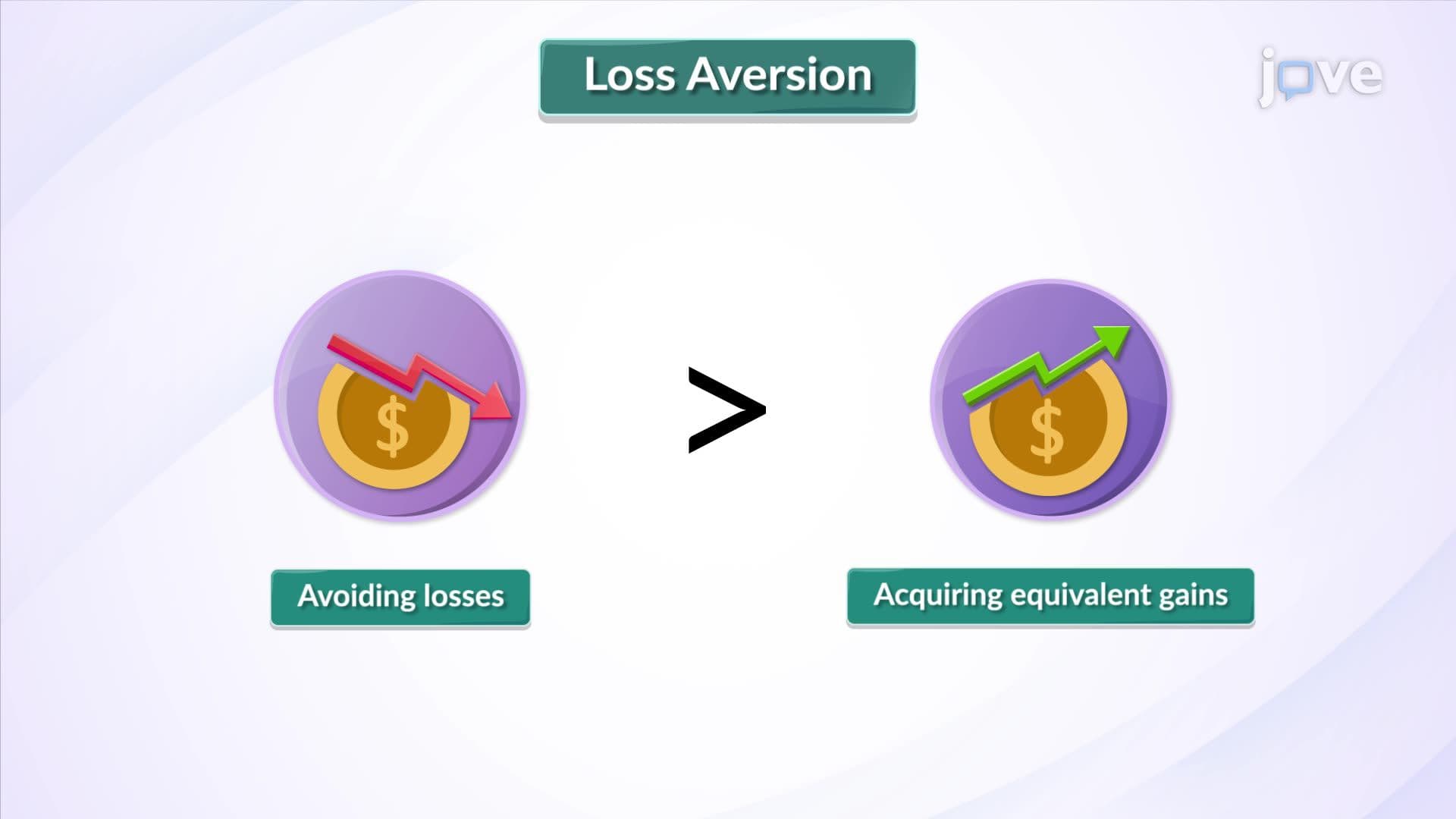
Corporate finance teams increasingly apply investor behavior principles when designing employee retirement plans and executive compensation packages. Understanding that employees exhibit loss aversion and present bias helps HR leaders structure automatic enrollment and escalation features that improve participation rates and long-term wealth accumulation outcomes.
Frequently Asked Questions
Investor behavior examines the psychological and emotional factors driving investment decisions, revealing predictable patterns that affect portfolio performance. For business professionals, understanding these concepts improves financial planning, client advisory services, and corporate investment committee effectiveness by accounting for human biases that traditional finance models ignore.
Use behavioral finance principles to identify when team members exhibit anchoring bias on previous year's numbers or loss aversion when discussing new investments. Frame budget proposals using mental accounting concepts, showing how different funding sources align with specific strategic goals to improve decision-making quality.
Monitor for overconfidence bias where successful executives assume past business success translates to investment expertise, and recency bias where they overweight recent market performance. Also watch for herding behavior when multiple board members gravitate toward popular investment themes without proper due diligence.
IBM redesigned their 401(k) program using behavioral insights, implementing automatic enrollment and escalation features that account for employee inertia and present bias. This resulted in 85% participation rates compared to 65% under their previous opt-in system, significantly improving long-term retirement wealth accumulation.
While helpful, extensive finance knowledge isn't required since investor behavior focuses on universal human psychology rather than complex financial calculations. Business professionals from marketing, operations, and HR backgrounds often excel at applying these concepts because they already understand consumer psychology and organizational behavior patterns.
Professionals gain enhanced credibility in financial discussions, improved client relationship management skills, and better strategic decision-making capabilities. These competencies prove valuable for roles in corporate development, business unit leadership, client advisory services, and any position involving investment committee participation.
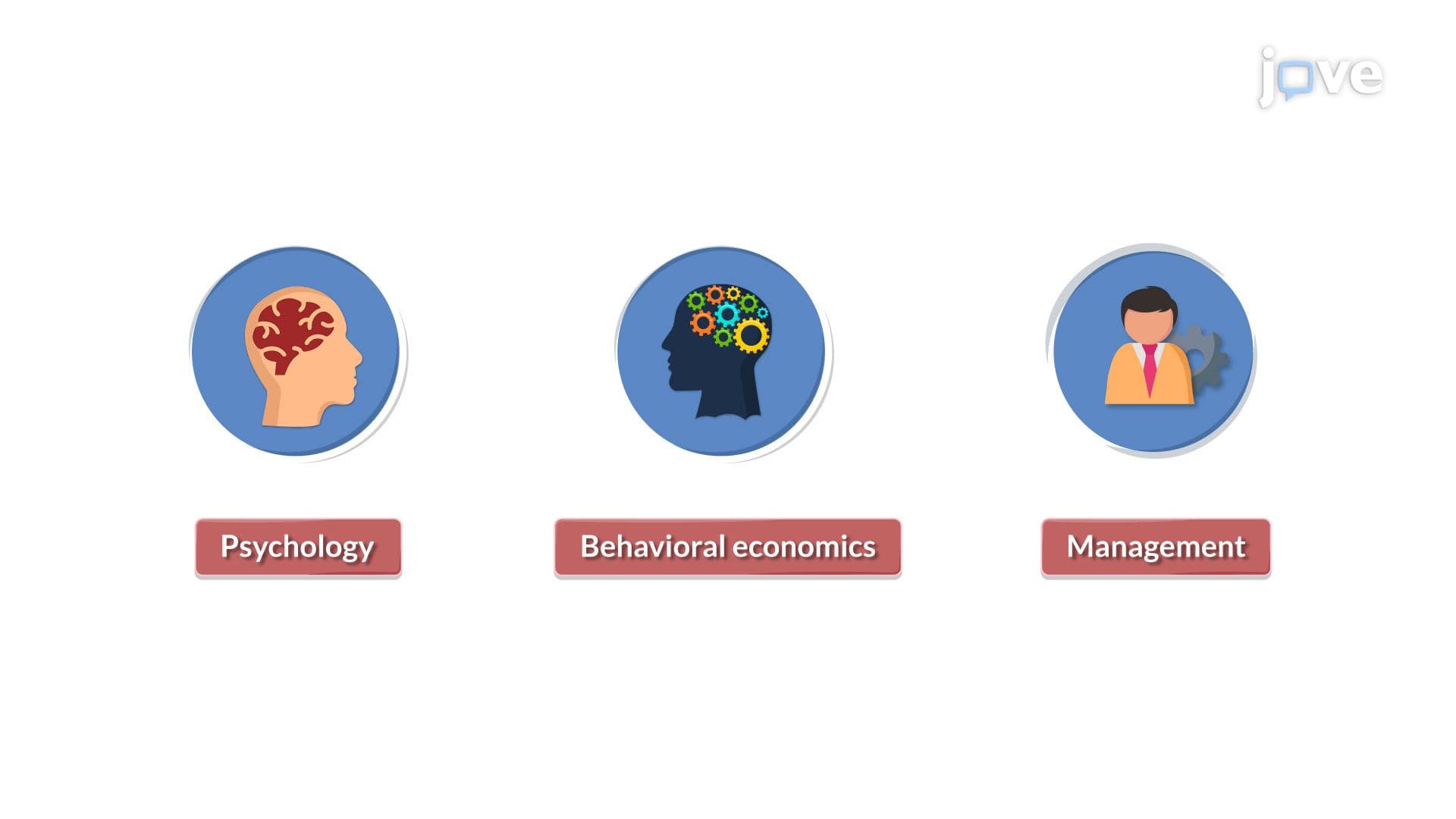
Investor behavior principles directly relate to behavioral economics, consumer psychology, and organizational change management. Mastering these foundations prepares professionals for advanced topics like behavioral pricing strategies, customer acquisition psychology, and change management techniques that account for human cognitive biases.
Institutional investors benefit from committee oversight and professional training that can mitigate individual biases, but they still exhibit herding behavior and groupthink tendencies. Individual investors show stronger emotional reactions and cognitive biases but can pivot strategies more quickly than large institutions bound by committee processes and regulatory constraints.
Related Micro-courses

20 Concepts
18 Concepts

14 Concepts