Loading subject page…

- Finance
- Behavioral Finance
- An Overview of Psychological Concepts and Behavioral Biases
Micro-course: Behavioral Finance
3,690 views
Learn key concepts and earn your certificate.











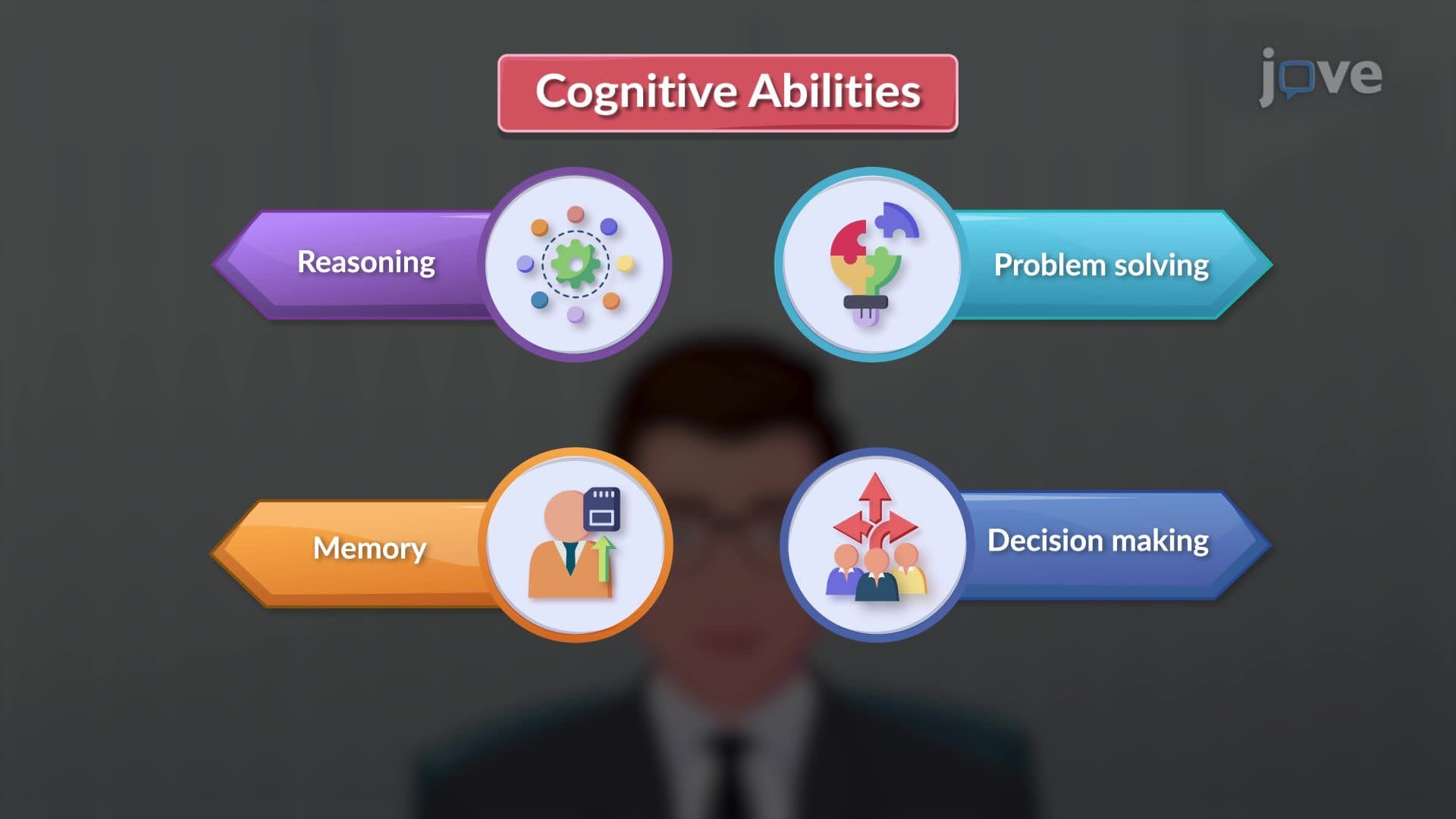


An Overview of Psychological Concepts and Behavioral Biases


00:00
01:29
Video Summary: An Overview of Psychological Concepts Explained
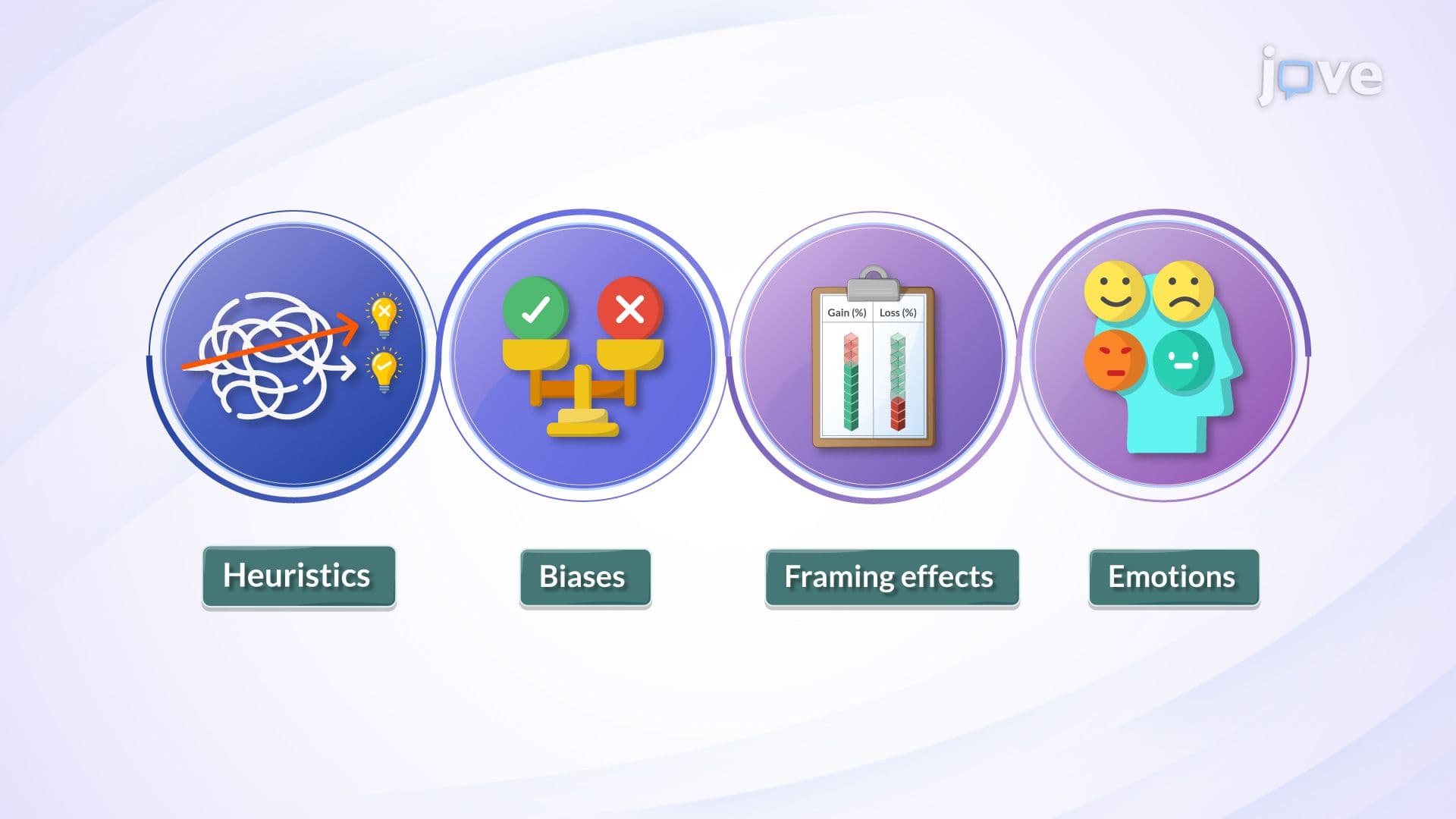
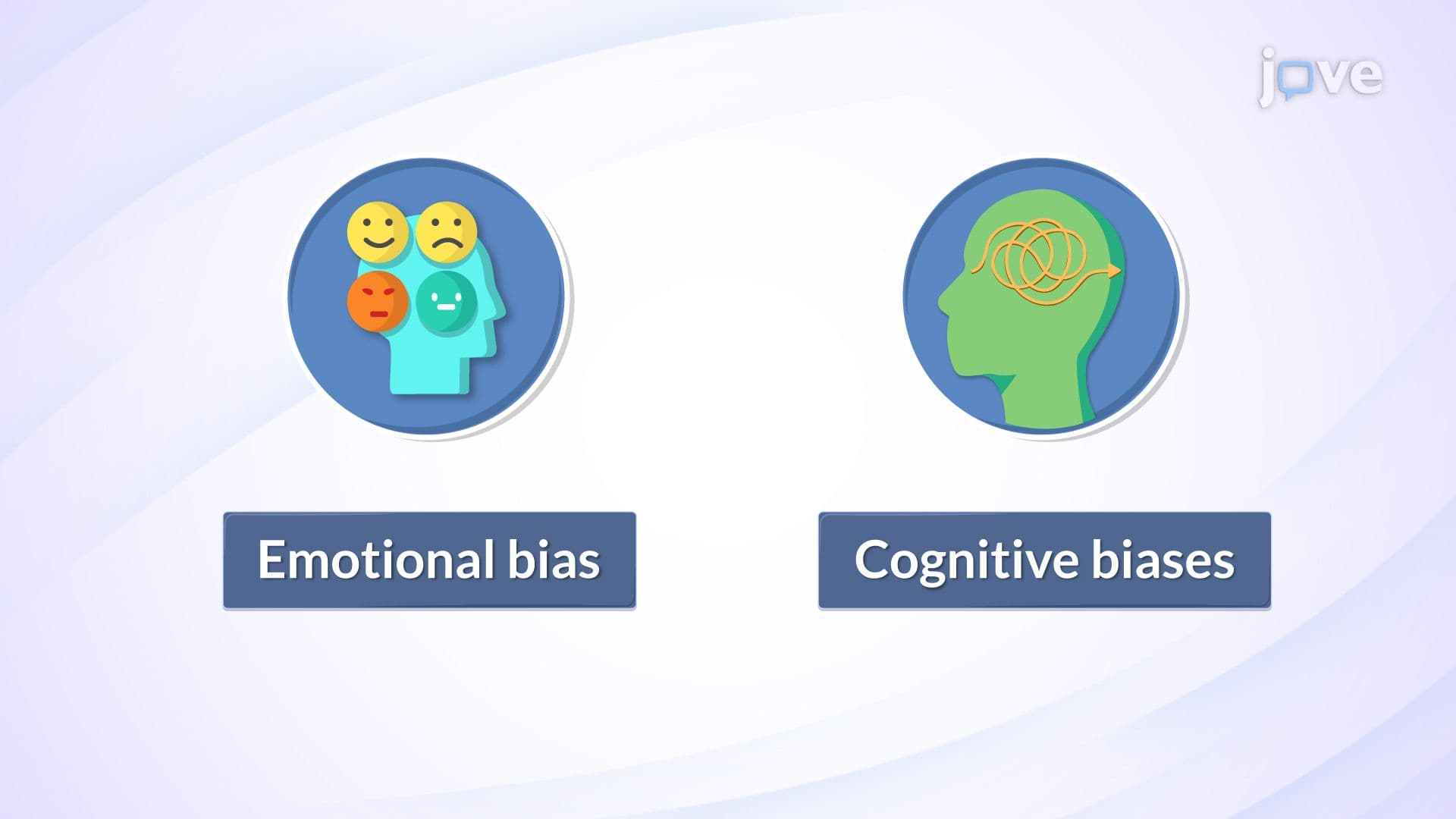
Wall Street's most costly mistakes often stem from predictable psychological patterns that cloud executive judgment. An overview of psychological concepts explained reveals how behavioral biases systematically undermine rational decision-making across corporate America. Consider how Wells Fargo's aggressive sales culture exploited overconfidence bias, leading executives to ignore mounting risk signals. These cognitive shortcuts-including loss aversion, limited attention, and omission bias-directly impact portfolio performance, strategic planning, and operational efficiency. Watch the full video on JoVE Coach to master this concept with expert-led visuals and step-by-step explanations.
- Apply behavioral bias frameworks to identify decision-making blind spots in strategic planning and risk assessment processes
- Evaluate investment portfolios and business ventures through the lens of loss aversion and overconfidence patterns
- Analyze team dynamics and organizational culture to recognize how limited attention affects resource allocation decisions
- Implement systematic checks and balances to counteract omission bias in diversification and expansion strategies
- Assess leadership decision-making processes to minimize the impact of psychological shortcuts on business outcomes
- Leverage understanding of cognitive biases to improve negotiation tactics and stakeholder communication strategies
- Identify early warning signs of bias-driven thinking in board meetings, budget reviews, and performance evaluations
- Compare rational analytical frameworks with intuitive decision-making to optimize business strategy development
Understanding Psychological Concepts in Business Decision-Making
When Theranos collapsed in 2016, investigators found that overconfidence bias and limited attention had blinded investors to glaring red flags. This catastrophic failure illustrates why today's business leaders must master psychological concepts that govern human behavior, emotions, and decision-making processes.
The Four Critical Behavioral Biases Affecting Corporate Performance
Limited Attention represents perhaps the most pervasive threat to executive decision-making. In our information-saturated business environment, leaders consistently focus on recent headlines or compelling narratives while overlooking fundamental data. Consider how Tesla's stock volatility often reflects investor fixation on Elon Musk's latest announcements rather than quarterly delivery numbers or manufacturing capacity metrics.
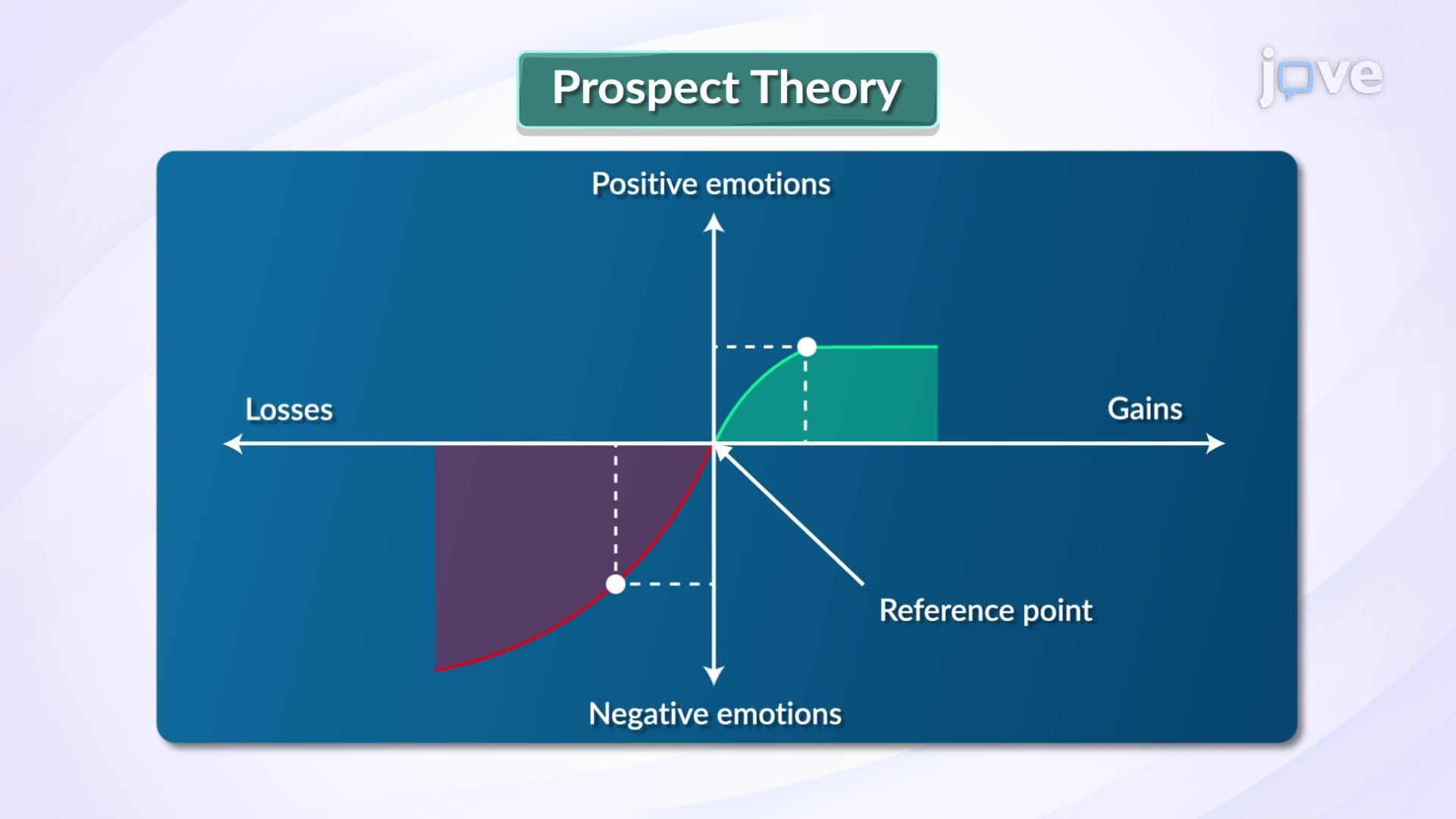
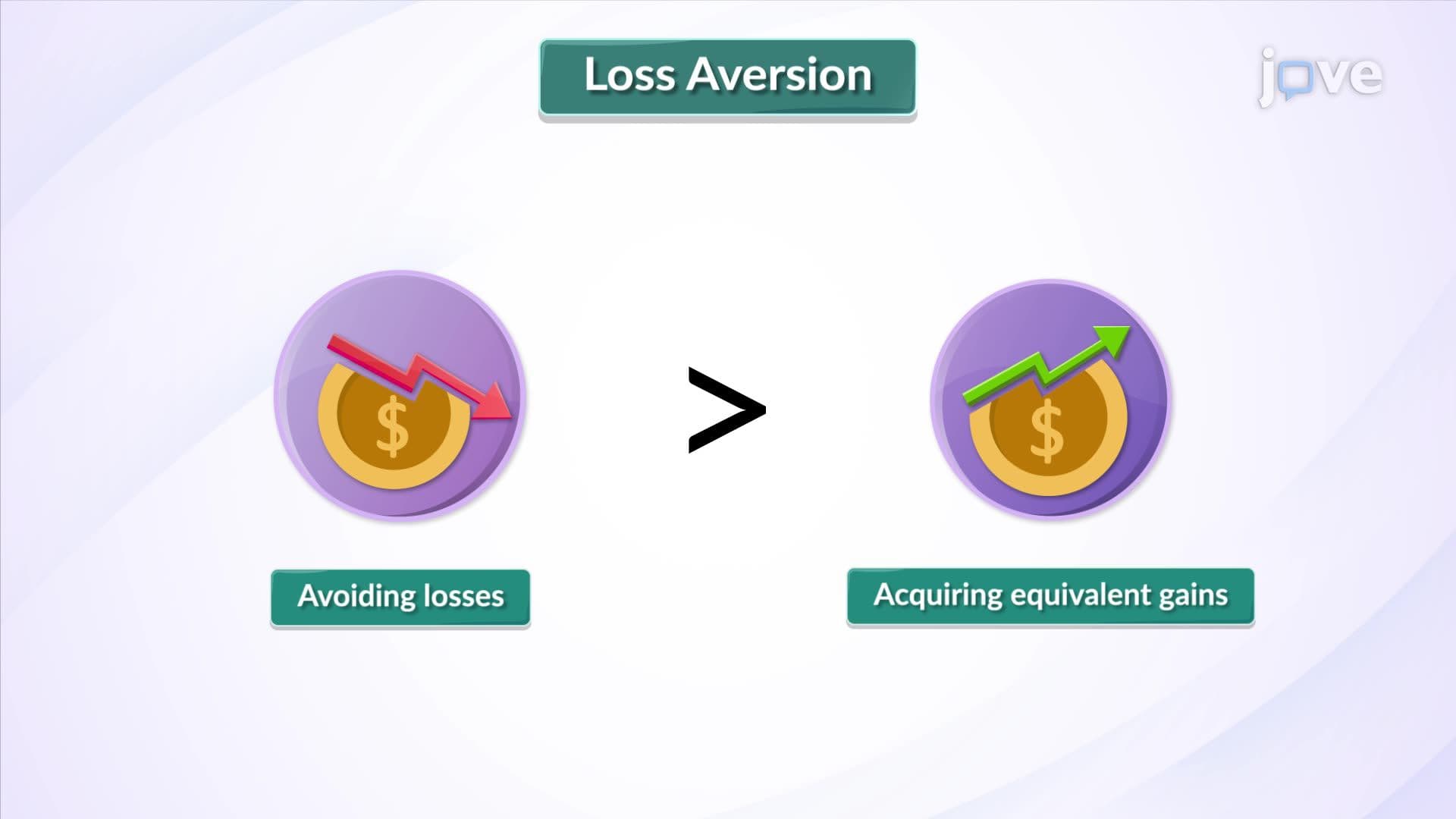
Loss Aversion creates systematic distortions in corporate strategy, where executives demonstrate disproportionate fear of potential losses compared to equivalent gains. This bias explains why many Fortune 500 companies maintain underperforming divisions far longer than optimal, avoiding the perceived "loss" of divesting while missing opportunities for capital reallocation to higher-growth segments.
Omission Bias manifests when leaders avoid taking action due to perceived risks in unfamiliar territory, even when inaction carries greater long-term costs. Netflix's initial hesitation to cannibalize its DVD business with streaming services exemplified this pattern-though Reed Hastings ultimately overcame this bias to transform the company.
Strategic Framework for Bias Recognition and Mitigation
Overconfidence Bias presents particularly acute risks in competitive industries where executives overestimate their knowledge or market-timing abilities. This psychological pattern contributed to numerous corporate failures during the dot-com bubble, as leaders dismissed market signals that contradicted their internal assessments.
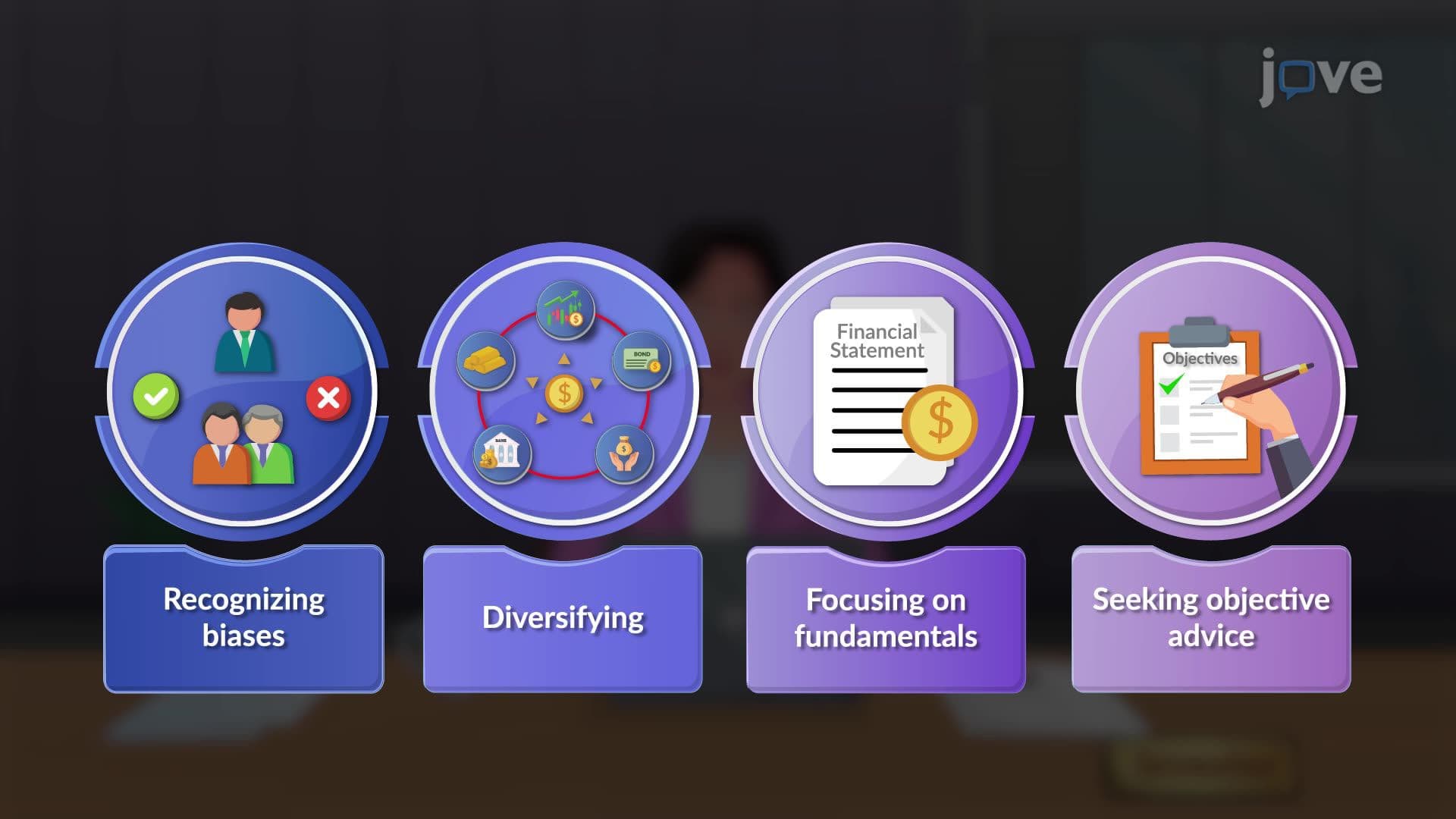
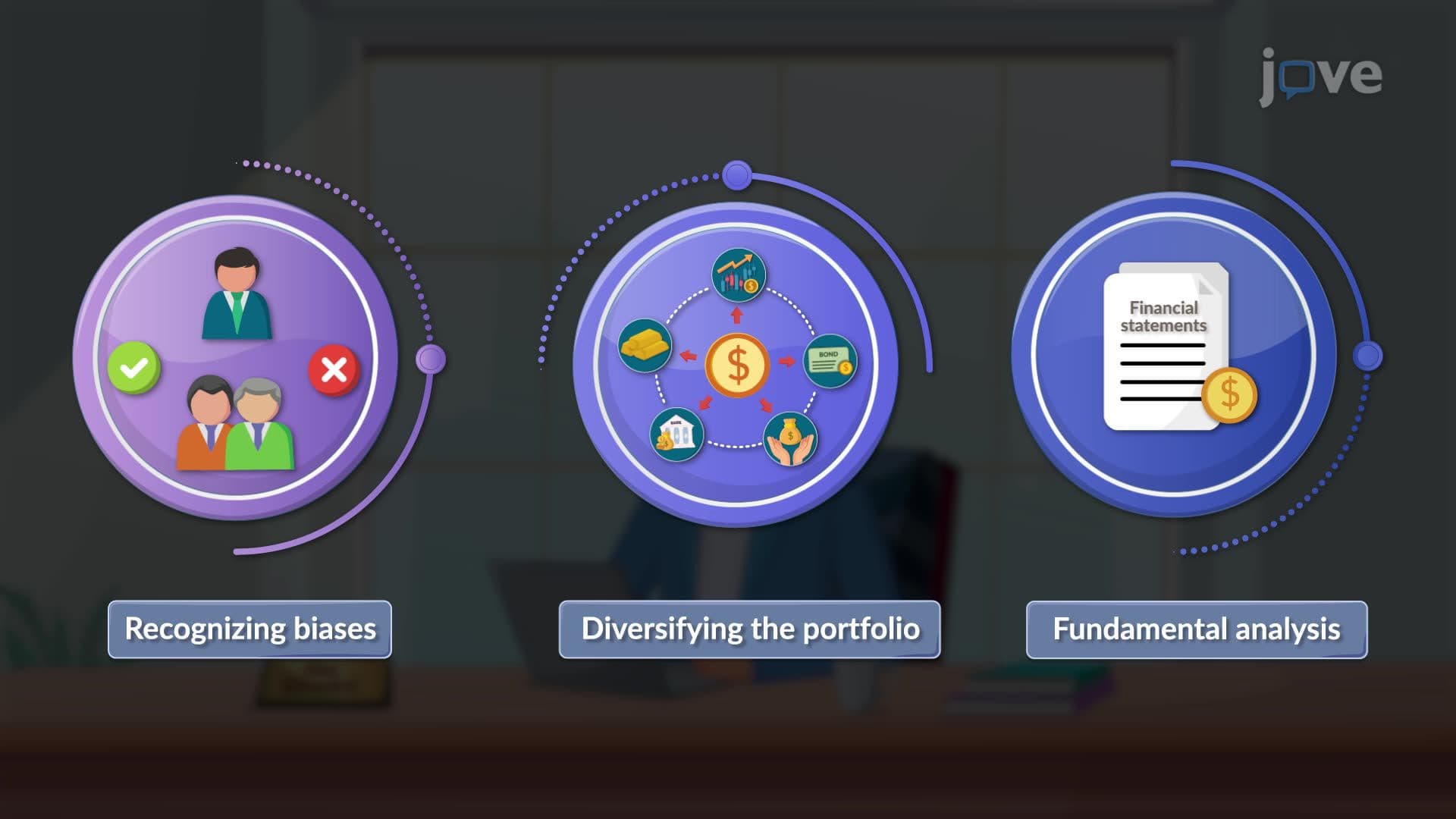
Successful organizations implement systematic approaches to counteract these biases through structured decision-making processes, devil's advocate roles in strategic planning, and quantitative frameworks that challenge intuitive assumptions. Goldman Sachs, for instance, employs multiple independent valuation models specifically to minimize individual analyst biases in investment recommendations.
Practical Applications for Business Leaders
Modern executives must recognize that psychological concepts aren't abstract academic theories-they're operational realities that directly impact P&L performance, competitive positioning, and stakeholder value creation. Companies that systematically address behavioral biases in their decision-making processes consistently outperform peers in strategic execution and risk management.
Frequently Asked Questions
It's a systematic framework for understanding how human cognitive patterns influence professional decision-making, risk assessment, and strategic planning. These concepts help executives recognize when emotions and mental shortcuts might compromise rational business judgment, leading to improved outcomes in negotiations, investments, and operational decisions.
They directly affect budget allocation, hiring decisions, pricing strategies, and market entry timing through unconscious biases. For example, loss aversion might cause managers to continue funding failing projects, while overconfidence could lead to inadequate risk assessment in new product launches, ultimately impacting quarterly performance and competitive positioning.
Amazon systematically applies behavioral concepts in its decision-making processes, particularly through Jeff Bezos's famous "disagree and commit" principle, which counteracts confirmation bias and groupthink. The company also uses A/B testing extensively to overcome executives' intuitive assumptions about customer behavior, leading to data-driven decisions rather than bias-influenced choices.
No formal psychology training is required-these concepts are designed for practical business application by working professionals. The key is recognizing common patterns and implementing systematic checks in your decision-making process, such as seeking contrary viewpoints and using structured analytical frameworks rather than relying solely on intuition.
Understanding behavioral biases enhances your strategic thinking capabilities, improves negotiation outcomes, and positions you as a more analytical leader who makes data-driven decisions. This expertise is particularly valuable in senior management roles, investment positions, and consulting engagements where stakeholders expect sophisticated risk assessment and strategic planning skills.
Start by establishing structured decision-making protocols that require teams to identify potential biases before major choices, encourage diverse perspectives to counter groupthink, and implement systematic review processes for strategic initiatives. Create environments where challenging prevailing assumptions is rewarded rather than discouraged, similar to how successful investment firms operate.
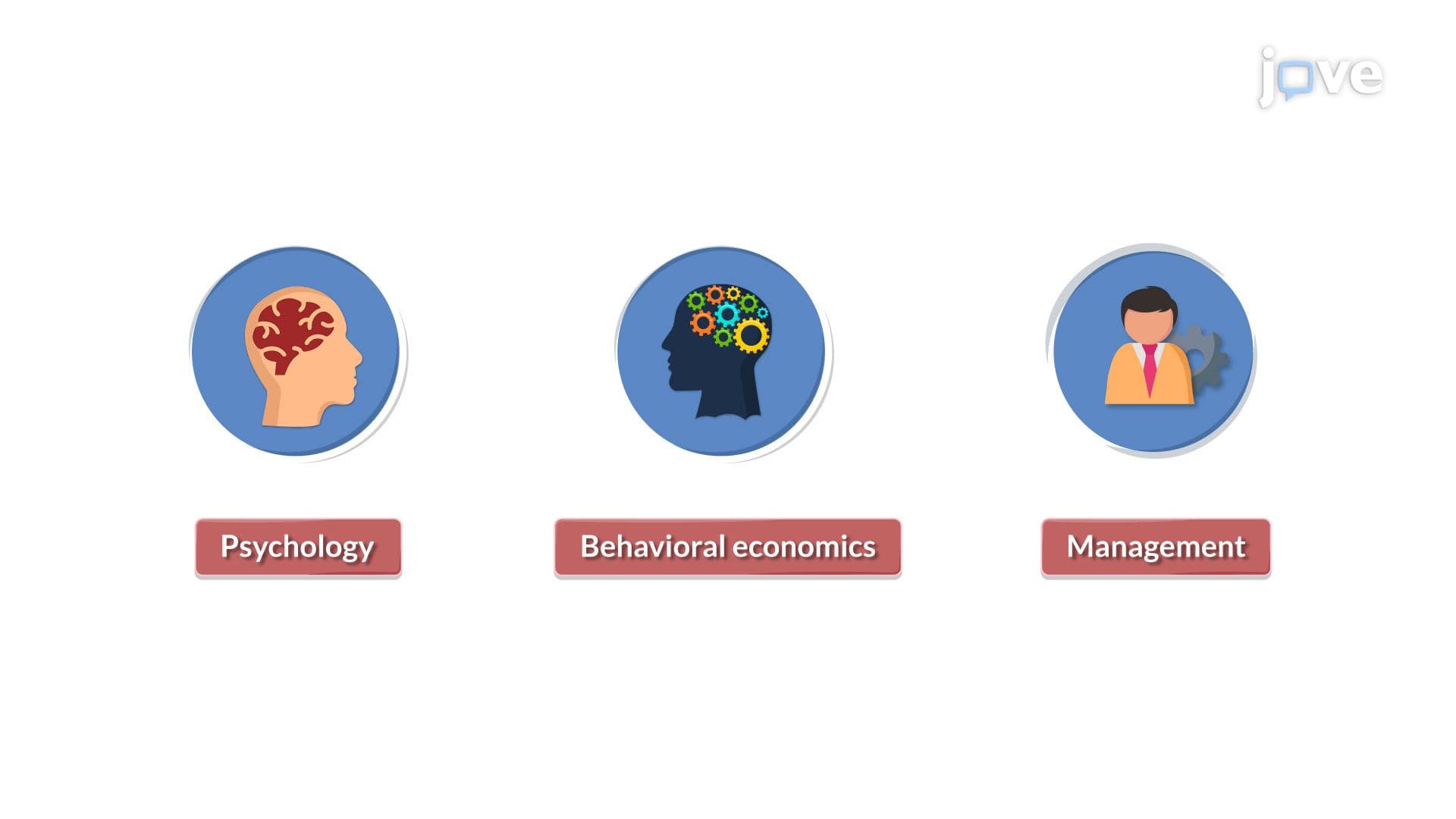
Behavioral economics, game theory applications in competitive strategy, and advanced risk management frameworks all extend these basic psychological principles. Understanding how cognitive biases interact with market dynamics, organizational behavior, and stakeholder psychology provides deeper insights for executive decision-making and corporate strategy development.
Behavioral biases directly impact key performance indicators through suboptimal resource allocation, delayed strategic pivots, and inadequate risk management. Companies that systematically address cognitive biases typically demonstrate superior ROI, more consistent quarterly performance, and better long-term strategic positioning compared to organizations that rely primarily on intuitive decision-making processes.
Related Micro-courses

20 Concepts
18 Concepts

14 Concepts