Loading subject page…

- Finance
- Behavioral Finance
- The Concept of Limited Attention
Micro-course: Behavioral Finance
3,690 views
Learn key concepts and earn your certificate.









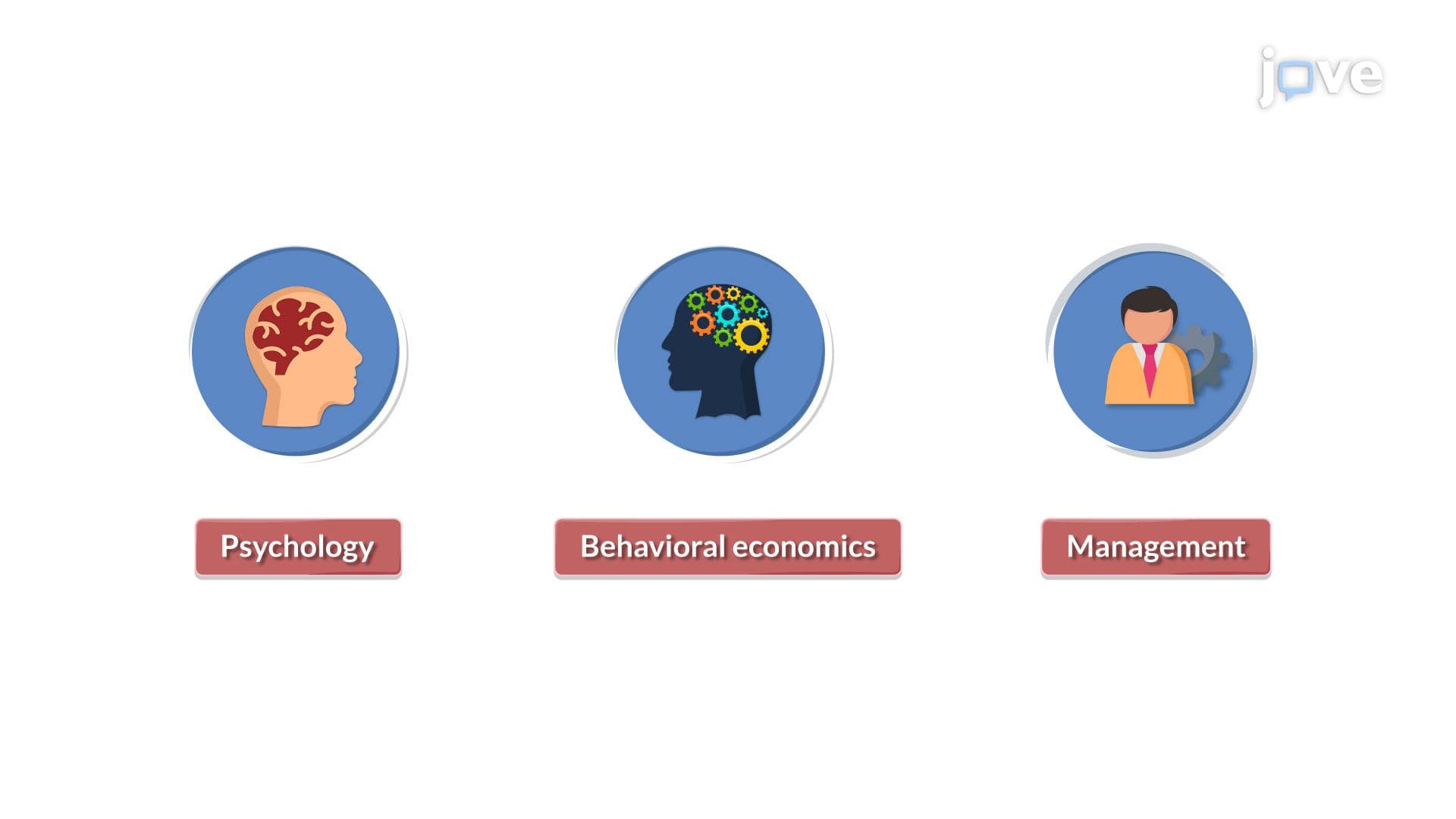

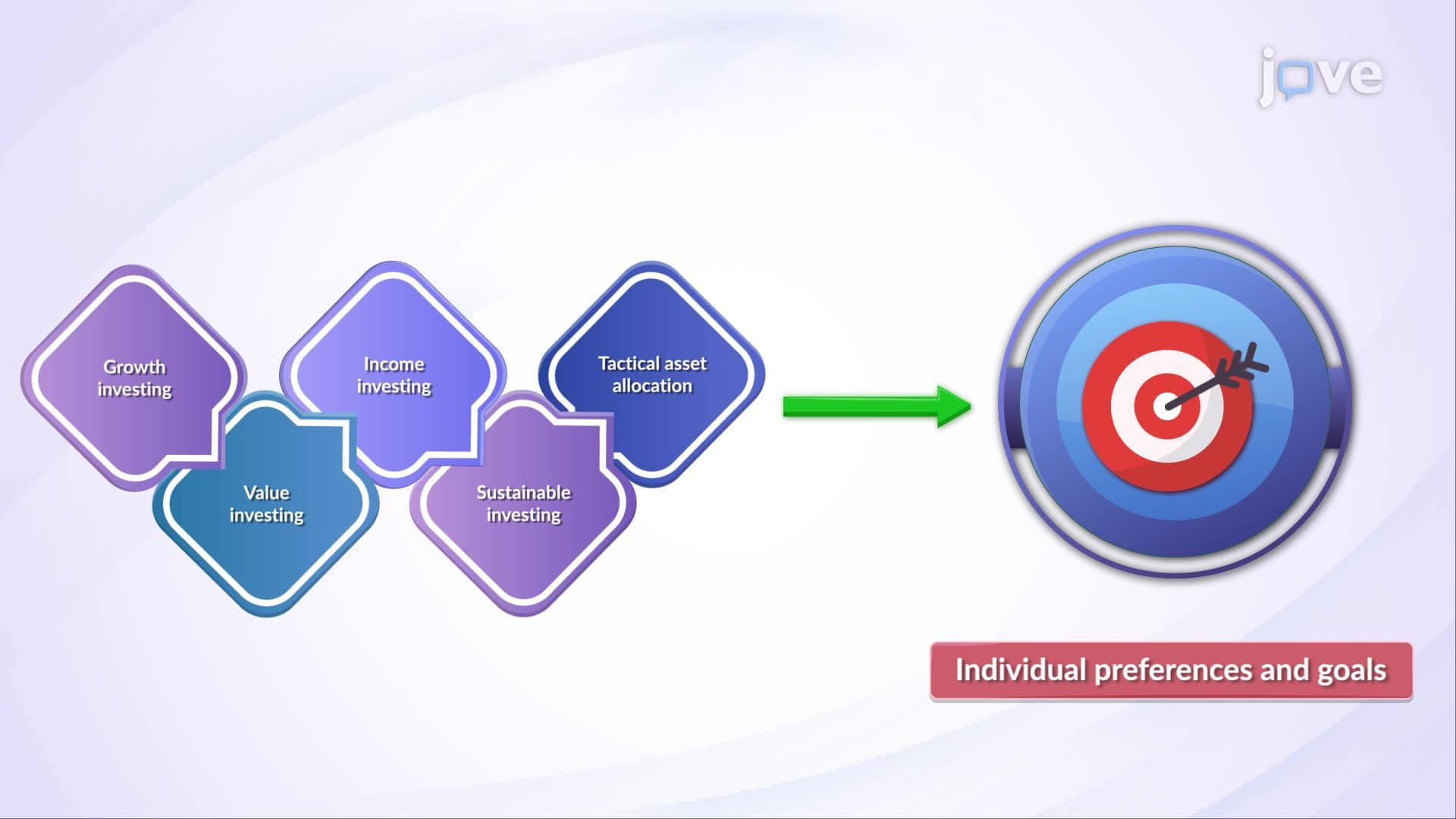

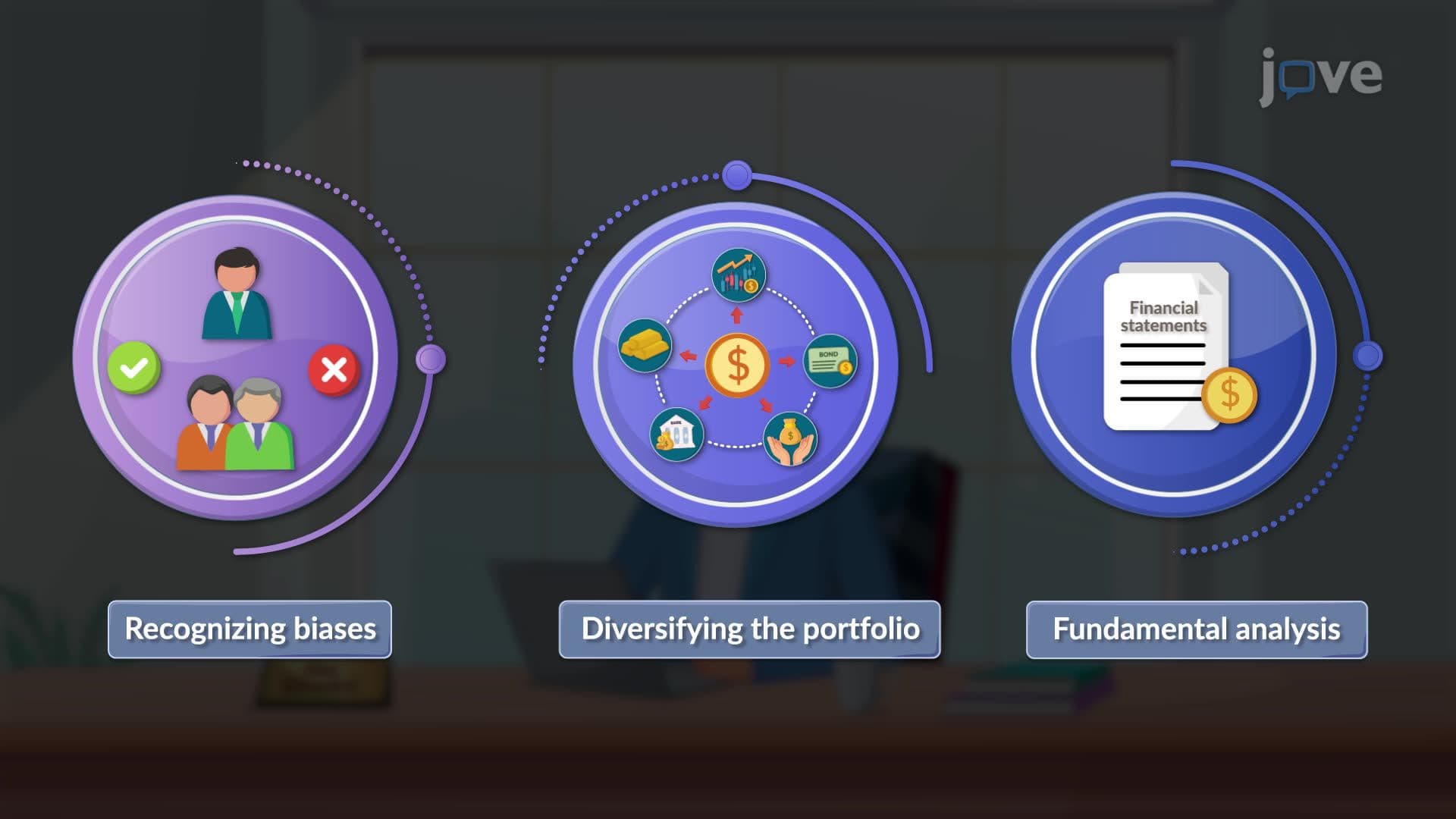

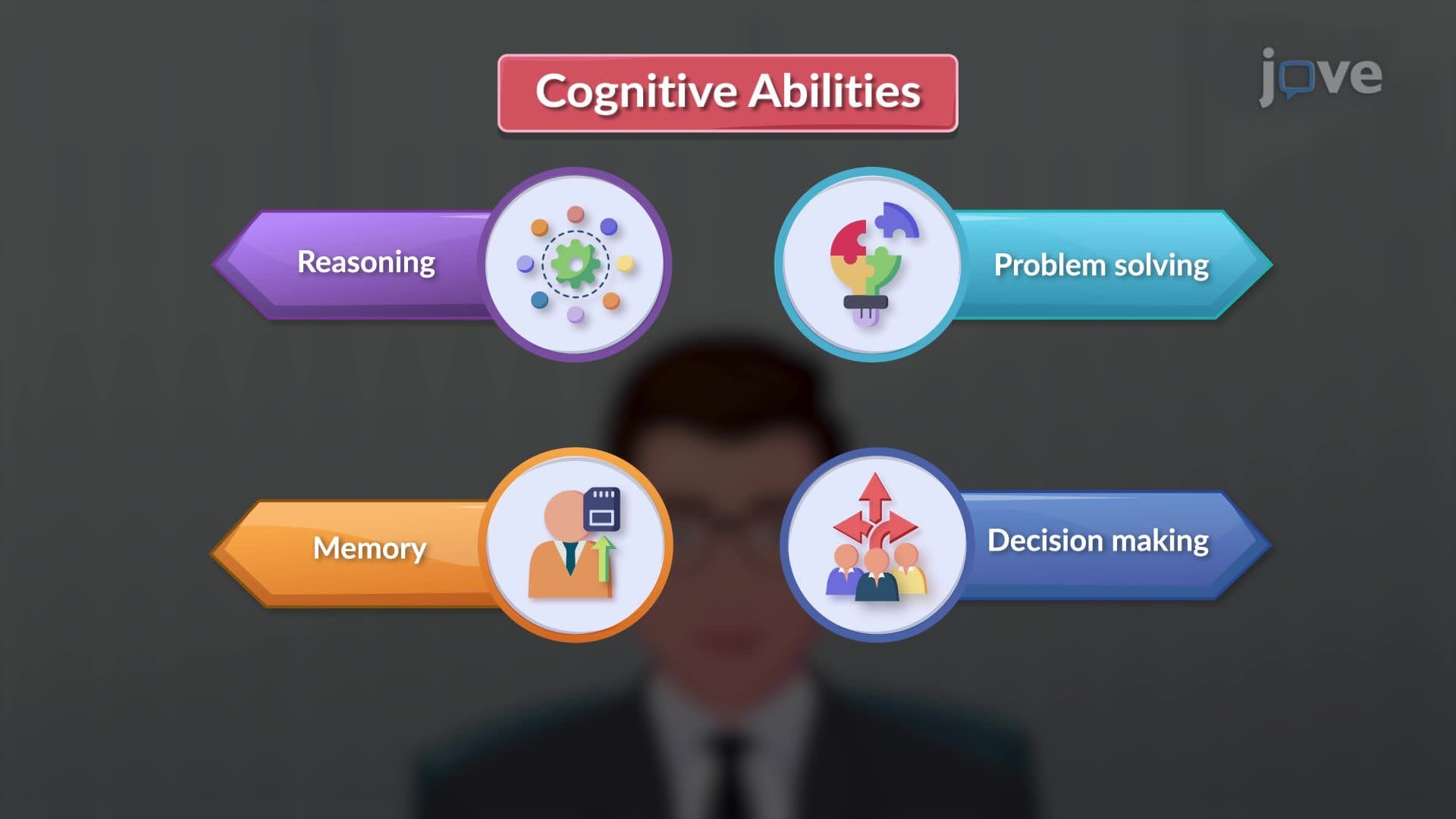


The Concept of Limited Attention


00:00
01:27
Video Summary: The Concept of Limited Attention Explained
Market volatility often stems from investors missing critical financial signals while focusing on headline earnings reports. The concept of limited attention explains how cognitive constraints prevent professionals from processing all available information simultaneously, creating systematic inefficiencies in financial markets. Consider how Tesla's stock price has experienced dramatic swings when investors overlooked subtle manufacturing data while fixating on quarterly delivery numbers. This cognitive bias affects everything from individual portfolio decisions to corporate disclosure timing strategies. Understanding The Concept of Limited Attention Explained enables better decision-making across investment management and corporate strategy. Watch the full video on JoVE Coach to master this concept with expert-led visuals and step-by-step explanations.
- Apply attention allocation frameworks to improve investment decision-making and reduce blind spots in market analysis
- Evaluate corporate disclosure timing strategies to better anticipate market reactions and positioning opportunities
- Analyze information processing bottlenecks in your organization to identify where critical business signals might be overlooked
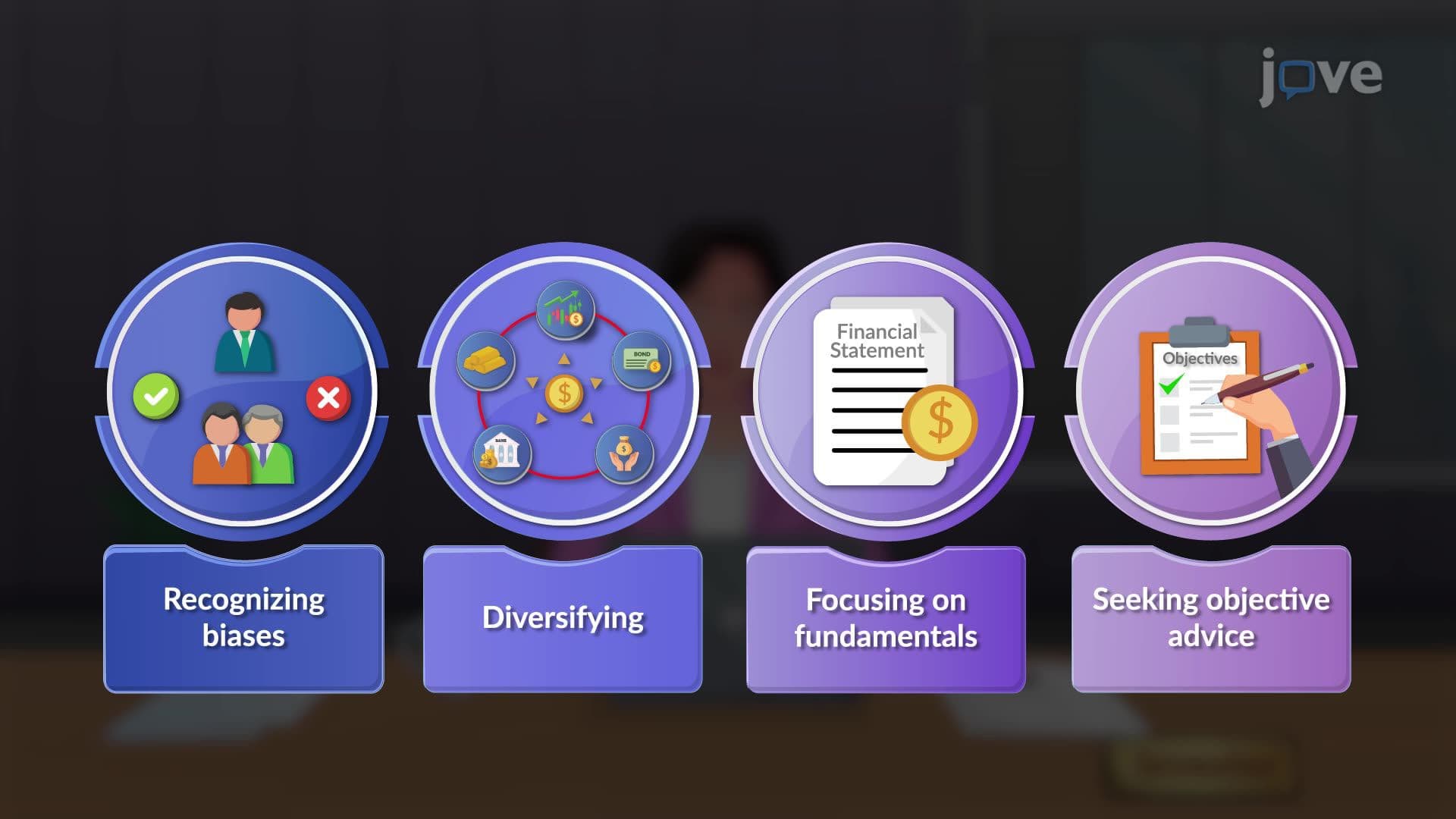
- Implement systematic monitoring processes that capture both salient and subtle market indicators for competitive advantage
- Assess overconfidence bias in team decision-making to prevent momentum-driven errors in strategic planning
- Leverage limited attention patterns to optimize client communication timing and maximize message impact
- Identify early warning signals that competitors or markets typically ignore due to cognitive constraints
- Compare information complexity across different business metrics to prioritize executive attention and resource allocation
Understanding The Concept of Limited Attention in Business Strategy
Wall Street's 2008 financial crisis exemplified how limited attention creates catastrophic blind spots. While investment professionals focused intensely on mortgage origination volumes and housing price appreciation, they systematically ignored complex derivatives exposure and interconnected risk signals. This cognitive constraint-where decision-makers can only process a subset of available information-continues to shape modern business outcomes across industries.
Cognitive Constraints in Investment Management
Professional investors face an overwhelming flood of data: earnings reports, economic indicators, regulatory filings, industry analyses, and real-time market movements. The concept of limited attention explains why even sophisticated portfolio managers at firms like BlackRock or Vanguard must develop systematic filters to process information efficiently. Salient information-quarterly earnings, major announcements, regulatory changes-receives immediate attention and quick market incorporation. Meanwhile, subtle signals like supply chain disruptions, management turnover patterns, or gradual margin compression often remain unprocessed until they manifest as dramatic price movements.
This processing limitation creates predictable market inefficiencies. When Amazon reports strong AWS growth, investor attention immediately focuses on cloud revenue metrics. However, the same investors might overlook gradual changes in customer acquisition costs or shifting competitive dynamics that signal longer-term profitability challenges.
Corporate Disclosure Strategy and Timing
Understanding limited attention enables sophisticated corporate communication strategies. Public company executives strategically time information releases based on predicted investor attention levels. Positive developments-earnings beats, strategic partnerships, product launches-get announced during high-attention periods like earnings calls or major industry conferences. Conversely, negative information often surfaces during low-attention windows: Friday afternoon releases, holiday periods, or alongside major competing news events.
Microsoft exemplifies this approach, timing Azure growth announcements during quarterly calls while releasing cybersecurity incident disclosures during periods when investor attention focuses elsewhere. This isn't deceptive-it's strategic communication that acknowledges cognitive limitations in information processing.
Overconfidence and Momentum Effects
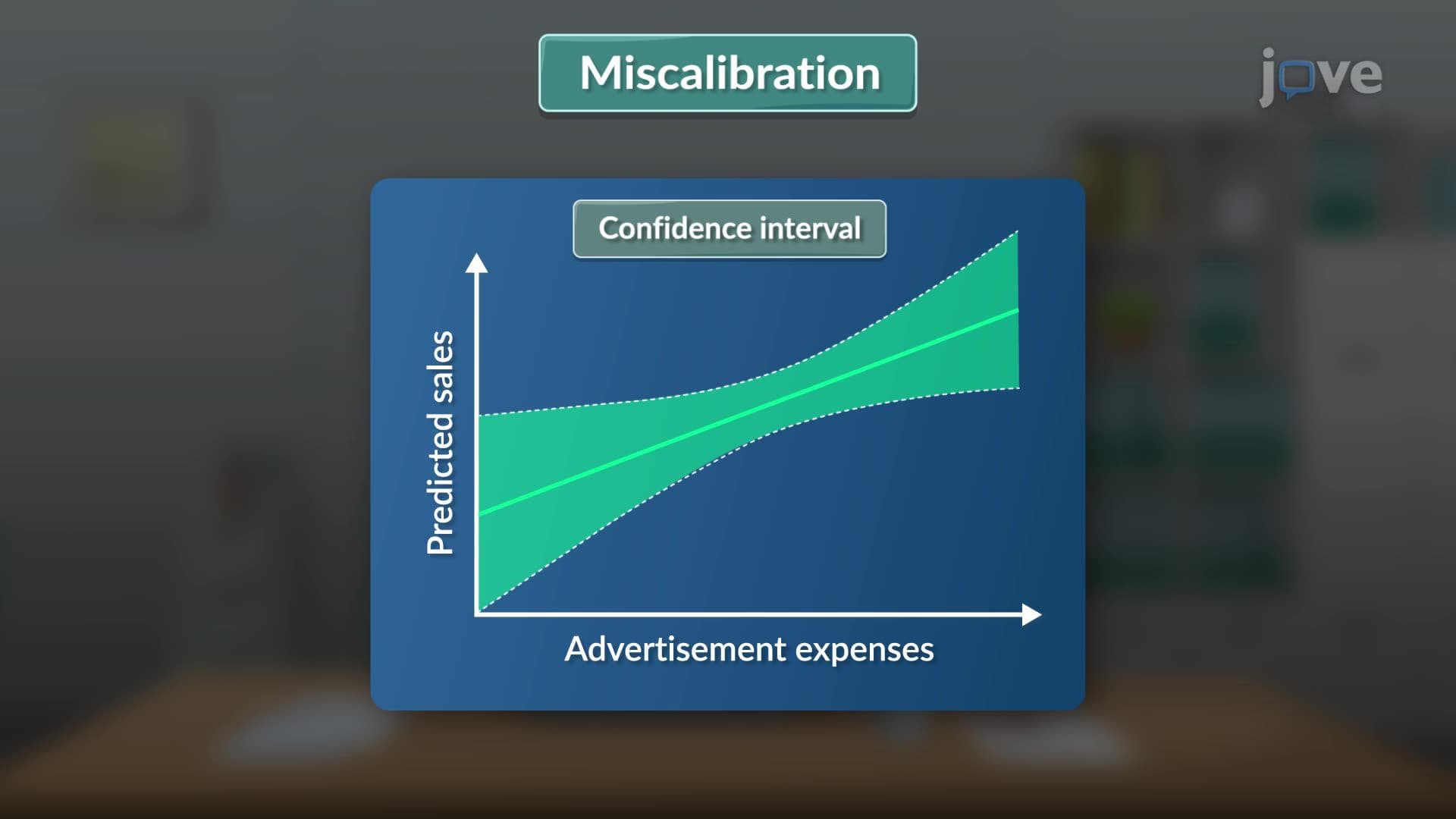
Limited attention interacts dangerously with overconfidence bias, particularly among experienced professionals who believe their expertise eliminates cognitive constraints. When new information aligns with existing beliefs, overconfident decision-makers may amplify their positions without fully processing contradictory signals. This creates momentum effects-sustained price movements or strategic commitments that eventually reverse when ignored information finally demands attention.
The concept extends beyond individual psychology into organizational behavior, affecting everything from capital allocation decisions to competitive intelligence gathering.
Frequently Asked Questions
Limited attention describes the cognitive constraint that prevents professionals from simultaneously processing all available information relevant to business decisions. This leads to systematic focus on salient, easily interpretable data while overlooking complex or subtle signals. In financial markets, this creates predictable inefficiencies where stock prices adjust slowly to less obvious information, creating both risks and opportunities for informed decision-makers.
Limited attention causes you to focus disproportionately on headline metrics like quarterly earnings while potentially missing early warning signals in financial footnotes, management commentary, or industry trends. This can lead to delayed reactions to both opportunities and risks. Systematic information processing frameworks help overcome these natural cognitive constraints and improve portfolio performance.
Absolutely-understanding attention limitations helps optimize message delivery timing and complexity. Present your most critical points when audience attention peaks, simplify complex analyses into digestible insights, and time major announcements strategically. Corporate executives use these principles to maximize positive news impact and minimize negative information disruption.
GameStop illustrated how institutional investors' limited attention created massive blind spots around social media sentiment and retail trading coordination. While professional analysts focused on traditional fundamentals like declining physical game sales, they overlooked emerging signals from Reddit communities and options flow data. This attention gap enabled retail investors to exploit systematic institutional oversights, forcing dramatic position adjustments.
No specialized finance training is required-limited attention affects decision-making across all business functions. Marketing managers face information overload about consumer behavior, operations leaders must filter supply chain signals, and executives balance competing strategic priorities. The core principle applies universally: cognitive constraints force selective attention, creating both vulnerabilities and competitive advantages.
Mastering attention allocation gives you significant competitive advantages in information-intensive roles. You'll identify opportunities others miss, communicate more effectively with senior leadership, and make better strategic decisions under uncertainty. These skills are particularly valuable in roles involving market analysis, strategic planning, risk management, and executive communication.
Behavioral finance concepts like anchoring bias, confirmation bias, and prospect theory build naturally from limited attention understanding. Additionally, explore information cascade theory and market microstructure to understand how attention limitations create systematic market inefficiencies that sophisticated professionals can exploit.
Related Micro-courses

20 Concepts

18 Concepts

14 Concepts