Loading subject page…

3,690 views

Video Summary: The Role of Unconscious Emotions Explained
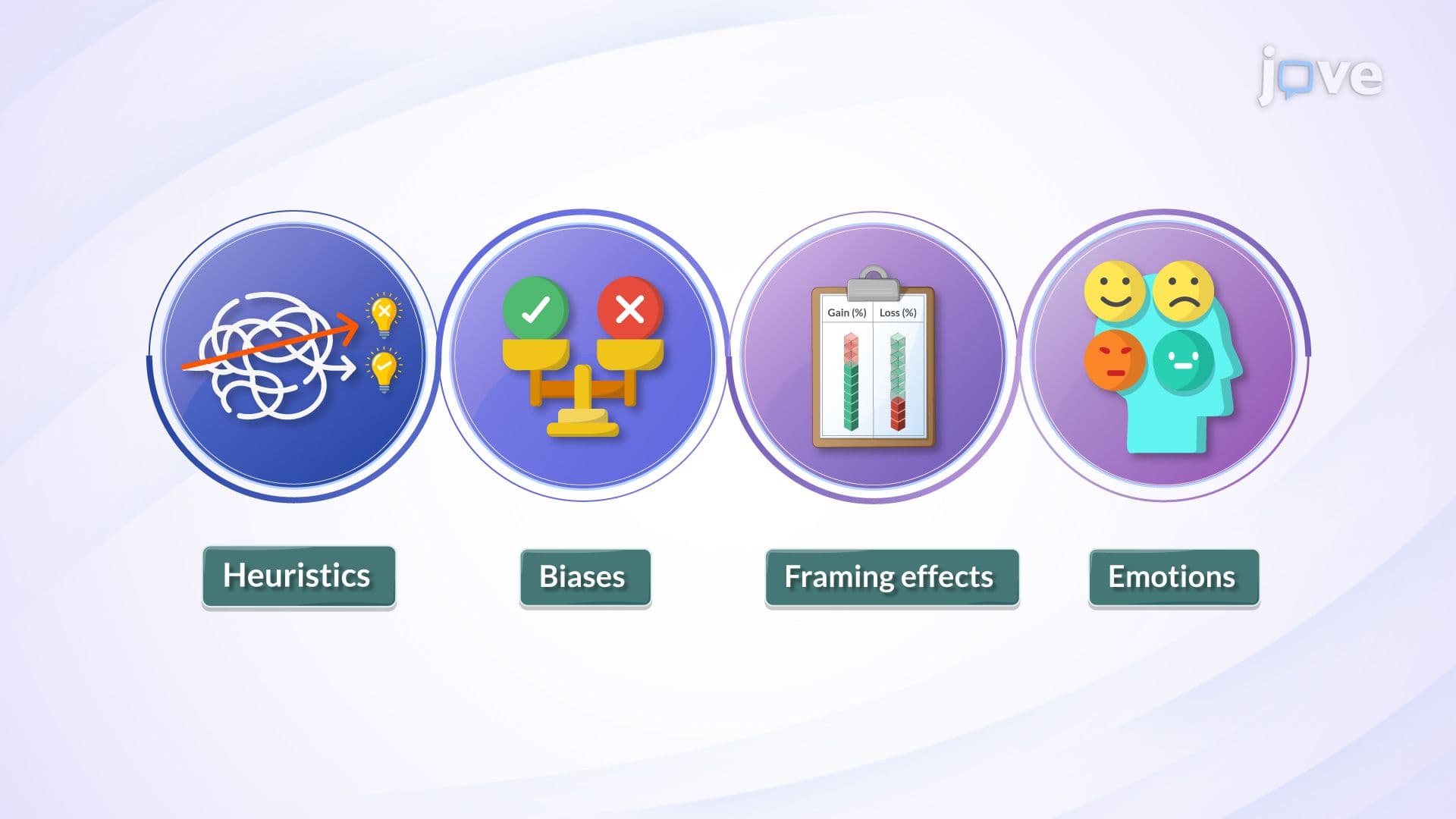
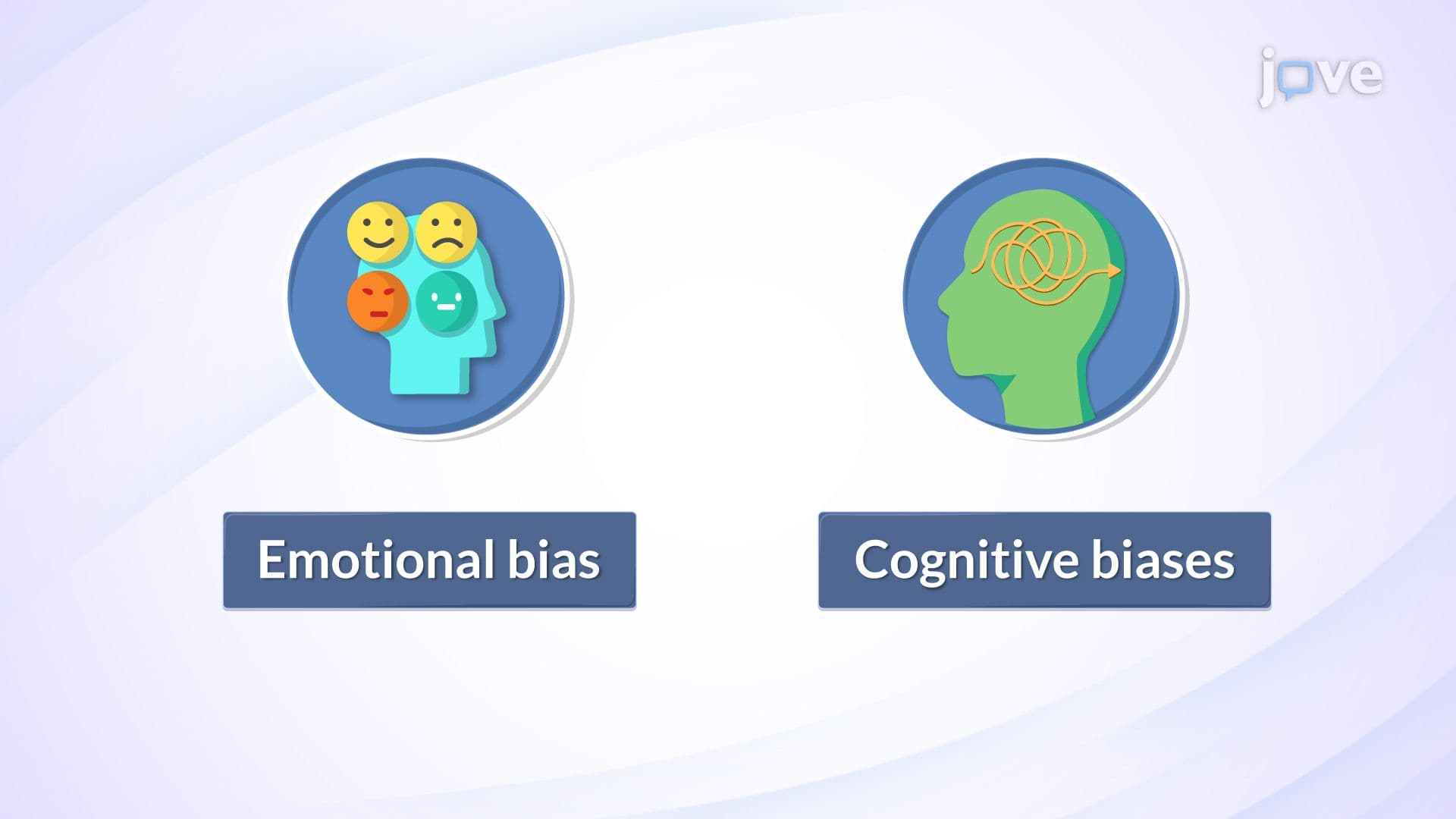
Market volatility exposes how the role of unconscious emotions drives costly investment decisions across professional portfolios. When Wells Fargo's fake account scandal broke in 2016, many investors held positions despite mounting evidence, driven by unconscious biases rather than rational analysis. The Role of Unconscious Emotions Explained reveals how affect heuristics, fear-driven panic selling, and euphoric over-investment systematically undermine financial performance. Watch the full video on JoVE Coach to master this concept with expert-led visuals and step-by-step explanations.
Consider BlackBerry's leadership team circa 2007, watching Apple unveil the iPhone. Despite overwhelming market evidence, BlackBerry executives maintained their keyboard-focused strategy for years, driven by unconscious emotional attachments to their legacy success rather than objective competitive analysis. This scenario illustrates how unconscious emotions systematically influence executive judgment, often with devastating P&L consequences.
The affect heuristic represents one of the most pervasive unconscious influences in business environments. When positive emotions toward a potential acquisition target, strategic partner, or new market opportunity override analytical rigor, companies often pursue deals that destroy shareholder value. General Electric's acquisition spree under Jack Welch demonstrated both the power and peril of affect-driven decisions-while some emotionally-driven acquisitions like NBC created value, others reflected unconscious biases toward growth narratives rather than fundamental business merit.
Corporate treasurers and institutional portfolio managers regularly witness how unconscious fear and greed cycles drive suboptimal asset allocation decisions. During the 2008 financial crisis, many CFOs panic-sold equity positions near market bottoms, then missed subsequent recovery gains due to lingering fear responses. Conversely, the dot-com bubble saw corporate venture arms and pension funds chase euphoric technology investments without proper risk assessment. These patterns persist because unconscious emotions bypass established investment committee protocols and analytical frameworks.
The concept of phantastic objects-investments that promise extraordinary returns while appealing to unconscious desires for financial success-manifests prominently in private equity, cryptocurrency, and ESG investment trends. WeWork's 2019 IPO attempt exemplified how phantastic object thinking infected institutional investors, from SoftBank's Vision Fund to major Wall Street underwriters. The company's narrative of "elevating human consciousness" and revolutionary workspace transformation appealed to unconscious fantasies about disrupting commercial real estate, leading sophisticated investors to overlook fundamental business model flaws and unsustainable unit economics.
Related Micro-courses