Loading subject page…


3,690 views


Video Summary: What Is Application of Behavioral Finance
Market volatility exposes how psychological biases drive financial decisions, costing companies billions in suboptimal choices. The application of behavioral finance reveals how emotions and cognitive shortcuts influence everything from investment strategies to corporate budgeting decisions. Goldman Sachs, for instance, integrates behavioral insights into their client advisory services to predict market reactions during economic uncertainty. Understanding what is application of behavioral finance empowers professionals to recognize decision-making traps like anchoring bias and overconfidence that plague executive teams and portfolio managers. Watch the full video on JoVE Coach to master this concept with expert-led visuals and step-by-step explanations.
Consider BlackRock's recent struggle with investor withdrawals during the 2022 market downturn. Despite strong fundamentals, client behavior was driven by fear and recency bias rather than rational analysis. This scenario perfectly illustrates why the application of behavioral finance has become critical for financial professionals and business leaders navigating today's complex markets.
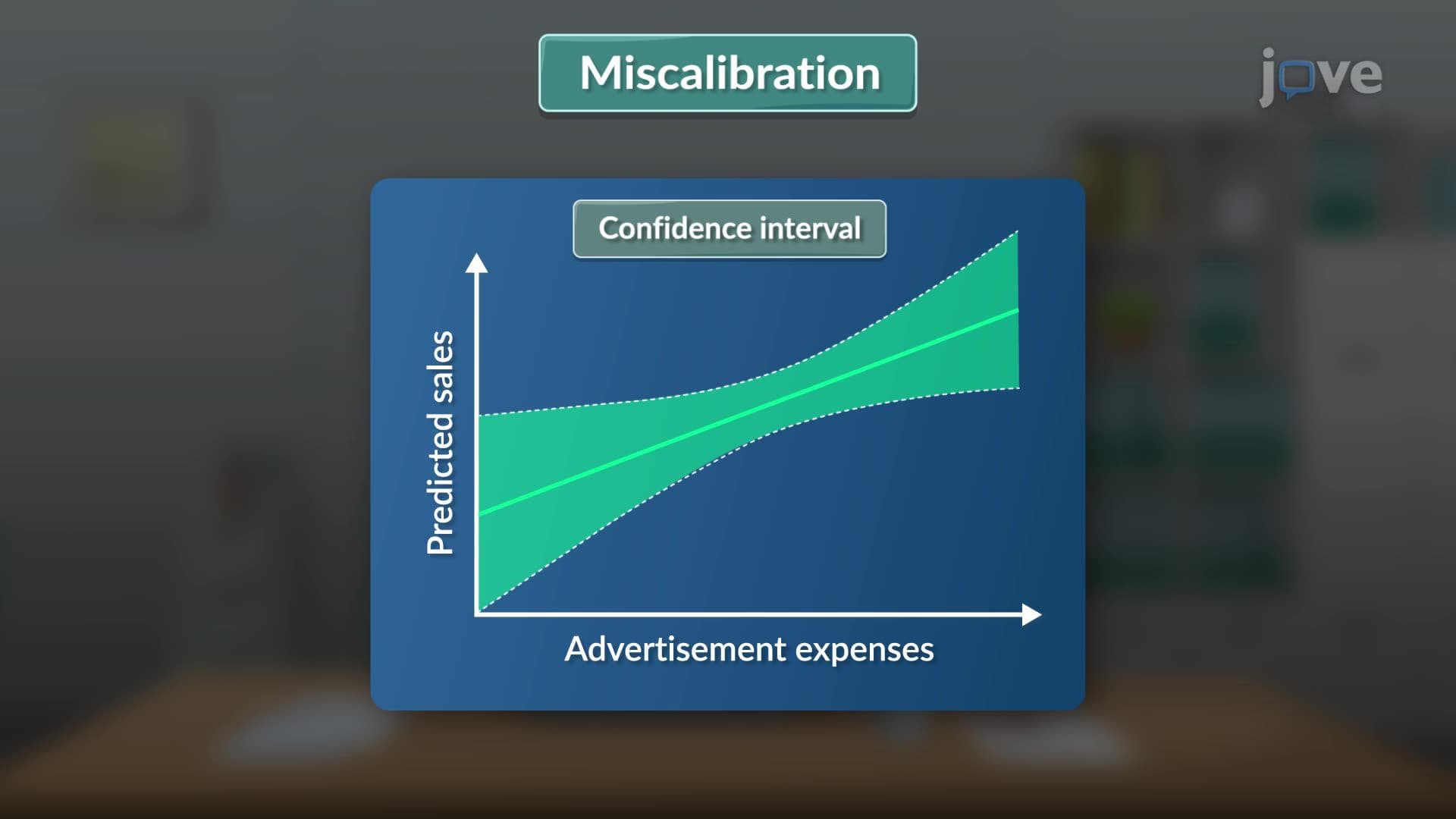
The application behavioral finance framework identifies specific psychological patterns that consistently influence business outcomes. Overconfidence bias leads executives to overestimate their ability to time markets or predict consumer behavior. JPMorgan Chase's investment committee now systematically challenges initial assumptions to counter this tendency. Anchoring bias causes teams to fixate on initial price points or projections, potentially missing better alternatives during negotiations or strategic planning.
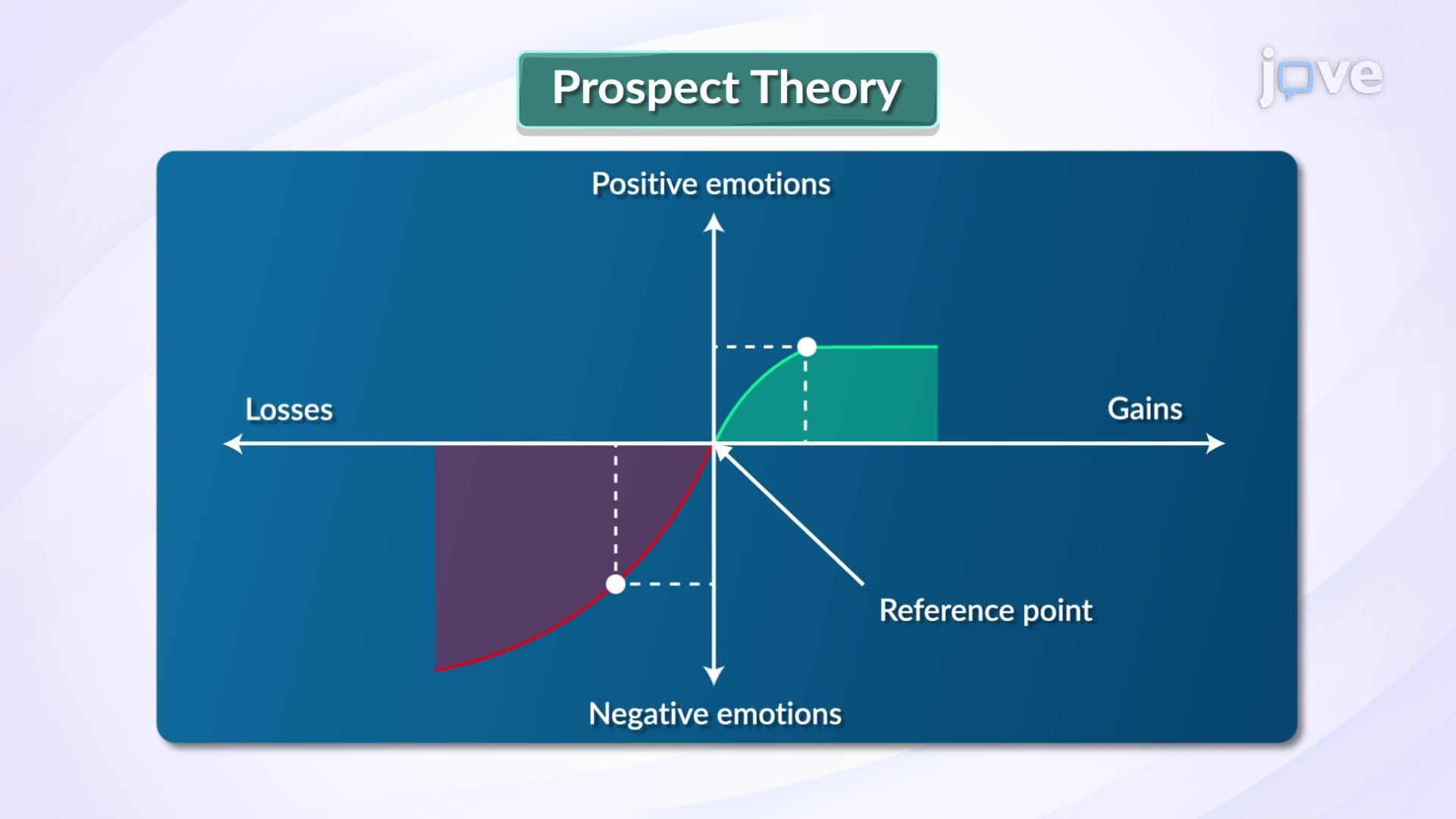
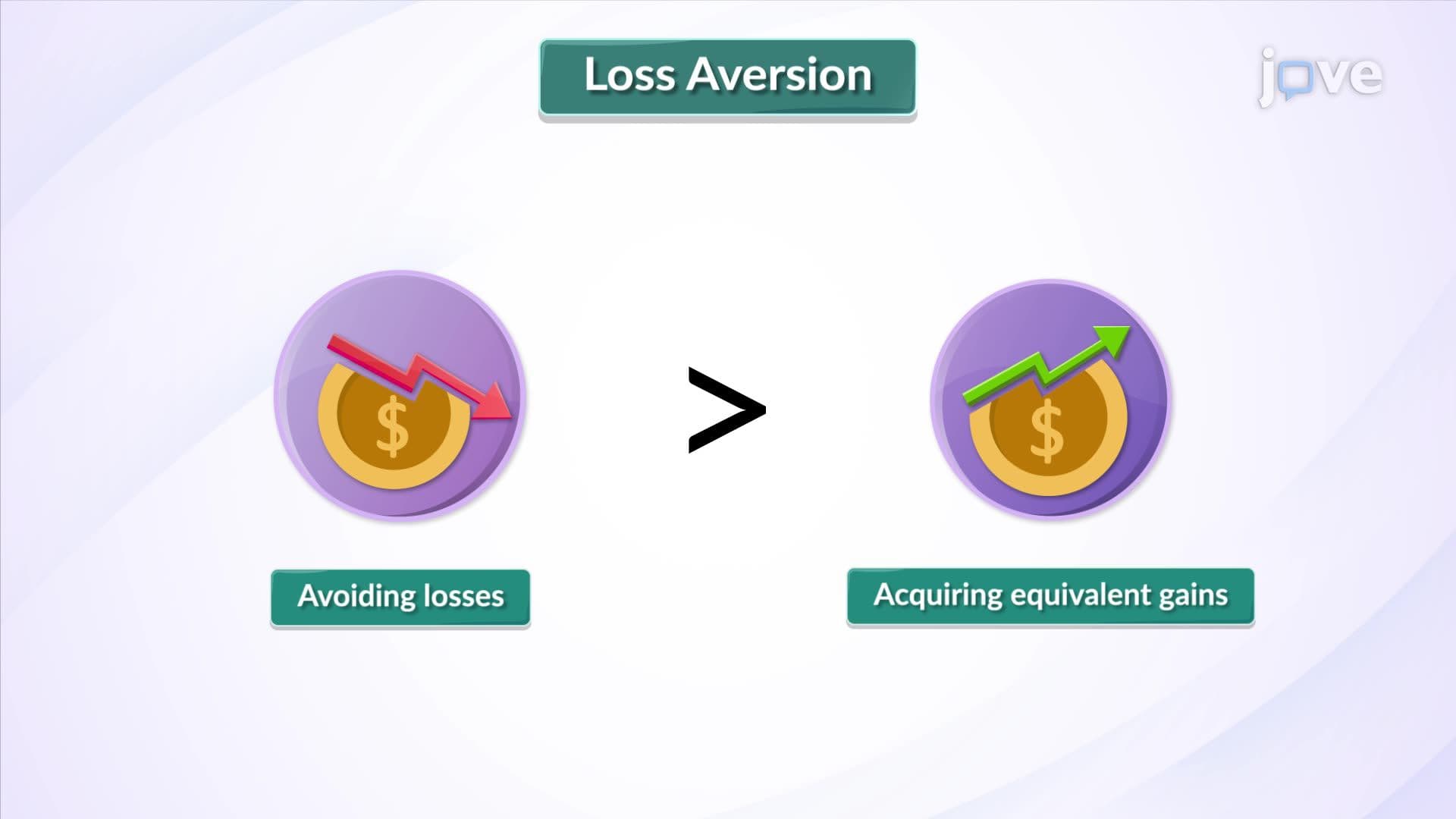
Loss aversion-where the pain of losing feels twice as strong as the pleasure of gaining-explains why companies often hold onto underperforming assets too long or avoid necessary but risky innovation investments. Netflix's bold shift from DVD to streaming despite cannibalizing existing revenue demonstrates how understanding behavioral finance can inform counterintuitive but strategically sound decisions.
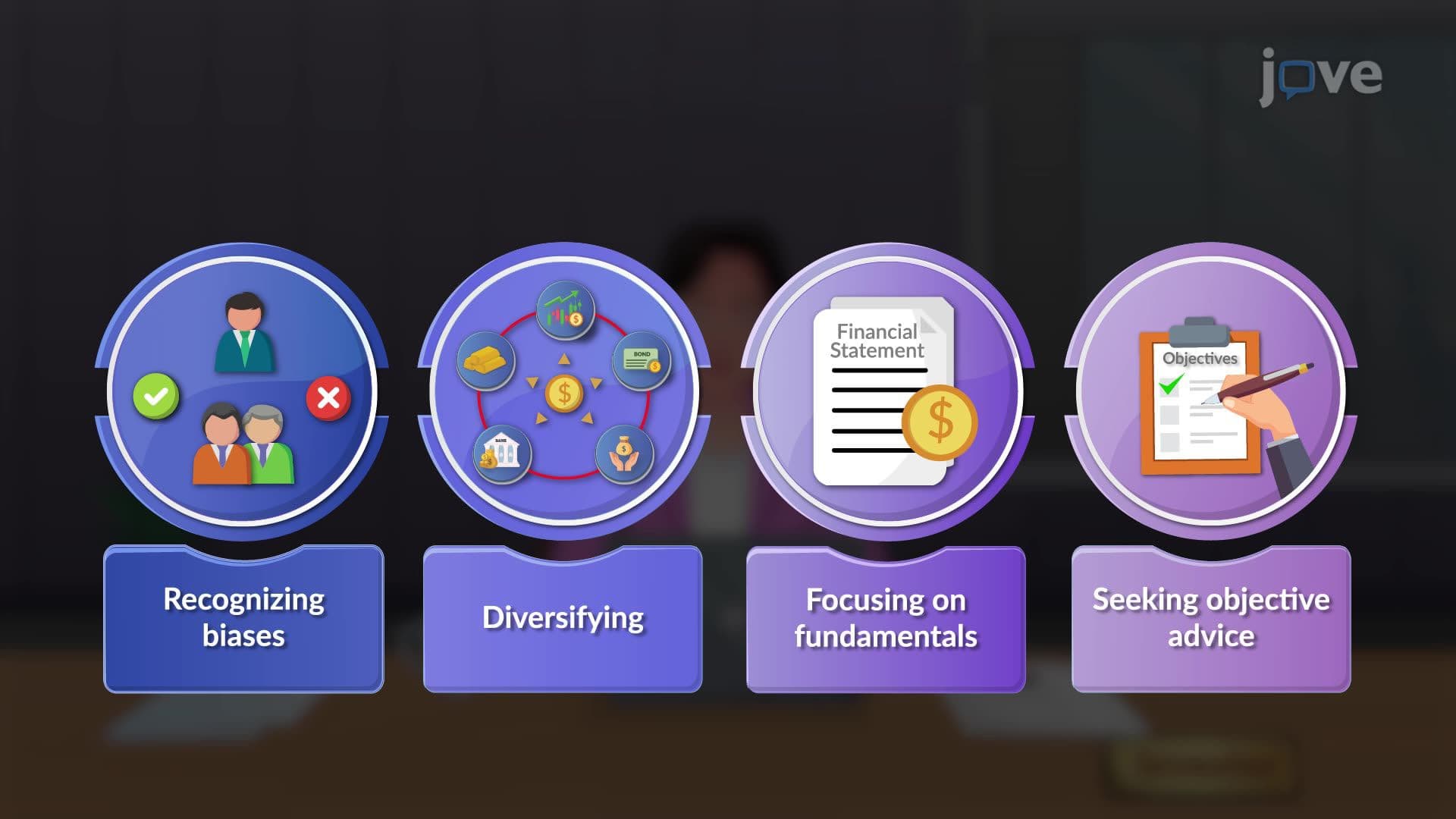
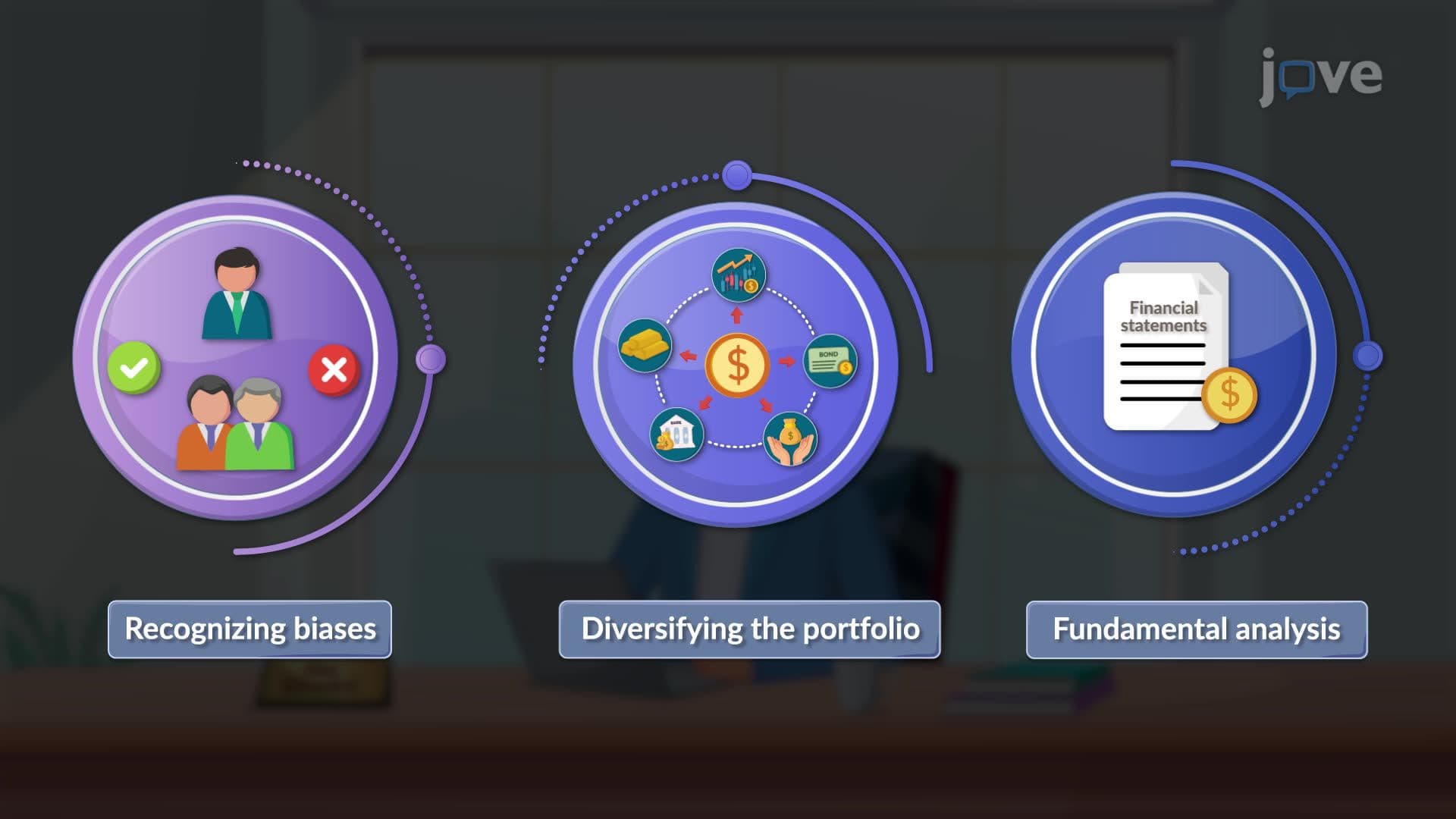
Professional portfolio managers now integrate behavioral insights into their client management strategies. During market stress, clients often exhibit herding behavior, making emotionally-driven decisions that conflict with their long-term financial goals. Vanguard's behavioral coaching approach helps advisors recognize these patterns and guide clients toward more rational decision-making through systematic reframing techniques.
Risk management teams apply behavioral finance principles to stress-testing scenarios, accounting for how human psychology amplifies market volatility. Rather than assuming purely rational responses to market events, sophisticated models now incorporate behavioral factors that better predict actual investor and corporate responses.
Corporate leaders leverage behavioral finance insights to design more effective incentive systems and organizational structures. Microsoft's employee stock purchase programs account for mental accounting tendencies, while their performance review processes minimize recency bias through structured evaluation frameworks. Understanding these psychological drivers enables more effective change management, pricing strategies, and stakeholder communications that align with how people actually make financial decisions rather than how traditional theory suggests they should.
Related Micro-courses