Loading subject page…


3,690 views

Video Summary: What Is Individual Investor Portfolios
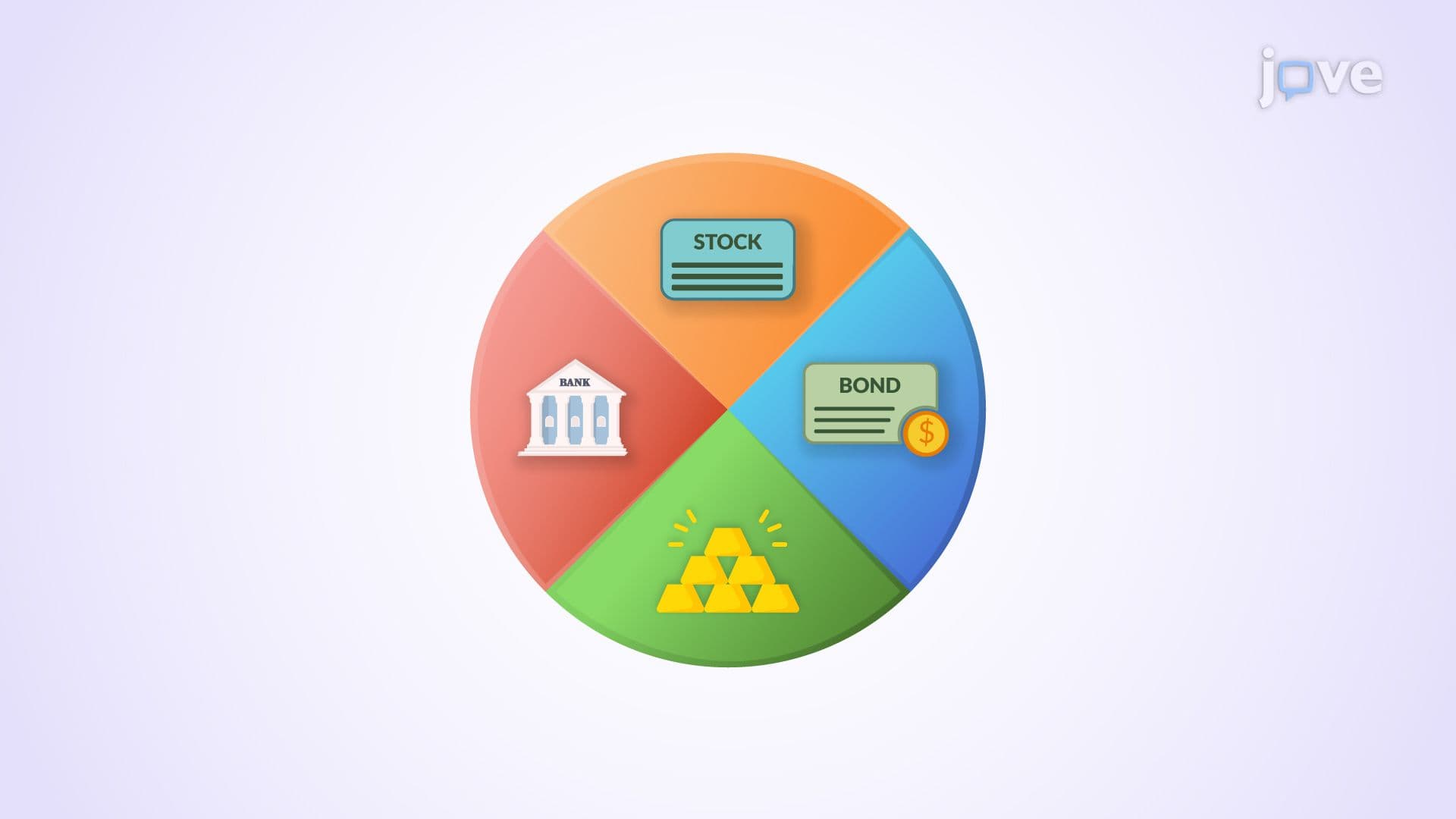
When Fidelity's retail investors panicked during the March 2020 market crash, selling at massive losses before the subsequent recovery, it highlighted a critical gap in individual investor portfolios management. Individual investor portfolios encompass the strategic mix of stocks, bonds, ETFs, and alternative investments that working professionals build to achieve financial goals, but behavioral biases often derail even well-constructed portfolios. Watch the full video on JoVE Coach to master this concept with expert-led visuals and step-by-step explanations.
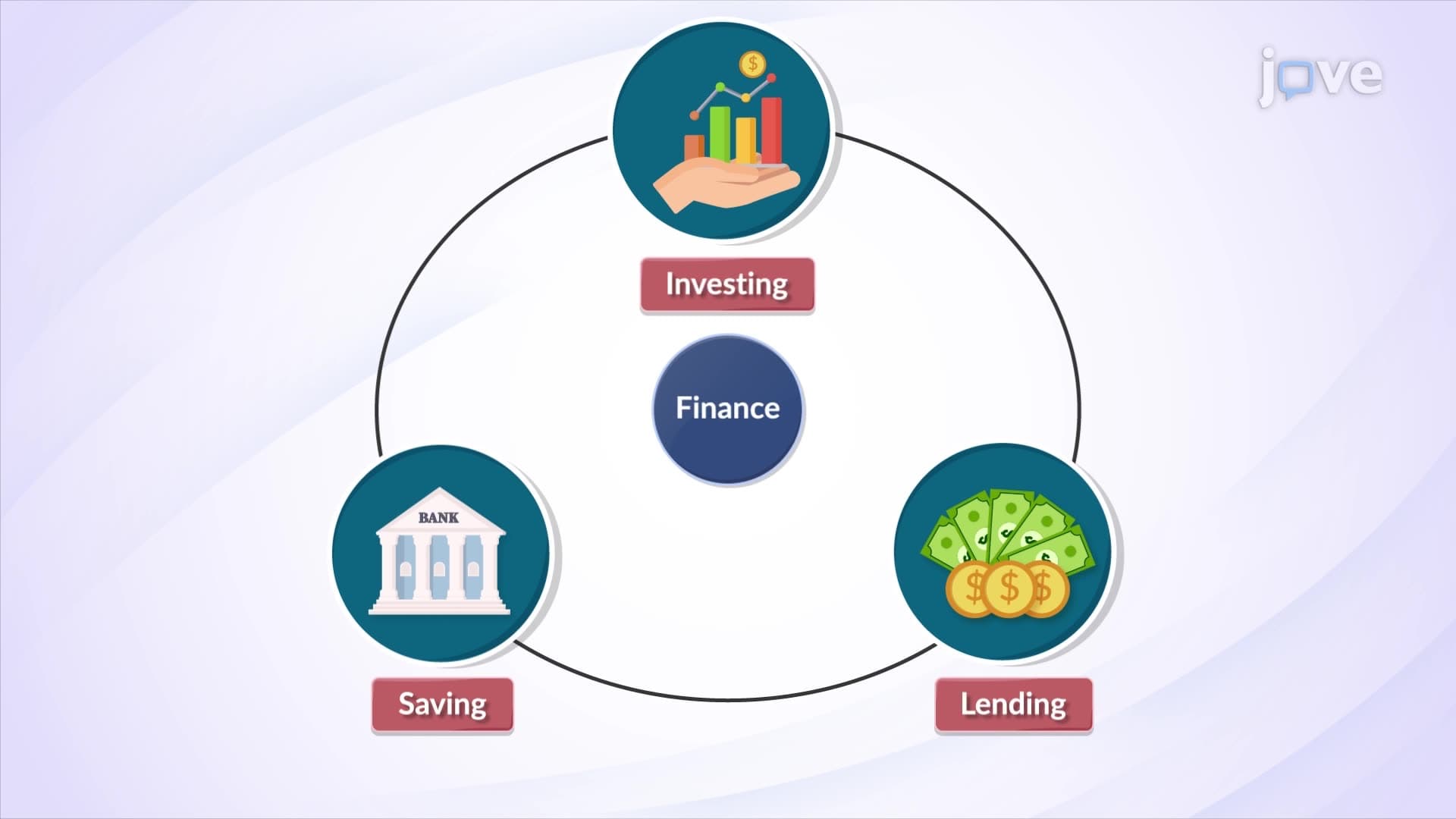
Individual investor portfolios represent far more than a collection of securities-they're strategic financial instruments that working professionals use to build wealth, fund major life events, and secure retirement. Unlike institutional portfolios managed by teams of analysts, individual investor portfolios require personal discipline and behavioral awareness to succeed.
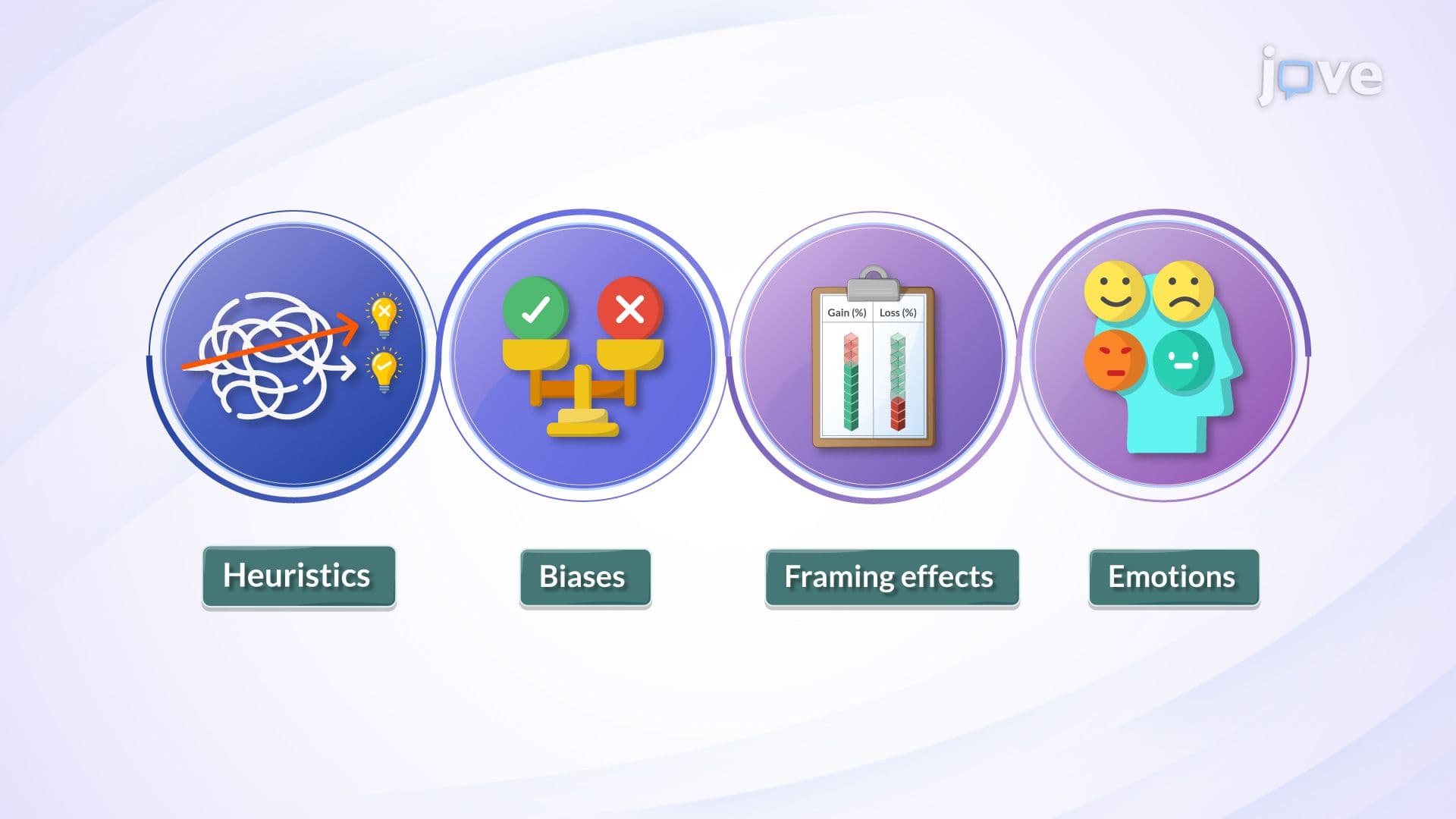
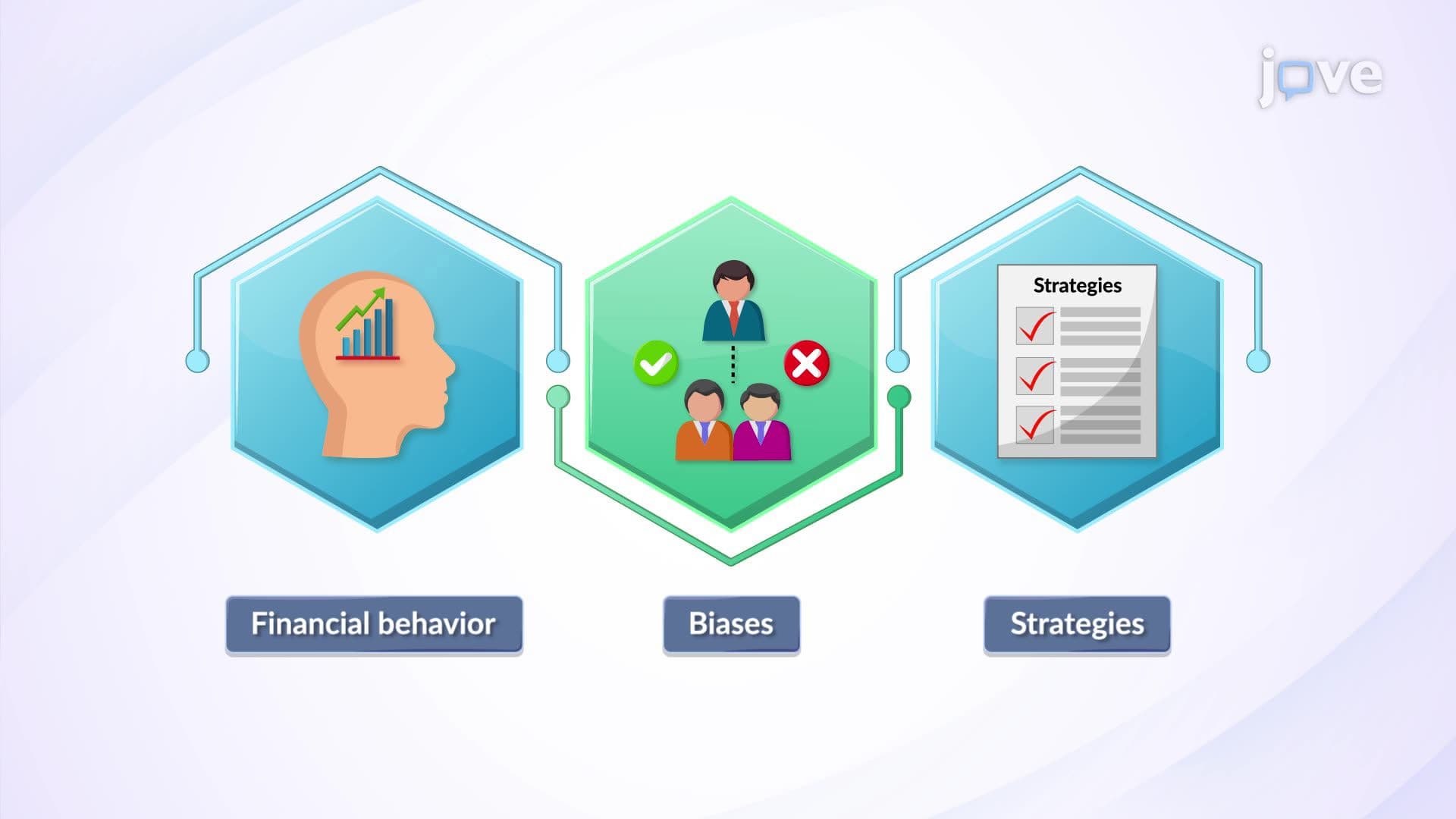
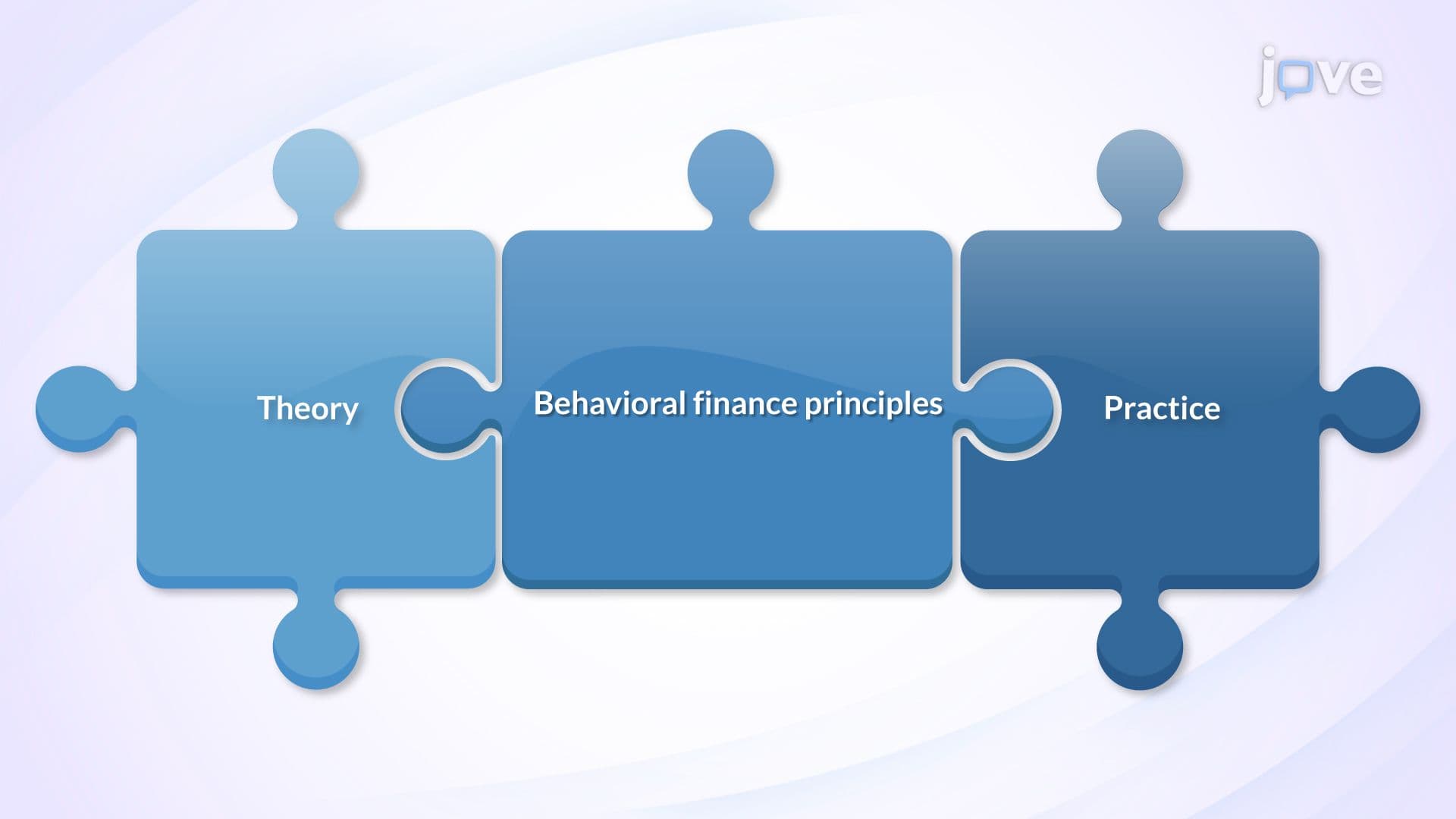
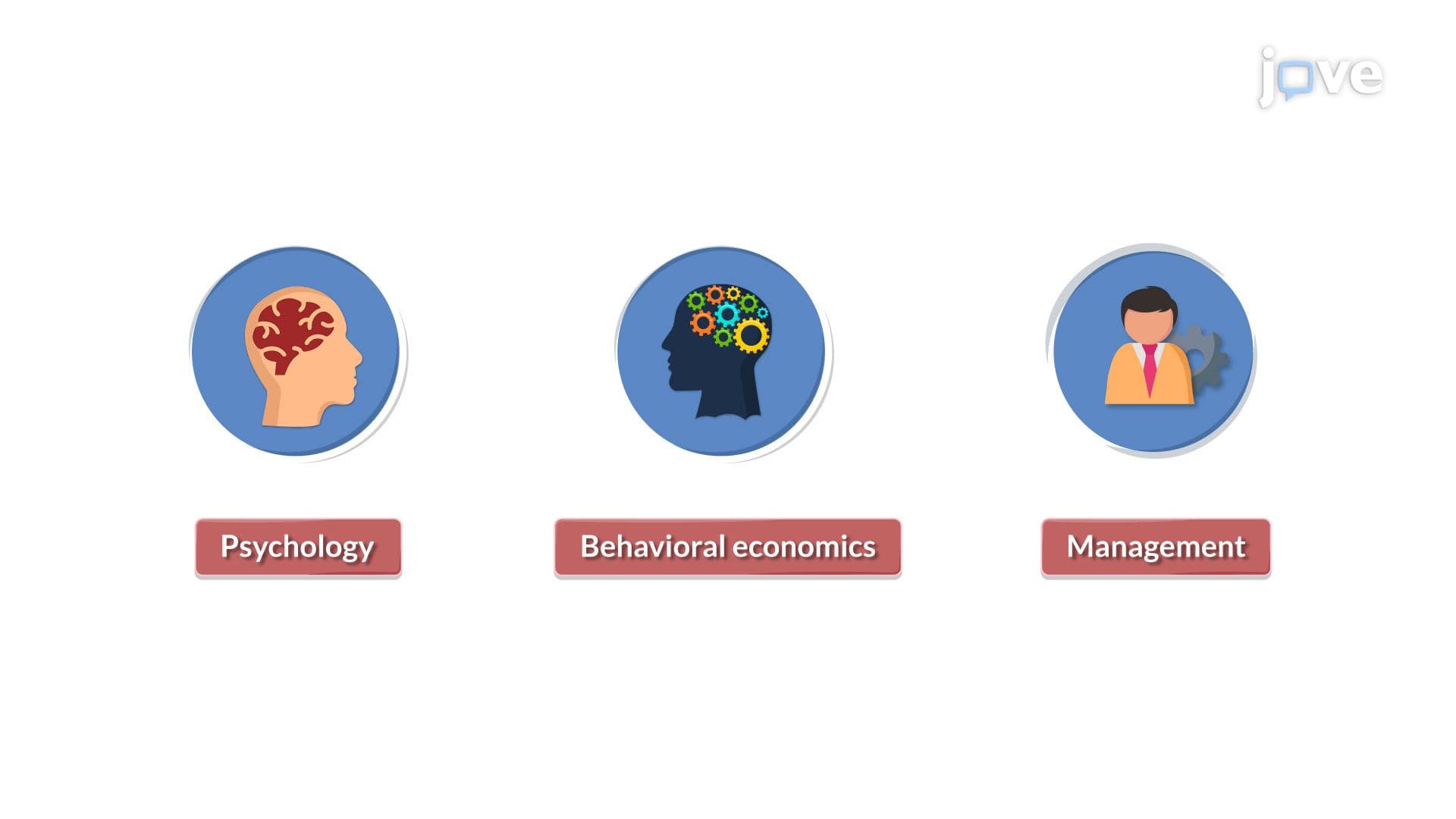
The integration of Behavioral Portfolio Management (BPM) with traditional Modern Portfolio Theory has become essential for professional success. Consider Charles Schwab's research showing that emotional trading costs the average investor 1.5-2% annually in returns. BPM acknowledges that even sophisticated professionals make suboptimal decisions under stress. When Goldman Sachs executives diversify their personal holdings despite deep industry knowledge, they're applying BPM principles-recognizing that expertise doesn't eliminate emotional bias.
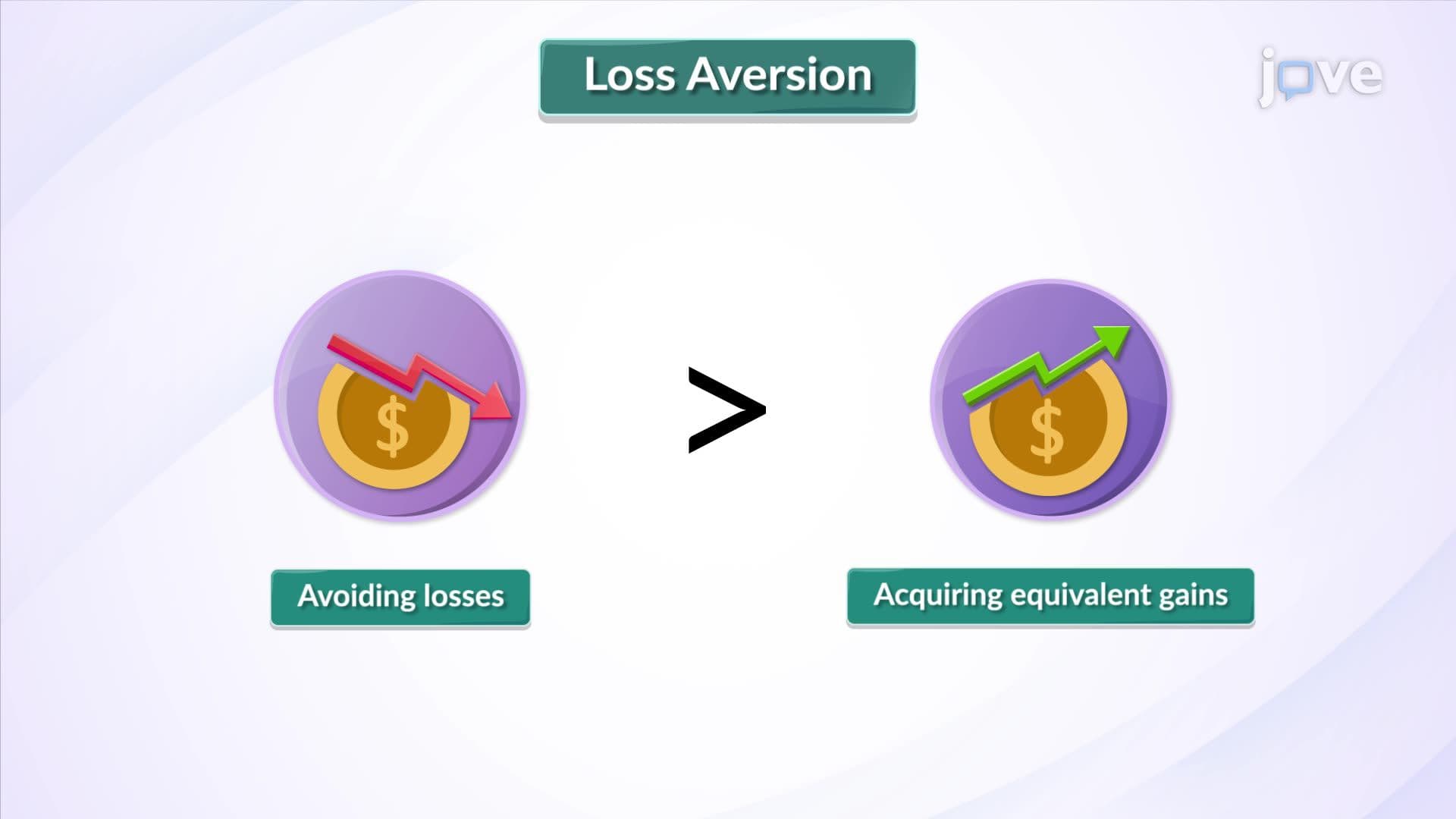
Loss aversion particularly impacts high-earning professionals who view market losses as personal failures. During the 2008 financial crisis, many Wall Street professionals liquidated personal positions at exactly the wrong time, despite understanding market cycles intellectually. Overconfidence bias similarly affects successful entrepreneurs who concentrate wealth in familiar sectors or their own companies, creating dangerous exposure levels.
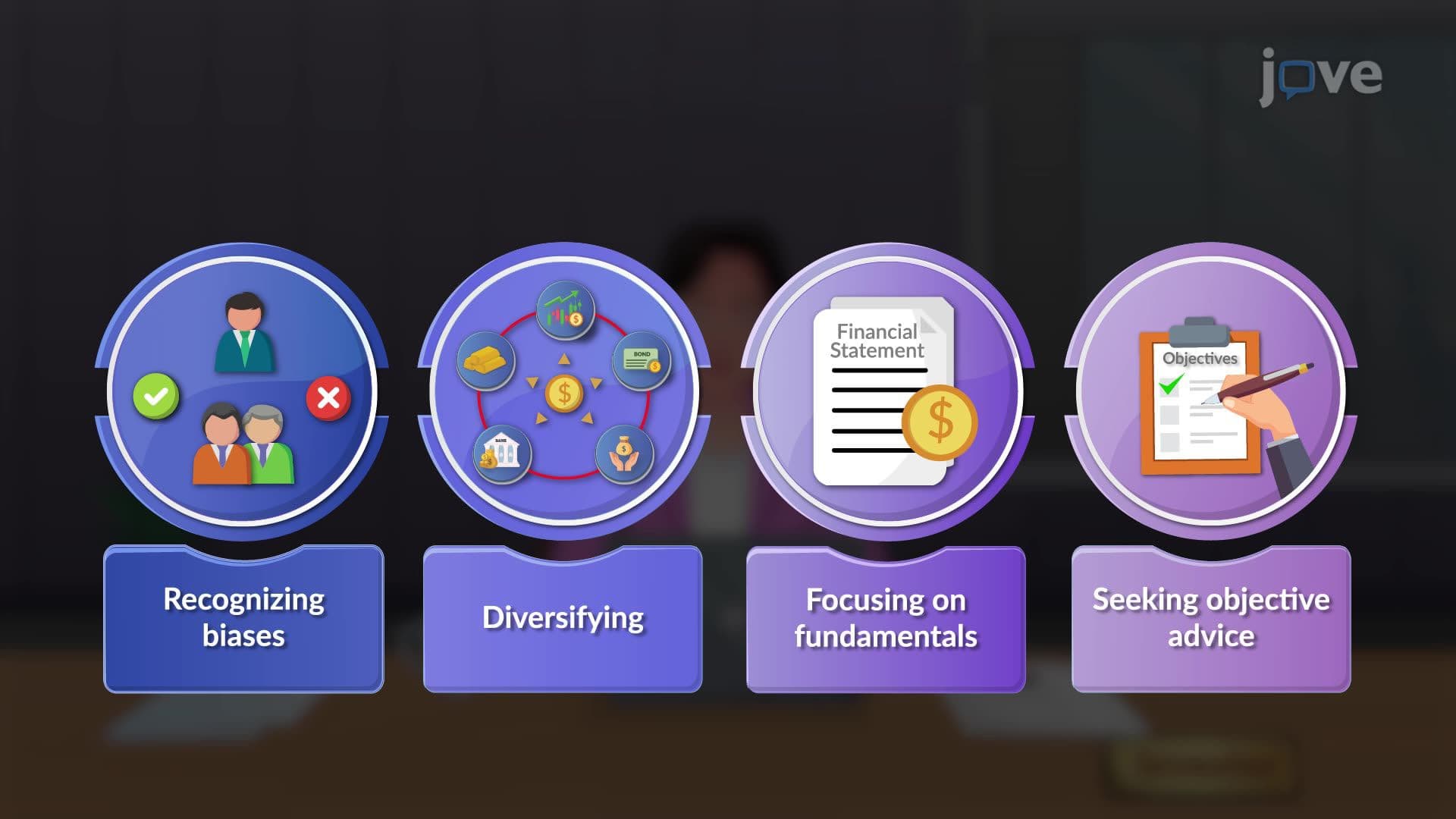
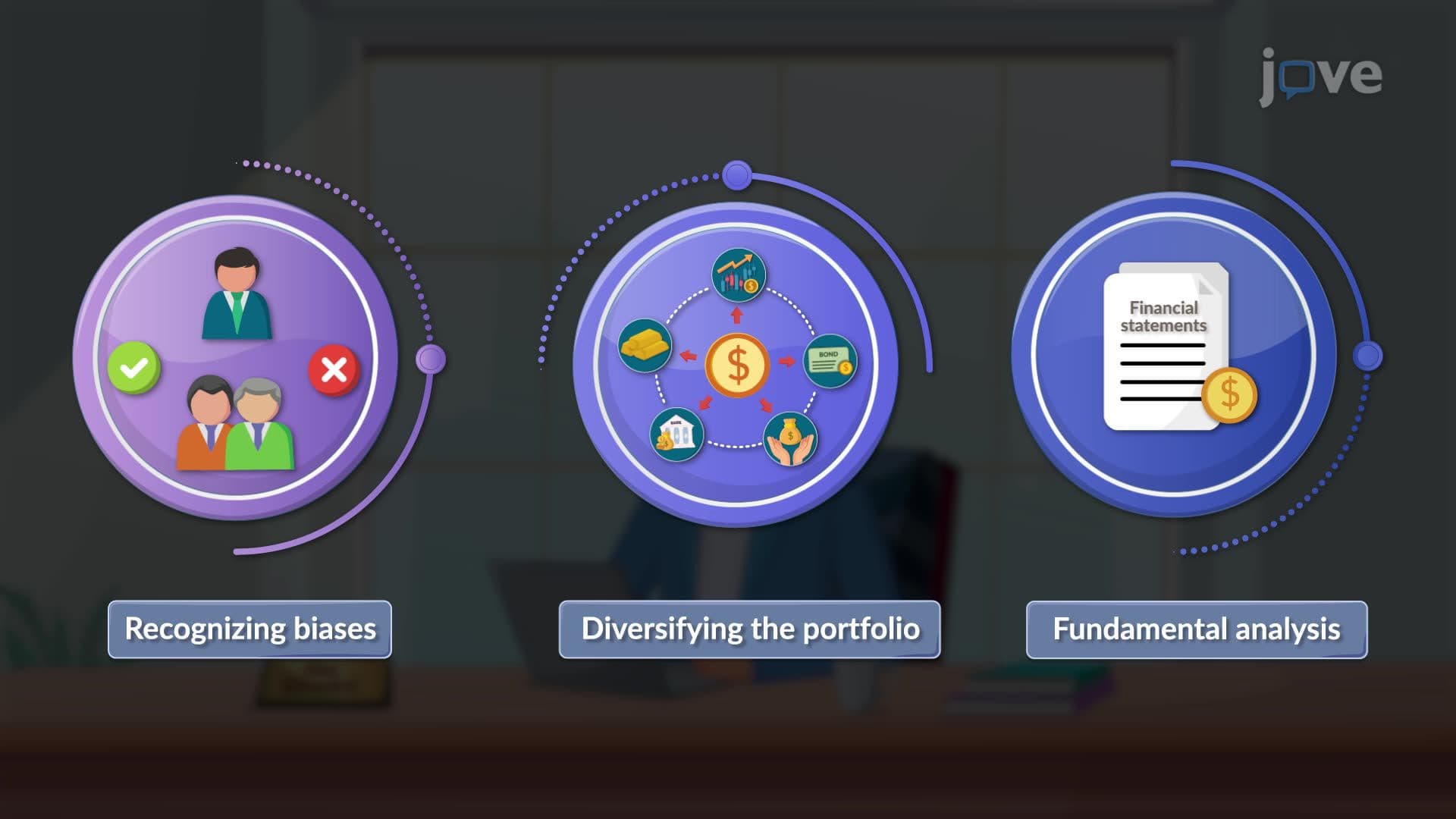
Effective individual investor portfolios require systematic approaches that account for psychological tendencies. This includes automated rebalancing to prevent emotional tampering, diversification across uncorrelated assets, and predetermined exit strategies that remove discretionary decision-making during volatile periods. Morgan Stanley's wealth management division emphasizes these structural safeguards because they understand that even their most sophisticated clients benefit from behavioral constraints built into their investment process.
Related Micro-courses