Loading subject page…


3,690 views

Video Summary: What Is Individual Investor Trading
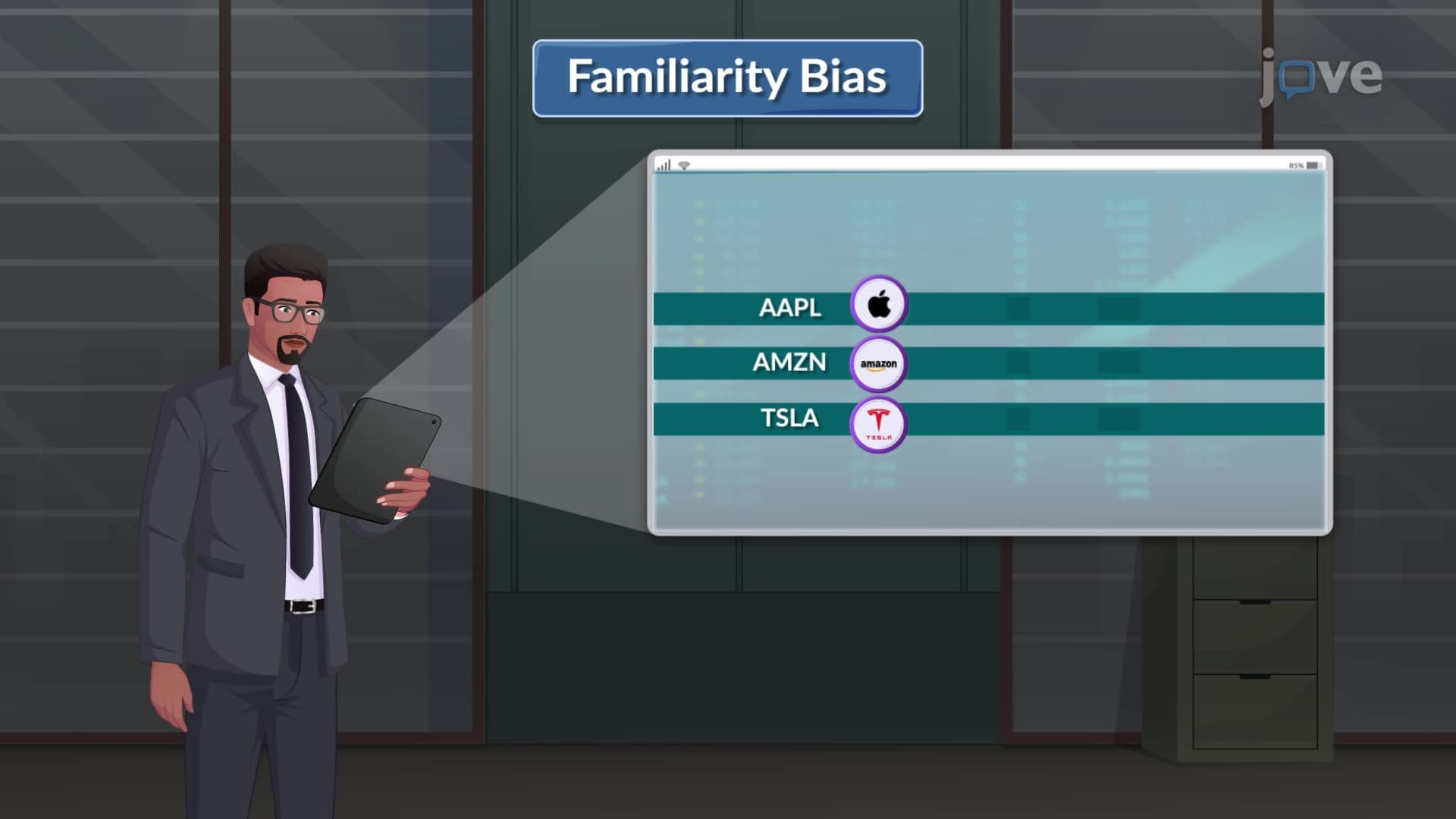
Individual investor trading drives significant market volatility, with retail investors controlling over $35 trillion in US household wealth. Understanding what is individual investor trading becomes critical when psychological biases-overconfidence, loss aversion, and herd mentality-can derail investment strategies and portfolio performance. Companies like Tesla have seen dramatic price swings driven by individual investor sentiment and social media influence. Watch the full video on JoVE Coach to master this concept with expert-led visuals and step-by-step explanations.
Consider the GameStop phenomenon of 2021: millions of individual investors coordinated through social media platforms to drive unprecedented volatility in financial markets. This event perfectly illustrates the power and pitfalls of individual investor trading-the practice of private individuals making independent investment decisions outside of institutional frameworks.
Individual investor trading has evolved dramatically with the rise of zero-commission brokerages like Robinhood and sophisticated mobile trading platforms. Today's retail investors control substantial market influence, yet they frequently fall victim to the same psychological traps that have plagued individual decision-making for decades.
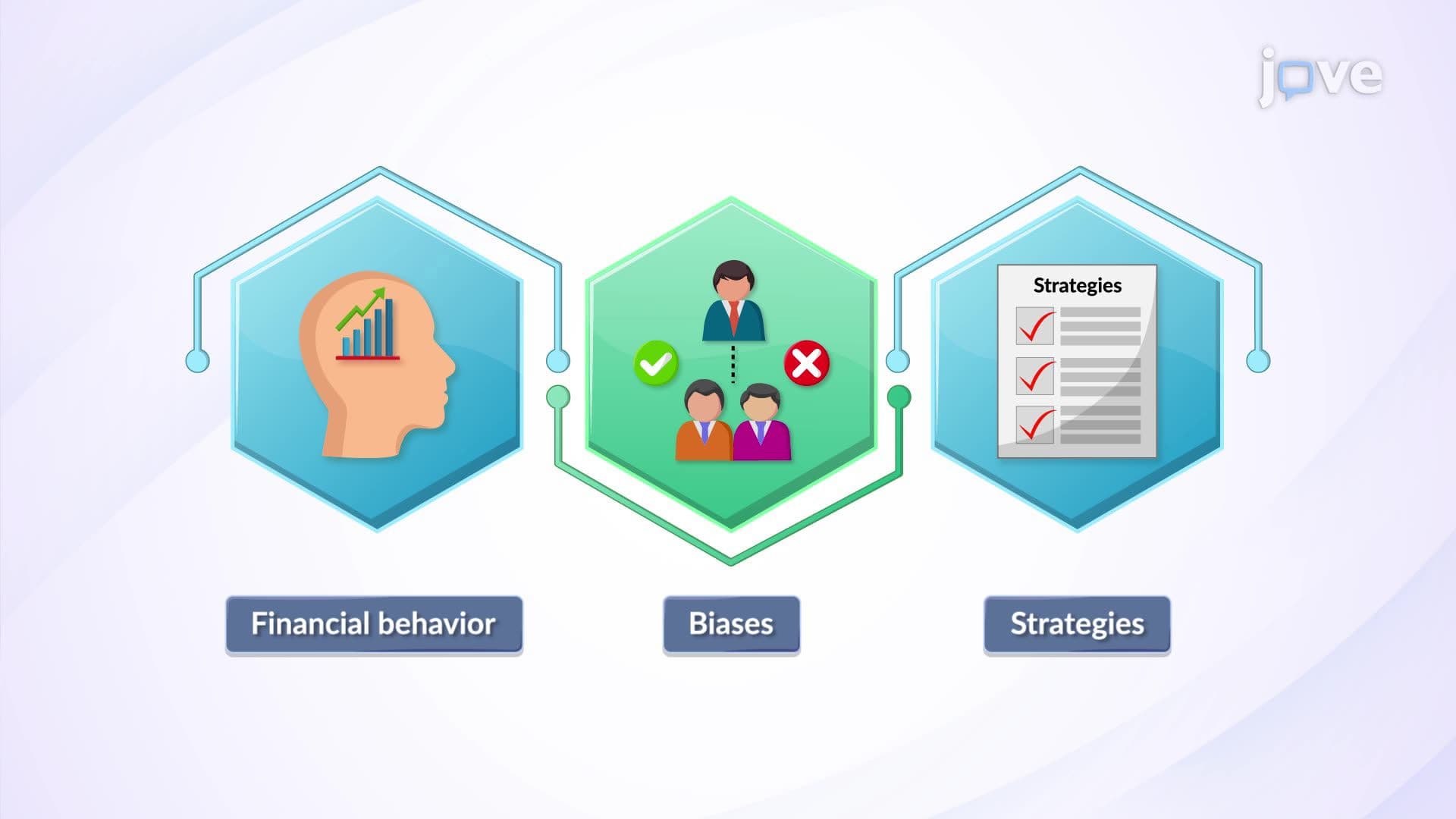
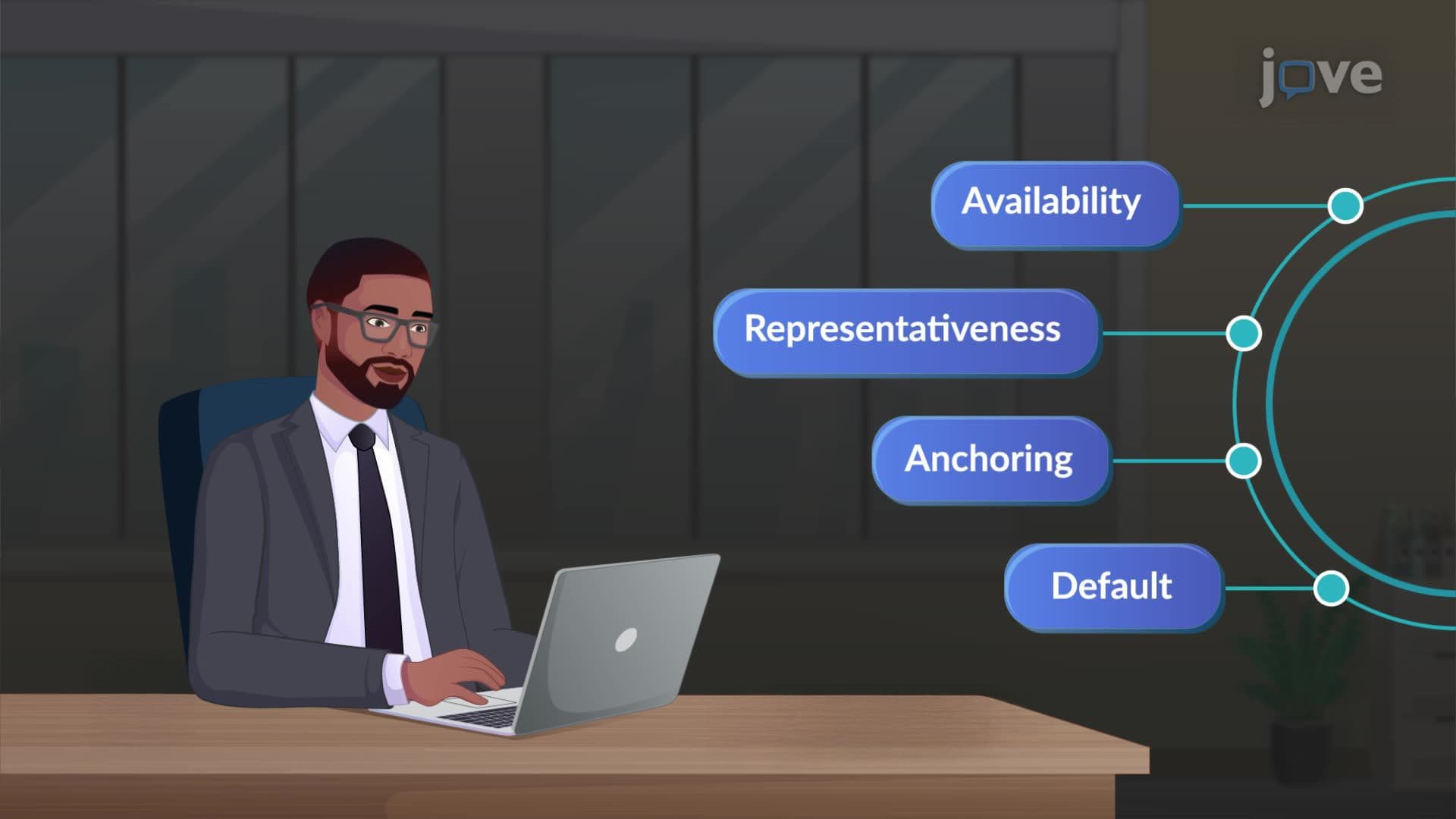
Behavioral finance research reveals that individual investors consistently underperform market indices due to systematic cognitive biases. Overconfidence bias leads traders to believe they possess superior market insights, resulting in excessive trading frequency and reduced returns. Studies show that the most active individual traders underperform the market by approximately 6.5% annually.
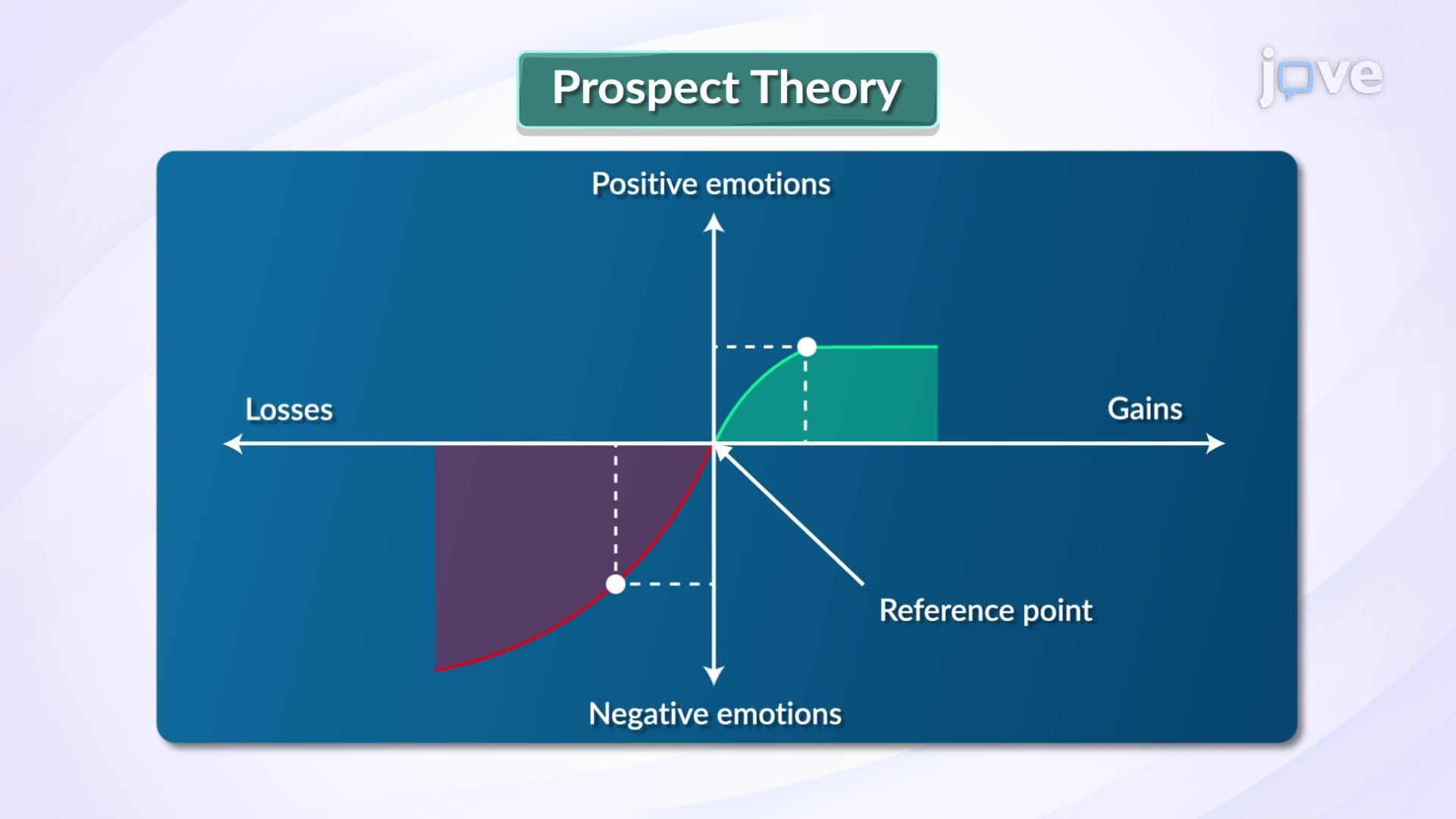
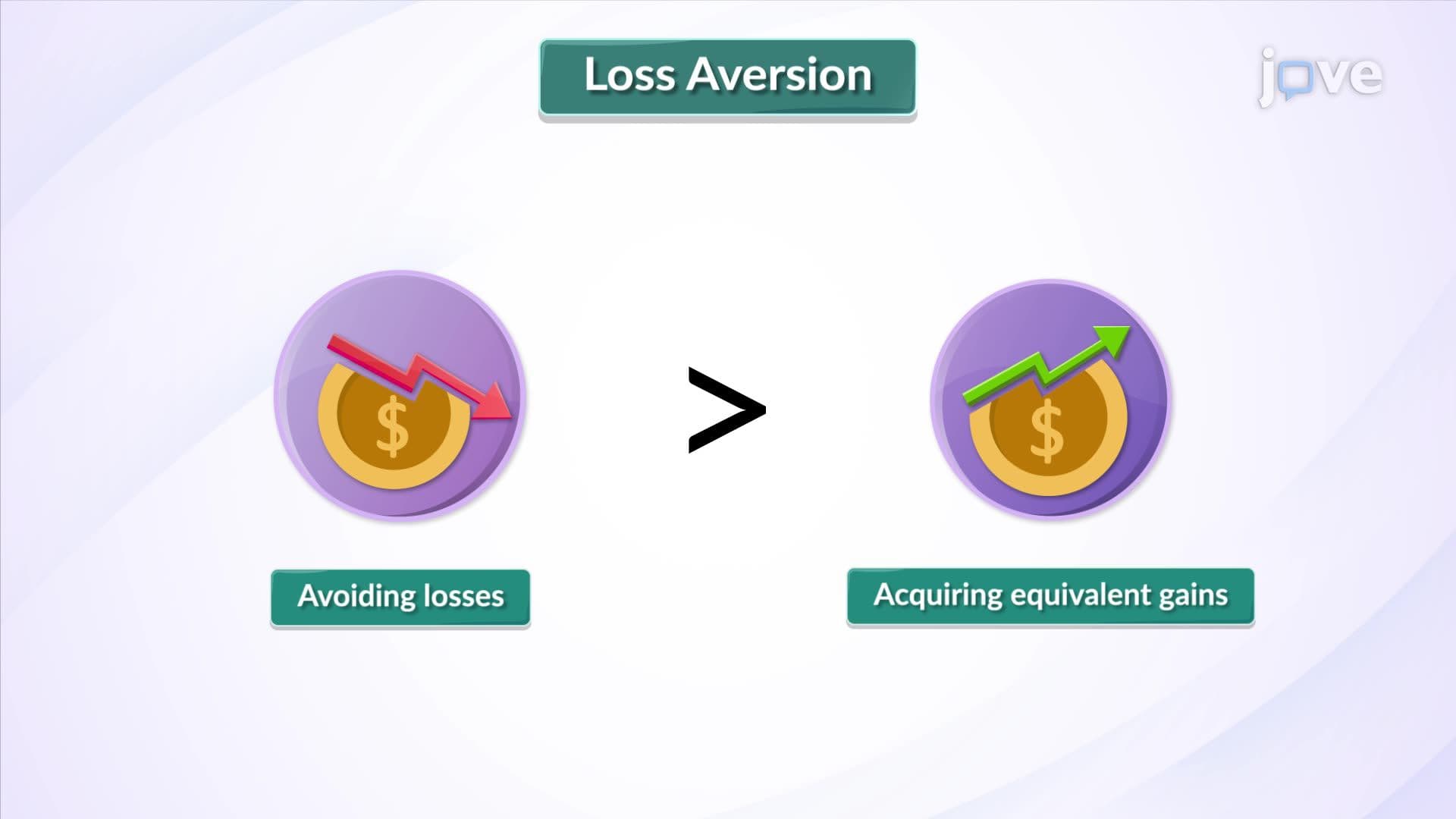
Loss aversion-the tendency to feel losses more acutely than equivalent gains-creates a destructive cycle of holding losing positions too long while selling winners too early. This bias explains why individual investors often achieve the opposite of the investment axiom "buy low, sell high."
The democratization of trading has created new market dynamics that affect institutional investors and corporate finance strategies. Companies like AMC Entertainment and Bed Bath & Beyond have experienced extreme valuation swings driven primarily by retail investor sentiment rather than fundamental business performance.
For finance professionals, understanding individual investor behavior becomes crucial for IPO pricing, earnings guidance, and investor relations strategies. Companies must now consider retail investor psychology alongside institutional investor analysis when making capital allocation decisions.
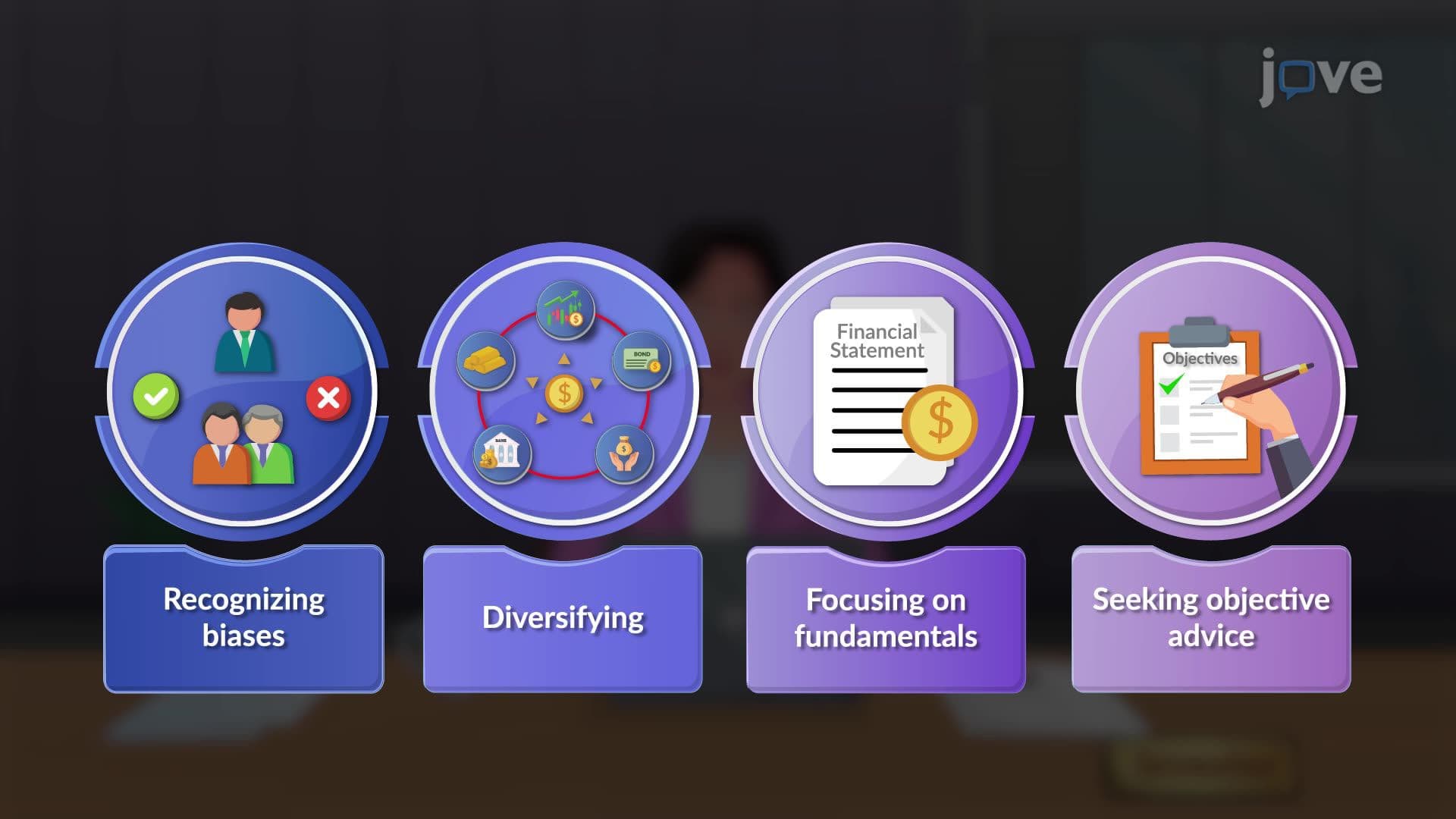
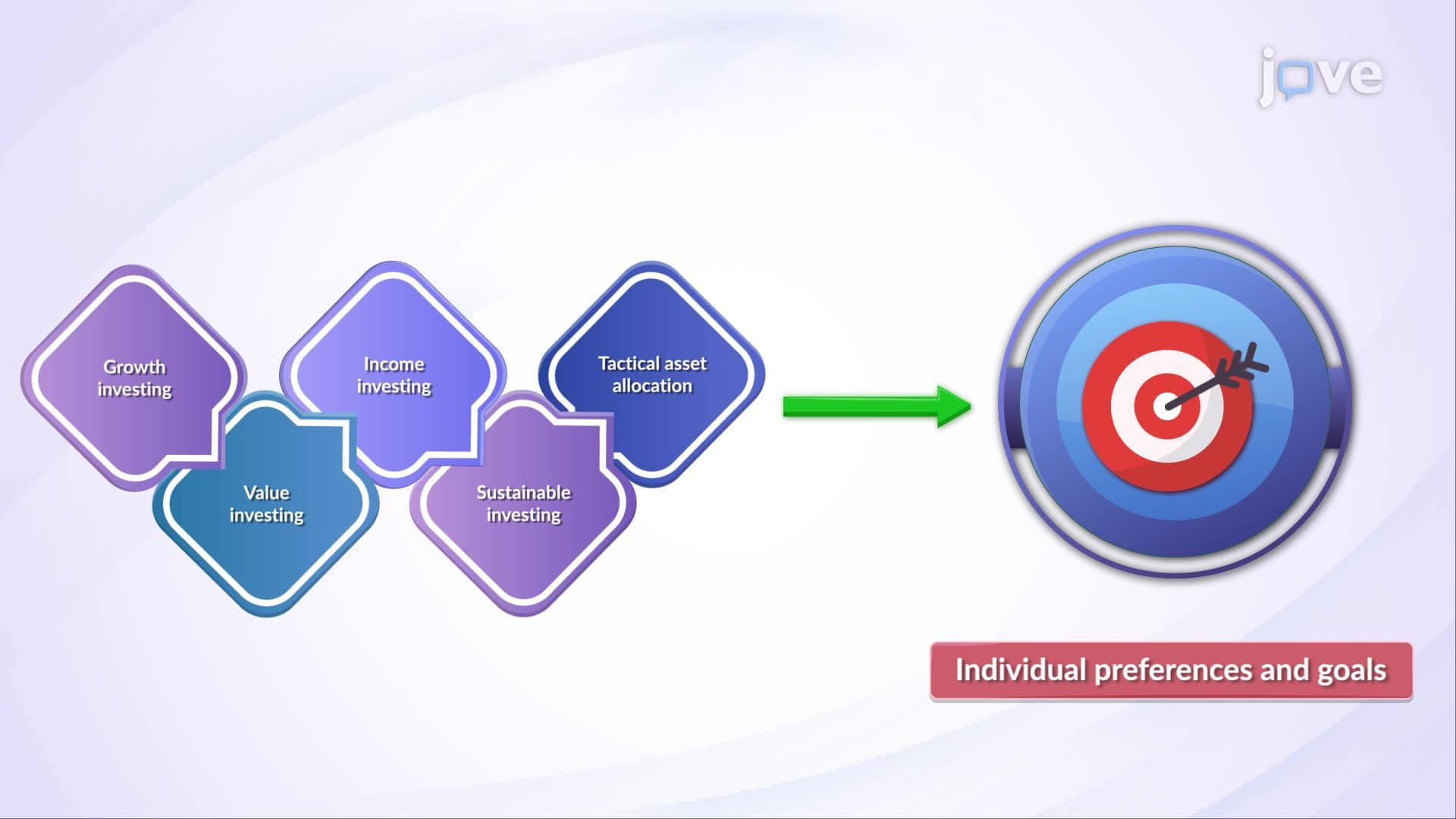
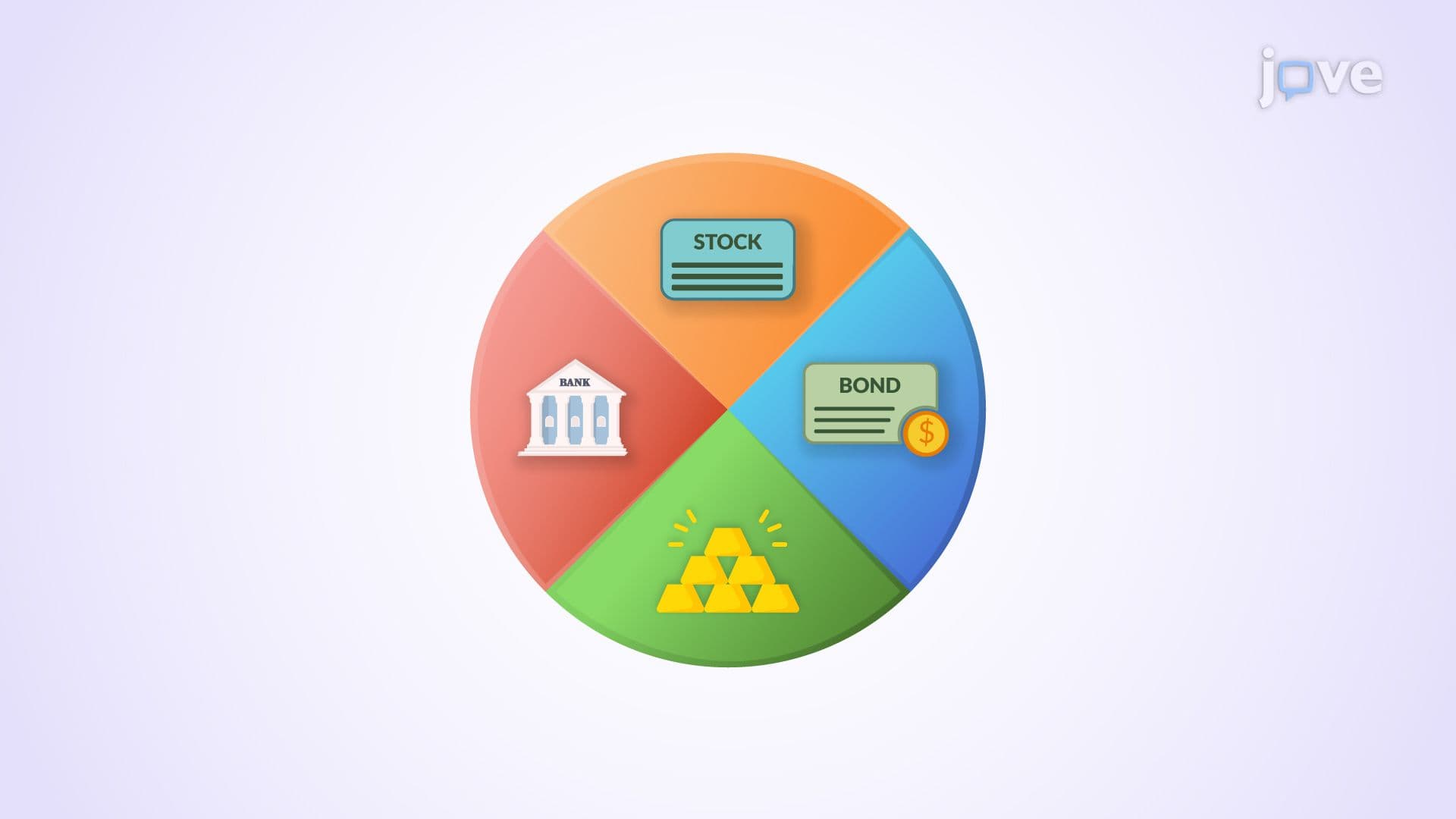
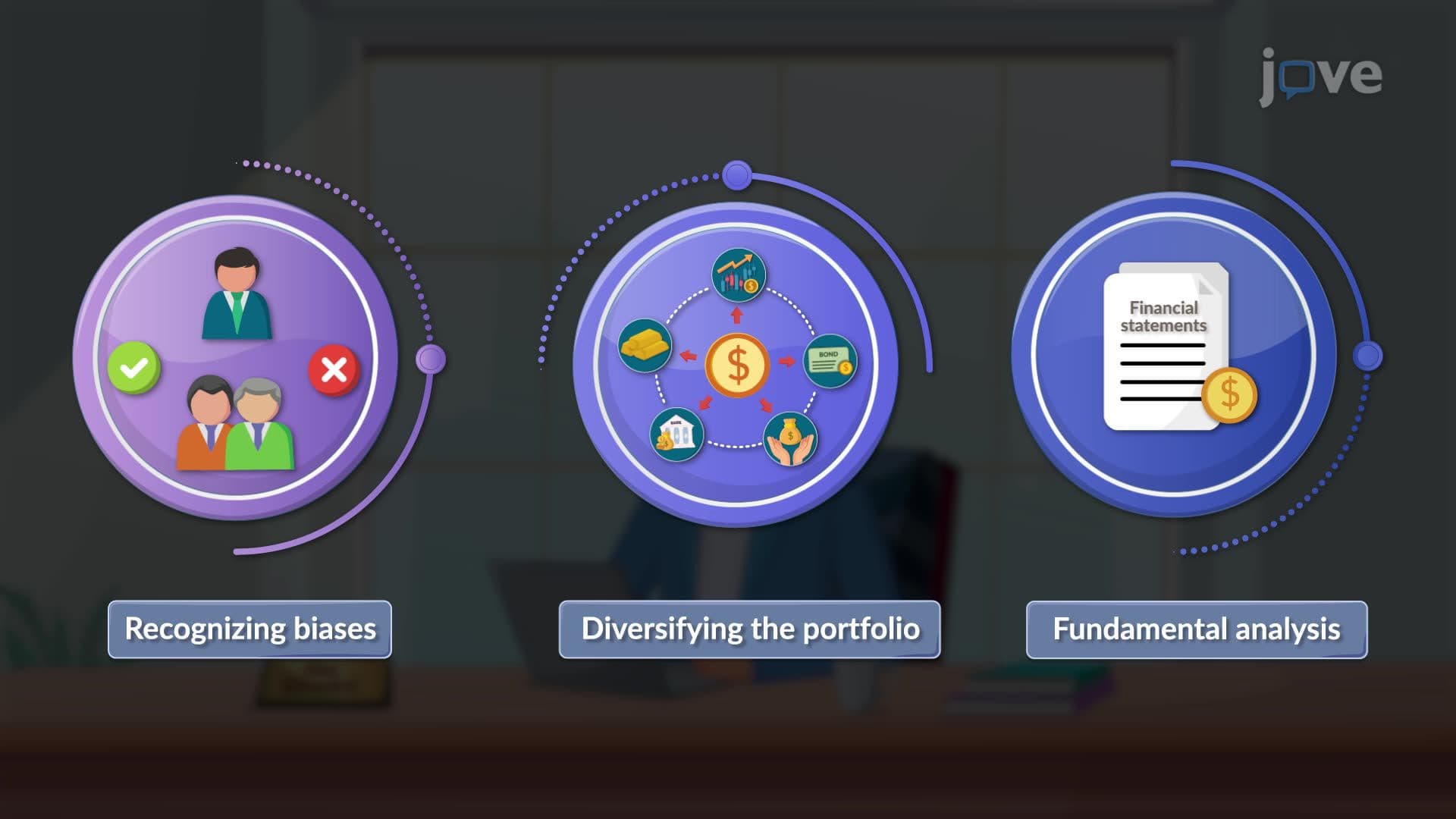
Successful individual investor trading requires systematic approaches that counteract emotional decision-making. Professional investors implement strict position sizing rules, predetermined exit strategies, and diversification protocols to mitigate behavioral biases.
The most effective individual investors adopt institutional-style investment processes: conducting thorough fundamental analysis, maintaining investment thesis documentation, and regularly reviewing portfolio performance against benchmark indices. This disciplined approach transforms emotional trading into strategic wealth building.
Related Micro-courses