Loading subject page…

- Finance
- Behavioral Finance
- Institutional Investors
Micro-course: Behavioral Finance
3,690 views
Learn key concepts and earn your certificate.















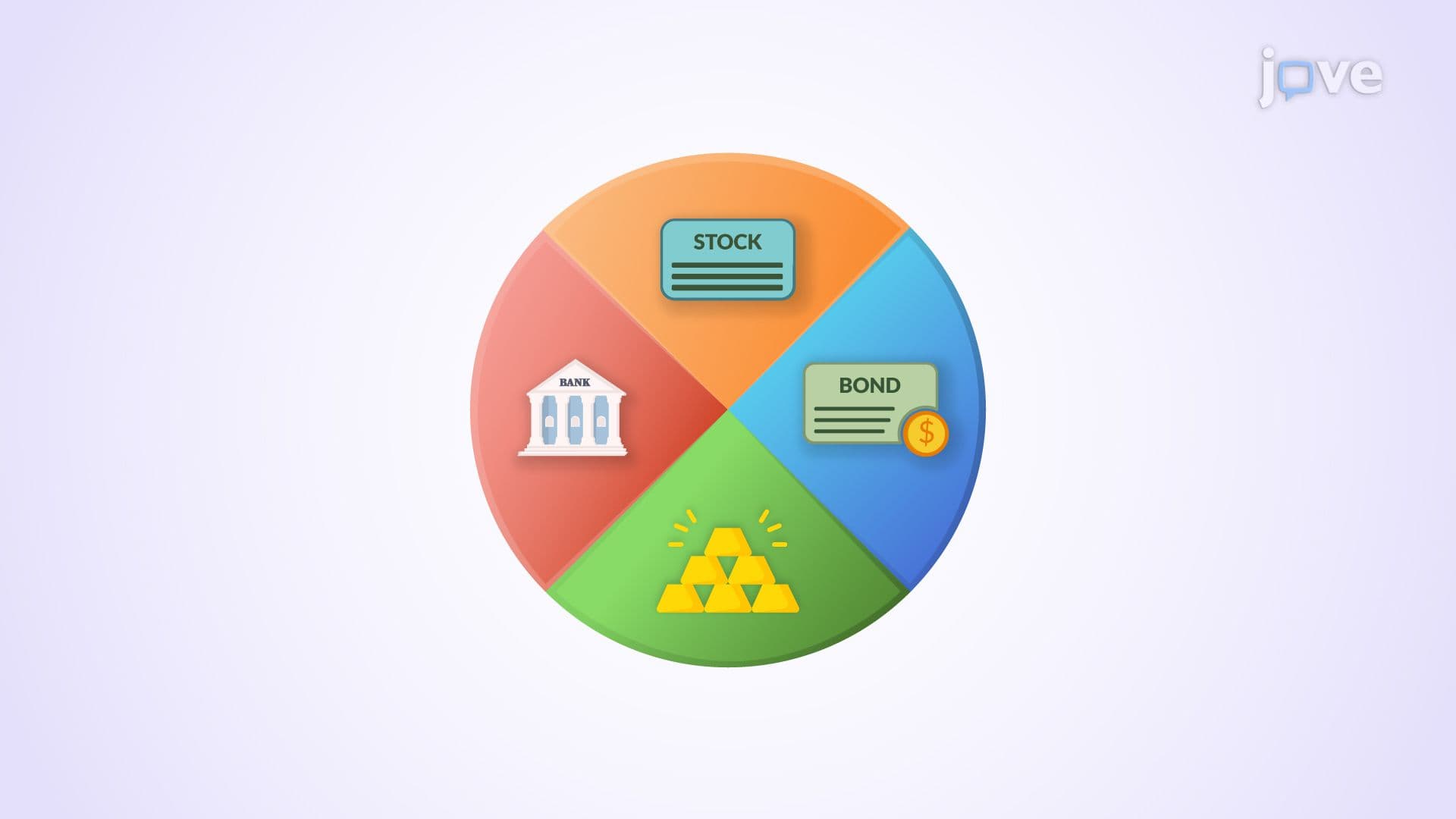


Institutional Investors


00:00
01:25
Video Summary: What Is Institutional Investors
Institutional investors control trillions in assets, yet their behavioral biases can create massive market disruptions that impact corporate valuations and business funding. These large-scale investors-including pension funds like CalPERS-demonstrate how even sophisticated market participants fall prey to herding behavior and overconfidence, as seen during the 2008 mortgage-backed securities crisis. Understanding what is institutional investors and their decision-making patterns is crucial for executives navigating capital markets and strategic planning. Watch the full video on JoVE Coach to master this concept with expert-led visuals and step-by-step explanations.
- Analyze institutional investor behavior patterns to anticipate market movements that affect corporate financing and strategic timing decisions
- Evaluate how herding behavior among large investors creates market bubbles and volatility that impacts business valuations and IPO timing
- Identify overconfidence bias signals in institutional investment trends to better position your company's fundraising and acquisition strategies
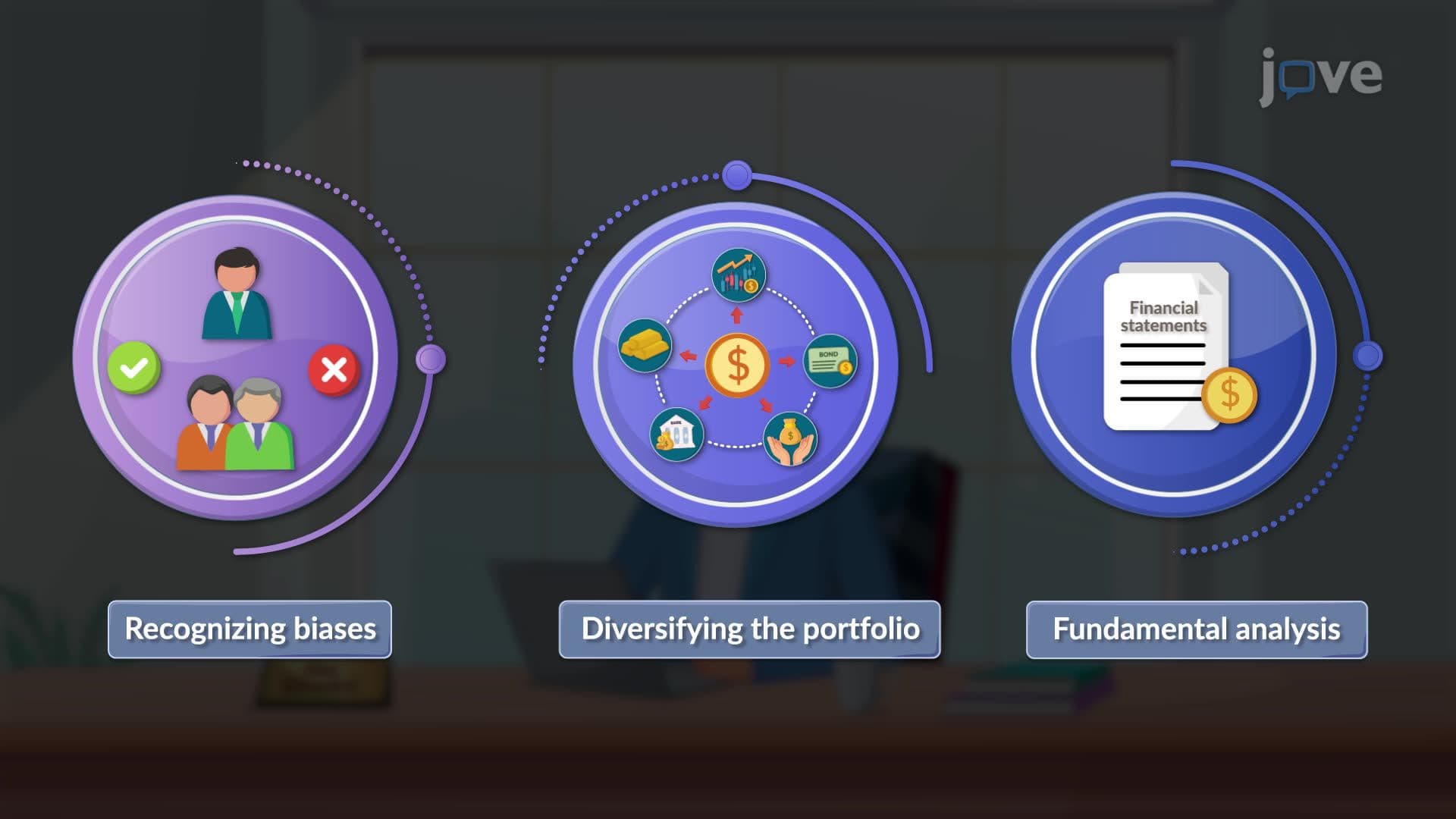
- Apply behavioral finance insights to improve capital allocation decisions and risk management frameworks within your organization
- Assess institutional investor influence on your industry's asset prices and liquidity to optimize treasury management and cash flow planning
- Leverage understanding of institutional biases to enhance due diligence processes during M&A transactions and partnership evaluations
- Implement risk management strategies that account for institutional investor behavioral patterns affecting market stability
Understanding Institutional Investors in Today's Market
When Berkshire Hathaway's Warren Buffett shifts billions between sectors, or when BlackRock adjusts its S&P 500 allocations, entire markets respond. These institutional investors-pension funds, insurance companies, mutual funds, and endowments-collectively manage over $100 trillion globally and represent the backbone of modern capital markets. For business leaders, understanding their behavior patterns isn't academic theory-it's strategic intelligence that affects everything from IPO timing to debt financing costs.
The Scale and Scope of Institutional Capital
Major institutional investors like the California Public Employees' Retirement System (CalPERS) manage $440+ billion, while Vanguard oversees $8+ trillion in assets. This concentration of capital means that institutional decisions ripple through entire industries. When these investors pivot toward ESG investing or shift from growth to value stocks, they don't just follow trends-they create them. For executives, this translates to real P&L impact: a single institutional reallocation can affect your company's cost of capital by hundreds of basis points.
Behavioral Biases That Move Markets
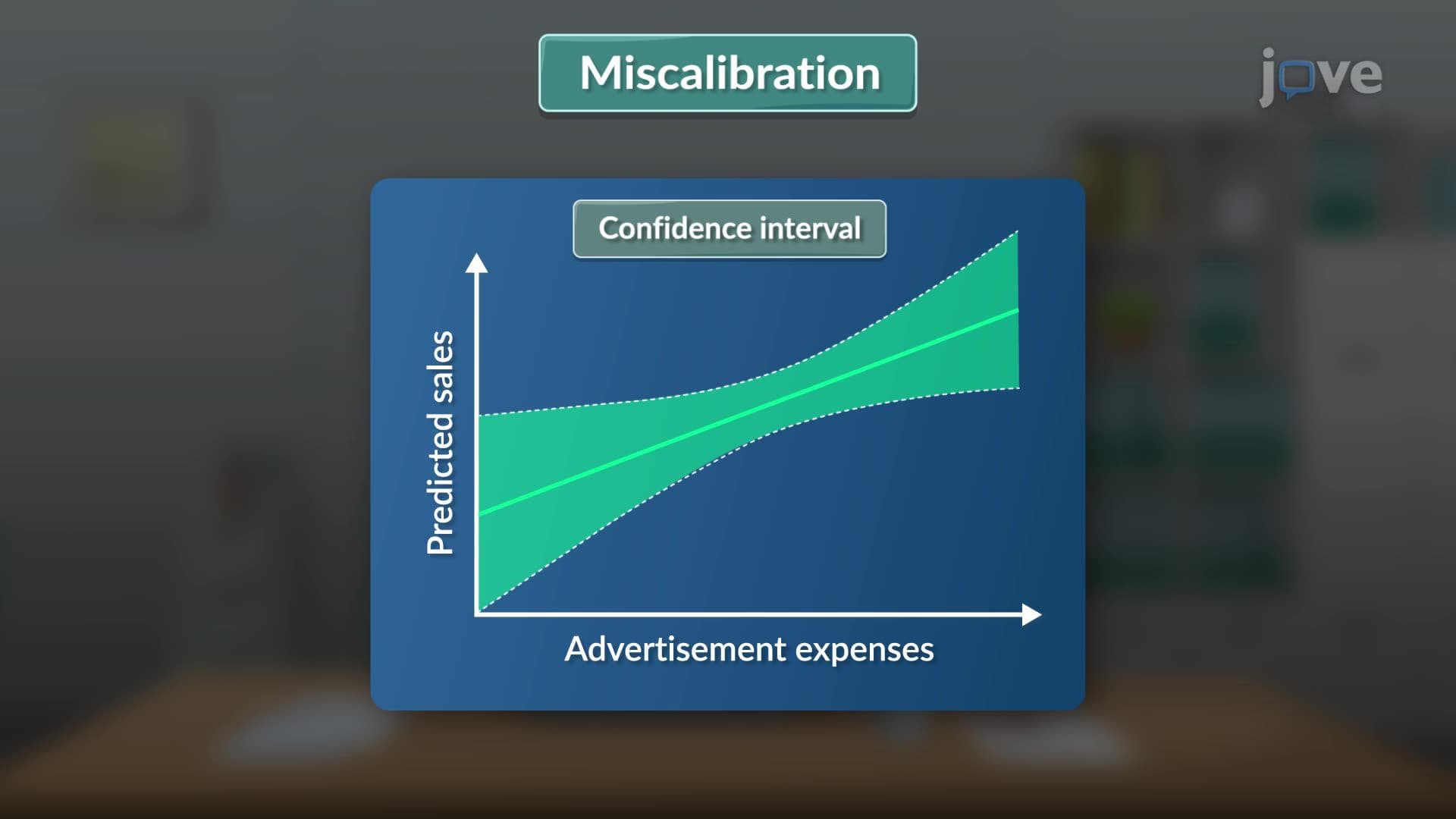
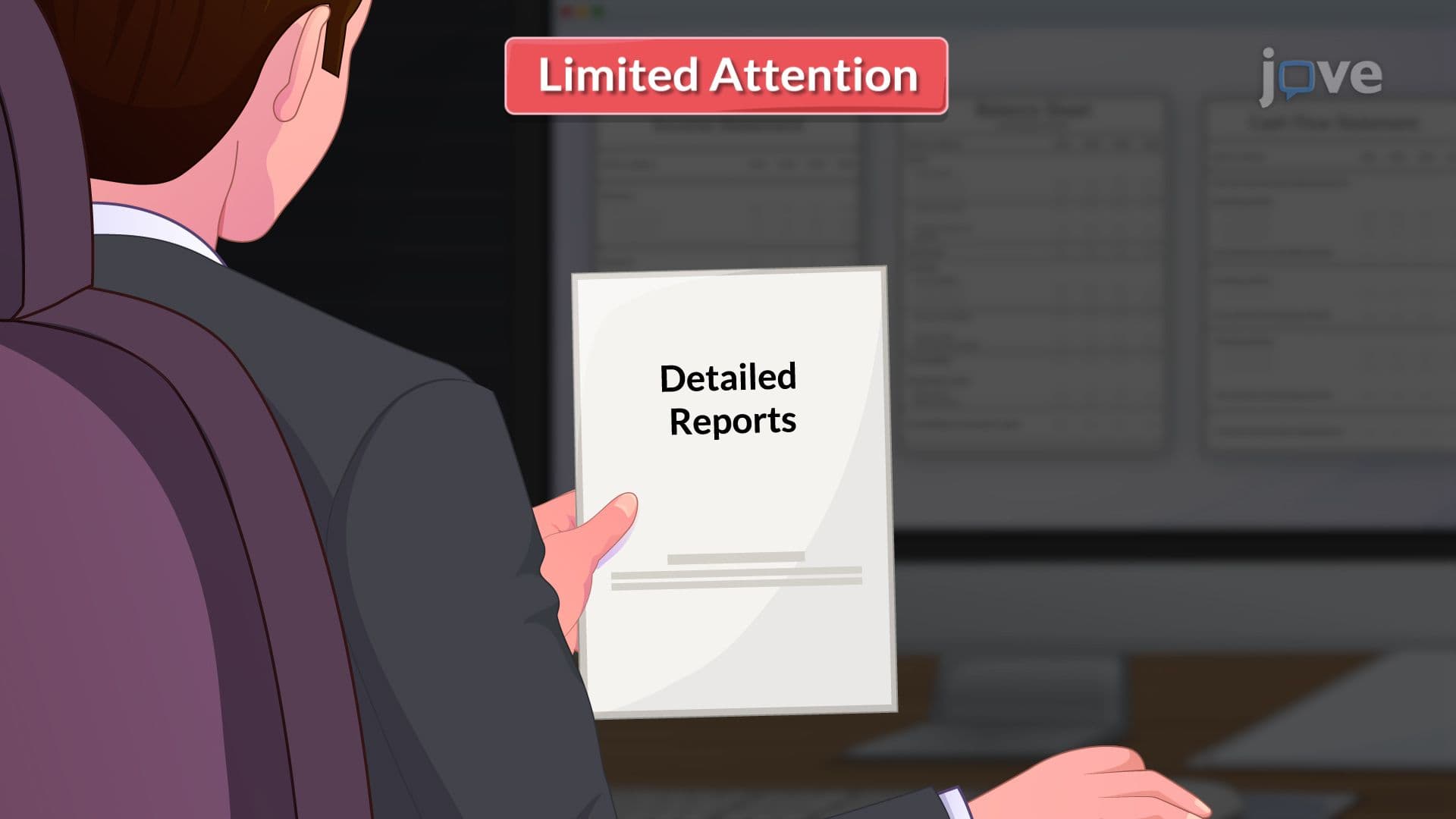
Despite sophisticated quantitative models and armies of analysts, institutional investors remain susceptible to the same cognitive biases that affect individual decision-makers. Herding behavior emerges when fund managers follow peer actions rather than independent analysis-often to avoid career risk. The 2008 financial crisis exemplified this dynamic when institutions like AIG and Lehman Brothers continued purchasing mortgage-backed securities because "everyone else was doing it." Overconfidence bias compounds this issue, as successful track records can lead portfolio managers to take excessive risks, assuming past performance predicts future success.
Strategic Implications for Business Leaders
Understanding institutional investor psychology provides competitive advantages in capital allocation and strategic planning. Companies that recognize herding patterns can time equity offerings, debt issuances, and major acquisitions more effectively. Similarly, executives who understand overconfidence cycles can better position their organizations during market bubbles-either by raising capital when institutional appetite is high or by acquiring distressed assets when institutional overconfidence leads to inevitable corrections. This knowledge transforms market volatility from external chaos into strategic opportunity.
Frequently Asked Questions
Institutional investors are organizations that pool large amounts of money to invest in securities, real estate, and other assets on behalf of their members or beneficiaries. These include pension funds like CalPERS, insurance companies like Prudential, and asset managers like Fidelity. They're distinguished from individual investors by their massive scale, professional management, and significant market influence.
Institutional investors' buying and selling decisions directly impact your stock's liquidity, volatility, and valuation multiples. When institutions like BlackRock or State Street increase positions in your sector, it typically drives up prices and reduces borrowing costs. Conversely, institutional selling pressure can make equity financing more expensive and debt harder to access, affecting your strategic growth plans.
Absolutely, but strategically rather than reactively. Monitor institutional flow data to time major capital market activities like IPOs, bond issuances, or share buybacks. Use their herding tendencies to your advantage-when institutions are oversold on your sector, it's often an optimal time for acquisitions or organic expansion while competitors struggle with capital constraints.
Recognizing when institutional investors are exhibiting herding behavior or overconfidence helps you identify mispriced assets and optimal transaction timing. During periods of institutional overconfidence, asset prices inflate-making it better to sell divisions or go public. During herding-driven sell-offs, acquisition targets become available at significant discounts to intrinsic value.
Major institutions like Bear Stearns, Lehman Brothers, and AIG heavily invested in mortgage-backed securities, driven by herding behavior and overconfidence in credit ratings. Despite warning signs, they continued following the trend, creating a massive bubble. When it collapsed, institutional losses exceeded $2.8 trillion globally, triggering widespread credit freezes that affected business financing across all industries.
Not necessarily, but understanding basic market dynamics helps significantly in strategic planning and stakeholder communications. Focus on how institutional flows affect your industry's capital costs, competitive landscape, and growth opportunities. Many successful CEOs without finance backgrounds work closely with CFOs and treasury teams to translate institutional investor trends into actionable business strategy.
Understanding institutional investor behavior enhances your strategic thinking capabilities and board-level discussions about capital allocation and market timing. This knowledge is particularly valuable for roles in corporate development, strategic planning, investor relations, and C-suite positions where capital market sophistication directly impacts company performance and shareholder value creation.
Dive deeper into behavioral finance principles, capital market efficiency theories, and portfolio management strategies. Understanding market microstructure, liquidity dynamics, and alternative investment strategies will further enhance your ability to navigate complex capital allocation decisions and strategic partnerships with institutional counterparts.
Related Micro-courses

20 Concepts
18 Concepts

14 Concepts