Loading subject page…

- Finance
- Behavioral Finance
- Traditional vs. Behavioral Finance
Micro-course: Behavioral Finance
3,690 views
Learn key concepts and earn your certificate.


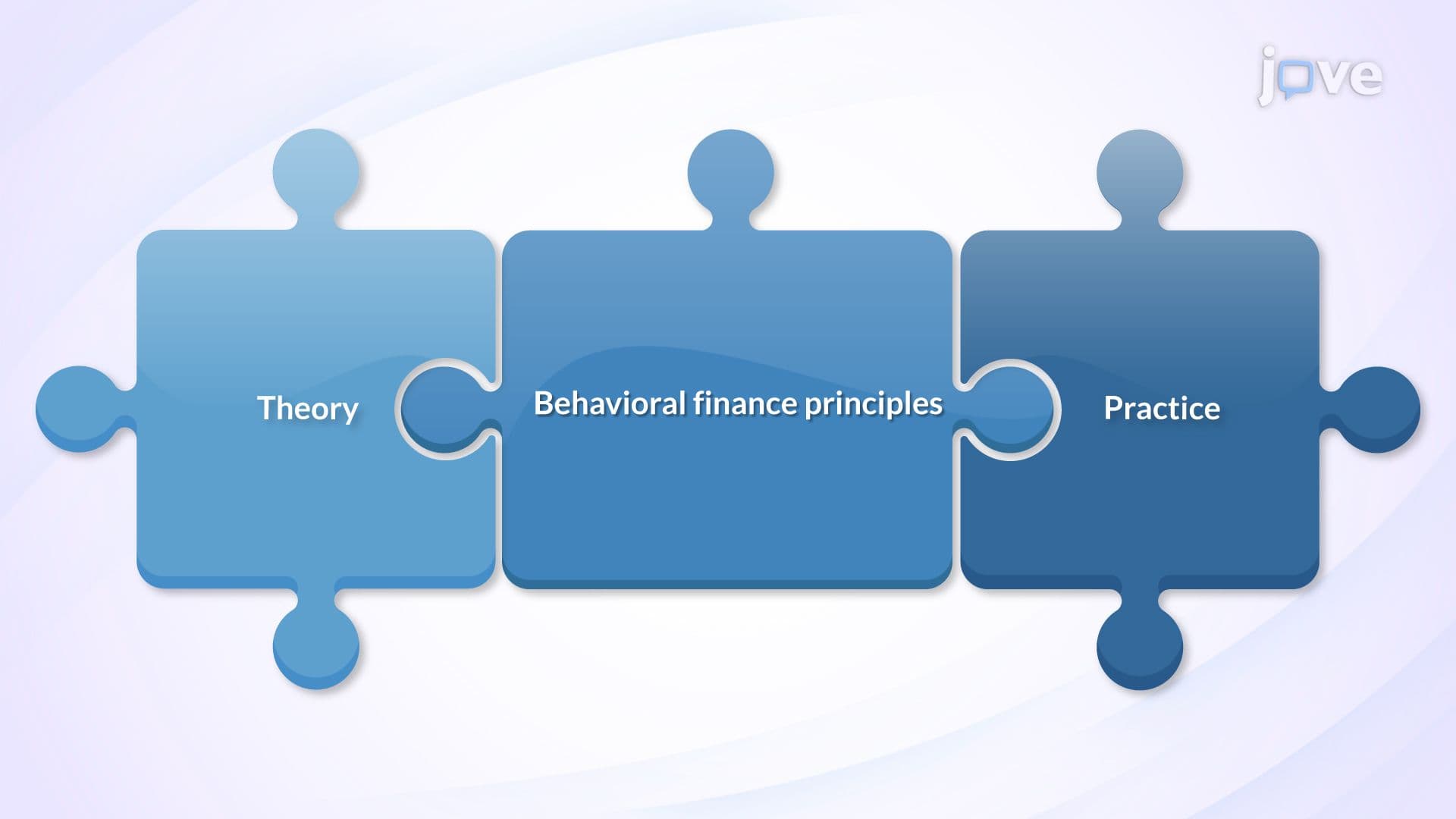








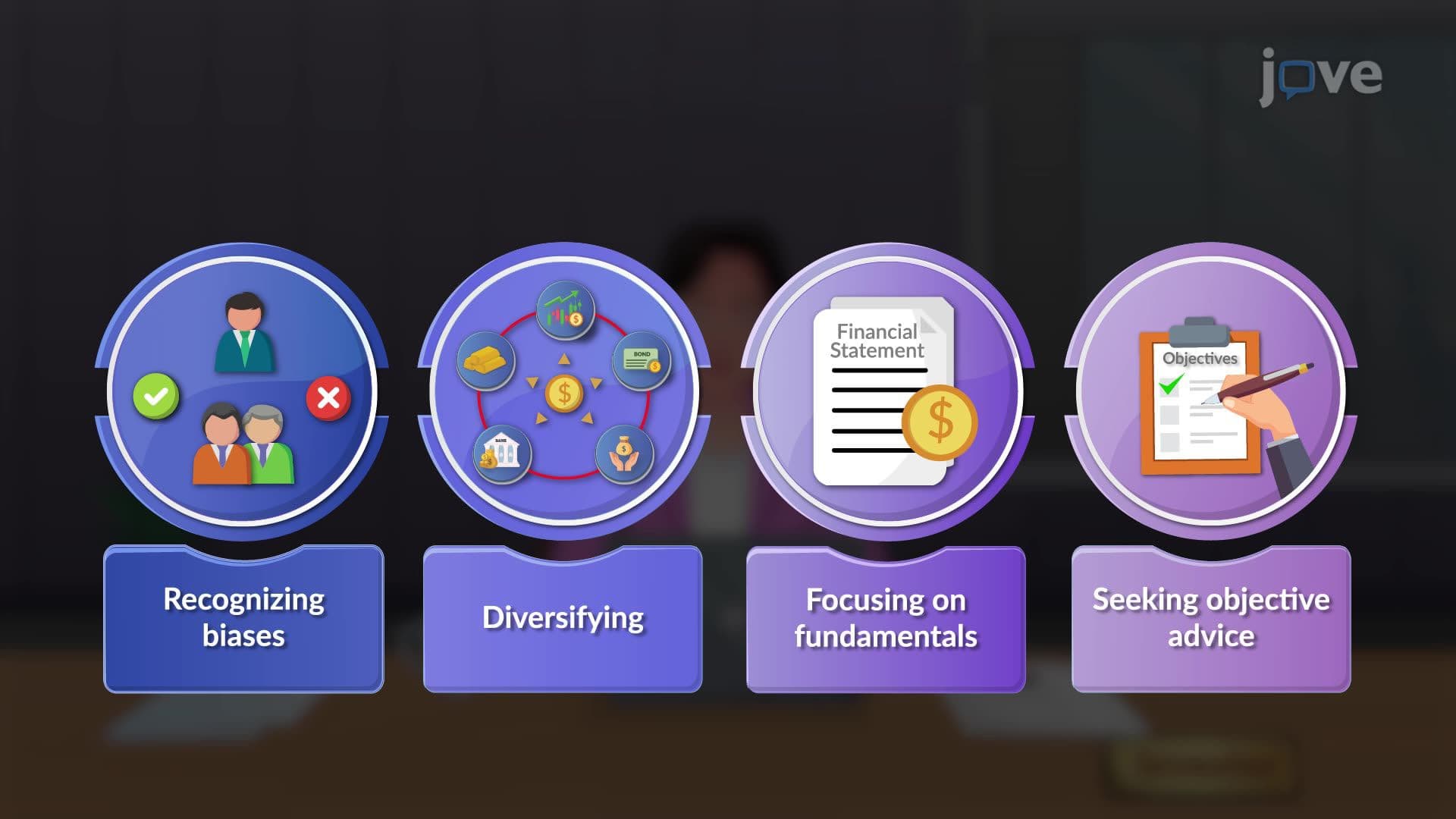


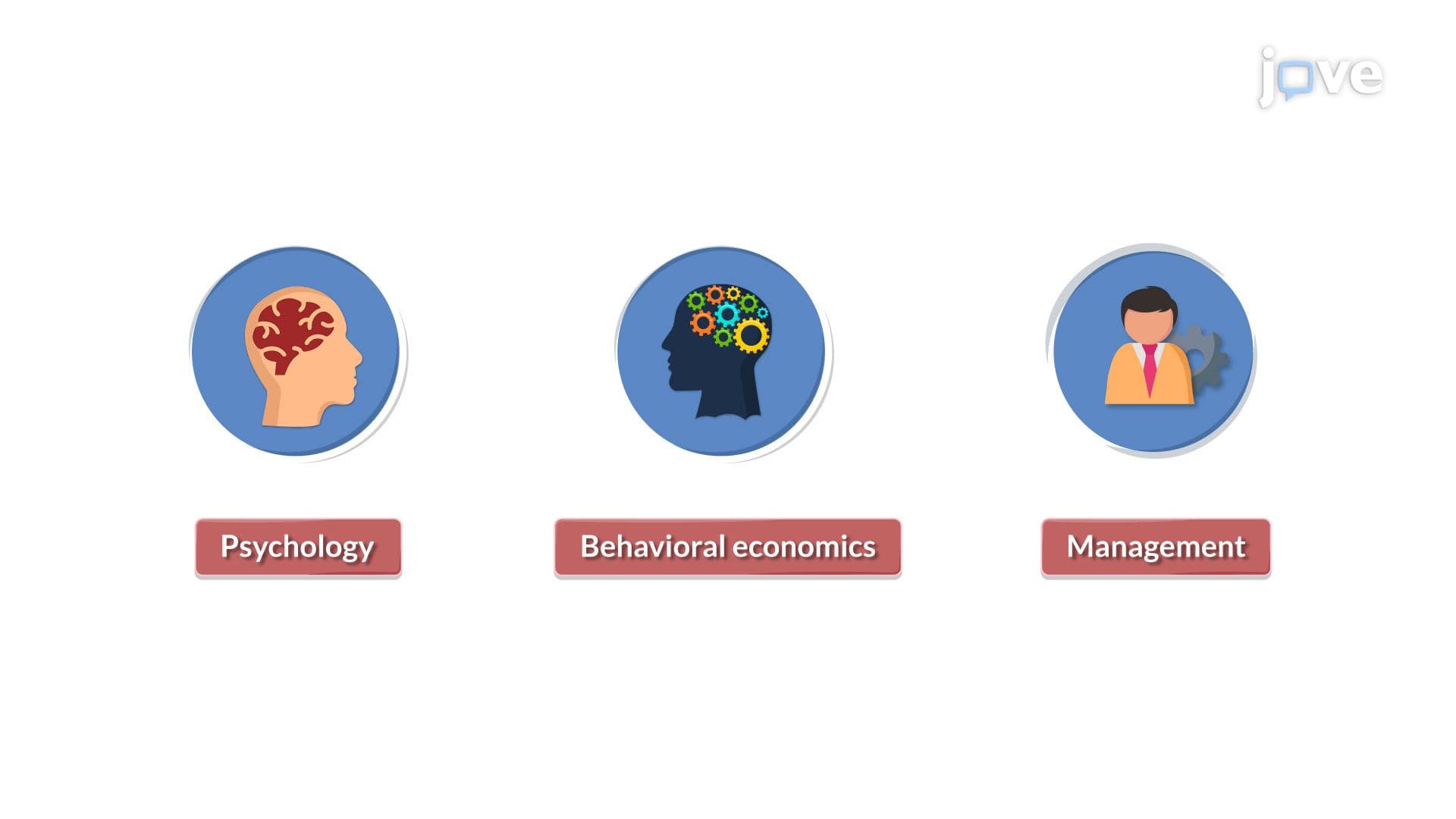

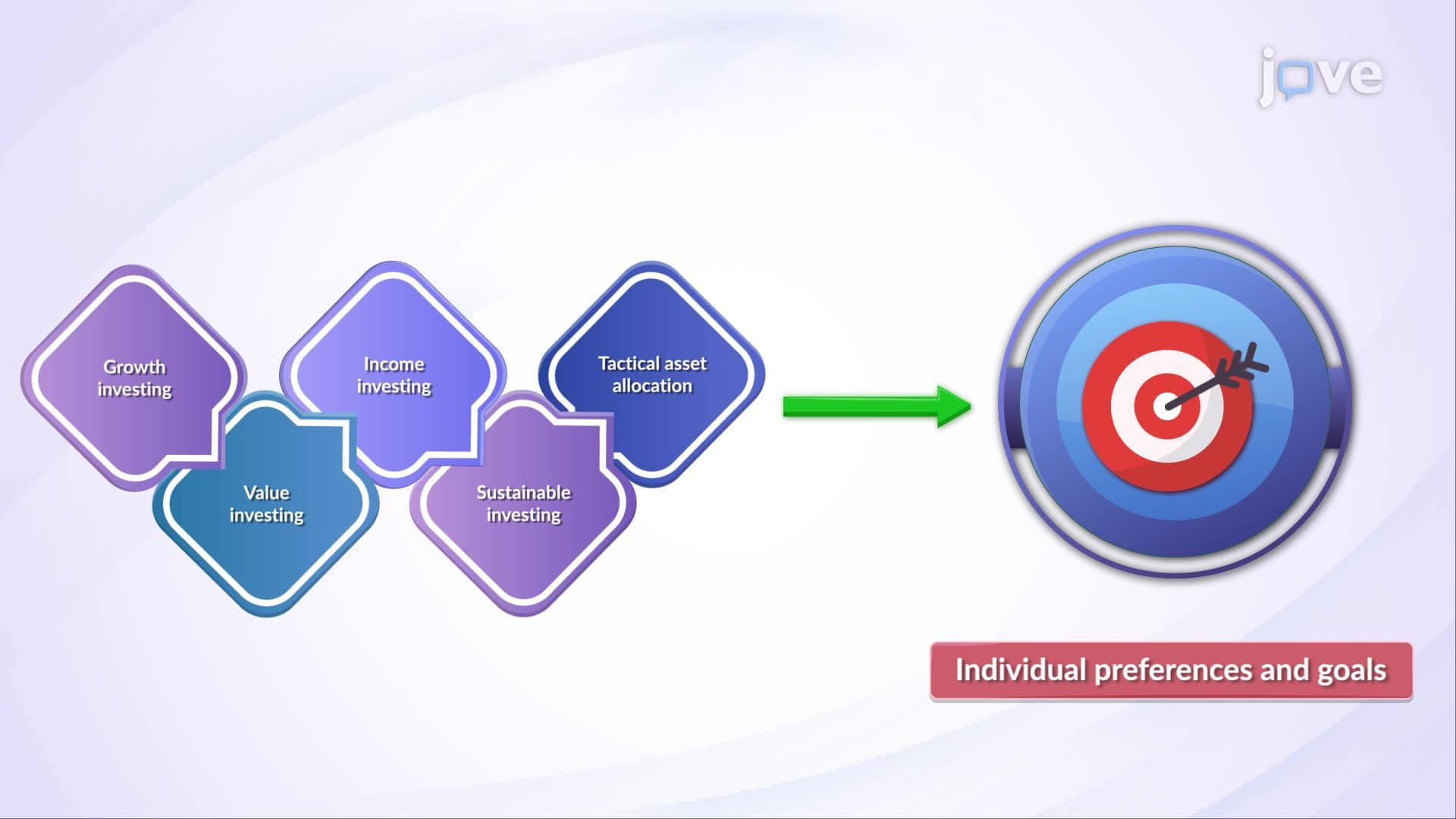

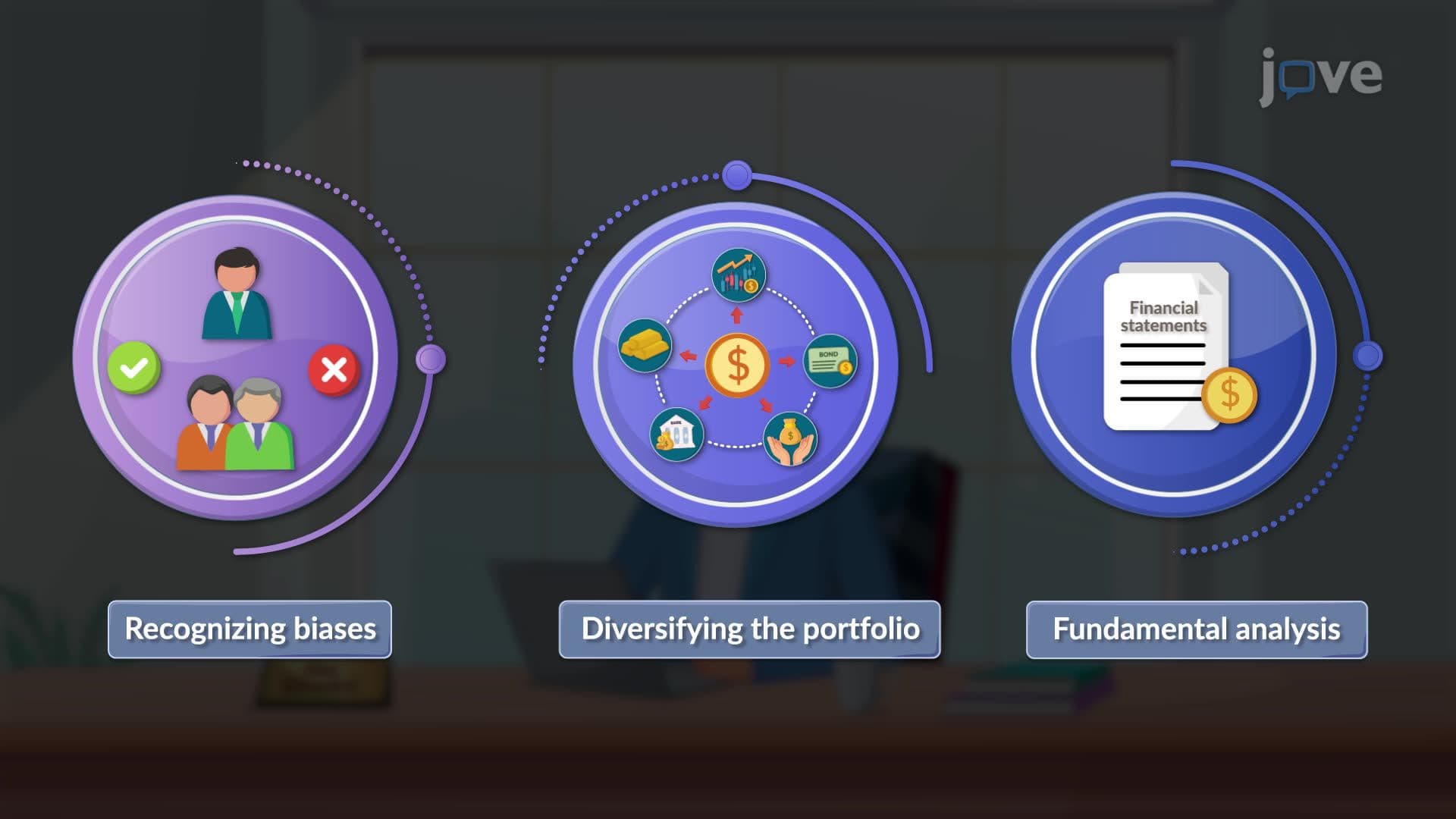



Traditional vs. Behavioral Finance

00:00
01:28
Video Summary: What Is Traditional Vs Behavioral Finance
When 70% of Fortune 500 CEOs cite cognitive biases as a top strategic risk, understanding traditional behavioral finance becomes critical for competitive advantage. While traditional finance assumes rational decision-makers maximizing utility, behavioral finance reveals how psychological factors drive real market outcomes. Consider Apple's strategic pricing decisions-they leverage loss aversion insights that traditional models would miss entirely. What is Traditional VS Behavioral Finance? This framework helps executives navigate between analytical rigor and human psychology in high-stakes decisions. Watch the full video on JoVE Coach to master this concept with expert-led visuals and step-by-step explanations.
- Apply dual-framework analysis to investment committee presentations, combining quantitative models with behavioral bias assessments for more robust recommendations
- Evaluate team decision-making processes using behavioral finance principles to identify overconfidence, anchoring, and groupthink patterns affecting strategic outcomes
- Implement automatic enrollment and choice architecture strategies in employee benefit programs to improve participation rates and long-term financial wellness
- Compare traditional risk-return calculations with behavioral adjustments to develop more realistic portfolio expectations and client communication strategies
- Leverage loss aversion insights in pricing strategy, product positioning, and change management initiatives to increase stakeholder buy-in
- Identify when rational financial models fail to predict market behavior and require behavioral overlay for accurate forecasting
- Analyze competitor strategies through both traditional competitive analysis and behavioral economics lens to uncover hidden market opportunities
- Assess organizational biases in capital allocation decisions, merger evaluations, and strategic planning processes to improve business outcomes
Understanding Traditional VS Behavioral Finance in Executive Decision-Making
When BlackRock's CEO Larry Fink shifted the firm's investment approach to incorporate behavioral insights alongside traditional quantitative models, it reflected a broader evolution in how sophisticated financial organizations make decisions. The tension between traditional behavioral finance approaches shapes everything from individual portfolio construction to enterprise-wide strategic planning.
Traditional Finance: The Foundation of Rational Markets
Traditional vs behavioral finance definition explained starts with understanding traditional finance's core assumption: market participants act rationally, process information efficiently, and consistently maximize expected utility. This framework powers most corporate finance textbooks and forms the backbone of Modern Portfolio Theory, the Capital Asset Pricing Model, and discounted cash flow valuations that drive M&A decisions at companies like JPMorgan Chase and Goldman Sachs.
Risk aversion represents traditional finance's key behavioral assumption-investors demand higher returns for taking additional risk, following predictable utility curves. When Microsoft's treasury department evaluates investment alternatives, traditional models suggest they'll consistently choose options maximizing risk-adjusted returns based on mathematical optimization.
Behavioral Finance: Where Psychology Meets Markets
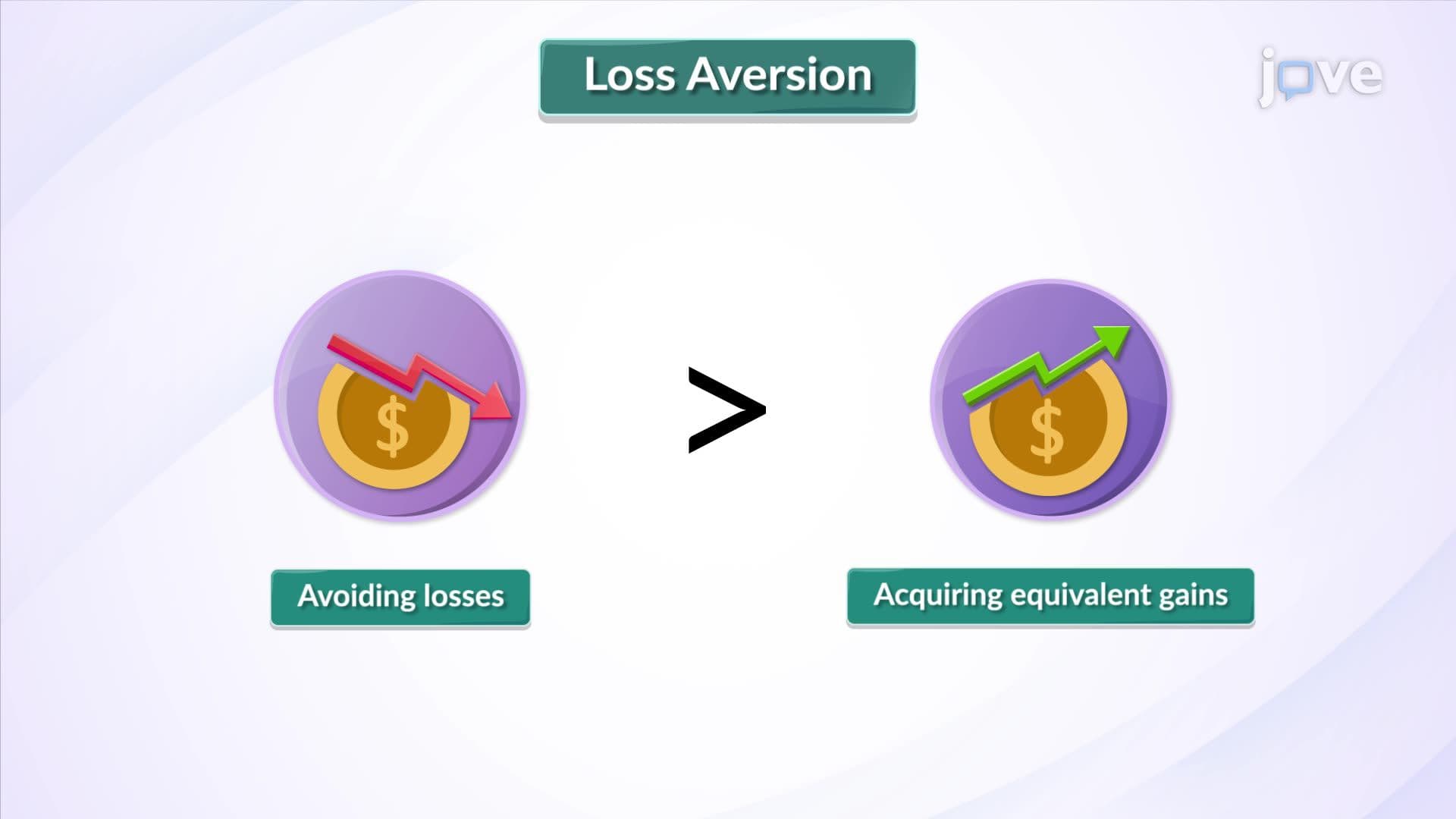
What is traditional vs behavioral finance becomes clearer when examining how behavioral finance challenges rational actor assumptions. Behavioral finance incorporates psychological biases, emotional decision-making, and cognitive limitations that traditional models ignore. Loss aversion-where individuals feel losses twice as intensely as equivalent gains-explains why Netflix maintains subscriber-friendly pricing strategies even when traditional profit maximization might suggest higher prices.
Overconfidence bias affects C-suite decisions across industries. When WeWork's leadership pursued aggressive expansion despite warning signals, behavioral finance provided better predictive power than traditional financial models that assumed rational risk assessment. Similarly, anchoring bias influences everything from salary negotiations to capital budgeting decisions, where initial numbers disproportionately affect final outcomes.
Integrating Both Approaches for Competitive Advantage
Smart organizations don't choose between traditional behavioral finance frameworks-they integrate both. Amazon's pricing algorithms combine traditional elasticity models with behavioral insights about reference pricing and loss aversion. Their Prime membership structure leverages behavioral economics (sunk cost fallacy, endowment effect) while maintaining traditional financial metrics for profitability analysis.
Automatic enrollment in 401(k) plans represents this integration perfectly. Traditional finance suggests employees should rationally evaluate and optimize their retirement contributions. Behavioral finance recognizes that defaults dramatically influence participation rates, leading companies like Vanguard to implement auto-enrollment programs that boost participation from 60% to over 90%.
Frequently Asked Questions
Traditional finance assumes rational decision-makers who maximize expected utility using all available information efficiently. Behavioral finance incorporates psychological biases and emotional factors that cause real-world deviations from rational models. In practice, traditional finance powers quantitative models while behavioral finance explains why those models often fail to predict actual market behavior.
Present both traditional financial projections and behavioral scenario analysis to leadership teams. When proposing new initiatives, include traditional NPV calculations alongside behavioral factors like loss aversion, overconfidence bias, and anchoring effects that might influence implementation success. This dual approach provides more comprehensive risk assessment and stakeholder buy-in strategies.
Use traditional finance for quantitative analysis and portfolio optimization, then overlay behavioral insights to set realistic expectations and improve client decision-making. For example, explain diversification benefits using modern portfolio theory, but also address how loss aversion might make clients uncomfortable with temporary volatility during market downturns.
JPMorgan Chase combines traditional risk models with behavioral insights in their wealth management division. They use traditional asset allocation models for portfolio construction but incorporate behavioral coaching to help clients stick with long-term strategies during market volatility. Their automatic rebalancing features leverage behavioral economics while maintaining mathematically optimal asset allocation targets.
No advanced degree required, but understanding basic financial principles helps significantly. The key is recognizing when human psychology might override rational financial decision-making in your organization. Start by identifying common biases in your team's decision processes, then gradually incorporate both analytical rigor and behavioral awareness into strategic initiatives.
Executives who understand both frameworks make more accurate predictions and better strategic decisions. This skill set is increasingly valuable as organizations recognize the limitations of purely quantitative approaches. You'll stand out in strategy roles, client management positions, and leadership opportunities by demonstrating sophisticated decision-making frameworks that account for both logic and human psychology.
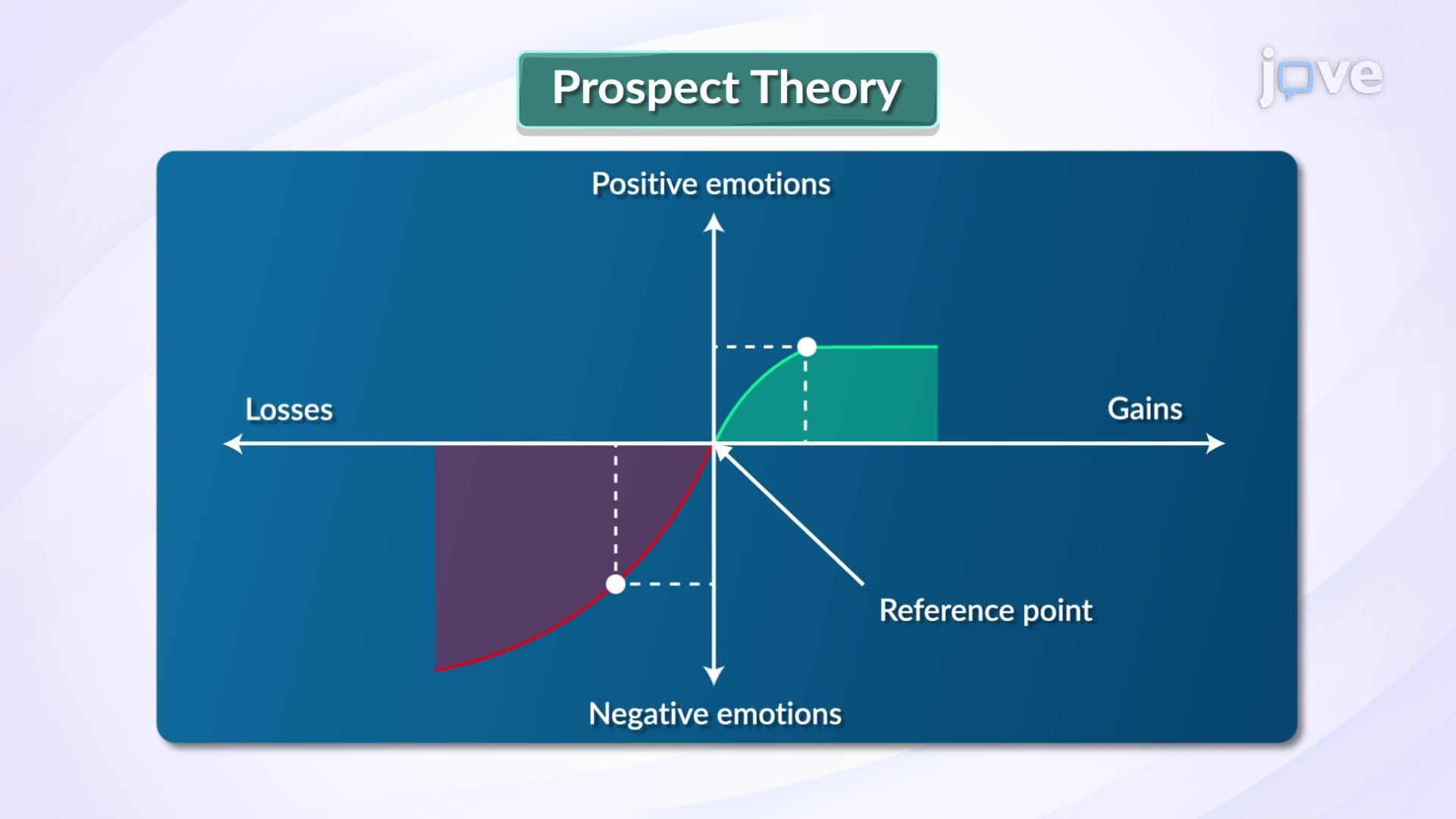
Explore prospect theory and its applications in corporate strategy and risk management. This framework, developed by Nobel laureates, provides deeper insights into how organizations and individuals make decisions under uncertainty, building directly on the traditional vs behavioral finance foundation.
Related Micro-courses

20 Concepts
18 Concepts

14 Concepts