Loading subject page…

- Finance
- Financial Ratio Analysis
- Activity Ratios: Accounts Receivable Turnover Ratio
Micro-course: Financial Ratio Analysis
5,239 views
Learn key concepts and earn your certificate.


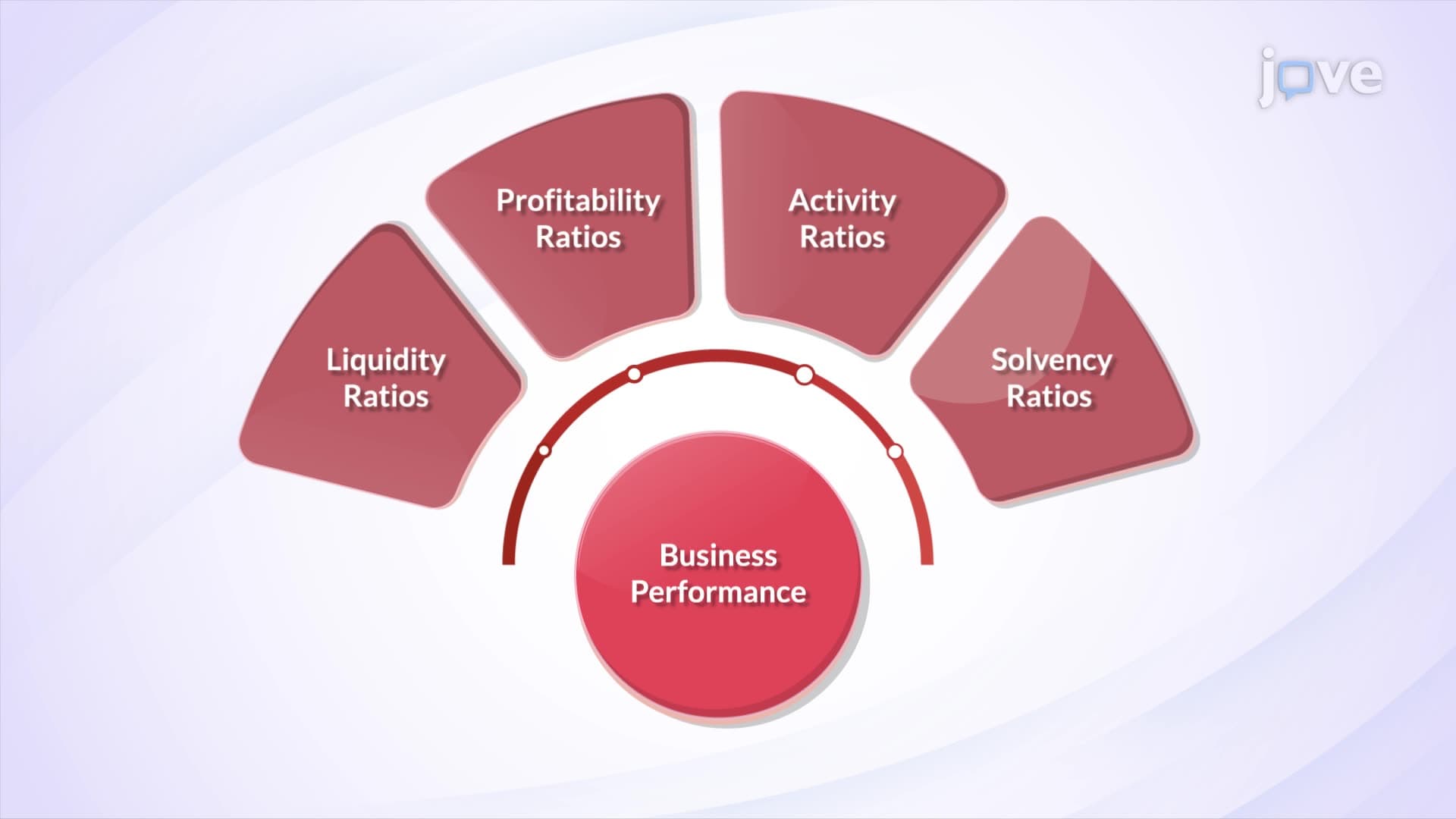
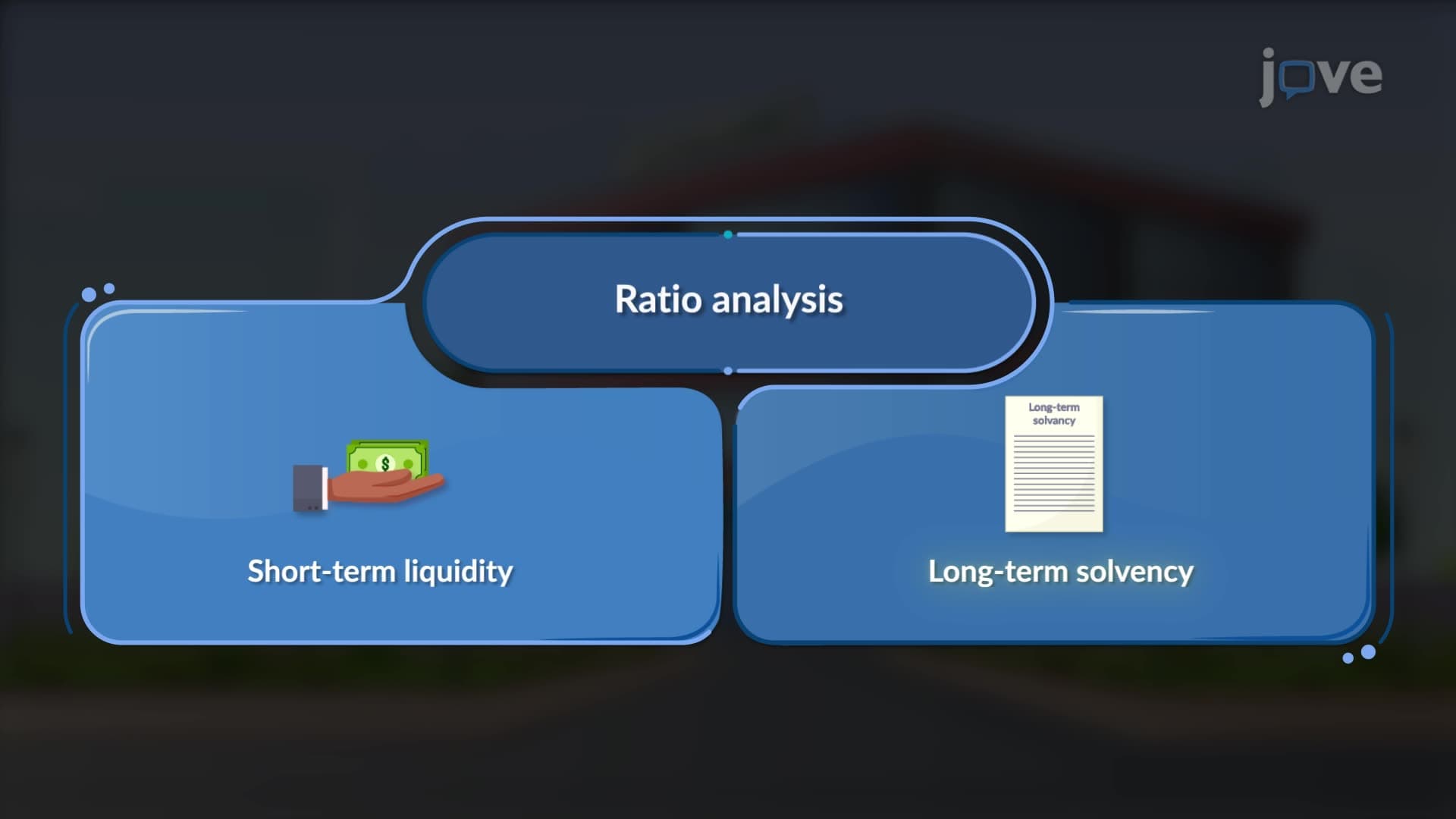
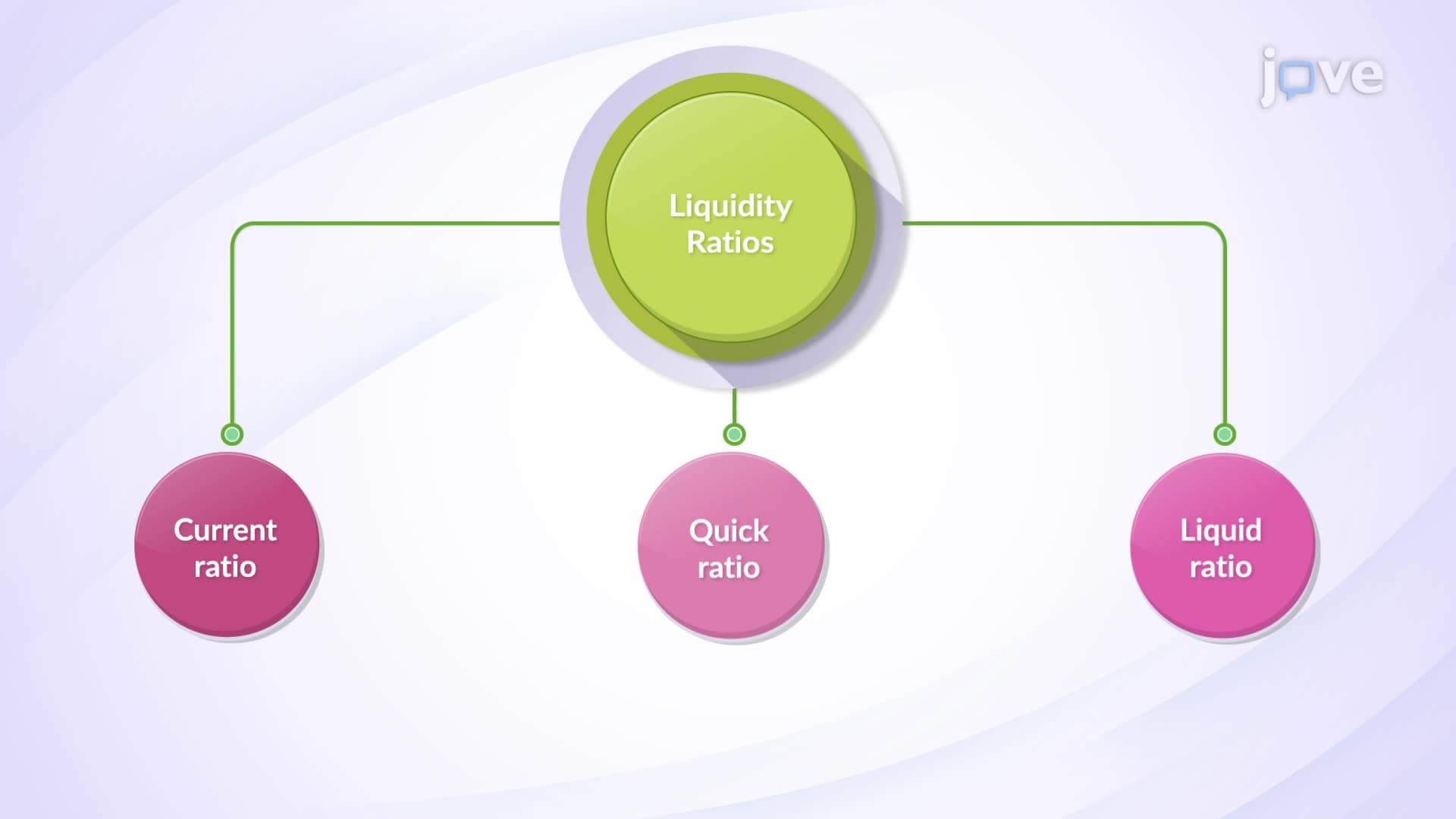
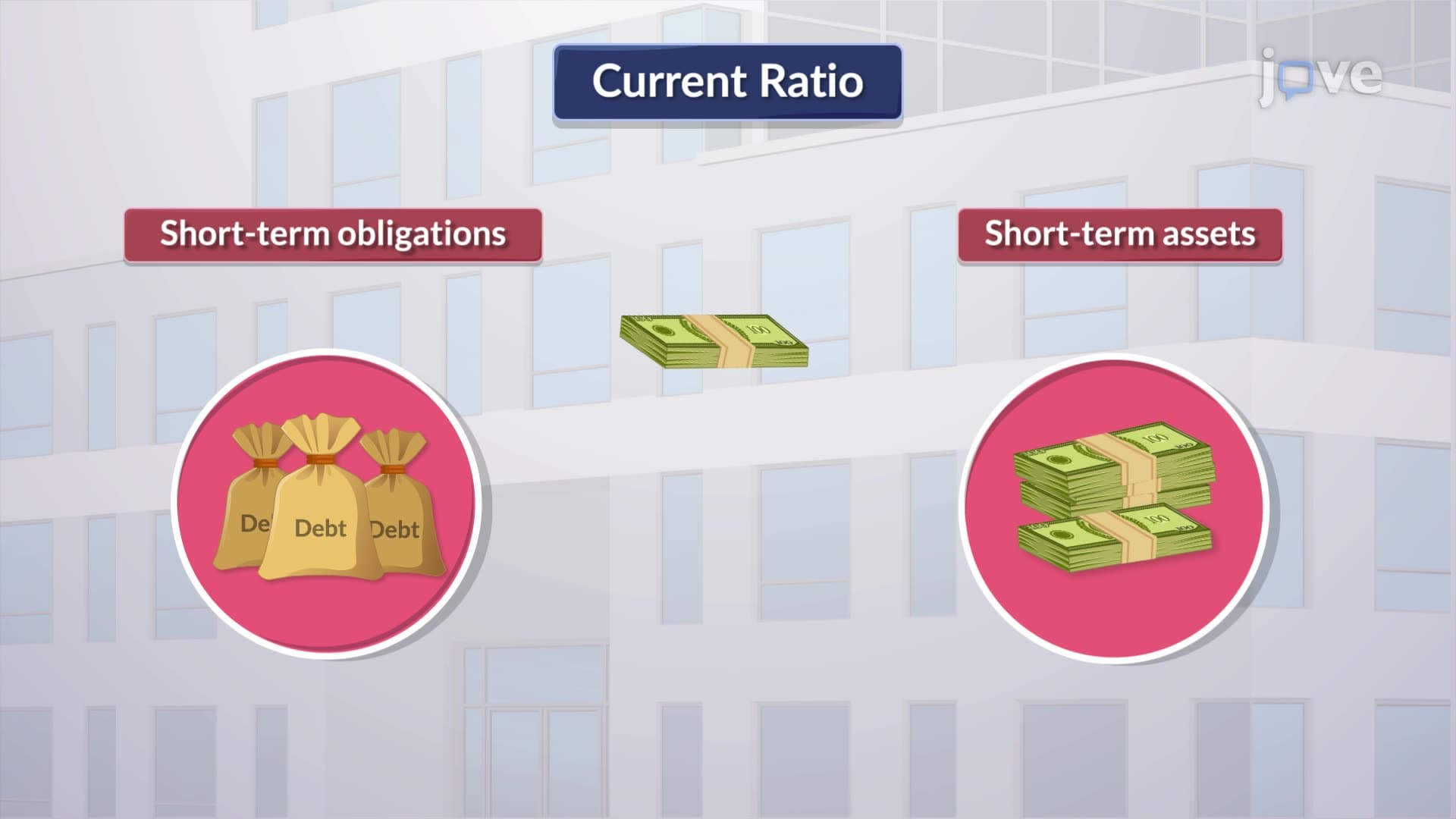










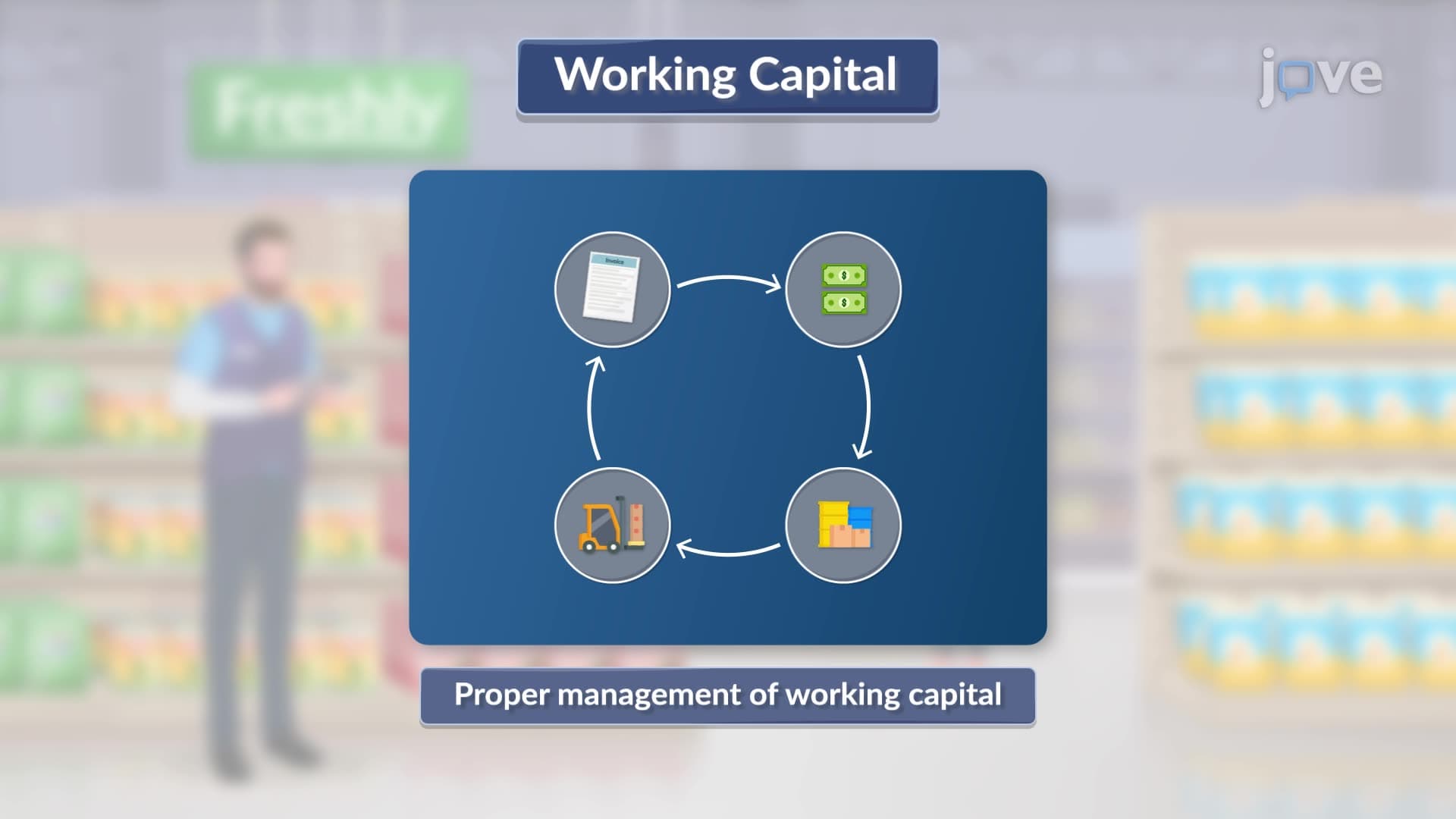


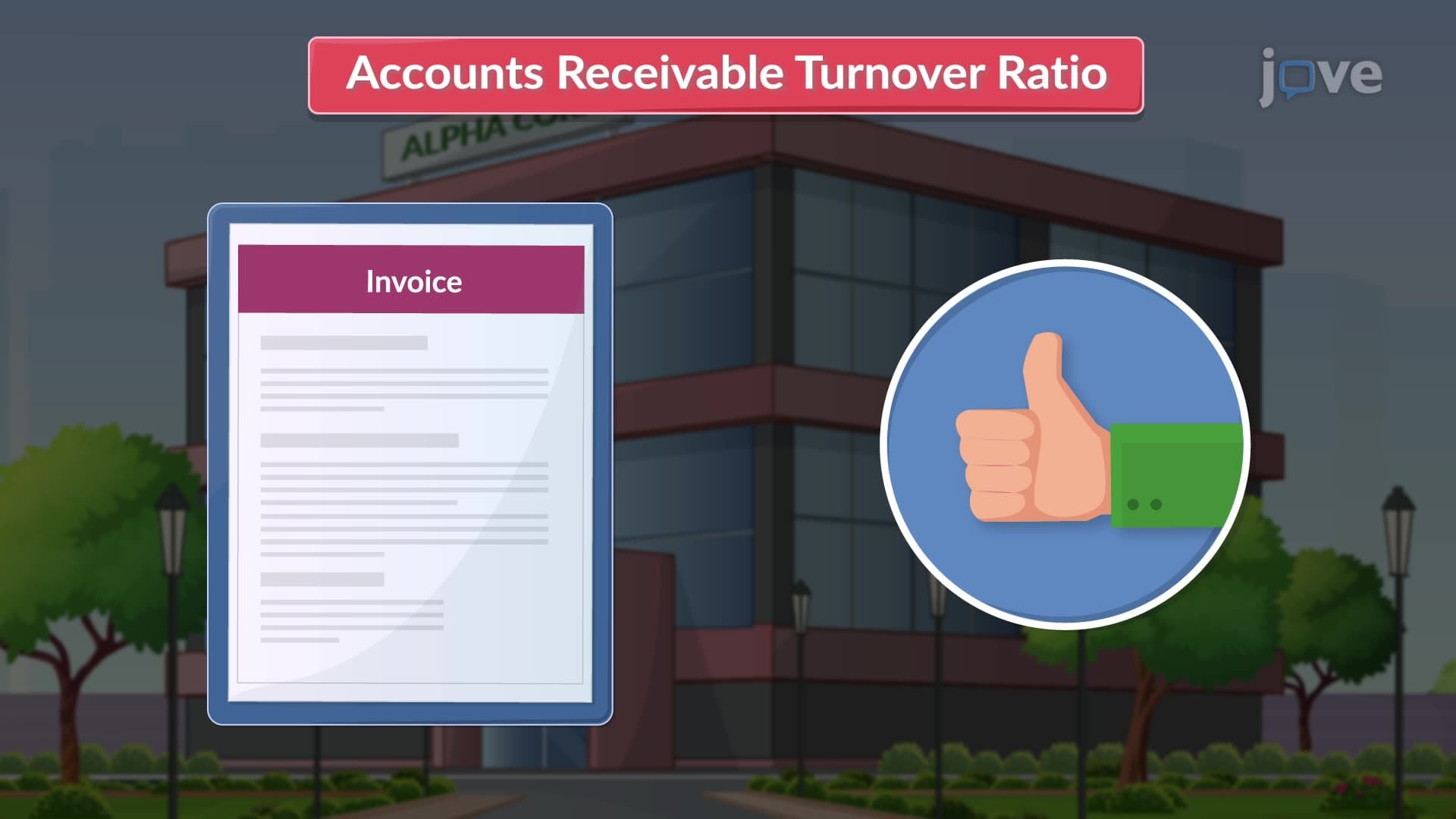
Activity Ratios: Accounts Receivable Turnover Ratio

00:00
01:16
Video Summary: Activity Ratios Accounts Receivable Turnover Ratio Explained
CFOs at companies like Home Depot scrutinize activity ratios accounts receivable metrics to optimize cash conversion cycles and maintain competitive working capital positions. The accounts receivable turnover ratio measures collection efficiency by dividing net credit sales by average accounts receivable, revealing how quickly companies convert credit sales into cash. A ratio of 10x means collecting receivables ten times annually, signaling strong credit management that directly impacts operational cash flow and liquidity buffers essential for strategic investments. Watch the full video on JoVE Coach to master this concept with expert-led visuals and step-by-step explanations.
- Apply accounts receivable turnover calculations to evaluate supplier payment terms and customer creditworthiness in vendor negotiations and client onboarding decisions
- Analyze competitor collection efficiency by benchmarking turnover ratios across industry peers to identify operational advantages and market positioning opportunities
- Assess cash flow implications of credit policy changes by modeling how extended payment terms impact working capital requirements and financing needs
- Implement performance monitoring systems that track monthly turnover trends to proactively address collection bottlenecks before they affect quarterly results
- Evaluate acquisition targets and investment opportunities by examining receivables quality and collection patterns as indicators of operational management strength
- Leverage turnover ratio insights during budget planning to forecast cash receipts timing and optimize credit line utilization throughout business cycles
- Identify early warning signals of customer financial distress through declining individual account turnover rates that may require reserve adjustments
- Compare business unit performance across divisions to allocate resources toward highest-efficiency collection operations and replicate best practices
Understanding Activity Ratios Accounts Receivable Turnover Ratio in Strategic Context
When Walmart's finance team evaluates working capital efficiency, they focus intensively on receivables management because even small improvements in collection timing translate to millions in available cash for operations and growth investments. The accounts receivable turnover ratio serves as a critical operational metric that measures how effectively companies convert credit sales into cash, directly impacting liquidity positions and strategic flexibility.
Calculation Framework and Business Applications
The fundamental calculation divides net credit sales by average accounts receivable: Net Credit Sales ÷ Average Accounts Receivable. Average accounts receivable equals (Opening Balance + Closing Balance) ÷ 2, providing a normalized baseline that accounts for seasonal fluctuations and growth trends.
Consider Microsoft's enterprise sales division, which typically maintains 45-60 day payment terms with corporate clients. If Microsoft generates $2 billion in quarterly credit sales with average receivables of $500 million, their turnover ratio of 4x indicates they collect receivables once per quarter. This alignment between payment terms and actual collection performance demonstrates effective credit management and customer relationship strength.
Strategic Implications for Business Performance
Higher turnover ratios generally indicate superior collection efficiency, enabling companies to reinvest cash faster and reduce dependence on external financing. However, context matters significantly. Amazon's B2B marketplace might maintain lower ratios due to competitive payment terms that attract high-value enterprise customers, while a construction equipment manufacturer like Caterpillar might accept longer collection cycles for large capital purchases that generate substantial margins.
Competitive Analysis and Industry Benchmarking
Finance leaders use turnover ratios to evaluate competitive positioning and identify operational improvements. Technology companies typically maintain 6-12x turnover ratios due to subscription models and automated billing, while manufacturing firms often operate at 4-8x due to longer sales cycles and customer financing arrangements. Understanding these industry dynamics helps executives set realistic targets and identify when performance deviates from sector norms, signaling potential collection issues or overly aggressive credit policies that may require strategic adjustment.
Frequently Asked Questions
The accounts receivable turnover ratio measures how efficiently companies collect payments from credit sales, calculated by dividing net credit sales by average accounts receivable. This metric directly impacts cash flow timing, working capital requirements, and strategic investment capacity. Higher ratios indicate faster cash conversion, reducing financing costs and improving operational flexibility for growth initiatives.
Compare turnover ratios across business units and against industry benchmarks to identify top-performing collection operations and areas needing improvement. Declining ratios may signal customer payment difficulties, inadequate credit screening, or collection process breakdowns requiring immediate attention. Use trend analysis over 4-6 quarters to distinguish seasonal patterns from underlying performance issues.
Industry-specific benchmarks vary significantly, but consistently declining ratios or performance below sector medians raise red flags about customer quality and collection capabilities. Technology services typically achieve 8-15x, while manufacturing ranges 4-10x depending on customer mix and payment terms. Focus on ratio stability and alignment with stated credit policies rather than absolute numbers.
Present turnover ratios alongside days sales outstanding (DSO) to show both collection speed and customer payment behavior trends. Demonstrate year-over-year improvements and competitive positioning to highlight management effectiveness. Connect ratio improvements to specific cash flow benefits and reduced financing needs, quantifying the operational value of efficient receivables management.
General Electric's industrial divisions monitor turnover ratios monthly to optimize cash conversion cycles across their diverse equipment portfolio. When GE's aviation unit extends payment terms to airline customers during economic downturns, they adjust pricing and credit reserves based on projected ratio impacts, ensuring adequate liquidity while maintaining competitive customer relationships.
Basic understanding of financial statements and business operations is sufficient to apply these ratios effectively. Focus on trends, industry comparisons, and the relationship between collection efficiency and cash flow rather than complex accounting nuances. Most business leaders successfully use these metrics after understanding the core calculation and business implications.
Proficiency with activity ratios demonstrates sophisticated understanding of operational efficiency and cash management, essential skills for senior leadership roles. These analytical capabilities are particularly valuable during strategic planning, M&A evaluations, and performance management discussions. Financial literacy around working capital metrics distinguishes high-potential managers and supports advancement into executive positions requiring P&L responsibility.
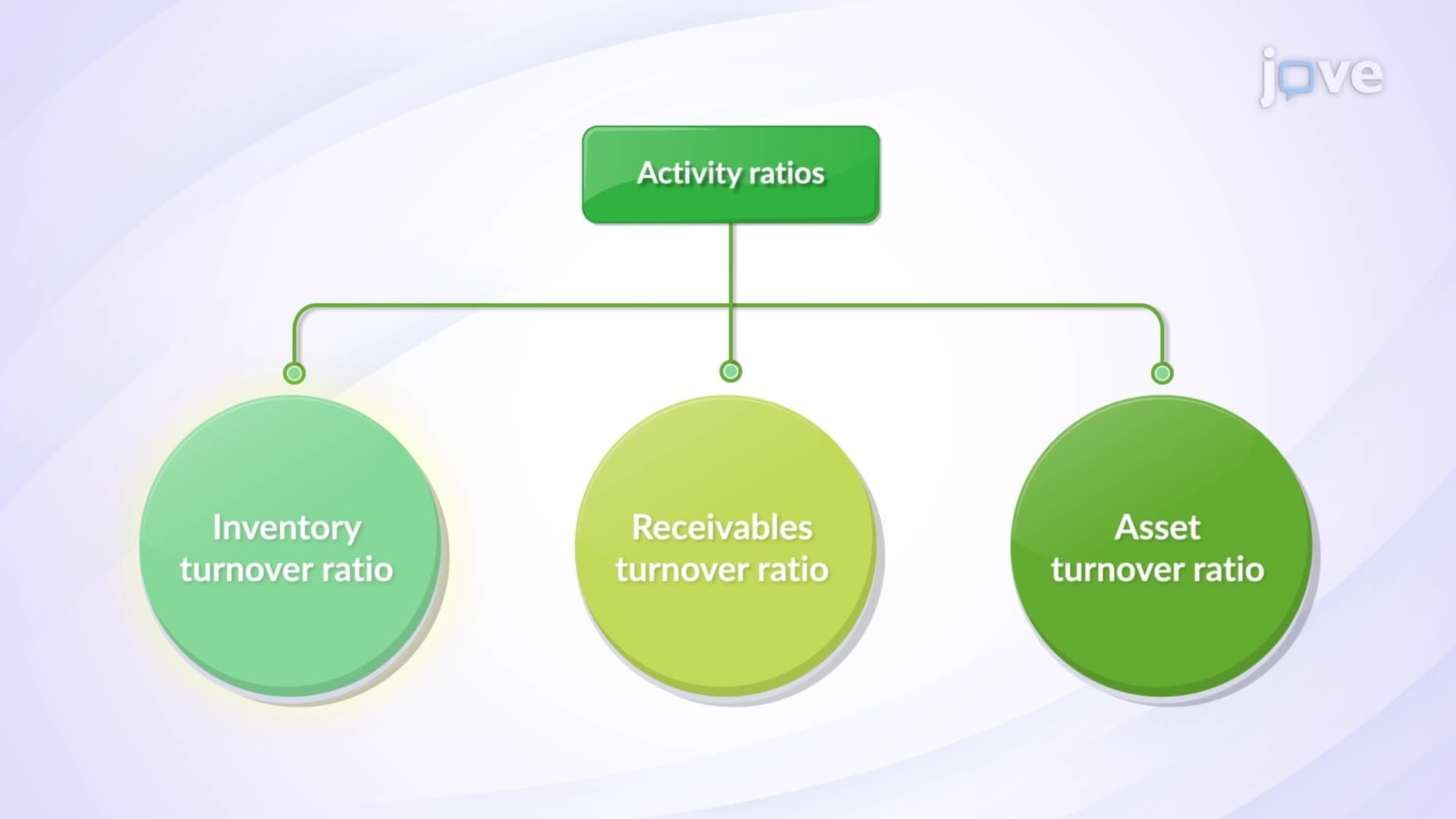
Expand into inventory turnover ratios and days payable outstanding to understand complete working capital cycles. Cash conversion cycles combine all three metrics to provide comprehensive liquidity analysis. Additionally, explore credit risk assessment techniques and customer segmentation strategies that directly influence receivables management effectiveness and business performance outcomes.
Related Micro-courses