Loading video…


 28 Concepts
 5.2K views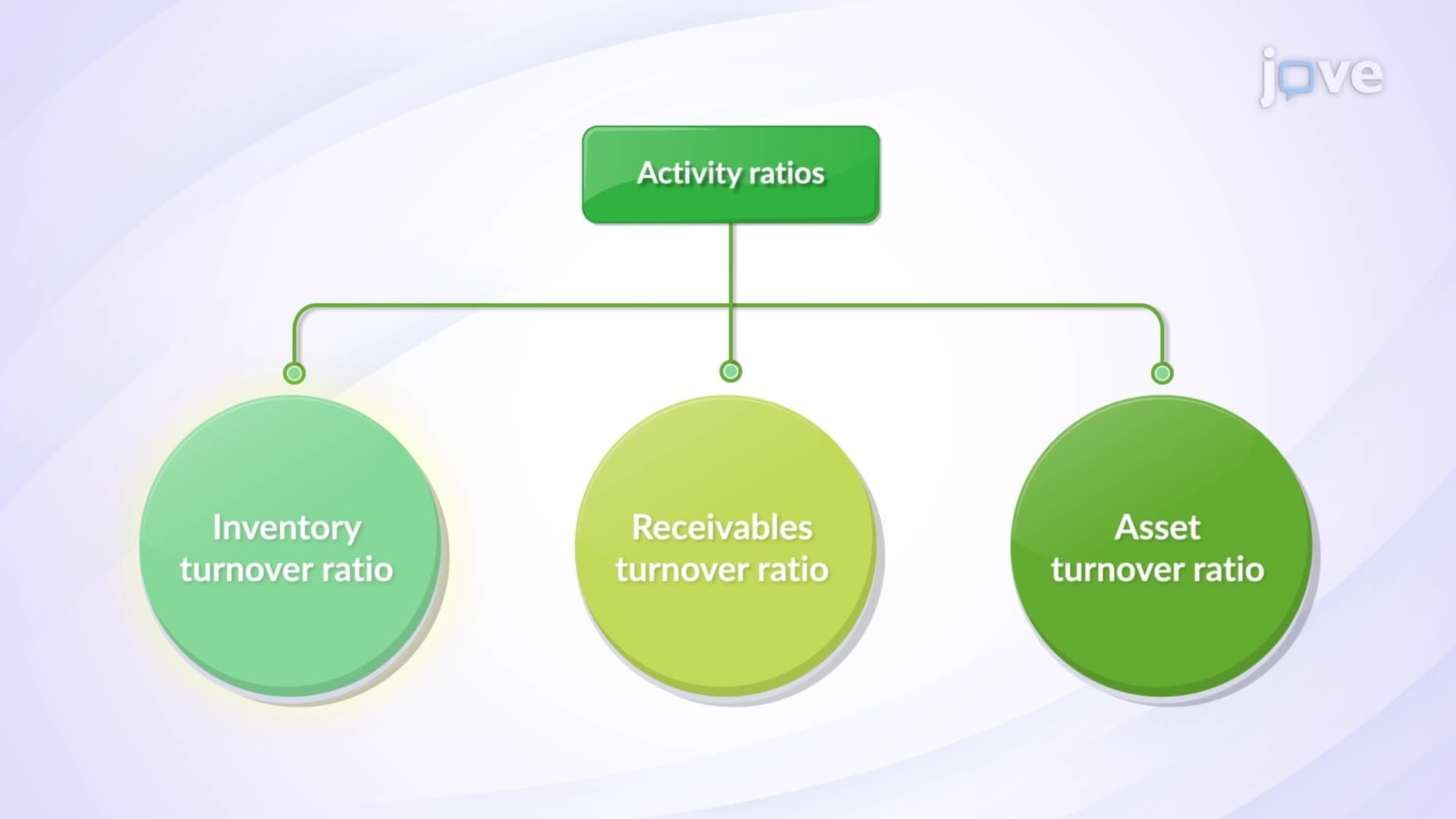

Video Summary: What are Activity Ratios
Modern CFOs rely on activity ratios to optimize asset utilization and drive operational excellence in competitive markets. These critical financial metrics measure how efficiently companies convert assets into revenue, directly impacting profitability and market valuation. Consider Walmart's inventory management strategy-their superior inventory turnover ratio enables rapid stock rotation while minimizing carrying costs, contributing to their market leadership position. What are activity ratios, and how do they shape strategic decision-making? Watch the full video on JoVE Coach to master this concept with expert-led visuals and step-by-step explanations.
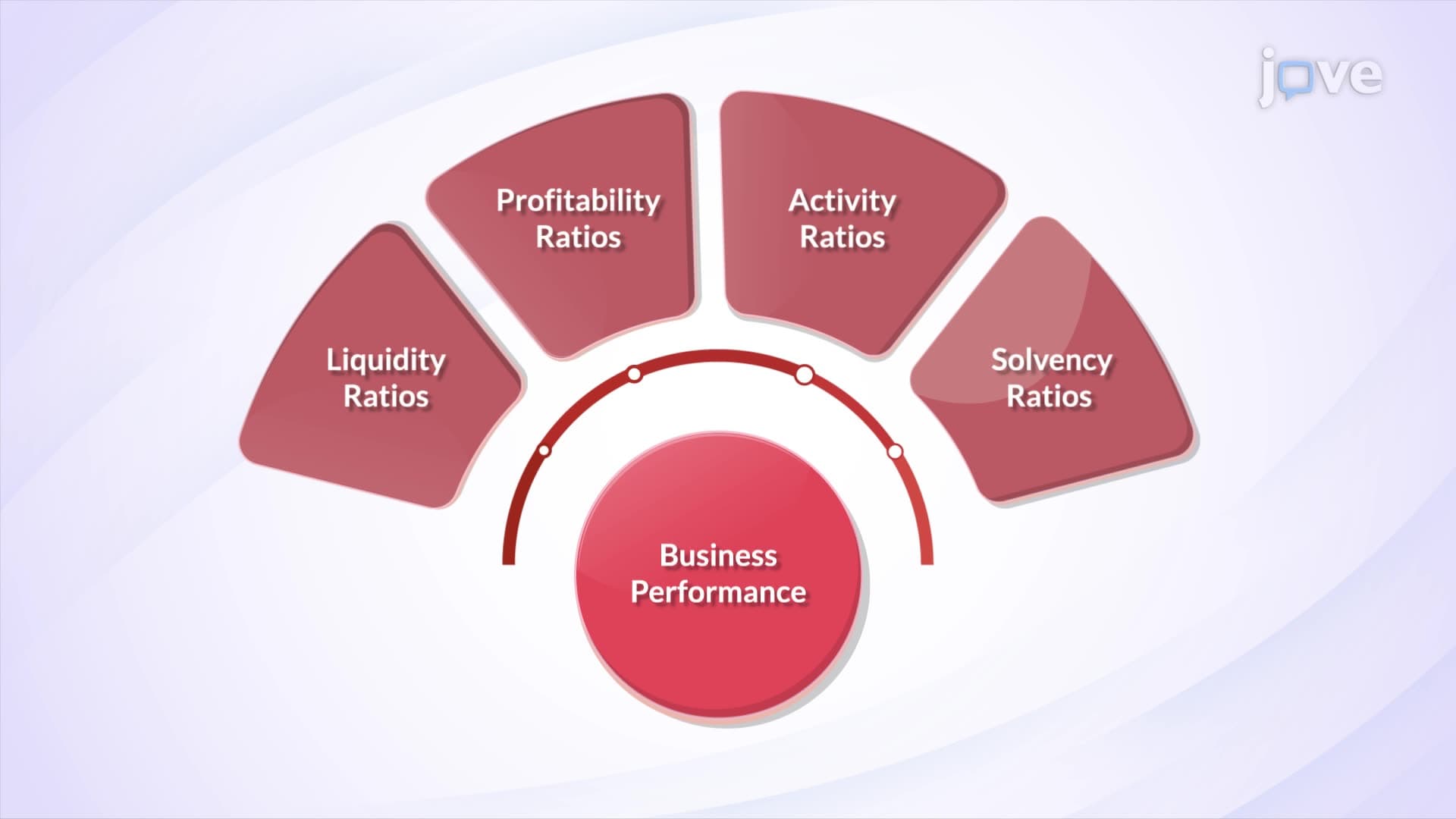
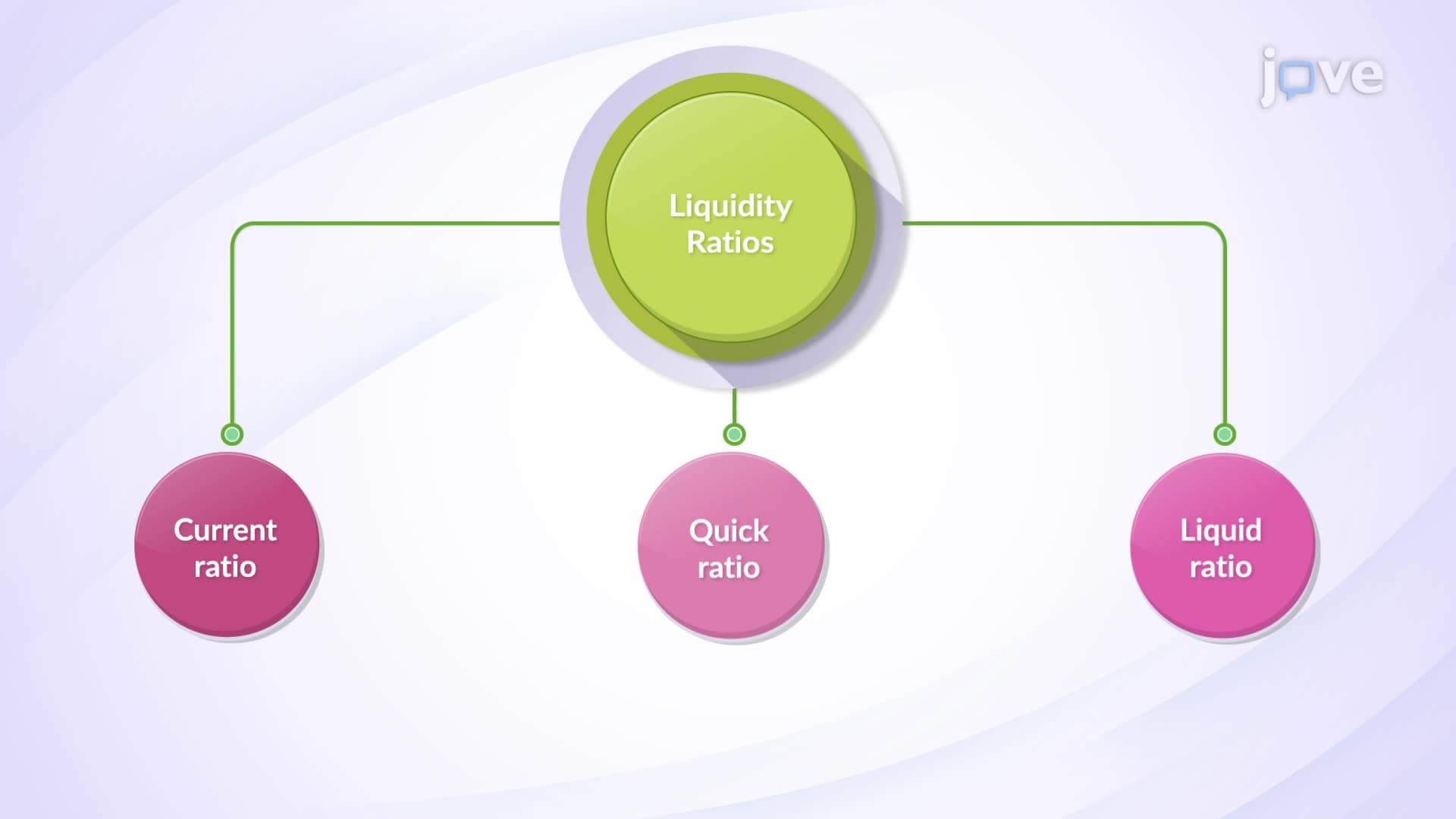
When Target's board evaluates quarterly performance, activity ratios provide crucial insights into operational momentum beyond traditional profit metrics. These ratios measure how effectively management converts company assets into sales revenue, revealing the operational engine driving financial results. Unlike liquidity ratios that assess short-term financial health or leverage ratios that measure debt capacity, activity ratios spotlight management's ability to generate returns from invested capital.
The inventory turnover ratio reveals how quickly companies convert stock into sales, calculated as Cost of Goods Sold divided by Average Inventory. Home Depot's industry-leading inventory turnover of approximately 5.2x demonstrates superior demand forecasting and supply chain management compared to competitors averaging 4.5x. This operational advantage translates into reduced storage costs, lower obsolescence risk, and improved cash flow generation.
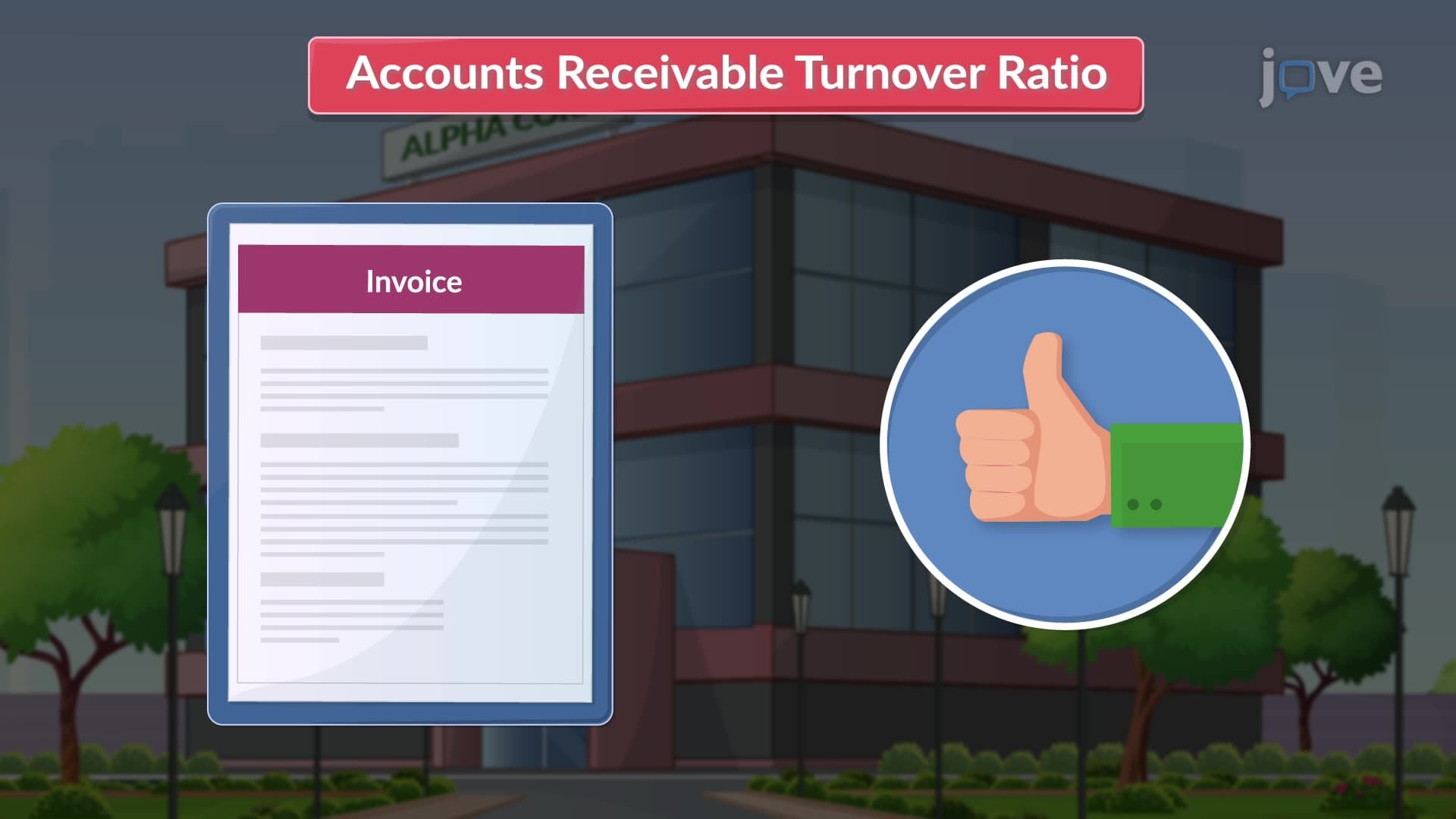
Accounts receivable turnover measures collection efficiency, calculated as Net Credit Sales divided by Average Accounts Receivable. Microsoft's shift toward subscription-based revenue models improved their receivables turnover by reducing collection periods and credit risk exposure. This metric becomes critical when evaluating customer payment patterns and credit policy effectiveness.
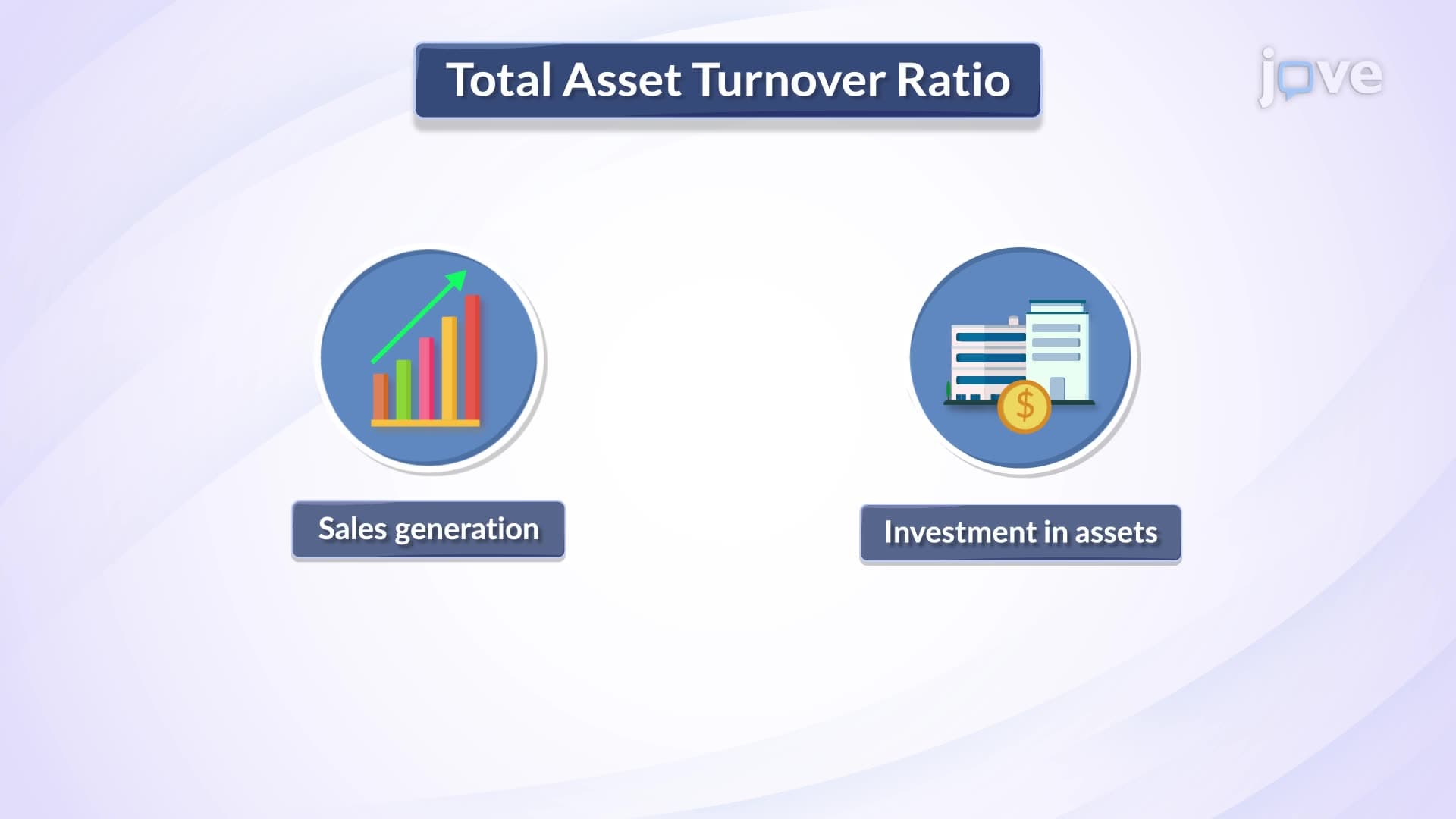
Asset turnover ratio measures overall asset utilization efficiency, calculated as Net Sales divided by Average Total Assets. Amazon's asset turnover ratio of 1.1x reflects their capital-intensive logistics infrastructure, while Apple's 0.9x ratio demonstrates premium pricing power that compensates for lower asset velocity.
Activity ratios inform critical business decisions across multiple functional areas. During merger evaluation, private equity firms analyze target companies' activity ratios to identify operational improvement opportunities. A declining inventory turnover ratio might signal demand softening or ineffective purchasing strategies, while improving receivables turnover could indicate strengthening customer relationships or enhanced collection processes.
Manufacturing executives use activity ratios to optimize facility utilization and capacity planning. General Electric's industrial divisions benchmark asset turnover ratios across global operations to identify underperforming facilities and reallocate resources toward higher-return investments. These metrics guide decisions about plant consolidations, equipment upgrades, and geographic expansion strategies.
Related Micro-courses