Loading video…


 28 Concepts
 5.2K views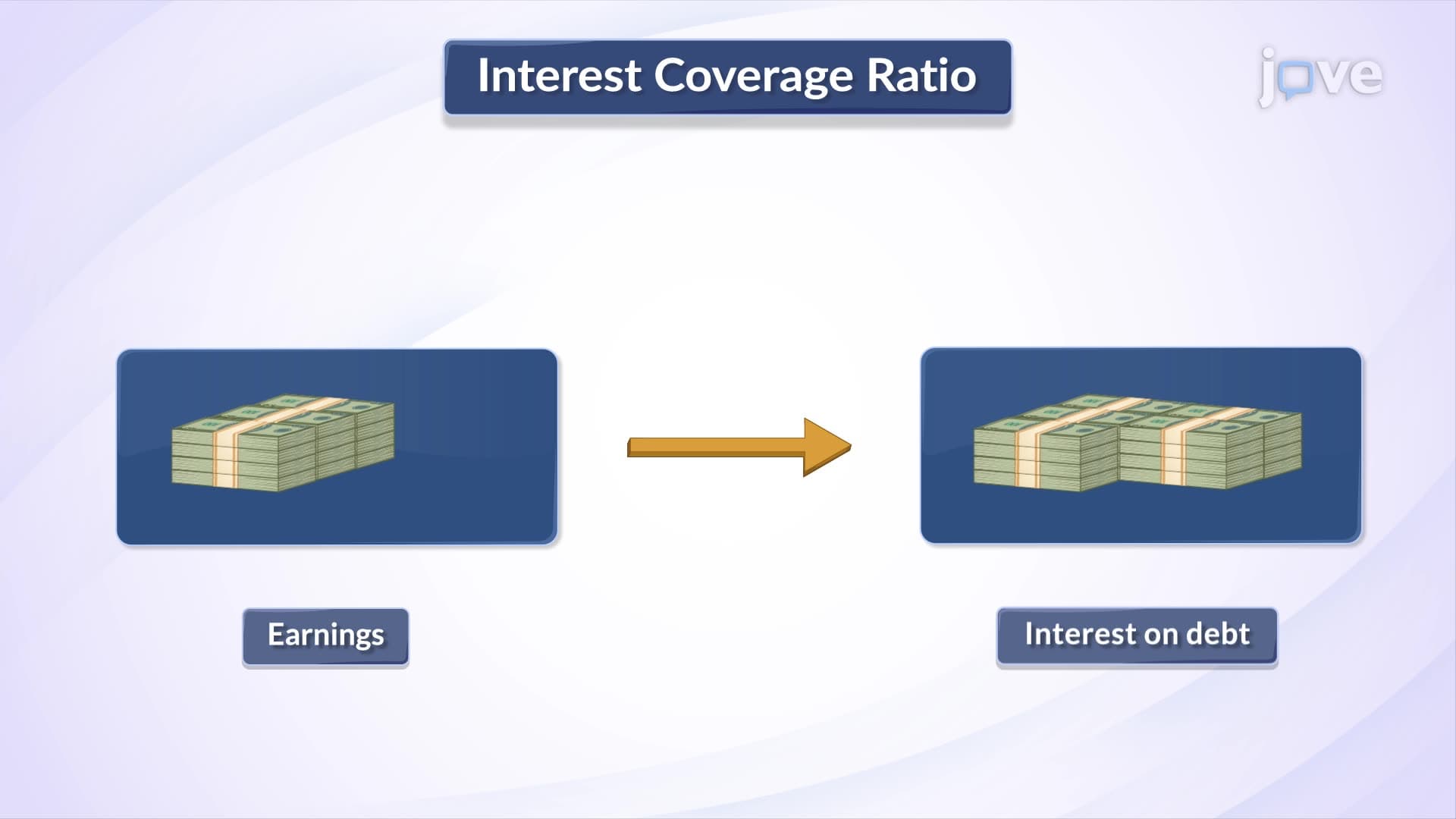

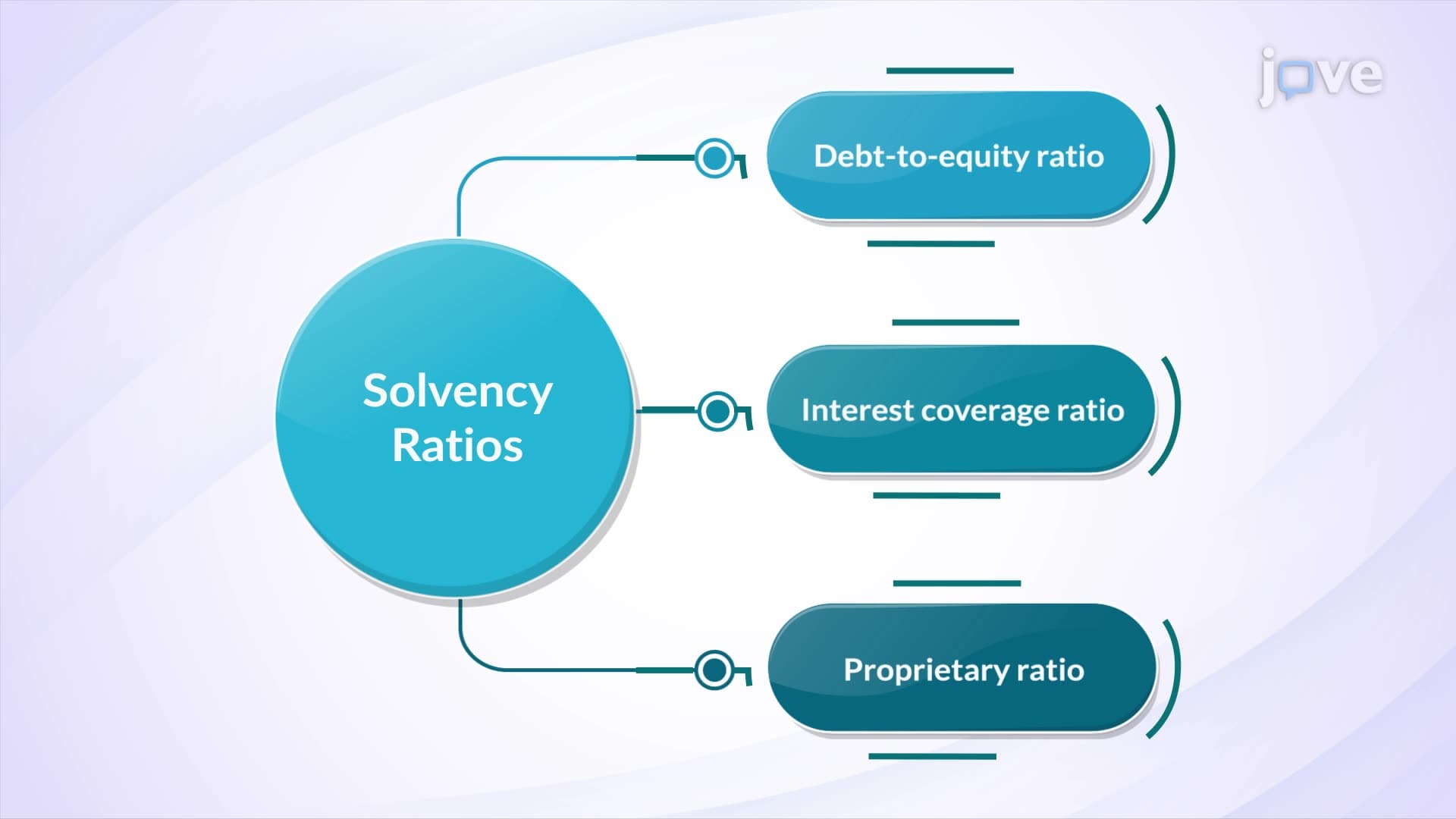
Video Summary: Solvency Ratios Interest Coverage Ratio Explained
Financial leaders at companies like General Electric and Ford Motor Company face critical decisions about debt capacity and borrowing costs that directly impact shareholder value. Understanding solvency ratios interest coverage enables executives to assess whether their organization can sustainably service debt obligations while maintaining operational flexibility. The Interest Coverage Ratio Explained framework provides a clear methodology for evaluating financial stability by comparing earnings before interest and taxes (EBIT) to interest expenses. Watch the full video on JoVE Coach to master this concept with expert-led visuals and step-by-step explanations.
When Caterpillar Inc. navigates cyclical downturns in construction and mining markets, their financial leadership relies heavily on interest coverage analysis to maintain investor confidence and preserve credit ratings. The interest coverage ratio serves as a critical solvency metric that reveals whether a company generates sufficient operating earnings to meet debt service obligations without compromising growth investments or dividend payments.
The interest coverage ratio formula-EBIT divided by Interest Expense-provides immediate insight into debt sustainability. For instance, if Microsoft reports EBIT of $70 billion against interest expenses of $2.6 billion, their coverage ratio of approximately 27 indicates exceptionally strong debt servicing capacity. This calculation helps executives determine optimal capital structure and informs decisions about additional borrowing for expansion, acquisitions, or shareholder returns.
Different sectors require varying coverage thresholds based on cash flow predictability and capital intensity. Technology companies like Apple typically maintain higher ratios due to strong cash generation, while utilities such as Duke Energy operate with lower ratios given their stable, regulated revenue streams. Professional investors and corporate development teams use these benchmarks to evaluate acquisition targets, assess refinancing opportunities, and structure debt covenants.
Credit agencies like Moody's and Standard & Poor's incorporate interest coverage ratios into rating methodologies, directly impacting borrowing costs. Companies maintaining ratios above 4.0 typically secure investment-grade ratings, while ratios below 2.0 signal potential distress. Corporate treasurers monitor these metrics quarterly to anticipate rating changes and adjust financing strategies accordingly, ensuring access to capital markets remains unimpaired during strategic initiatives or economic uncertainty.
Related Micro-courses