Loading subject page…

- Finance
- Financial Ratio Analysis
- Activity Ratio: Working Capital
Micro-course: Financial Ratio Analysis
5,239 views
Learn key concepts and earn your certificate.








Activity Ratio: Working Capital

00:00
01:23
Video Summary: What Is Activity Ratio Working Capital
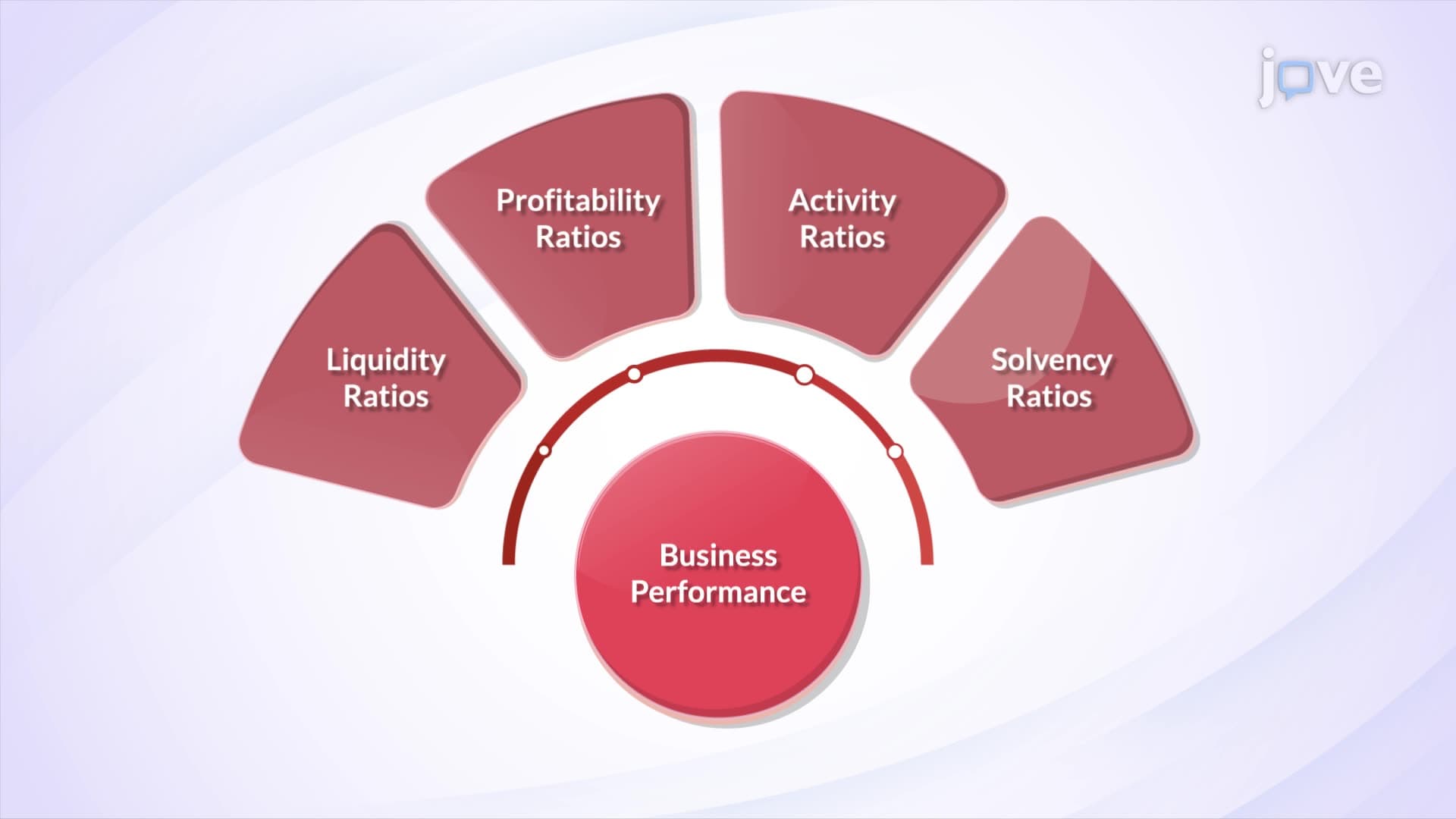
CFOs at major retailers like Target face constant pressure to optimize cash flow during seasonal fluctuations. Activity ratio working capital measures how efficiently companies convert current assets into operational cash flow, directly impacting liquidity management decisions. This metric helps executives identify bottlenecks in inventory turnover, receivables collection, and supplier payment cycles that can make or break quarterly performance. Watch the full video on JoVE Coach to master this concept with expert-led visuals and step-by-step explanations.
- Apply activity ratio working capital analysis to identify cash conversion cycle inefficiencies that impact quarterly earnings
- Evaluate supplier payment terms and customer credit policies to optimize working capital allocation across business units
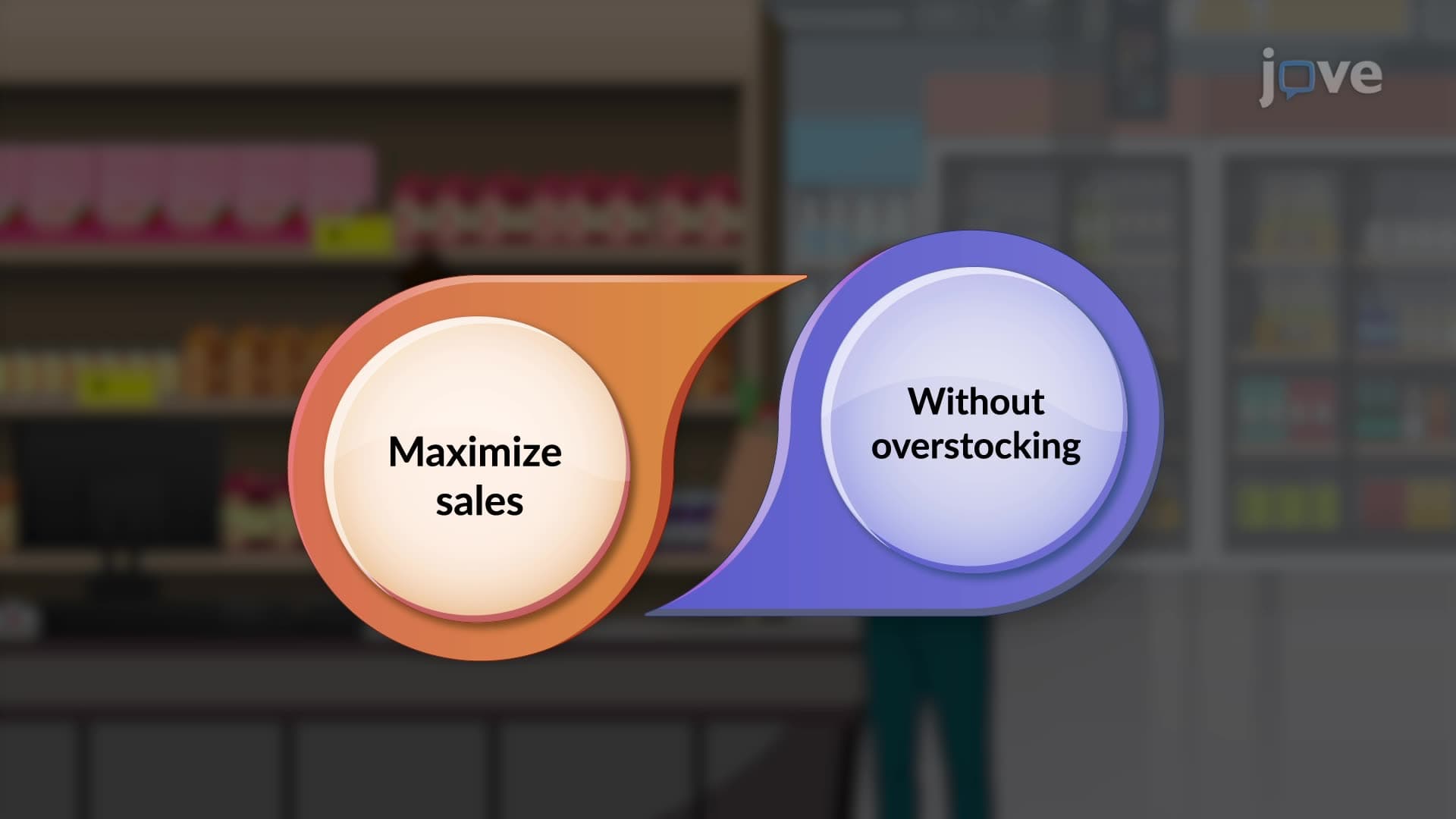
- Analyze inventory turnover patterns to prevent stock-outs while minimizing carrying costs and obsolescence risk
- Implement working capital benchmarks to compare operational efficiency against industry competitors and market leaders
- Assess the financial health implications of negative working capital scenarios before they trigger credit line violations
- Leverage activity ratios to support capital allocation decisions in budget planning and strategic investment discussions
- Identify early warning signals of liquidity stress that require immediate management intervention and stakeholder communication
- Compare working capital efficiency metrics across product lines to inform portfolio optimization and resource reallocation strategies
Understanding Activity Ratio Working Capital in Strategic Context
When Walmart's CFO presents quarterly results, working capital efficiency directly impacts the company's ability to fund expansion while maintaining operational flexibility. Activity ratio working capital combines traditional working capital analysis with turnover metrics to reveal how effectively management converts current assets into cash flow. This dual perspective helps executives move beyond static balance sheet snapshots to dynamic operational insights.
Working Capital Foundation and Business Impact
Working capital represents the financial cushion available for daily operations, calculated as current assets minus current liabilities. However, the raw dollar amount tells only part of the story. A manufacturing company like General Electric might maintain $10 billion in working capital, while a software company like Microsoft operates efficiently with negative working capital due to subscription revenue models and minimal inventory requirements.
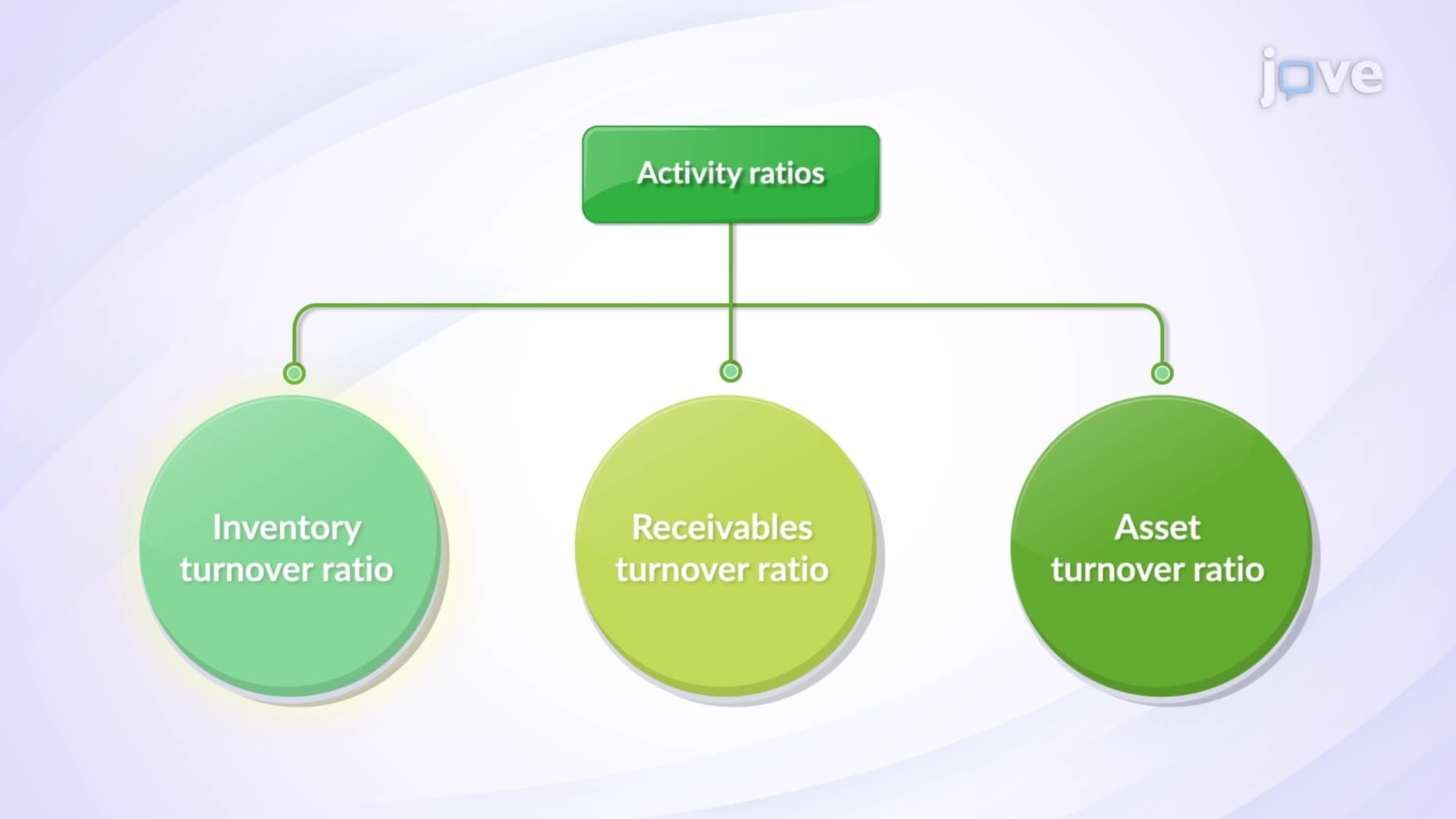
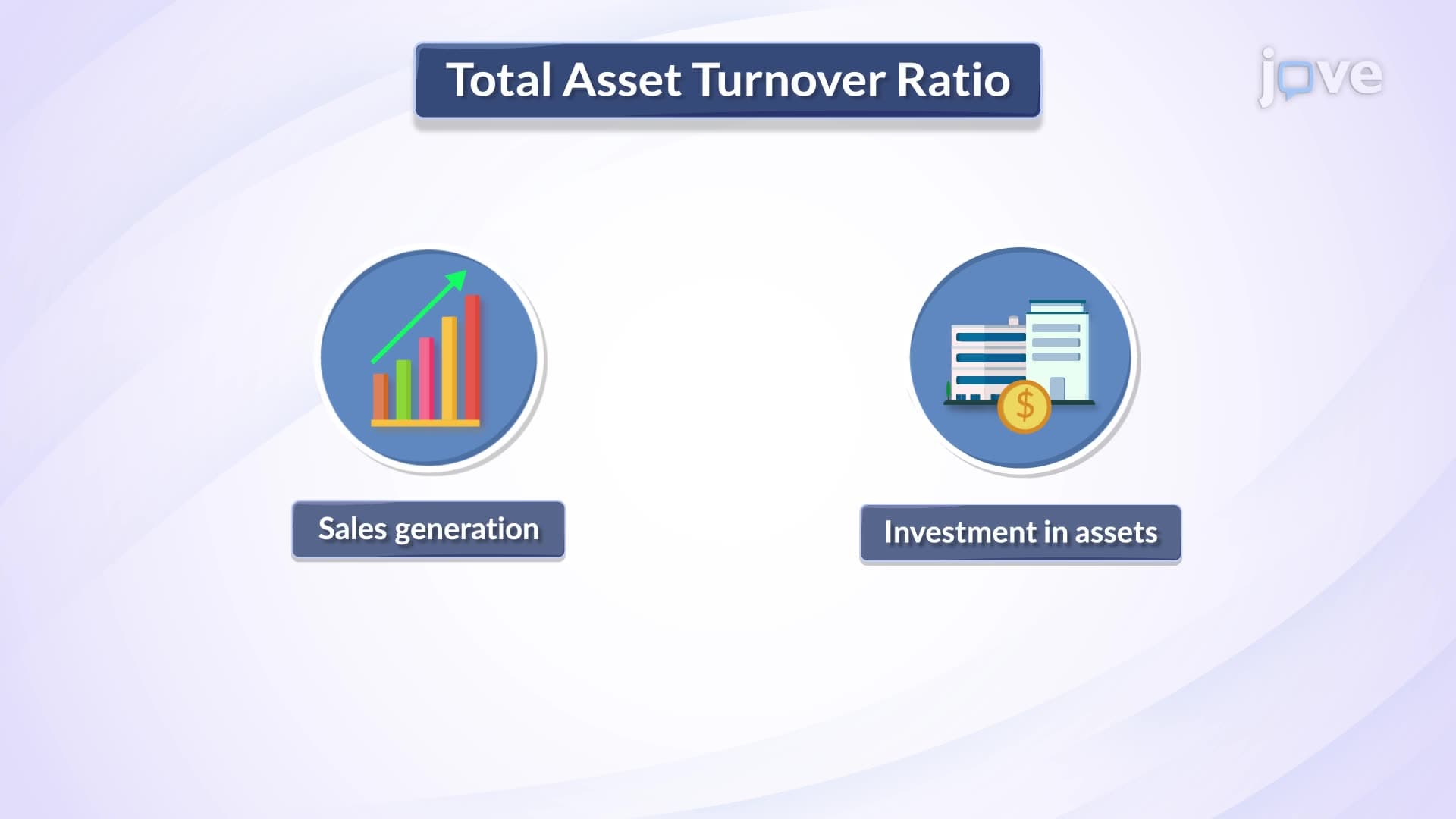
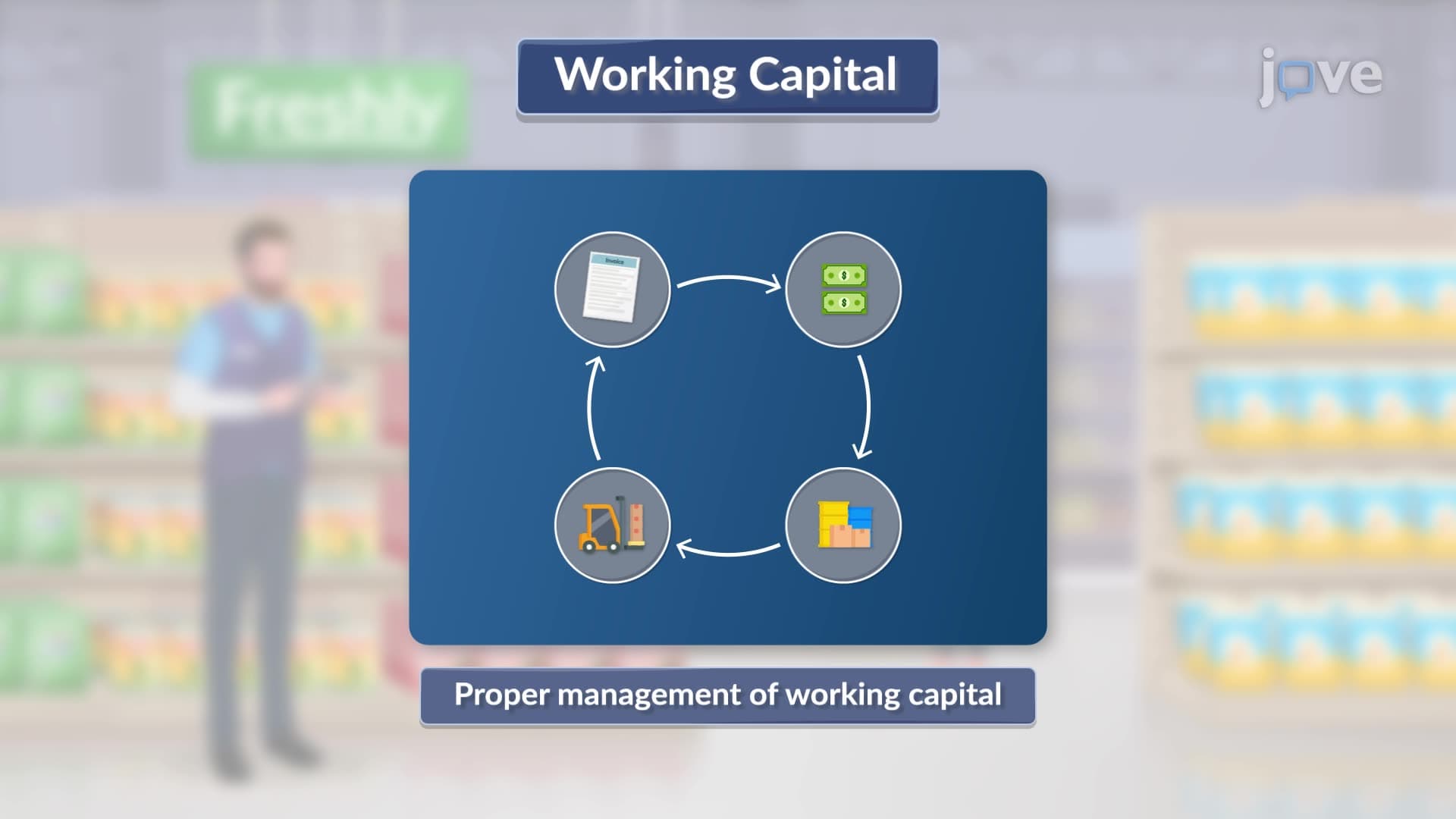
The activity component examines how quickly companies cycle through this working capital. Inventory turnover, accounts receivable collection periods, and accounts payable payment cycles create the cash conversion cycle-the time between cash outflows for operations and cash inflows from sales.
Strategic Applications for Executive Decision-Making
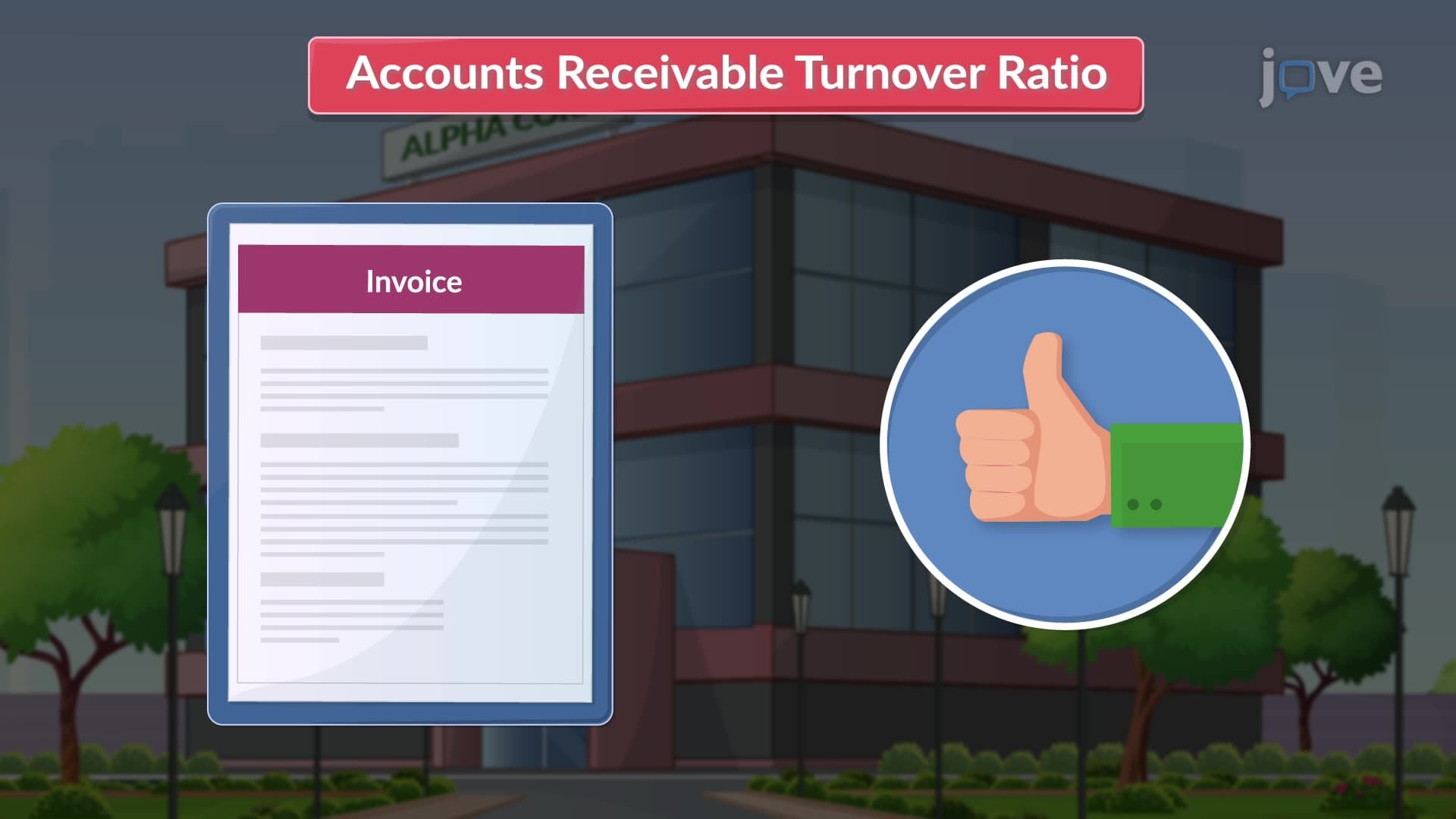
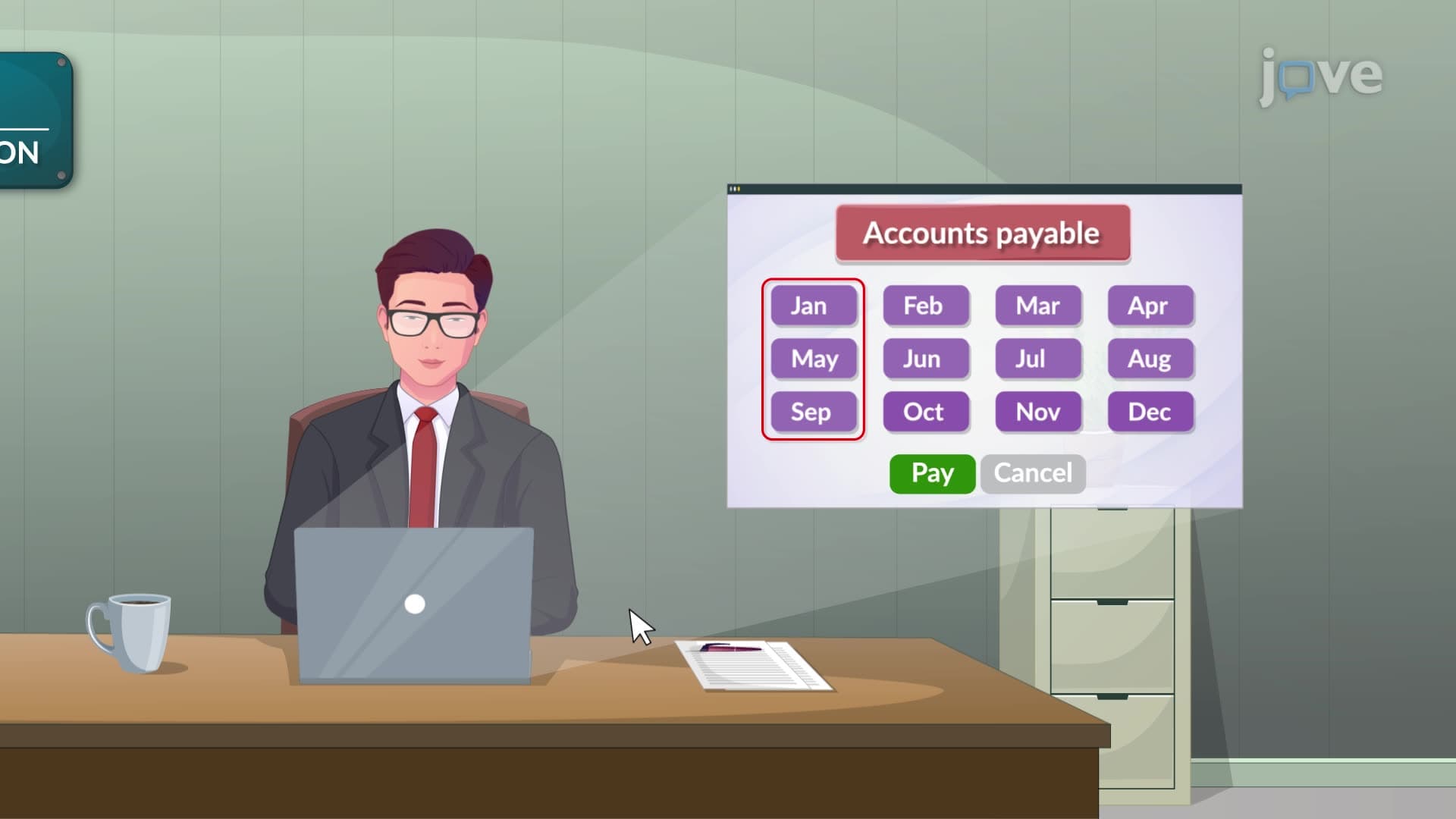
Activity ratio working capital analysis drives critical business decisions across multiple functions. Supply chain executives use inventory turnover ratios to optimize procurement strategies and warehouse efficiency. Sales leaders leverage accounts receivable turnover to evaluate customer creditworthiness and payment terms. Treasury teams analyze accounts payable turnover to negotiate favorable supplier relationships while preserving cash flow.
During economic downturns, companies like Ford have successfully preserved liquidity by accelerating collections, extending payment terms with suppliers, and reducing inventory levels-all visible through activity ratio improvements.
Competitive Intelligence and Industry Benchmarking
Smart executives compare their working capital efficiency against industry peers to identify competitive advantages or operational gaps. Amazon's negative working capital model-collecting customer payments before paying suppliers-provides significant competitive advantages in cash flow management. Traditional retailers studying Amazon's approach can identify opportunities to restructure their own working capital cycles.
Activity ratios also reveal seasonal patterns and cyclical trends that inform strategic planning. Retail companies typically see working capital fluctuations during holiday seasons, while agricultural businesses experience harvest-driven cycles that require specialized financing arrangements.
Frequently Asked Questions
Activity ratio working capital combines static working capital calculations with dynamic turnover metrics to show how efficiently companies convert current assets into cash flow. Unlike traditional working capital that shows a point-in-time snapshot, activity ratios reveal the speed and efficiency of cash conversion cycles, helping executives identify operational bottlenecks and optimization opportunities.
Present activity ratios alongside working capital trends to demonstrate operational efficiency improvements and identify cash flow optimization opportunities. Use industry benchmarks to highlight competitive positioning and support capital allocation decisions. Frame discussions around cash conversion cycle improvements that directly impact quarterly earnings and credit facility requirements.
Monitor declining inventory turnover, extending collection periods, or accelerating payment cycles that suggest operational stress or market challenges. These trends often precede cash flow problems and may require immediate management intervention. Establish threshold metrics that trigger deeper analysis and corrective action plans.
Costco collects membership fees upfront while maintaining rapid inventory turnover (approximately 12 times annually) and negotiating extended payment terms with suppliers. This creates a cash flow positive model where customer payments and membership revenues fund operations before supplier payments are due, maintaining healthy working capital levels.
Basic understanding of financial statements and ratio analysis is sufficient to interpret working capital activity ratios effectively. Focus on trends and industry comparisons rather than complex modeling. Most business intelligence platforms provide automated calculations and benchmarking that simplify analysis for operational managers.
Working capital optimization directly affects company profitability and cash flow, making this expertise valuable for senior management roles. CFOs and COOs regularly discuss working capital efficiency with boards and investors. Demonstrating ability to identify and implement working capital improvements positions you for treasury, operations, or general management advancement opportunities.
Progress to cash conversion cycle optimization, days sales outstanding (DSO) management, and supplier financing strategies. Explore working capital as a percentage of sales analysis and seasonal working capital forecasting techniques that support strategic planning and credit facility management.
Activity ratios reveal operational efficiency differences between companies and identify post-merger integration opportunities. Acquirers analyze target companies' working capital cycles to estimate synergy potential and integration complexity. Superior working capital management often justifies premium valuations in strategic transactions.
Related Micro-courses