Loading subject page…

- Finance
- Financial Ratio Analysis
- Liquidity Ratios: Quick Ratio
Micro-course: Financial Ratio Analysis
5,239 views
Learn key concepts and earn your certificate.














Liquidity Ratios: Quick Ratio

00:00
01:26
Video Summary: What Is Liquidity Ratios Quick Ratio
Understanding liquidity ratios quick ratio is critical for financial decision-making, especially when creditors scrutinize your company's short-term solvency. Companies like Apple maintain strong quick ratios above 1.0, demonstrating their ability to meet immediate obligations without liquidating inventory. This acid-test ratio reveals whether your business can weather cash flow disruptions or unexpected market downturns by measuring liquid assets against current liabilities. Watch the full video on JoVE Coach to master this concept with expert-led visuals and step-by-step explanations.
- Apply quick ratio analysis to evaluate supplier payment capabilities and credit risk in vendor relationships
- Assess your company's short-term financial stability during budget planning and cash flow forecasting sessions
- Identify potential liquidity constraints before they impact operations or require emergency financing
- Compare competitor financial health using publicly available quick ratio data for strategic positioning
- Evaluate acquisition targets by analyzing their ability to meet short-term obligations without inventory liquidation
- Implement quick ratio monitoring as part of monthly financial dashboards for executive reporting
- Analyze seasonal business fluctuations and their impact on liquid asset management
- Leverage quick ratio insights when negotiating payment terms with suppliers and customers
Understanding Liquidity Ratios Quick Ratio in Strategic Context
When Starbucks expanded aggressively in the early 2000s, financial analysts closely monitored the company's quick ratio to assess whether rapid growth was compromising short-term financial stability. The quick ratio, also known as the acid-test ratio, strips away the uncertainty of inventory valuation to provide a clearer picture of immediate liquidity.
Calculating and Interpreting Quick Ratio Performance
The formula is straightforward: Quick Ratio = (Current Assets - Inventory) ÷ Current Liabilities. This calculation removes inventory because converting stock to cash can be unpredictable-especially during economic downturns when demand weakens or supply chains disrupt pricing. A ratio above 1.0 indicates sufficient liquid assets to cover short-term obligations, while ratios below 1.0 signal potential cash flow challenges.
Consider Target's seasonal inventory buildup before holiday shopping seasons. While current ratios might appear strong due to increased merchandise, the quick ratio reveals the true liquidity position by excluding inventory that may not sell as expected. This distinction becomes crucial during earnings calls when investors question working capital efficiency.
Industry Benchmarks and Competitive Analysis
Quick ratio standards vary significantly across industries. Technology companies like Microsoft typically maintain higher quick ratios due to minimal inventory requirements, while retailers like Walmart operate efficiently with lower ratios because of rapid inventory turnover. Manufacturing companies such as General Electric face different challenges, as their inventory includes work-in-progress items that can't be quickly liquidated.
Strategic Applications for Management Decisions
Finance executives use quick ratio trends to inform critical business decisions. During merger negotiations, acquirers scrutinize target companies' quick ratios to identify hidden liquidity risks that could affect deal valuations. Credit managers reference these ratios when establishing customer credit limits, while treasury teams monitor quick ratios to optimize cash management strategies and credit facility utilization.
Frequently Asked Questions
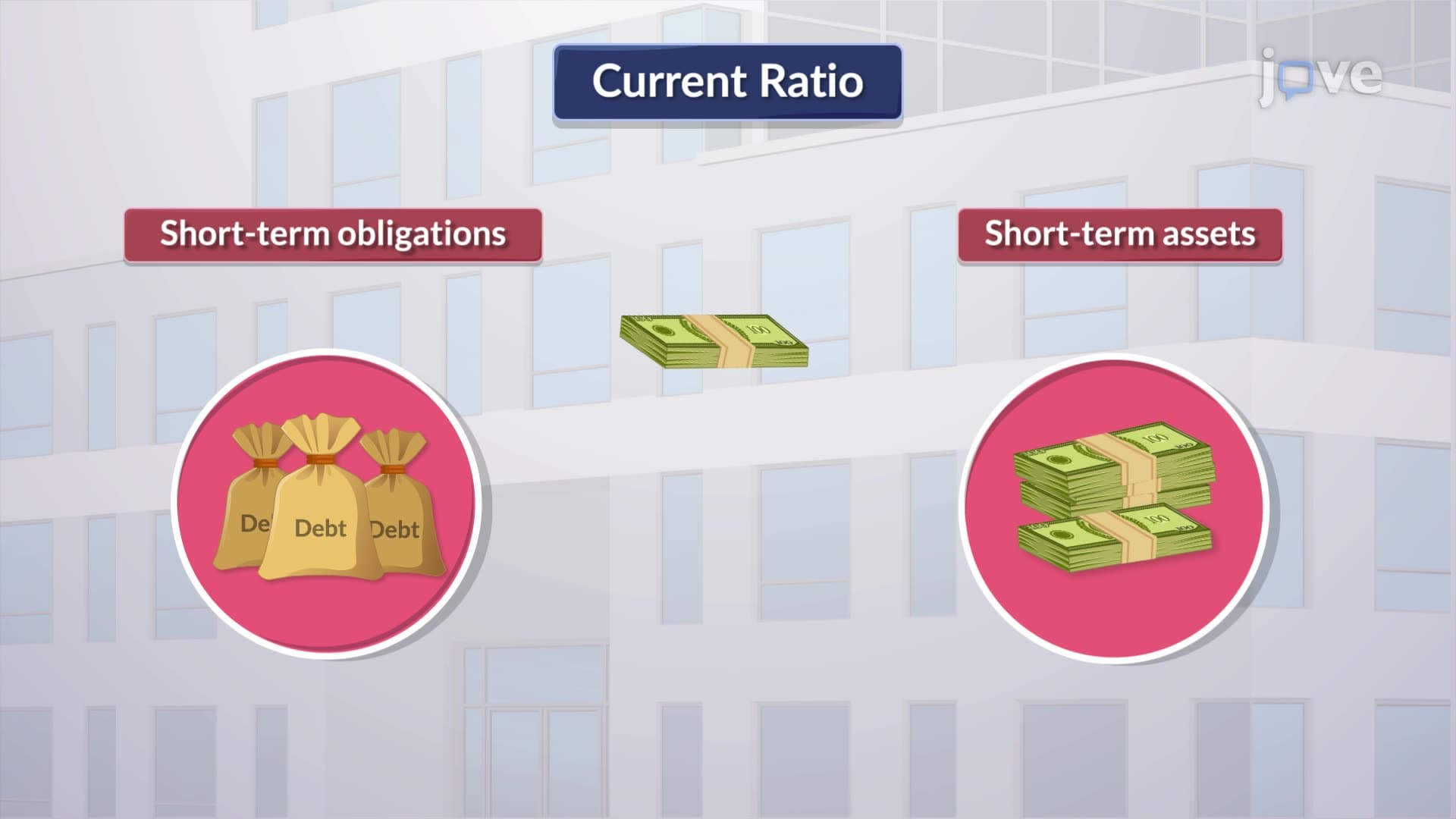
The quick ratio measures a company's ability to pay short-term debts using only the most liquid assets, excluding inventory. Unlike the current ratio, it provides a more conservative assessment by removing inventory, which may be difficult to convert to cash quickly during financial stress.
Compare your company's quick ratio trends against industry benchmarks to identify liquidity strengths or weaknesses. Present ratio improvements as evidence of enhanced financial management, or flag declining ratios as early warning signals requiring cash flow attention during leadership presentations.
Quick ratios below 0.8 warrant careful payment term negotiations, especially with new suppliers. Companies with declining quick ratios over multiple quarters may pose collection risks, prompting you to require deposits or shorter payment terms to protect your business.
During the 2020 pandemic, airlines like Delta faced severe quick ratio pressure as cash reserves dwindled while current liabilities remained high. Investors and creditors closely monitored these ratios to assess which carriers could survive without bankruptcy, directly influencing lending decisions and stock valuations.
No advanced accounting knowledge is required. Basic financial statement reading skills enable you to extract the necessary figures and calculate ratios. The key is understanding business context-recognizing when quick ratio changes signal operational shifts rather than just numerical fluctuations.
Quick ratio expertise demonstrates financial acumen valued in management roles, credit analysis positions, and business development functions. This skill enhances your ability to assess business partnerships, evaluate investment opportunities, and contribute meaningfully to strategic financial discussions with senior leadership.
After mastering quick ratios, explore cash conversion cycles to understand how efficiently companies transform investments into cash flows. This progression provides comprehensive working capital analysis skills essential for advanced financial management roles.
Related Micro-courses