Loading subject page…

- Finance
- Financial Ratio Analysis
- Solvency Ratios: Proprietary Ratio
Micro-course: Financial Ratio Analysis
5,239 views
Learn key concepts and earn your certificate.



















Solvency Ratios: Proprietary Ratio

00:00
01:25
Video Summary: What Is Solvency Ratios Proprietary Ratio
When evaluating potential acquisitions or expansion financing, understanding a company's solvency ratios proprietary ratio becomes critical for strategic decision-making. This financial metric reveals how much of a company's total assets are funded through shareholder equity versus debt, directly impacting risk assessment and investment attractiveness. Consider how Apple's strong equity position enables aggressive R&D investments without excessive leverage concerns. The proprietary ratio calculation provides executives and analysts with essential insights for capital structure decisions, merger evaluations, and competitive positioning. Watch the full video on JoVE Coach to master this concept with expert-led visuals and step-by-step explanations.
- Apply proprietary ratio analysis to evaluate potential acquisition targets and assess their financial stability before major strategic investments
- Evaluate your company's capital structure strength when preparing board presentations for expansion funding or debt restructuring initiatives
- Analyze competitive positioning by comparing proprietary ratios across industry peers to identify operational leverage advantages
- Implement systematic solvency assessment frameworks when conducting due diligence for partnerships, joint ventures, or supplier relationships
- Assess financial risk levels in portfolio companies or business units to optimize capital allocation and resource deployment strategies
- Leverage proprietary ratio insights during investor relations communications to demonstrate financial prudence and growth sustainability
- Identify early warning signals of over-leveraged competitors that may create market consolidation opportunities
- Compare financing alternatives by modeling how different capital structures would impact your company's proprietary ratio and risk profile
Understanding Solvency Ratios Proprietary Ratio in Strategic Context
In today's capital-intensive business environment, CFOs and strategic leaders face mounting pressure to optimize capital structures while maintaining growth flexibility. The proprietary ratio serves as a fundamental solvency metric that measures the percentage of total assets financed through shareholder equity, providing critical insights into financial stability and strategic positioning.
Calculation Framework and Business Interpretation
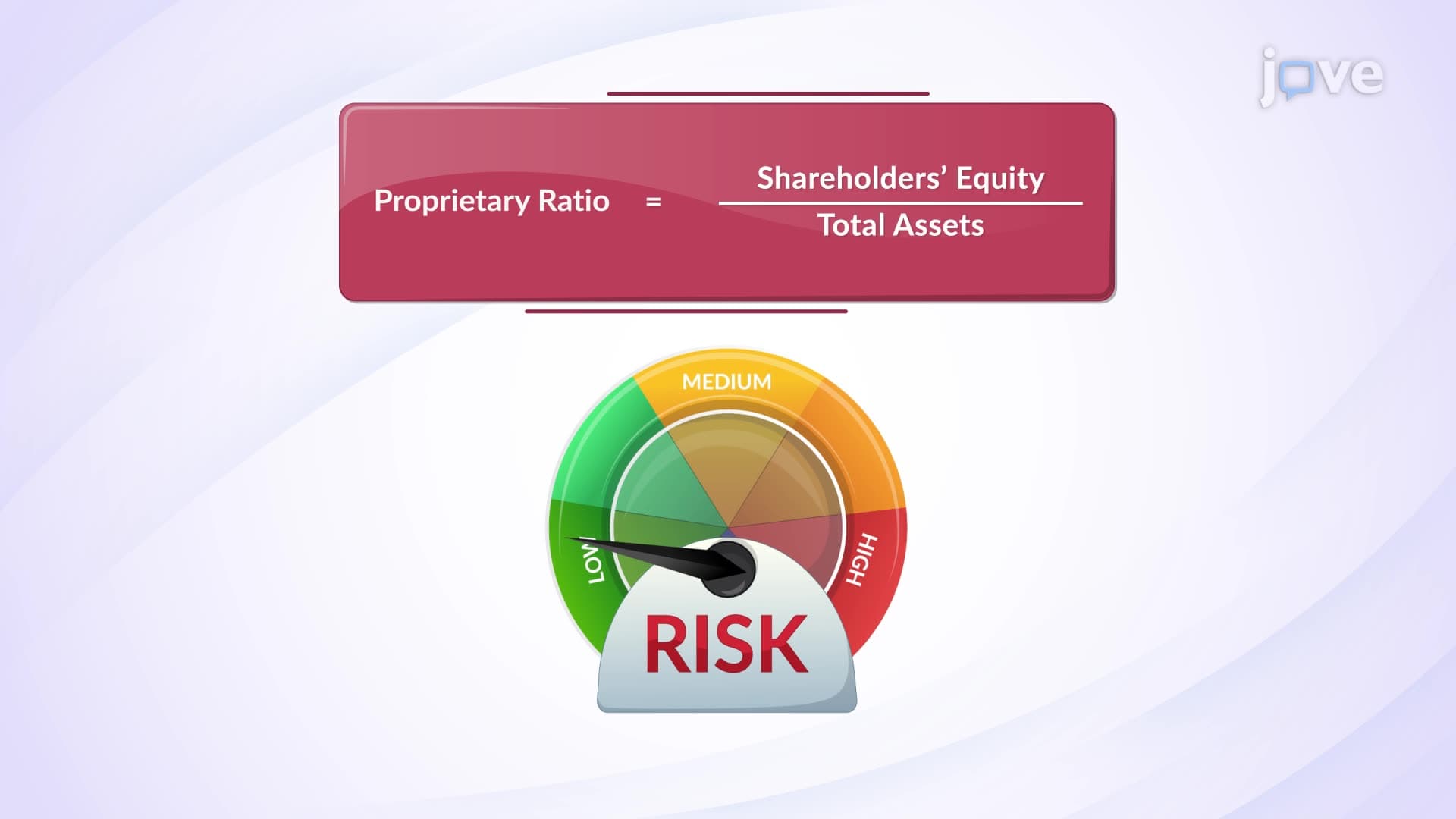
The proprietary ratio formula is straightforward: Shareholder Equity ÷ Total Assets = Proprietary Ratio. However, the strategic implications extend far beyond basic arithmetic. A higher ratio indicates stronger equity financing, reduced bankruptcy risk, and greater operational independence. Microsoft's historically strong proprietary ratio has enabled the company to pursue aggressive cloud infrastructure investments without compromising financial flexibility, while heavily leveraged competitors faced constraints during economic downturns.
Industry Benchmarking and Competitive Analysis
Proprietary ratios vary significantly across industries due to different capital requirements and business models. Technology companies like Google typically maintain higher ratios (often 0.7+) due to asset-light operations, while capital-intensive sectors like utilities or manufacturing may operate effectively with lower ratios (0.3-0.5). Walmart's consistent proprietary ratio management has supported its massive distribution network investments while maintaining investor confidence through various economic cycles.
Strategic Decision-Making Applications
Executive teams leverage proprietary ratio analysis across multiple strategic contexts. During M&A evaluations, this metric helps assess target company stability and integration risks. For capital planning, it guides optimal debt-equity mixes that balance growth funding with financial prudence. Private equity firms particularly scrutinize proprietary ratios when evaluating portfolio company performance and exit readiness, as stronger ratios typically command higher valuation multiples and attract more strategic buyers.
Frequently Asked Questions
The proprietary ratio measures what percentage of your company's total assets are financed through shareholder equity rather than debt. It's essentially a financial stability indicator that shows how much of your business is truly "owned" versus borrowed. Higher ratios indicate stronger financial independence and lower bankruptcy risk, making companies more attractive to investors and lenders.
Start by comparing the target's proprietary ratio to industry benchmarks and direct competitors to assess relative financial strength. A higher ratio suggests lower integration risk and fewer hidden liabilities, while extremely low ratios may indicate overleveraging or potential distress. Factor this into your valuation models and post-acquisition capital structure planning.
Frame your current ratio as evidence of financial prudence and growth readiness, comparing it favorably to industry peers. If seeking debt financing, demonstrate how the new leverage will still maintain a healthy ratio above industry minimums. If pursuing equity financing, show how improving the ratio will enhance strategic flexibility and reduce financial risk for future opportunities.
Amazon strategically maintained relatively conservative proprietary ratios during its early growth phases, enabling massive infrastructure investments in fulfillment centers and AWS without triggering debt covenant concerns. This financial discipline allowed the company to weather the dot-com crash while competitors with weaker ratios faced liquidity crises, ultimately contributing to Amazon's market dominance.
Not at all, the calculation is straightforward division, and the business interpretation focuses on common-sense financial health concepts. Any manager comfortable with basic P&L analysis can master this metric quickly. The key is understanding industry context and competitive benchmarking rather than complex mathematical modeling.
Strong solvency analysis skills demonstrate strategic thinking and risk management capabilities that boards and senior executives highly value. This expertise positions you for roles in corporate development, strategic planning, or CFO track positions. It's particularly valuable for consulting, investment banking, or private equity career paths where financial analysis drives client recommendations.
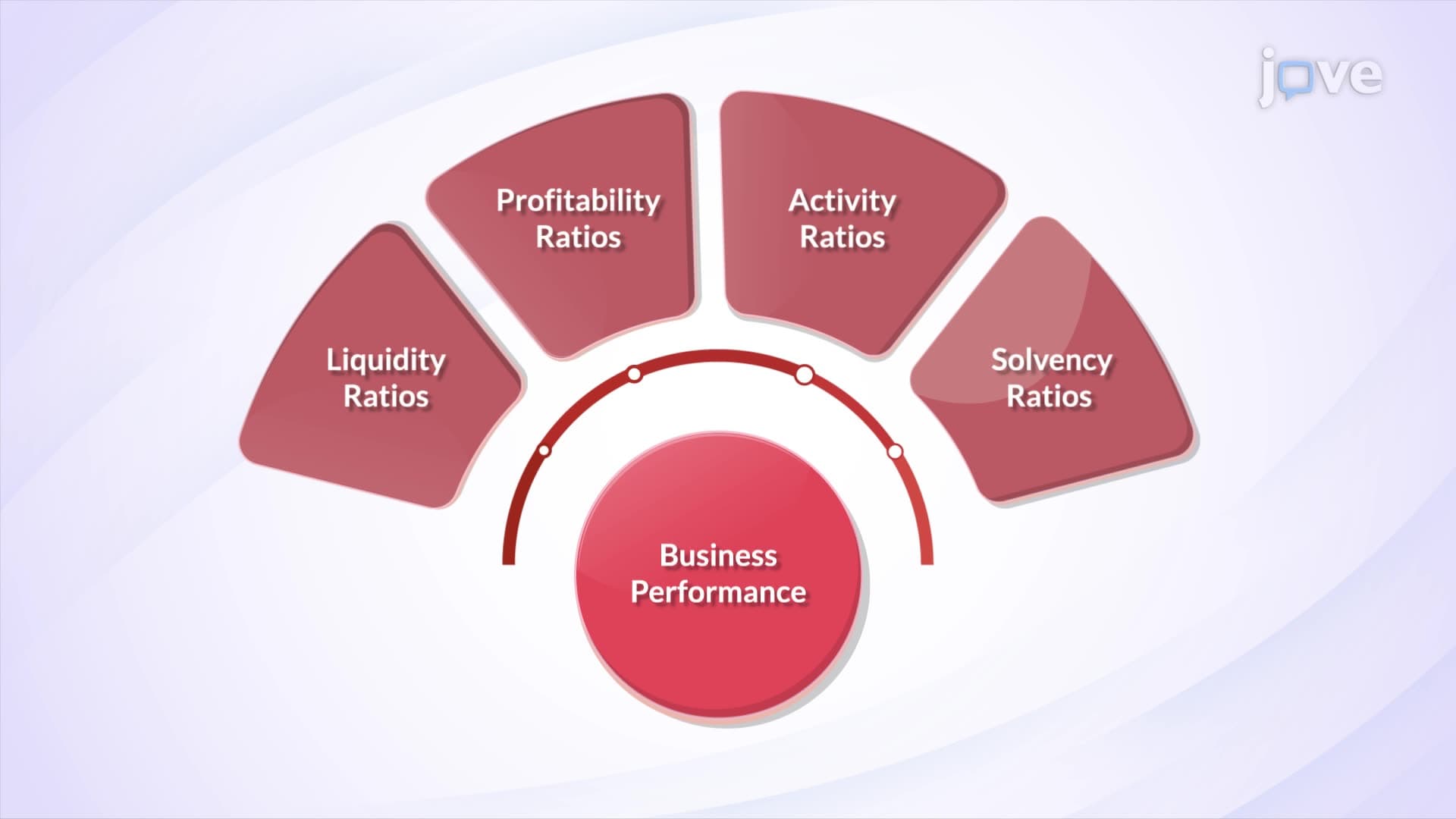
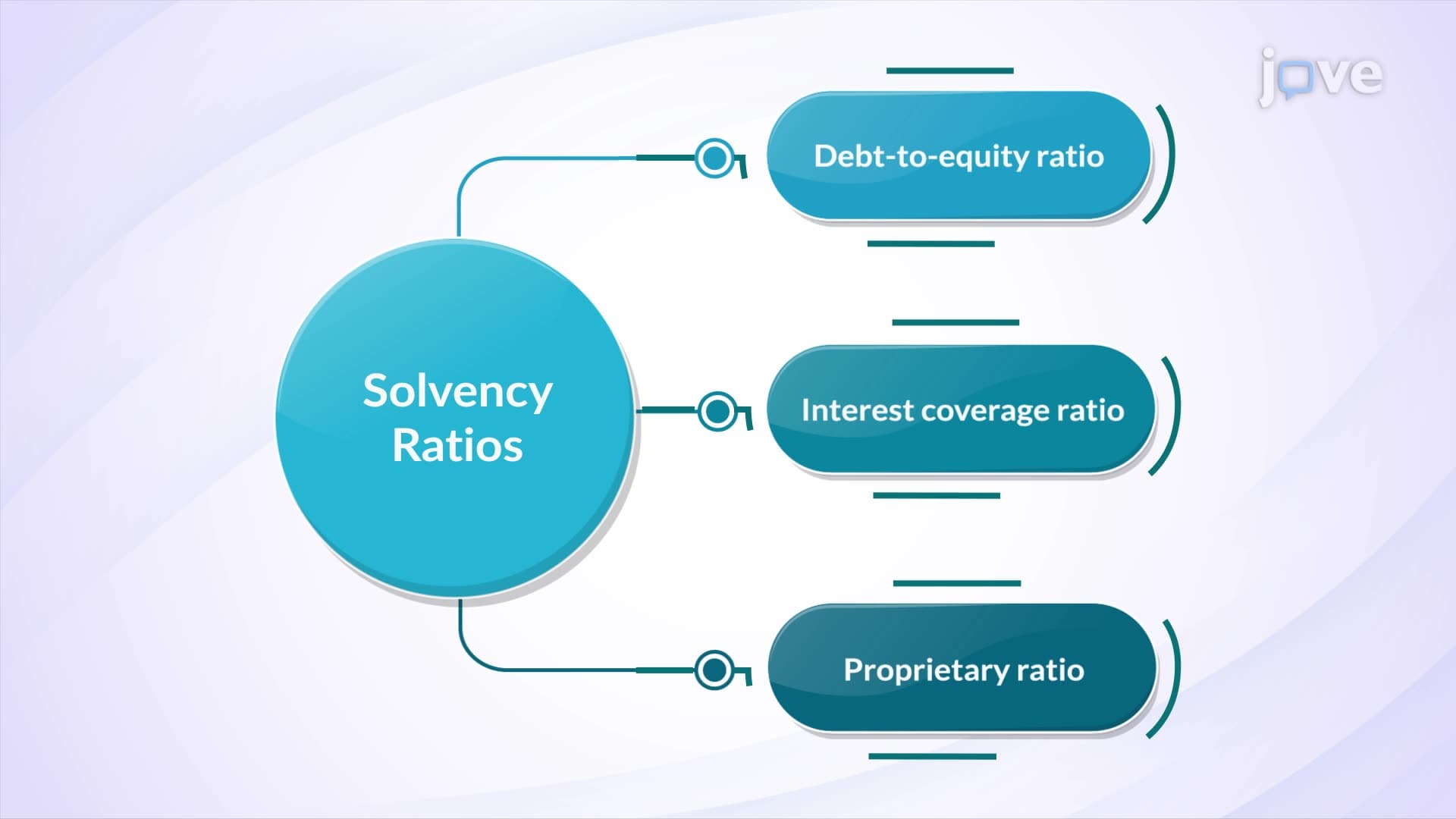
Debt-to-equity ratios and times interest earned ratios provide complementary leverage perspectives, while return on equity analysis shows how effectively companies generate returns from their equity base. Understanding these interconnected solvency and profitability metrics creates a comprehensive framework for strategic financial analysis.
Monitor quarterly alongside other key financial metrics, with monthly tracking during periods of significant capital structure changes or market volatility. Establish trigger points that would prompt strategic discussions, for example, if the ratio drops below industry benchmarks or covenant requirements, indicating potential need for equity infusion or debt restructuring.
Related Micro-courses