Loading video…

 22 Concepts
 3.2K views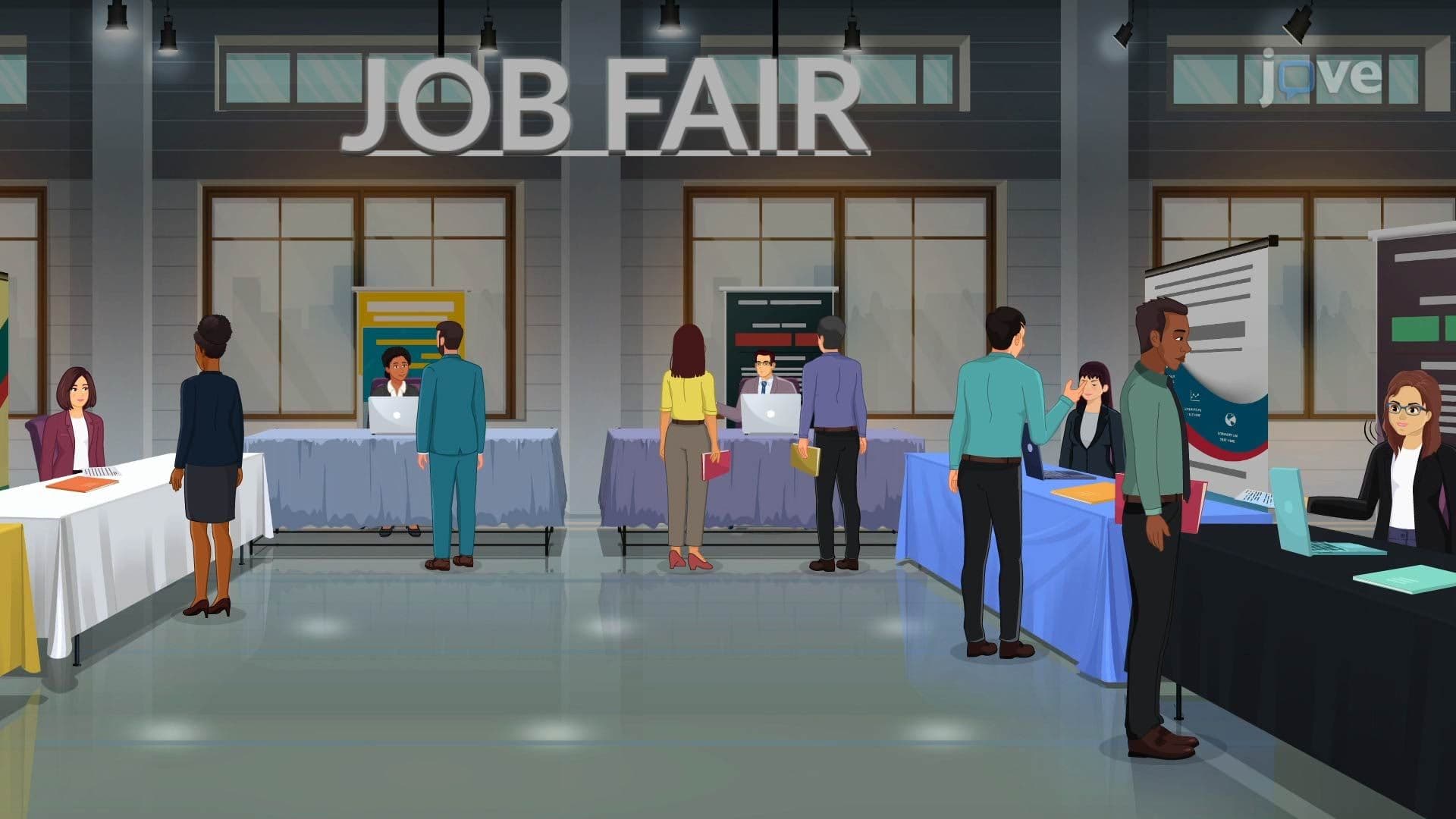

Video Summary: Public Policy to Reduce Unemployment Explained
Did you know that government employment services help over 20 million Americans find jobs annually? Public policy to reduce unemployment encompasses strategic government interventions that directly connect job seekers with opportunities through platforms like CareerOneStop and American Job Centers. These comprehensive programs offer everything from résumé building to career counseling, demonstrating how targeted public policy initiatives can effectively address unemployment challenges across communities. Watch the full video on JoVE Coach to master this concept with expert-led visuals and step-by-step explanations.
Public policy to reduce unemployment represents a coordinated government approach to address joblessness through direct intervention and support services. Unlike passive welfare programs, these policies actively facilitate job placement by creating bridges between employers and job seekers. The theoretical foundation rests on Keynesian economic principles, which argue that government intervention can effectively address market failures in employment matching.
The policy framework operates on multiple levels: federal coordination through the Department of Labor, state implementation through workforce development boards, and local execution through community partnerships. This multi-tiered approach ensures both national consistency and regional customization, addressing diverse economic conditions across different states and metropolitan areas.
Government employment services utilize several key mechanisms to reduce unemployment. Digital platforms like CareerOneStop leverage technology to streamline job searching, offering real-time access to over 7 million job postings nationwide. These systems incorporate labor market information, salary data, and skills assessments to improve job matching efficiency.
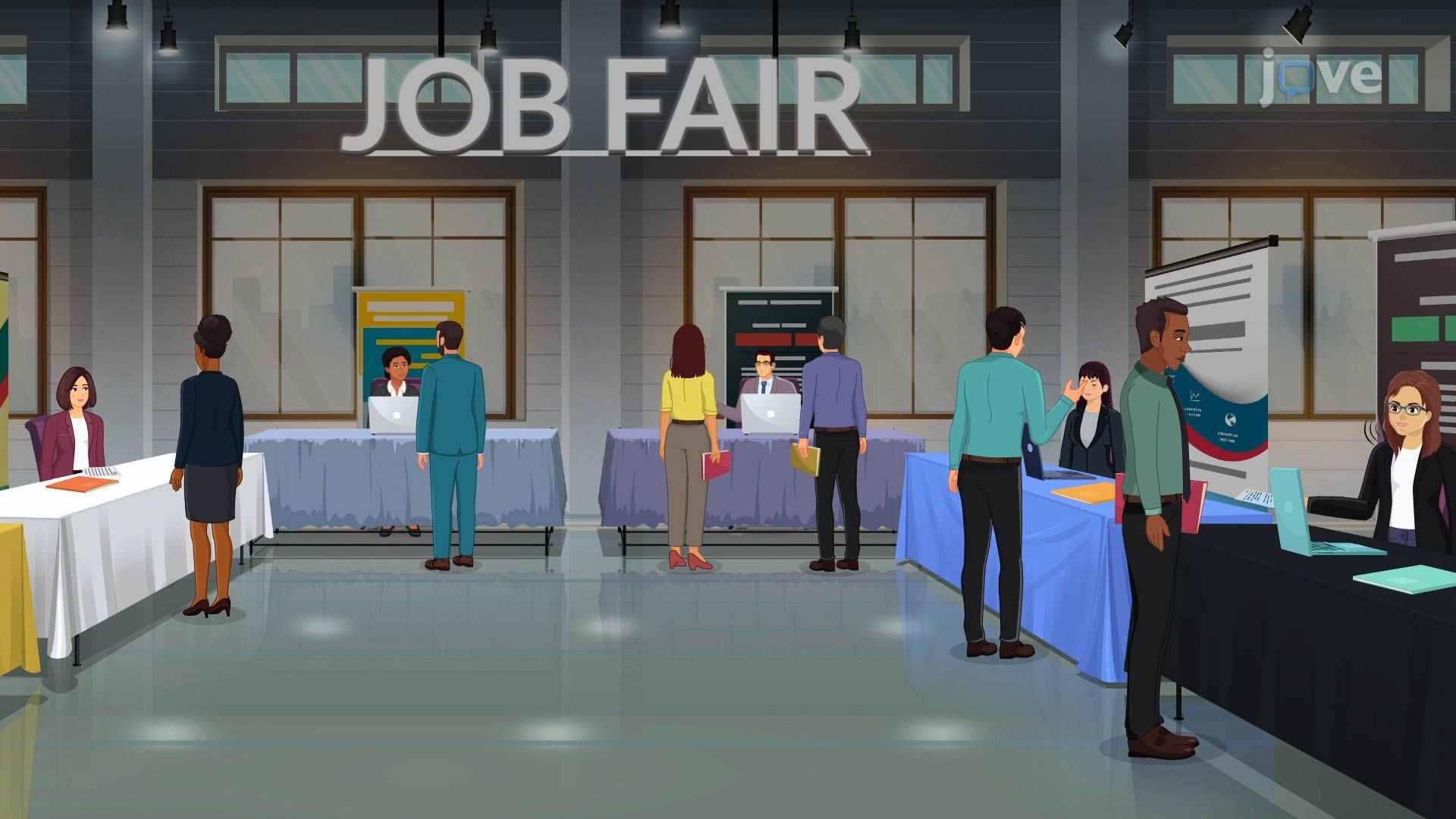
Physical infrastructure plays an equally important role. American Job Centers, operating in all 50 states, provide face-to-face services including interview preparation, skills assessments, and direct employer connections. Job fairs represent another crucial component, creating immediate networking opportunities that bypass traditional application processes.
Training and education programs address structural unemployment by developing workforce skills aligned with market demands. Job Corps exemplifies this approach, providing residential education for disadvantaged youth aged 16-24, combining vocational training with basic education and life skills development.
Research demonstrates that comprehensive employment services reduce unemployment duration by approximately 13% while increasing long-term employment stability. The cost-benefit analysis shows positive returns, with every dollar invested in employment services generating approximately $1.80 in economic benefits through reduced unemployment insurance claims and increased tax revenue.
These policies particularly benefit vulnerable populations including veterans, individuals with disabilities, and long-term unemployed workers. Targeted interventions address specific barriers such as skills gaps, geographic mobility limitations, and employer discrimination, creating more inclusive labor markets.
Students preparing for AP Economics, college macroeconomics courses, or public policy examinations should understand how employment policies connect to broader economic theories. These concepts frequently appear in questions about government intervention, labor market dynamics, and fiscal policy effectiveness. The integration of technology, training, and direct services exemplifies modern public administration approaches that balance efficiency with equity considerations.
Related Micro-courses