Loading video…


 22 Concepts
 3.2K views


Video Summary: The Importance of Studying Unemployment Explained
Why do 6.1 million Americans remain unemployed even during economic growth? The importance of studying unemployment reveals critical insights into labor market dynamics that affect every working person. When the COVID-19 pandemic hit in 2020, U.S. unemployment spiked to 14.8%, demonstrating how quickly job markets can shift and why economists must understand these patterns. The Importance of Studying Unemployment Explained examines why job searches take time, how demographics influence employment rates, and what this means for economic policy. Watch the full video on JoVE Coach to master this concept with expert-led visuals and step-by-step explanations.
Unemployment represents one of the most visible indicators of economic health, making it essential for students to grasp why economists dedicate significant research to this phenomenon. Unlike theoretical economic models that assume perfect market conditions, real-world labor markets exhibit persistent unemployment even during periods of economic expansion. This reality creates compelling questions that drive economic research and policy development.
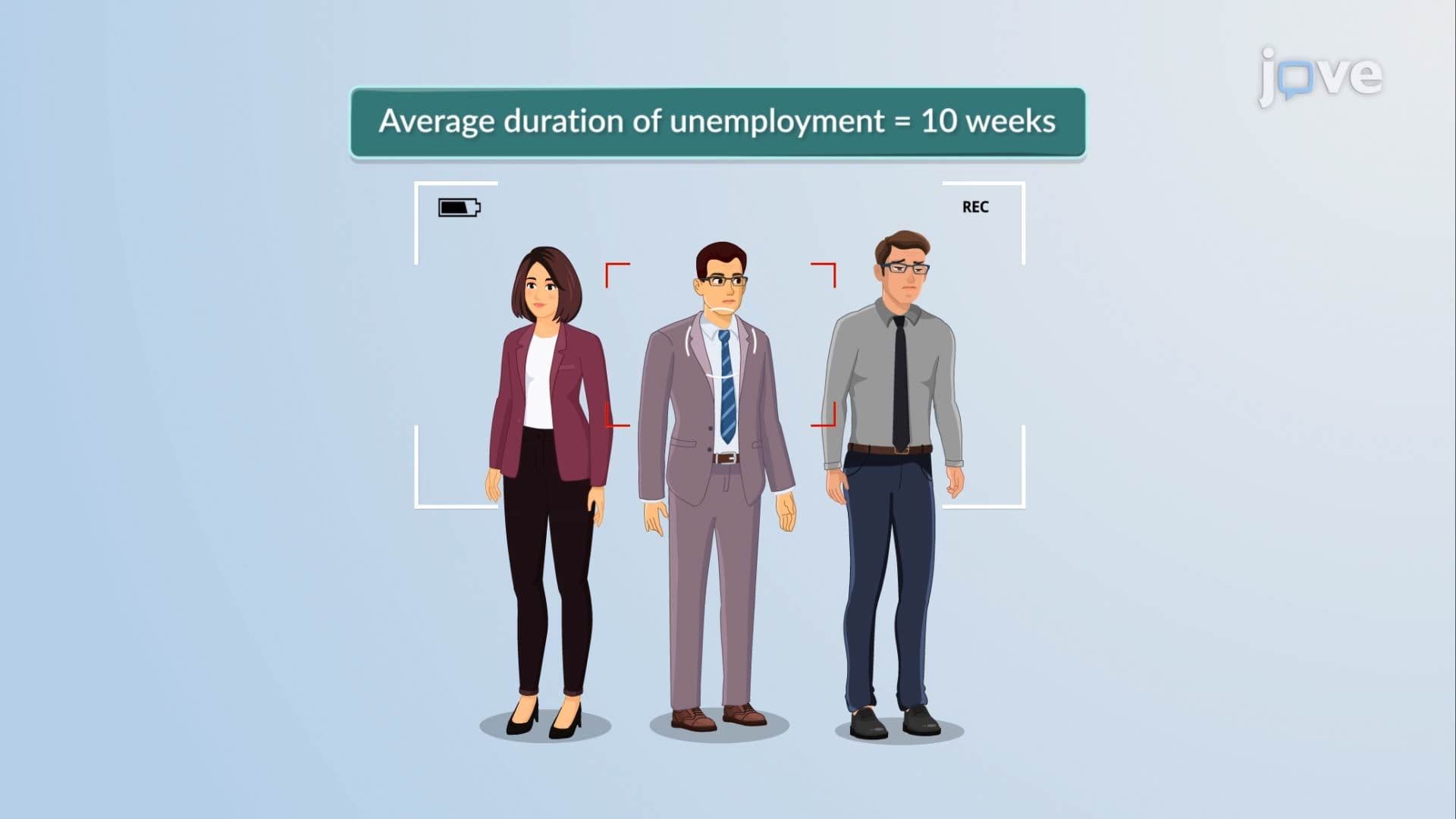
The job search process involves multiple stages that naturally create delays between unemployment and reemployment. Workers must identify opportunities, submit applications, complete interviews, and negotiate terms-all while employers screen candidates and make decisions. This process, known as "search unemployment," explains why even in healthy economies, unemployment rates rarely drop below 3-4%.
Consider the tech industry layoffs of 2022-2023, where experienced software engineers at companies like Meta and Amazon faced months-long job searches despite high demand for their skills. This demonstrates how even qualified workers in growing sectors experience search delays due to market imperfections and matching challenges.
Statistical analysis reveals significant unemployment rate variations across demographic groups. According to Bureau of Labor Statistics data, workers aged 16-24 consistently experience unemployment rates 2-3 times higher than workers over 25. Similarly, individuals without high school diplomas face unemployment rates nearly double those of college graduates.
These disparities reflect multiple factors: younger workers have less experience and fewer professional networks, while education levels correlate with skills demanded in modern economies. Geographic factors also matter-rural areas often experience higher unemployment than urban centers due to limited job diversity and mobility constraints.
Understanding unemployment patterns enables policymakers to design targeted interventions. For instance, recognizing that youth unemployment stems partly from inexperience led to programs like apprenticeships and internship tax credits. Similarly, awareness of geographic employment disparities influenced infrastructure investments and regional development initiatives.
This knowledge becomes particularly valuable during economic downturns. The 2008 Financial Crisis responses, including extended unemployment benefits and job retraining programs, reflected deep understanding of unemployment causes and duration patterns. Students preparing for AP Economics, college macroeconomics courses, or graduate school should master these connections between unemployment research and policy formation, as they frequently appear in exam questions about government intervention and economic stabilization.
Related Micro-courses