Loading video…

 22 Concepts
 3.2K views

Video Summary: What Is Unemployment Insurance
Did you know that unemployment insurance prevents millions of Americans from losing their homes during economic downturns? Unemployment insurance serves as a crucial safety net, providing temporary financial support to workers who lose their jobs through no fault of their own. For instance, during the 2020 pandemic, unemployment insurance helped over 40 million Americans maintain basic living standards while searching for new employment. Watch the full video on JoVE Coach to master this concept with expert-led visuals and step-by-step explanations.
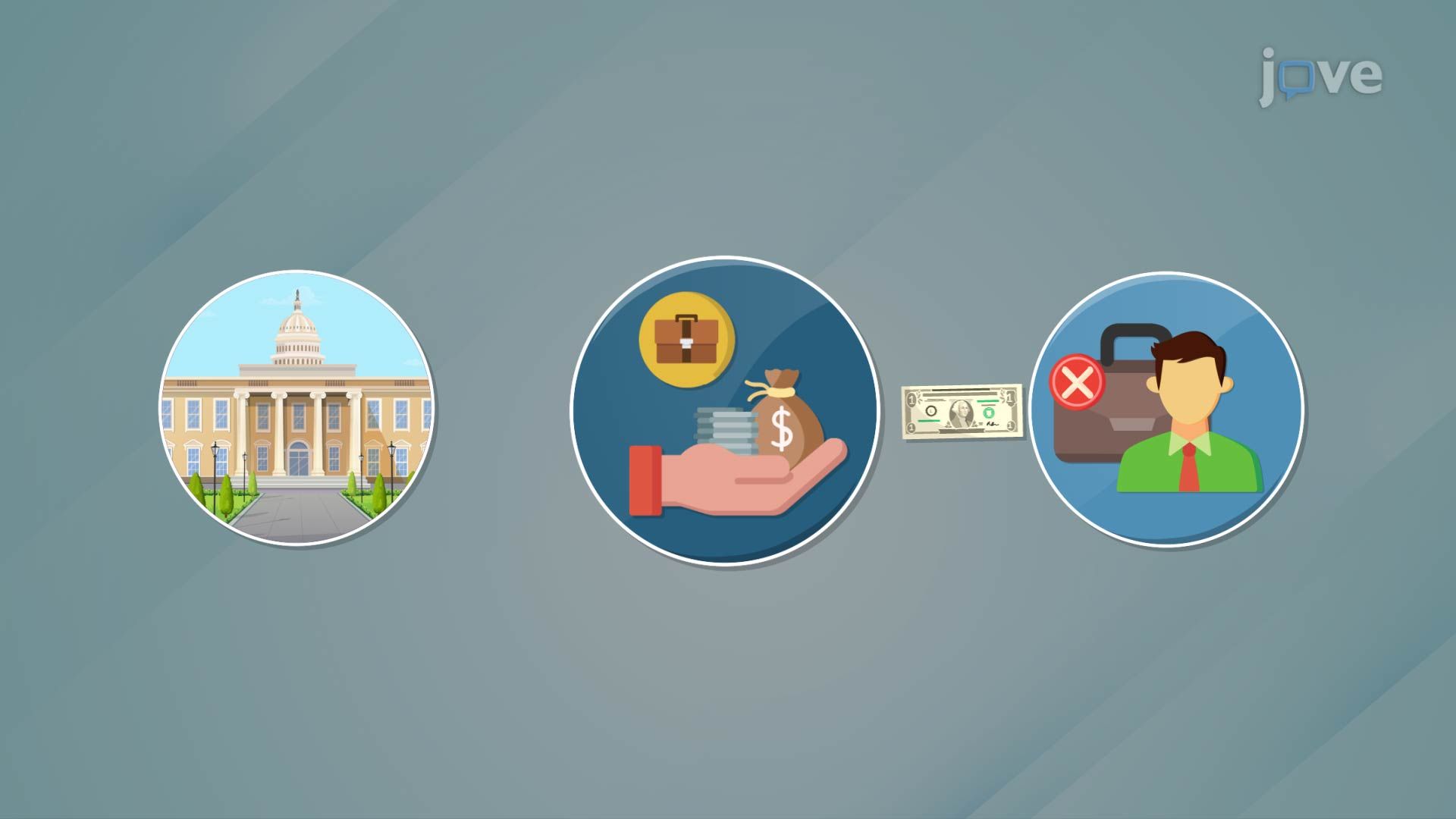
Unemployment insurance represents one of America's most important social safety nets, designed to provide temporary financial relief to workers who find themselves jobless through circumstances beyond their control. This government-sponsored program operates on a simple yet powerful premise: by offering partial wage replacement, it prevents economic hardship from spiraling into broader social and economic problems.
To qualify for unemployment insurance, workers must meet specific criteria that vary by state but generally include being unemployed through no fault of their own-such as layoffs, company closures, or workforce reductions. Workers fired for misconduct or those who voluntarily quit typically don't qualify. The benefit calculation usually provides approximately 50% of previous wages, subject to state-specific maximum amounts. For example, California's maximum weekly benefit in 2024 is $450, while Mississippi's maximum is $235, reflecting significant regional variations in cost of living and state policies.
Beyond individual assistance, unemployment insurance serves as an "automatic stabilizer" in economic policy. During recessions, as unemployment rises, benefit payments automatically increase without requiring new legislation, injecting money into the economy precisely when consumer spending typically declines. This mechanism helped cushion the economic blow during the 2008 financial crisis and the COVID-19 pandemic. Students studying for AP Economics or college macroeconomics courses should understand this multiplier effect-unemployed individuals typically spend benefits immediately on necessities, creating demand that supports other jobs.
Critics argue that unemployment insurance may create moral hazard by potentially extending unemployment duration. Some recipients might reject lower-paying positions while receiving benefits, leading to longer job searches. However, research suggests this effect is generally modest compared to the program's stabilizing benefits. Students preparing for economics exams should be familiar with this trade-off between providing adequate support and maintaining work incentives-a classic example of policy design challenges in welfare economics.
Related Micro-courses