Loading…
Loading video…

13,348 views

Modern business leaders face an avalanche of third-party market research, but the most impactful strategic decisions require primary data collection methods tailored to your specific competitive landscape. When Netflix pioneered data-driven content creation, they didn't rely on industry reports—they collected primary viewing behavior data directly from subscribers to inform billion-dollar production investments. This Primary Data Collection Methods guide breaks down the qualitative and quantitative approaches that drive informed decision-making across industries. Watch the full video on JoVE Coach to master this concept with expert-led visuals and step-by-step explanations.
Every quarter, executives face critical decisions with incomplete information. Should Amazon expand its grocery delivery service to new metropolitan areas? How should Ford position its electric vehicle lineup against Tesla? These strategic choices demand primary data collection methods that go beyond industry reports and competitor analysis.
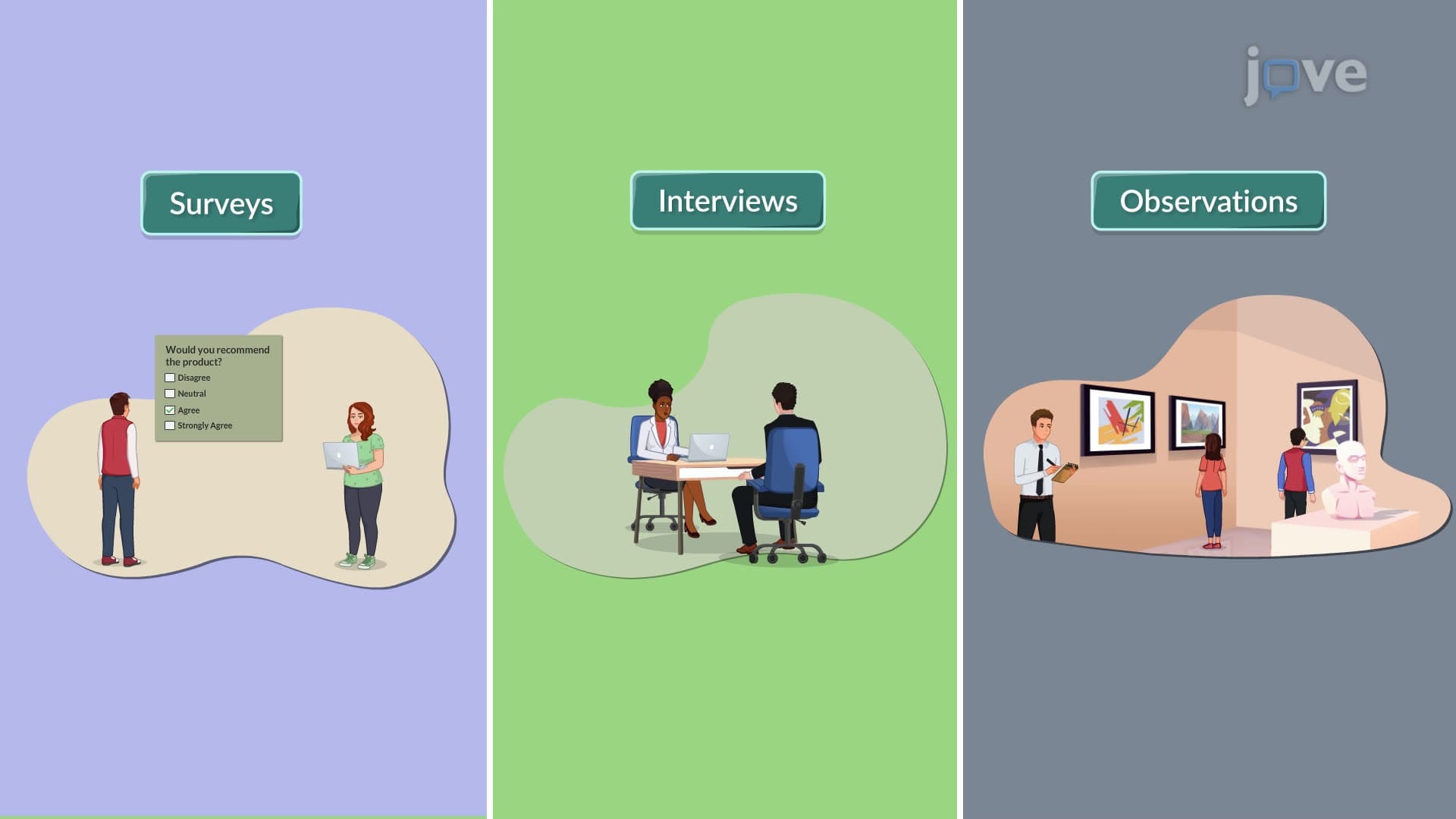
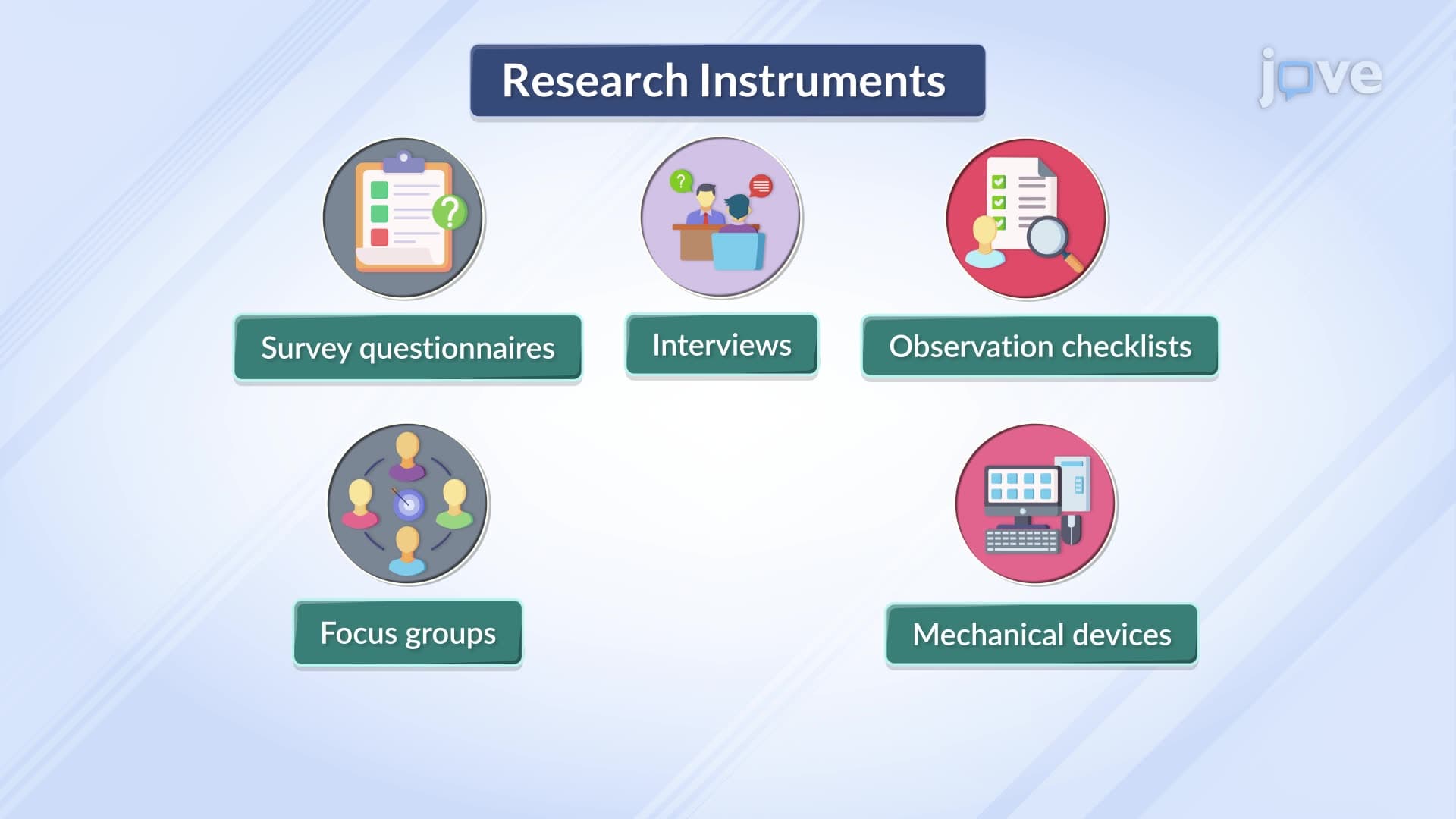
Qualitative primary data collection excels when you need to understand customer psychology, employee engagement drivers, or market perception shifts. Target Corporation's merchandising team regularly conducts focus groups before seasonal launches, gathering consumer reactions to product displays and pricing strategies. These sessions reveal emotional triggers that quantitative sales data alone cannot capture.
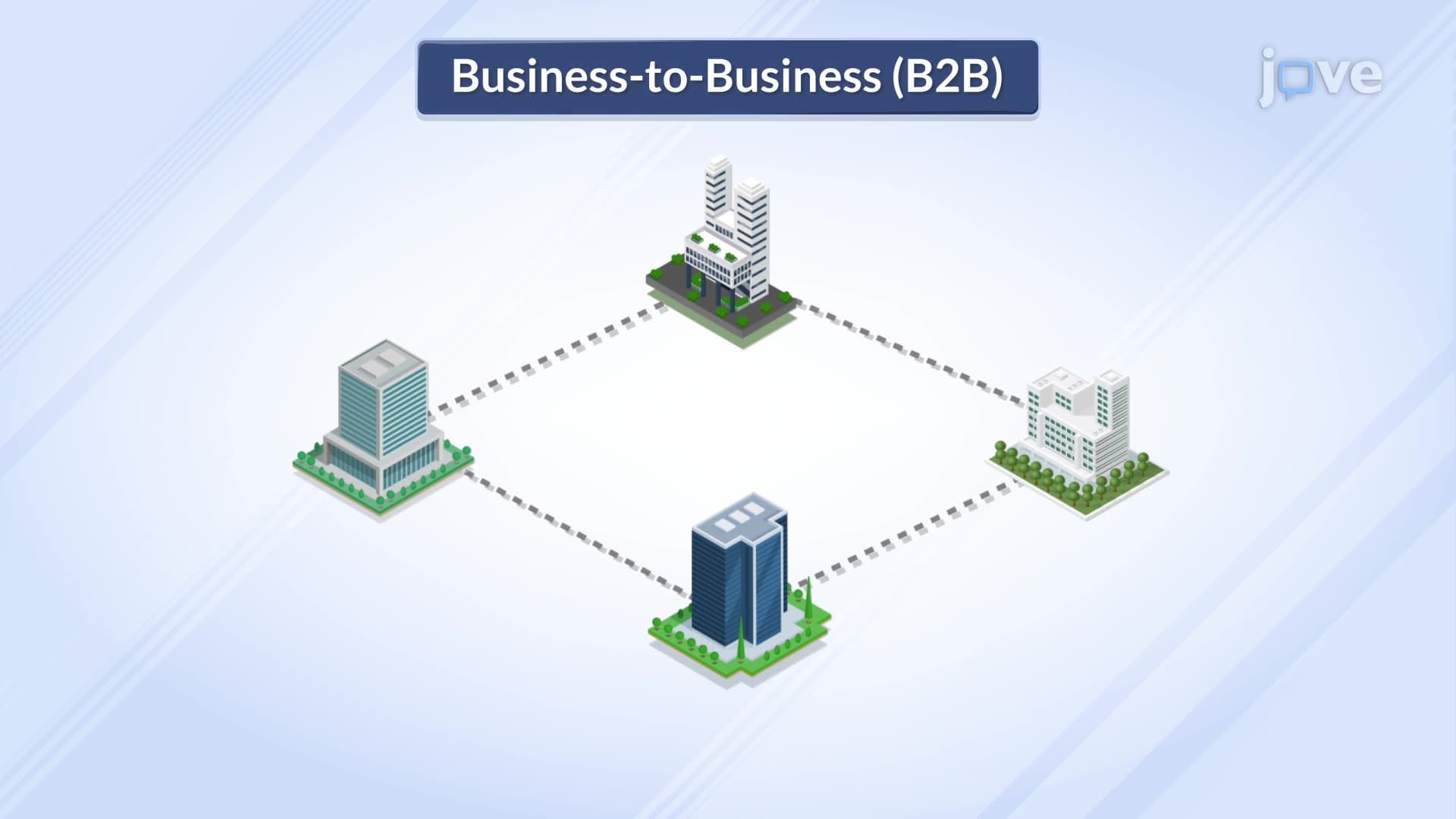
In-depth interviews prove invaluable for B2B decision-making research. When Salesforce develops enterprise software features, their product teams conduct one-on-one sessions with C-suite executives to understand workflow pain points and technology adoption barriers. This qualitative approach identifies opportunities worth millions in development resources.
Observational research provides unfiltered insights into actual behavior versus stated preferences. Starbucks pioneered store layout optimization by studying customer movement patterns, discovering that strategic product placement could increase average transaction values by 15-20%.
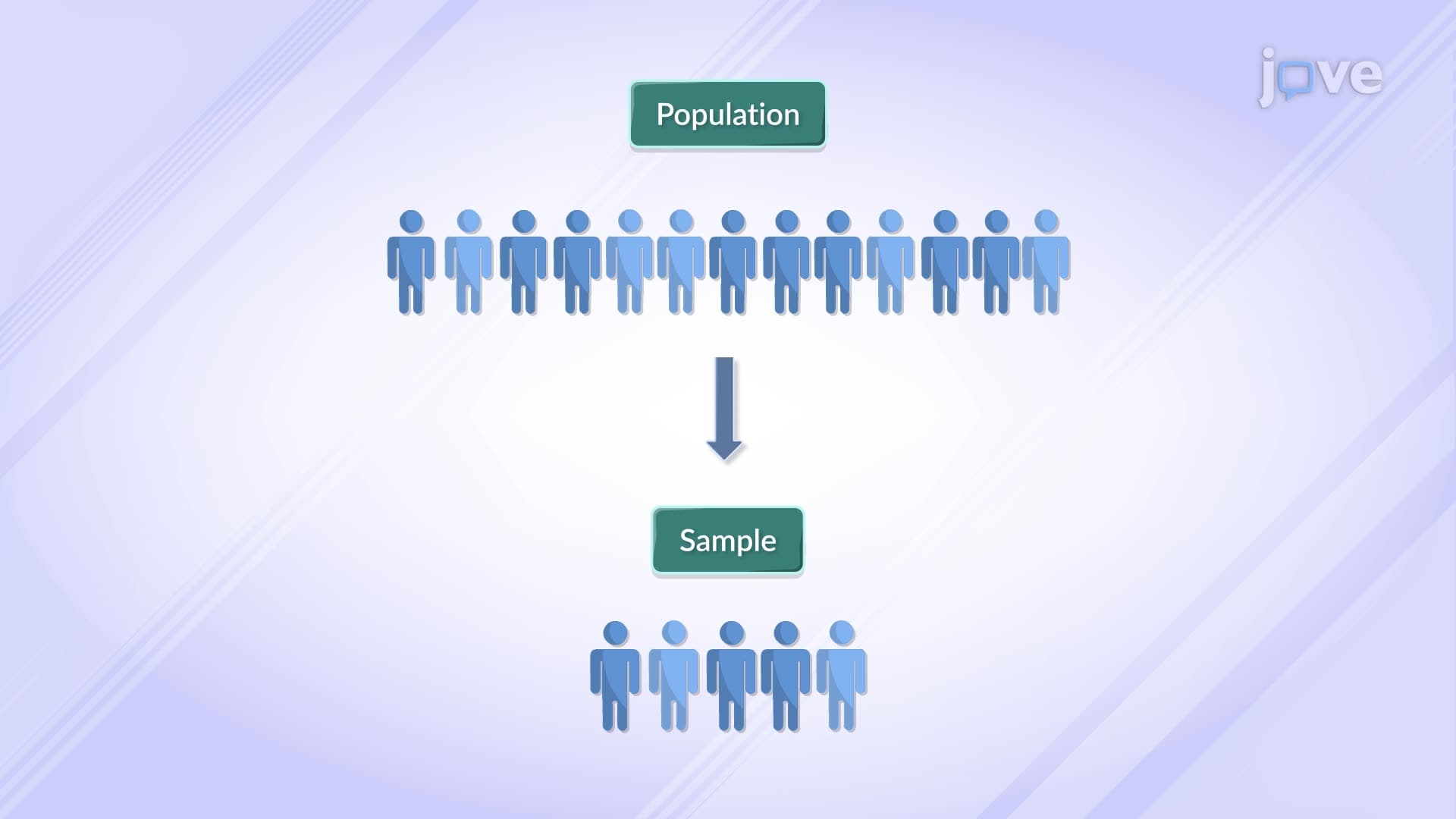
While qualitative research reveals the "why," quantitative primary data collection provides the statistical foundation for ROI projections and performance benchmarks. Survey methodologies help organizations scale insights across large customer segments, validating strategic hypotheses with mathematical precision.
Modern businesses generate massive digital footprints through social media, review platforms, and customer service interactions. Systematic content analysis transforms this unstructured data into competitive intelligence. McDonald's leverages sentiment analysis across social platforms to identify regional menu preferences and potential PR issues before they escalate.
The integration of multiple primary data collection methods creates comprehensive market intelligence that drives sustainable competitive advantages and informed resource allocation decisions.
Frequently Asked Questions
Primary data collection involves gathering original information directly from your target markets, customers, or stakeholders rather than relying on existing research. This approach provides competitive advantages because the insights are proprietary, current, and tailored to your specific business challenges. Companies using primary data make more informed strategic decisions and often outperform competitors relying solely on generic market reports.
Use qualitative methods when you need to understand motivations, explore new market opportunities, or investigate complex customer behaviors. Deploy quantitative approaches when you need statistical validation, want to measure specific metrics, or require data to support investment decisions. Most successful research strategies combine both approaches—qualitative research identifies key themes, while quantitative methods validate findings across larger populations.
Start with cost-effective digital survey tools and leverage existing customer touchpoints for data collection. Focus group sessions via video conferencing reduce travel costs while maintaining interaction quality. Social media monitoring tools provide content analysis capabilities at fraction of traditional research costs. Prioritize research questions that directly impact revenue or operational efficiency to maximize ROI.
Common obstacles include low response rates, sample bias, and time constraints for data collection and analysis. Regulatory compliance requirements in healthcare and financial services add complexity. B2B markets often struggle with accessing decision-makers for research participation. Address these challenges by offering valuable incentives, ensuring mobile-friendly data collection methods, and building research requirements into project timelines from the start.
Coca-Cola conducted extensive taste tests showing consumers preferred New Coke's sweeter formula, but their research failed to capture emotional brand attachment and cultural significance. Modern businesses should combine behavioral data with emotional and contextual research. Today's lesson: primary data collection must measure both functional preferences and brand equity impacts to avoid costly strategic missteps.
Basic survey design and interview techniques require minimal technical background, making primary data collection accessible to most professionals. Advanced statistical analysis benefits from specialized training, but many insights emerge from careful observation and systematic questioning. Start with simple methodologies and gradually build analytical capabilities as your research program matures.
Data-driven decision-making skills are increasingly essential for leadership roles across industries. Professionals who can design research studies, interpret findings, and translate insights into actionable strategies often advance faster than peers relying on intuition alone. These capabilities demonstrate analytical rigor and customer-centricity that executives value in promotional decisions.
Consider learning experimental design techniques for testing marketing campaigns and product features. Advanced segmentation analysis helps identify high-value customer groups for targeted strategies. Predictive analytics and machine learning applications represent the next frontier in transforming primary data into competitive intelligence and automated decision-making systems.
Related Micro-courses
Related Subjects