Loading subject page…


13,348 views

Video Summary: What Is Market Research
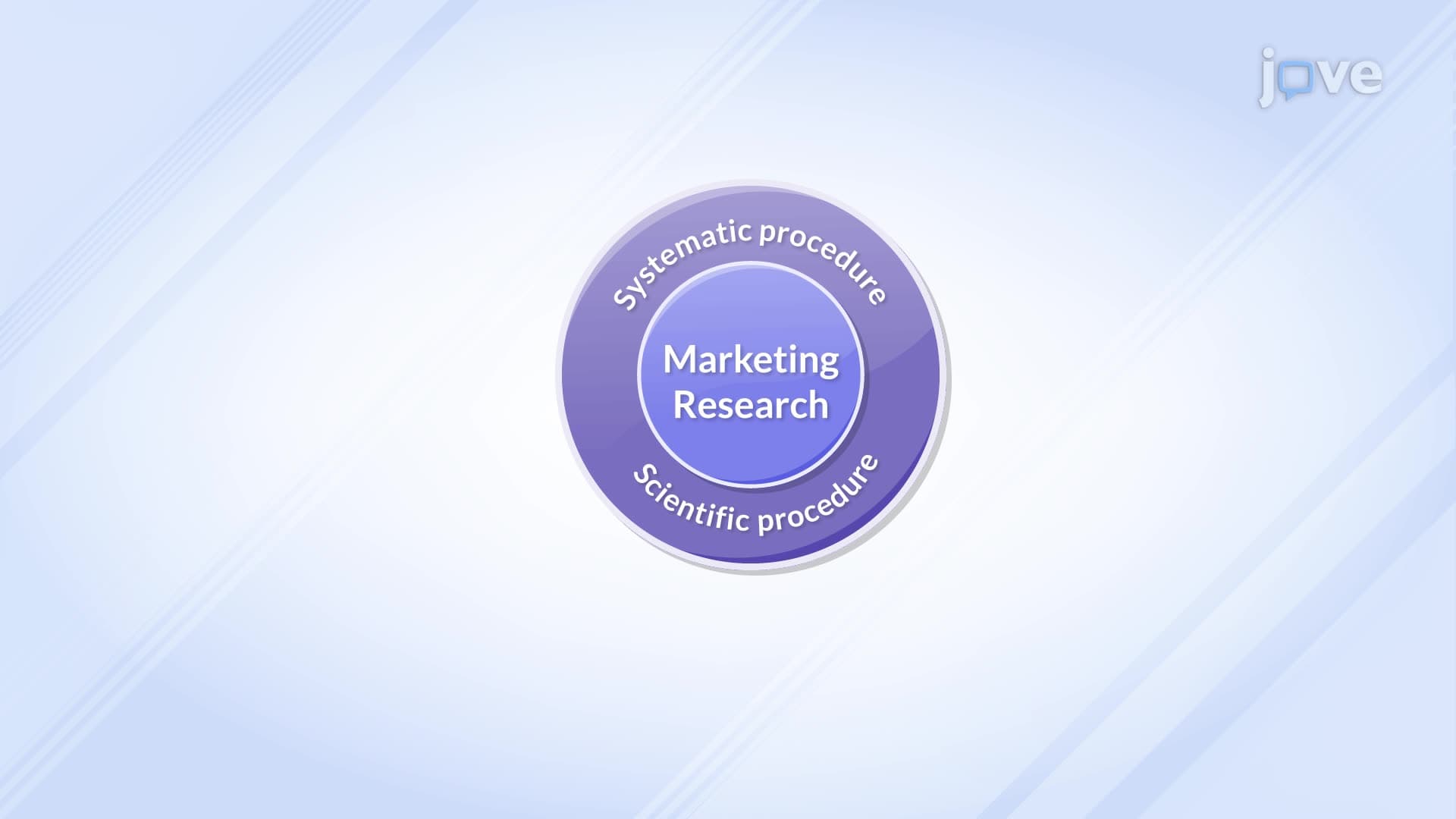
When Amazon decides whether to expand Prime Video content or when Goldman Sachs evaluates new fintech partnerships, market research drives these strategic decisions. Market research is the systematic collection and analysis of data that transforms business uncertainty into actionable intelligence. Companies like Netflix leverage consumer behavior insights to allocate their $15 billion content budget effectively. Watch the full video on JoVE Coach to master this concept with expert-led visuals and step-by-step explanations.
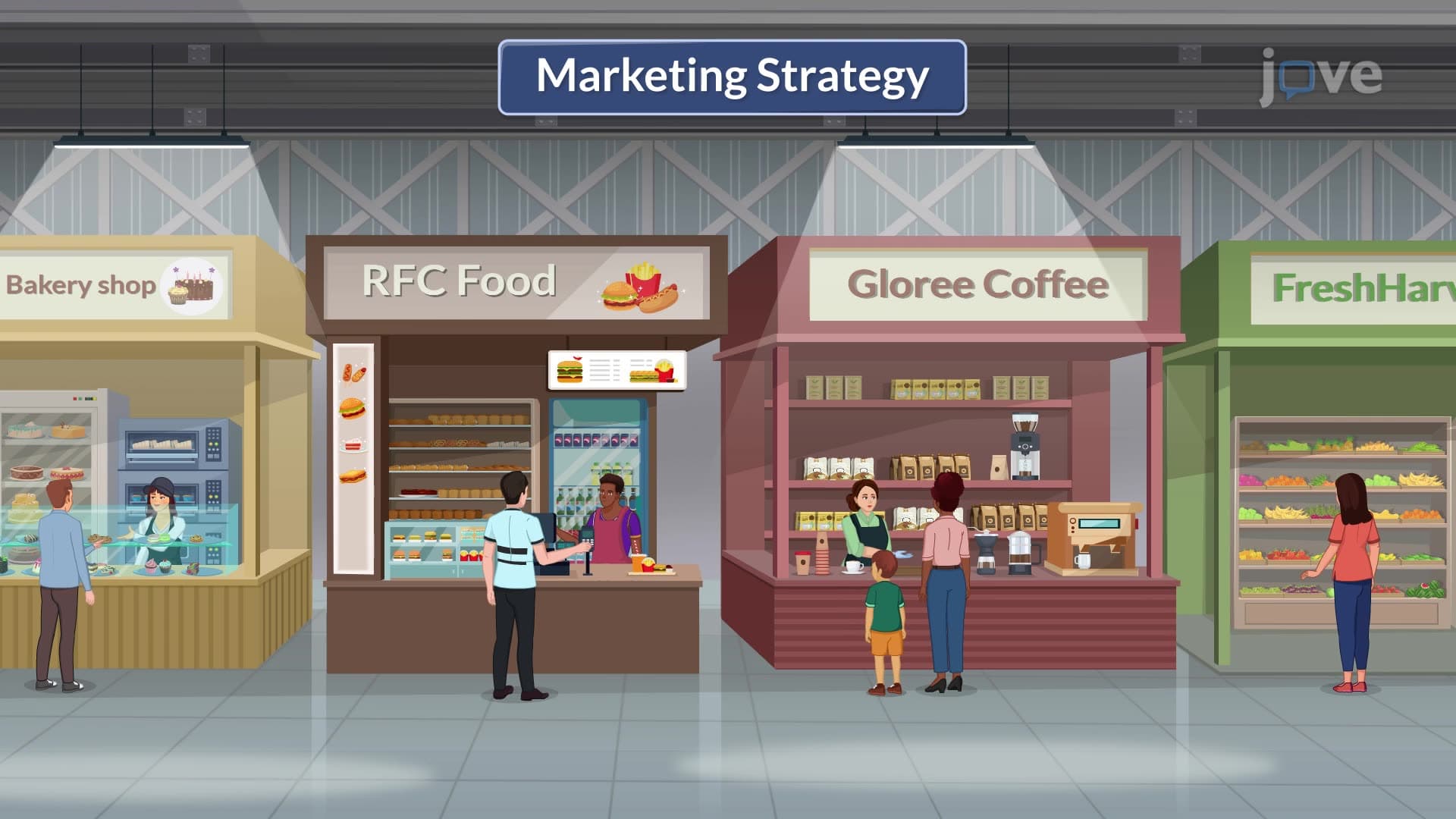
Modern executives face an unprecedented volume of market data, yet many struggle to convert information into profitable decisions. Market research serves as the analytical backbone that transforms raw data into strategic advantage. When Starbucks expanded beyond coffee into food services, or when Apple entered the financial services sector with Apple Pay, these weren't intuitive gambles-they were research-driven strategic moves based on comprehensive market analysis.
Effective market research operates as a systematic business intelligence system with four core components: data collection, analysis, interpretation, and strategic application. Unlike ad-hoc data gathering, professional market research employs structured methodologies that ensure statistical validity and business relevance. Companies like Procter & Gamble invest over $2 billion annually in consumer research because they understand that systematic data collection reduces costly product failures and optimizes resource allocation.
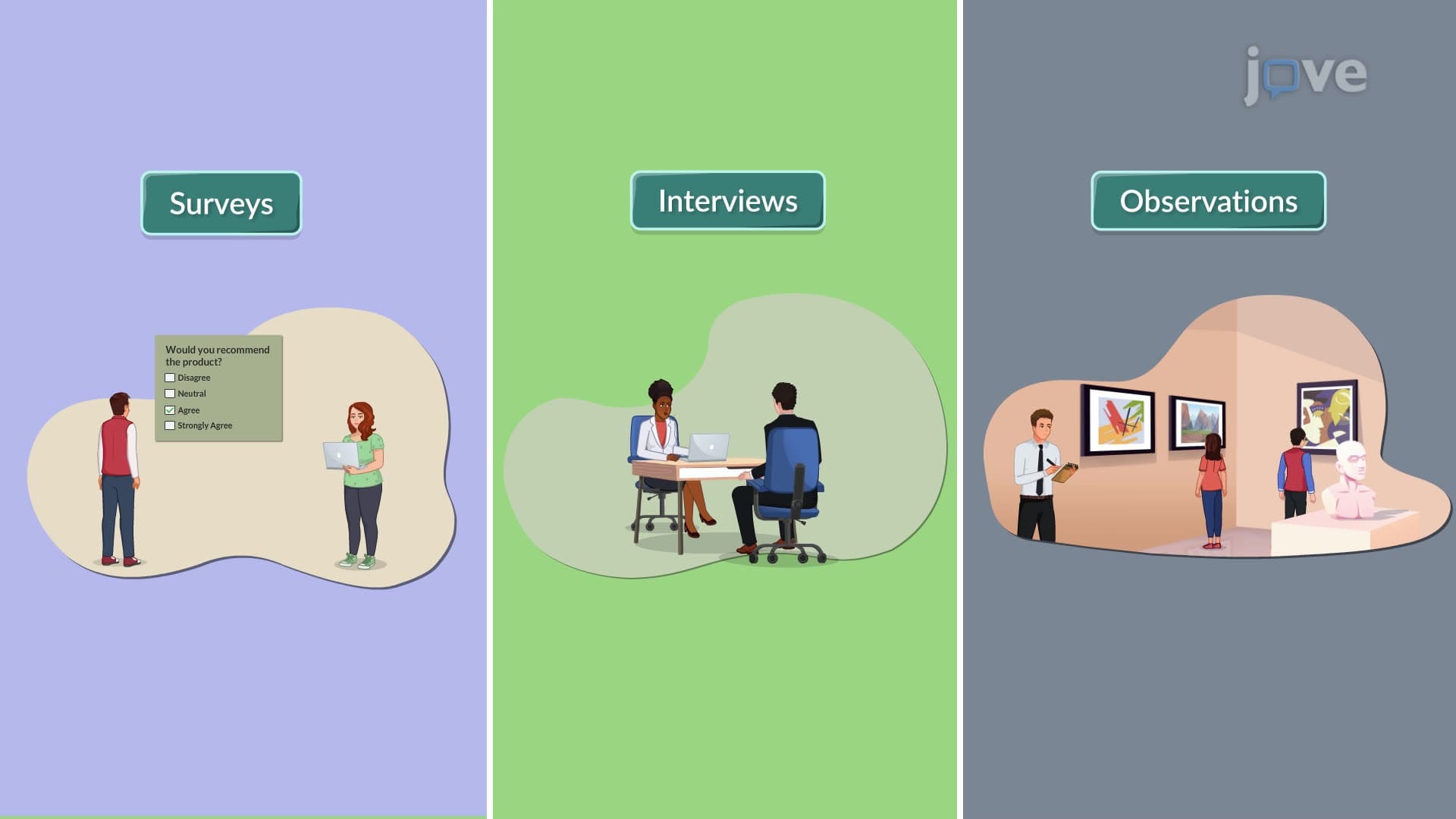
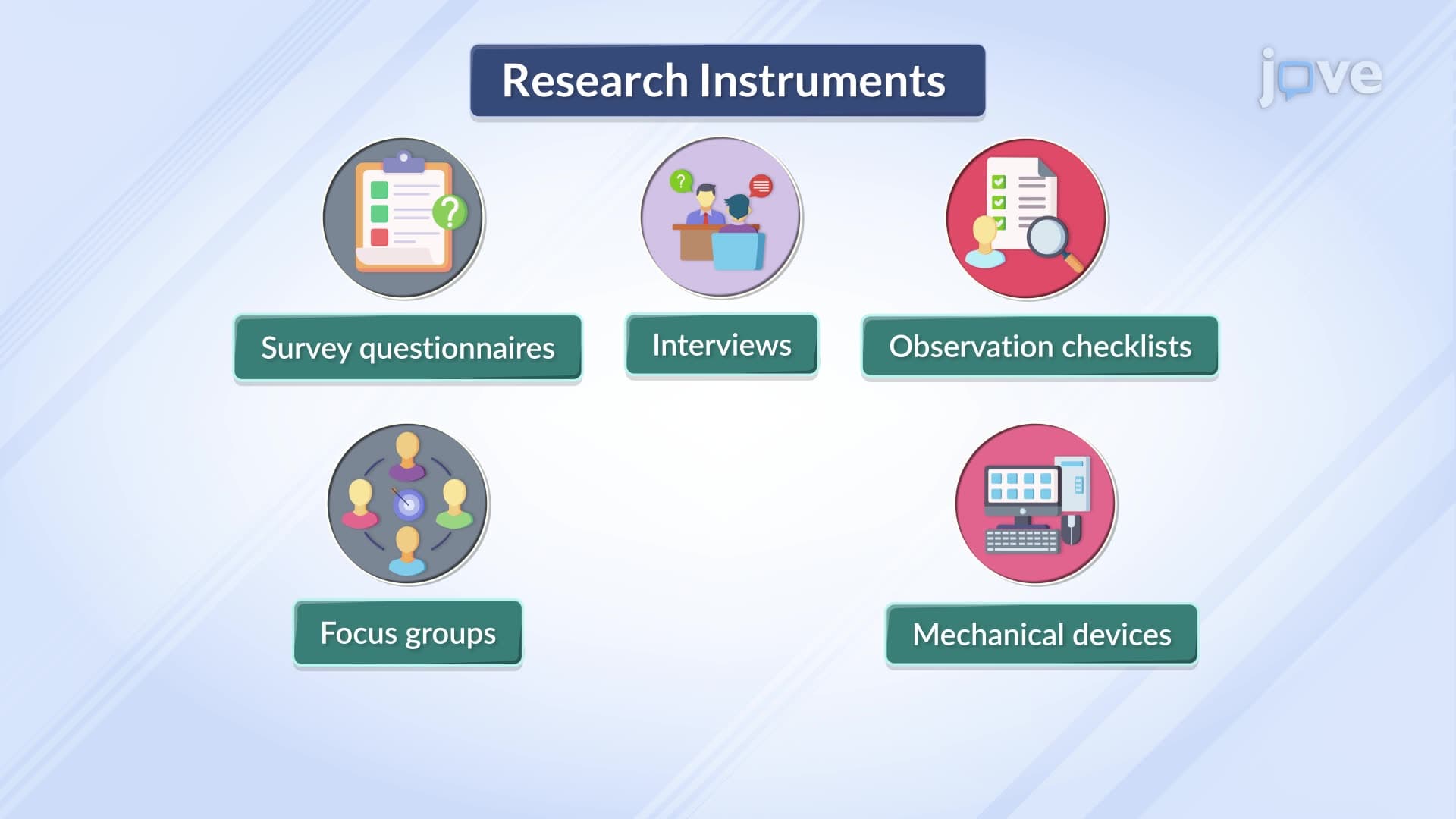
The framework extends beyond traditional surveys and focus groups. Modern market research incorporates digital analytics, social listening, competitive intelligence, and predictive modeling to create comprehensive market portraits. When Tesla evaluates expansion into new geographic markets, they analyze regulatory environments, infrastructure readiness, competitor presence, and consumer adoption patterns simultaneously.
Market research directly impacts competitive positioning and capital allocation decisions. Consider how Disney leveraged research insights to launch Disney+ specifically targeting Netflix's content gaps and pricing strategies. Their research revealed consumer willingness to pay for family-friendly content bundled with legacy Disney properties-intelligence that guided their $1 billion launch investment and pricing strategy.
Research-driven insights enable companies to identify market opportunities before competitors, optimize product features for target segments, and allocate marketing budgets more effectively. The difference between successful market entry and costly failures often lies in the quality and application of pre-launch market research.
Professional market research integrates into corporate governance through structured decision-making processes. Executive teams use research findings to validate strategic assumptions, prioritize product development roadmaps, and justify budget allocations to boards of directors. Companies like Microsoft conduct continuous market research to guide their cloud services strategy, ensuring their Azure platform development aligns with enterprise customer needs and competitive threats from Amazon Web Services.
Related Micro-courses