Loading…
Loading video…

13,348 views
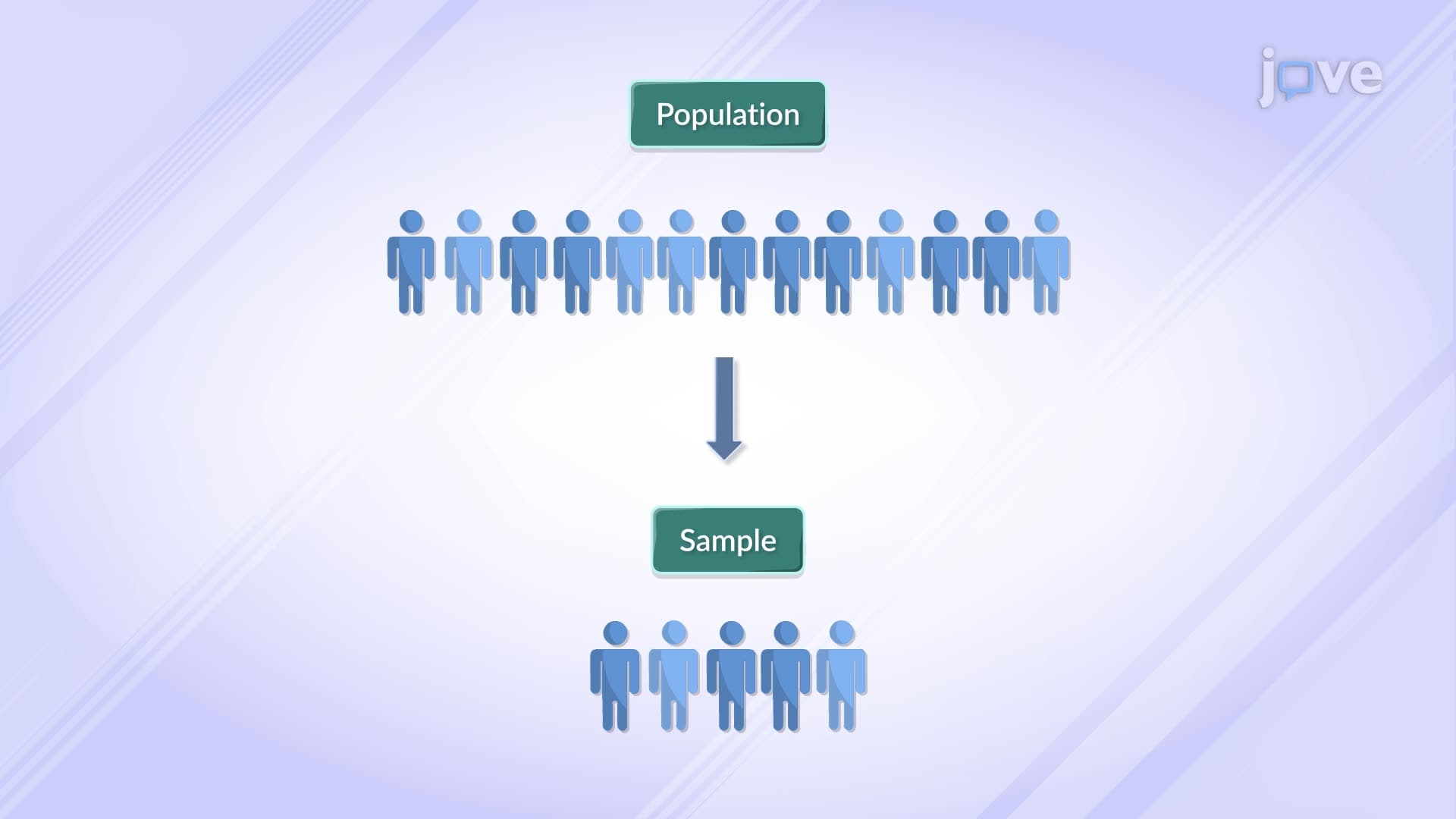
Market research drives billion-dollar decisions at companies like Walmart, yet flawed sampling methods cost businesses millions in misguided strategies. Probability sampling provides the statistical foundation for reliable consumer insights, operational assessments, and strategic planning across industries. This methodology ensures every participant has a known selection chance, eliminating bias that could derail product launches or market expansions. Watch the full video on JoVE Coach to master this concept with expert-led visuals and step-by-step explanations.
When Netflix decides which original content to produce or Amazon evaluates new market opportunities, they rely on data-driven insights rooted in sound statistical methodology. Probability sampling forms the backbone of reliable business intelligence, providing executives with confidence that their multi-million-dollar decisions reflect genuine market conditions rather than statistical anomalies.
Market Research and Consumer Insights: Fortune 500 companies like Procter & Gamble use stratified sampling to understand how different demographic segments respond to product innovations. By ensuring representative samples across age, income, and geographic boundaries, P&G can predict nationwide product performance before investing in full-scale manufacturing and distribution.
Operational Excellence and Quality Control: Manufacturing leaders at General Electric implement systematic sampling to monitor production quality across multiple facilities. Rather than inspecting every component—which would be cost-prohibitive—GE selects every nth item produced, maintaining quality standards while optimizing resource allocation.
Financial Risk Assessment: JPMorgan Chase employs cluster sampling when evaluating regional loan portfolios or assessing market risk across different metropolitan areas. This approach allows the bank to understand localized economic conditions without conducting exhaustive market analysis in every community they serve.
The key to successful probability sampling lies in matching methodology to business objectives. Simple random sampling works effectively for broad organizational surveys—such as employee satisfaction assessments or company-wide policy feedback. However, when understanding nuanced customer preferences or regional market variations, stratified sampling provides deeper insights by ensuring adequate representation across critical demographic or geographic segments.
Smart executives recognize that sample size directly impacts decision confidence. While larger samples increase accuracy, they also increase costs. The optimal balance depends on the financial stakes involved—a potential $100 million market entry requires more rigorous sampling than routine customer satisfaction monitoring.
Frequently Asked Questions
Probability sampling is a research methodology where every participant has a known, non-zero chance of selection, ensuring statistically valid results for business decisions. Unlike convenience sampling, it eliminates selection bias that could lead to costly strategic mistakes. Companies use it for market research, customer analytics, and operational assessments when accuracy directly impacts profitability.
Select based on your research objectives and population diversity. Use simple random sampling for general customer satisfaction surveys or broad employee feedback. Choose stratified sampling when you need insights from specific demographic segments, like understanding how different age groups respond to digital banking services. Systematic sampling works well for large databases, while cluster sampling suits geographically distributed research.
Probability sampling becomes essential when comprehensive surveying is cost-prohibitive or logistically impossible. If you're managing 50,000+ customers or employees across multiple regions, probability sampling provides statistically reliable insights at a fraction of the cost. It's particularly valuable for time-sensitive decisions where waiting for complete responses could mean missing market opportunities.
Starbucks employed cluster sampling to evaluate potential markets before expanding into new metropolitan areas. Rather than surveying every neighborhood individually, they randomly selected representative clusters of communities and analyzed coffee consumption patterns, competitor density, and demographic profiles within each cluster. This approach helped them identify high-potential markets while minimizing research costs across their national expansion.
While statistical knowledge helps, you don't need advanced degrees to apply probability sampling effectively. Understanding basic concepts like sample size, selection methods, and bias prevention is sufficient for most business applications. Many market research platforms and business intelligence tools now automate the technical aspects, allowing managers to focus on interpreting results and making strategic decisions.
Proficiency in probability sampling demonstrates data literacy—a critical skill for senior management roles. It enables you to evaluate research quality, challenge questionable data sources, and design reliable studies for strategic planning. Executives who understand sampling methodology can better assess market research proposals, avoid costly decision-making errors, and communicate findings confidently to boards and investors.
Probability sampling provides the foundation for reliable predictive models by ensuring training data accurately represents your target population. Without proper sampling, even sophisticated machine learning algorithms can produce biased predictions that mislead business strategy. Understanding sampling principles helps you evaluate data quality before building forecasting models for sales projections, demand planning, or risk assessment.
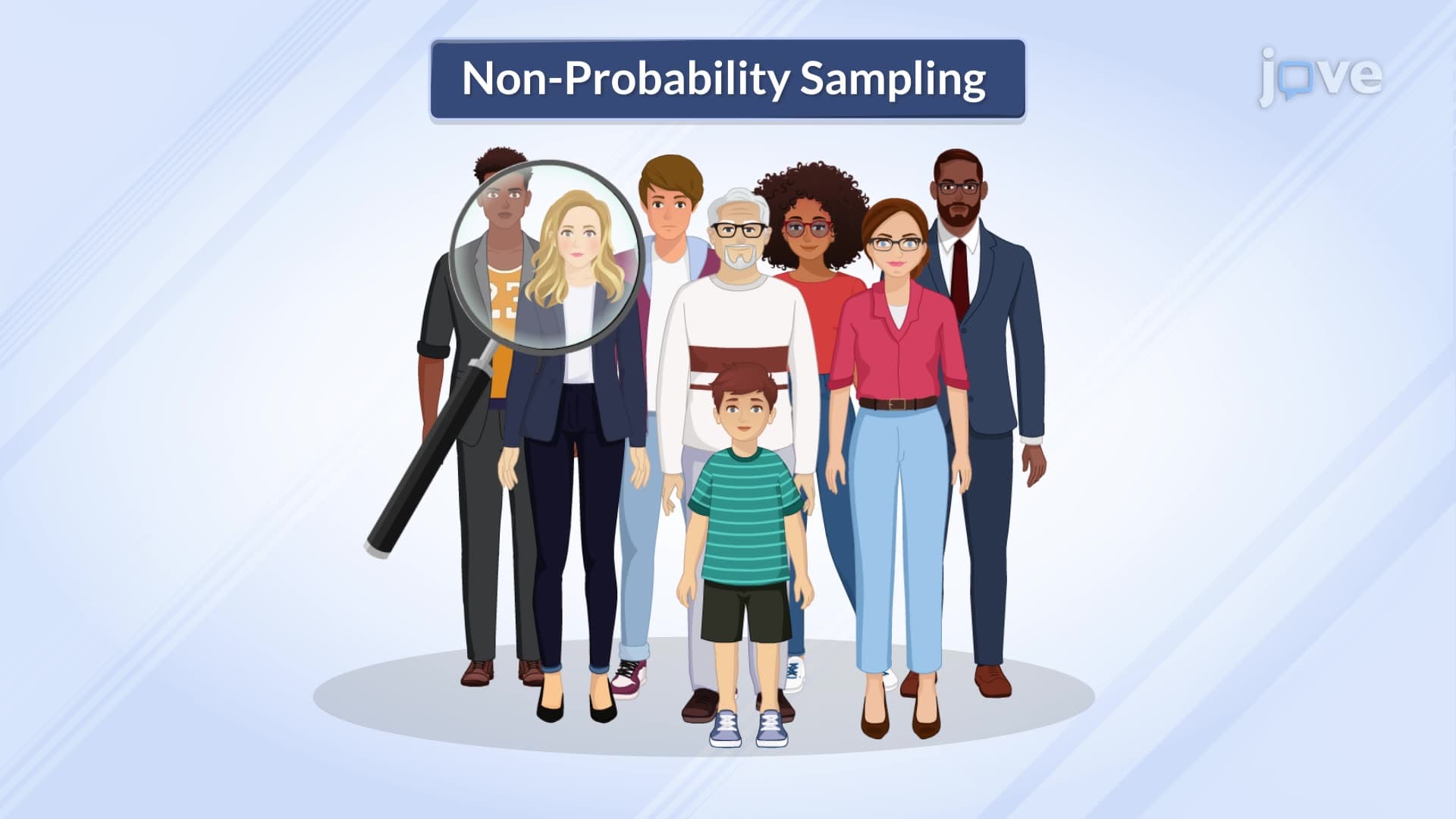
Convenience sampling selects easily accessible participants, potentially creating bias that skews results toward certain demographics or behaviors. Probability sampling uses systematic selection methods to ensure every population member could potentially be chosen. While convenience sampling might suggest your product appeals to tech-savvy millennials, probability sampling might reveal it actually resonates across broader age groups—a crucial distinction for marketing strategy and resource allocation.
Related Micro-courses
Related Subjects