Loading…
Loading video…

13,348 views
Modern businesses generate 2.5 quintillion bytes of data daily, yet 73% of enterprise data goes unanalyzed according to Forrester Research. Data analysis interpretation transforms this raw information into strategic advantages that drive revenue growth and competitive positioning. Companies like Target famously leveraged data analysis interpretation to predict customer pregnancy through purchase patterns, generating millions in targeted marketing revenue. What is data analysis interpretation becomes critical when executives need actionable insights from complex datasets to guide product launches, market expansion, and resource allocation decisions. Watch the full video on JoVE Coach to master this concept with expert-led visuals and step-by-step explanations.
Data analysis interpretation represents the critical bridge between raw information and strategic business action. When Walmart processes over 1 million customer transactions hourly, the company doesn't just collect data—it transforms these data points into inventory optimization, pricing strategies, and supply chain efficiencies worth billions annually. This interpretation process determines whether data becomes a competitive weapon or remains digital noise.
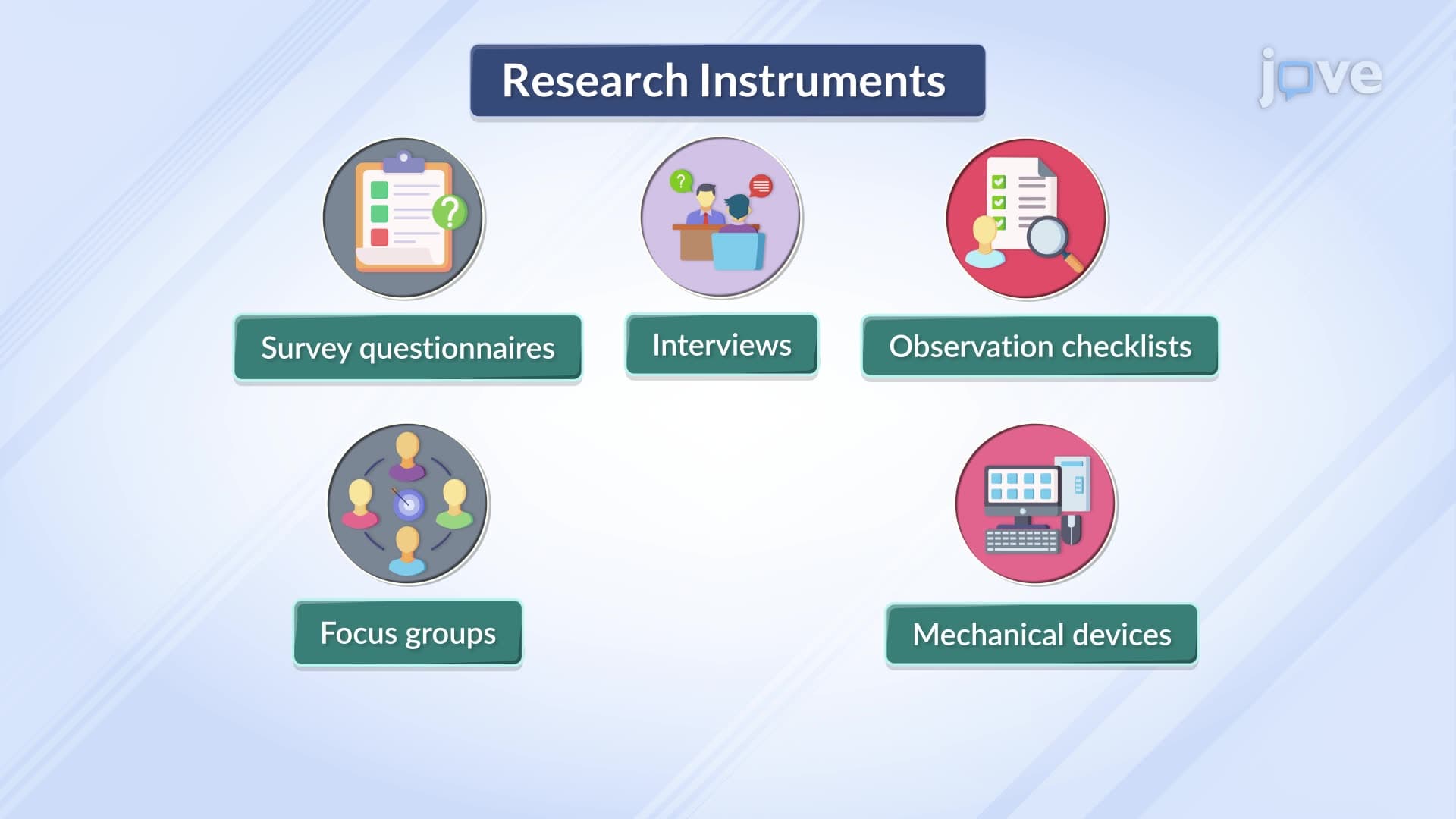
Qualitative interpretation focuses on understanding consumer psychology and market dynamics through non-numerical insights. Netflix revolutionized content strategy by analyzing viewer comments, social media discussions, and focus group feedback to understand why audiences engage with specific genres and storylines. This qualitative interpretation drives their $15 billion annual content investment decisions.
Marketing executives regularly interpret qualitative data from customer interviews, social media sentiment, and brand perception studies. The interpretation process involves identifying recurring themes, emotional triggers, and unspoken customer needs that quantitative metrics often miss. When Starbucks analyzed customer feedback about their mobile app experience, qualitative interpretation revealed that speed wasn't the primary concern—customers valued personalization and rewards recognition, leading to interface redesigns that increased mobile order frequency by 34%.
Quantitative interpretation applies mathematical rigor to numerical datasets, enabling predictive modeling and correlation analysis. Amazon's recommendation engine processes millions of purchase behaviors, browsing patterns, and demographic variables to generate over 35% of total revenue through cross-selling and upselling strategies.
Financial services firms like JPMorgan Chase interpret quantitative data to assess credit risk, detect fraud patterns, and optimize investment portfolios. Their interpretation models process thousands of variables simultaneously, identifying statistical relationships that human analysts might overlook. These interpretations directly impact lending decisions affecting millions of customers and billions in loan portfolios.
The most powerful business interpretations emerge when quantitative patterns align with qualitative understanding. Tesla combines quantitative vehicle performance data with qualitative customer feedback to interpret optimal feature development priorities. Their interpretation process revealed that customers valued over-the-air software updates more than traditional automotive features, reshaping their entire product development strategy and creating new revenue streams through premium software packages.
Frequently Asked Questions
Data analysis interpretation is the process of transforming raw business data into actionable insights that drive strategic decisions. It involves examining numerical and non-numerical information to understand market trends, customer behavior, and operational performance. This interpretation enables executives to make informed decisions about product development, marketing strategies, and resource allocation based on evidence rather than intuition.
Present interpreted data as clear business implications rather than raw statistics. Focus on trends, correlations, and actionable recommendations that directly impact revenue, costs, or competitive positioning. Frame your interpretation around specific business questions like "Which customer segments drive highest lifetime value?" or "What factors predict product adoption rates?" Always connect data patterns to concrete business actions and expected outcomes.
Data analysis involves processing and examining raw information using statistical or qualitative methods. Data analysis interpretation goes further by extracting business meaning from analytical results and translating findings into strategic recommendations. While analysis answers "what happened," interpretation addresses "why it matters" and "what actions should we take" for business success.
McDonald's interpreted drive-through timing data, customer ordering patterns, and menu item performance to redesign their service model. Their interpretation revealed that simplified menus and predictive ordering systems could reduce wait times by 20 seconds per customer, translating to millions in increased throughput and customer satisfaction improvements across 40,000+ locations globally.
Basic statistical understanding helps, but business acumen and strategic thinking are more critical for effective interpretation. Many successful executives partner with data analysts for complex statistical work while focusing on translating findings into business strategy. Understanding concepts like correlation, statistical significance, and sample size limitations enables better interpretation quality and decision confidence.
Data-driven decision-making skills are essential for senior leadership roles across industries. Professionals who can interpret complex data and communicate insights clearly become invaluable for strategic planning, market expansion, and operational optimization. This skillset positions you for roles in business intelligence, strategy consulting, product management, and executive leadership where data interpretation drives competitive advantage.
Advanced predictive analytics, business intelligence dashboard design, and statistical modeling for forecasting represent natural progressions. Additionally, understanding data visualization techniques, A/B testing methodologies, and customer segmentation strategies will enhance your ability to generate actionable insights from complex business datasets and communicate findings to executive stakeholders effectively.
Examine methodology differences, sample sizes, and analytical assumptions underlying each interpretation. Consider external factors, market conditions, and business context that might influence results. Test competing interpretations through controlled experiments or additional data collection. Focus on interpretations that align with broader business objectives and can be validated through measurable outcomes rather than purely statistical significance.
Related Micro-courses
Related Subjects