Loading…
Loading video…

13,348 views
Enterprise data strategy drives competitive advantage, yet 73% of business leaders struggle with fragmented information across platforms. Understanding data source fundamentals enables professionals to build robust analytics frameworks that inform strategic decisions. Companies like Amazon leverage multiple data sources—from customer behavior tracking to supply chain sensors—to maintain market dominance through evidence-based decision-making. Mastering data source selection and integration directly impacts revenue growth and operational efficiency. Watch the full video on JoVE Coach to master this concept with expert-led visuals and step-by-step explanations.
When Walmart's executives decided to expand their grocery delivery service nationwide, they didn't rely on gut instinct. Instead, they systematically analyzed data sources ranging from customer purchase patterns to competitor pricing strategies, ultimately driving billions in revenue growth. This exemplifies how understanding data sources transforms business outcomes.
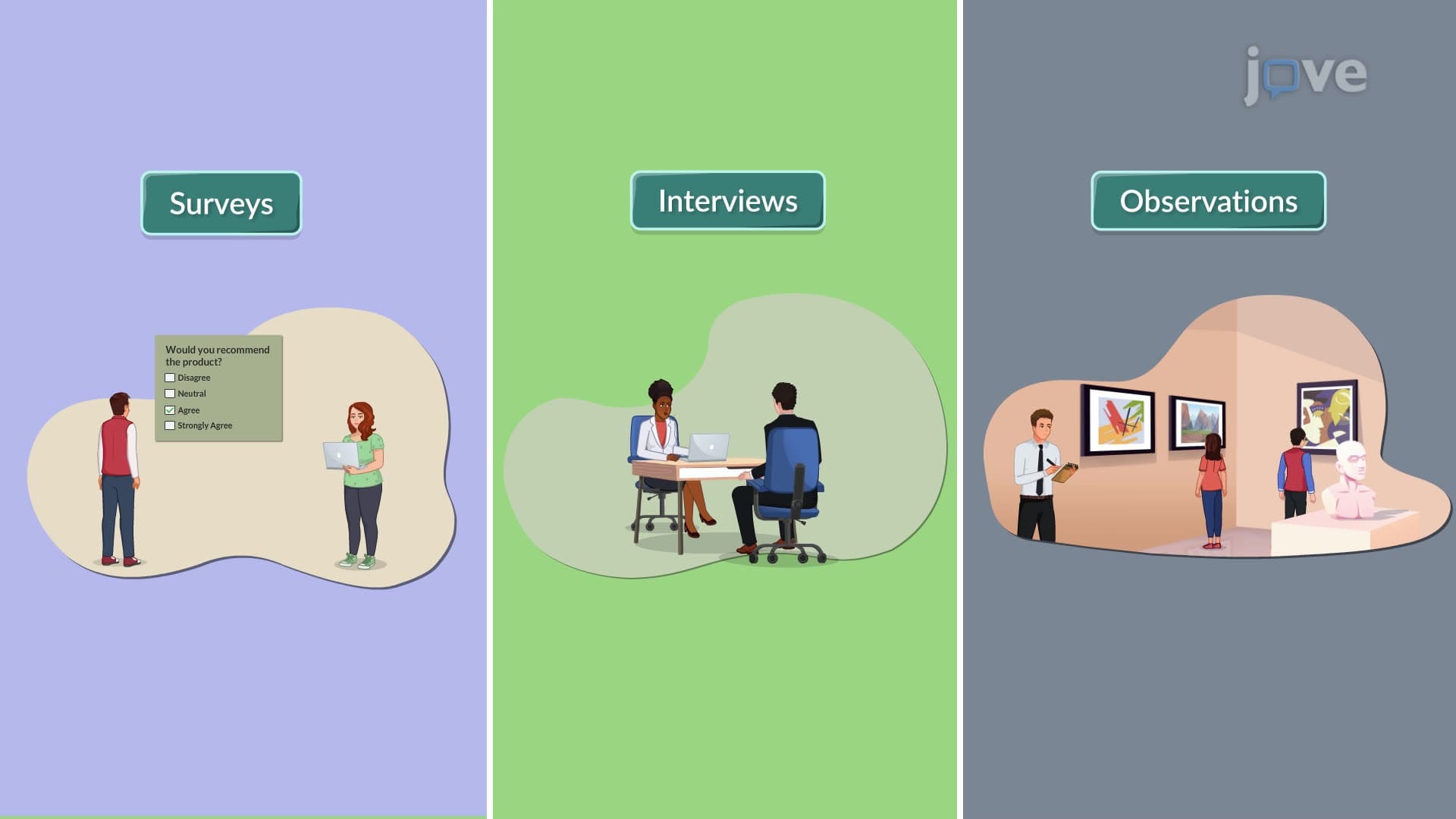
Primary data sources require direct investment in collection—conducting customer surveys, running focus groups, or implementing A/B testing platforms. While more expensive upfront, primary data provides competitive advantages through proprietary insights. Microsoft's annual customer satisfaction surveys, for instance, directly inform product roadmap decisions worth billions in R&D investment.
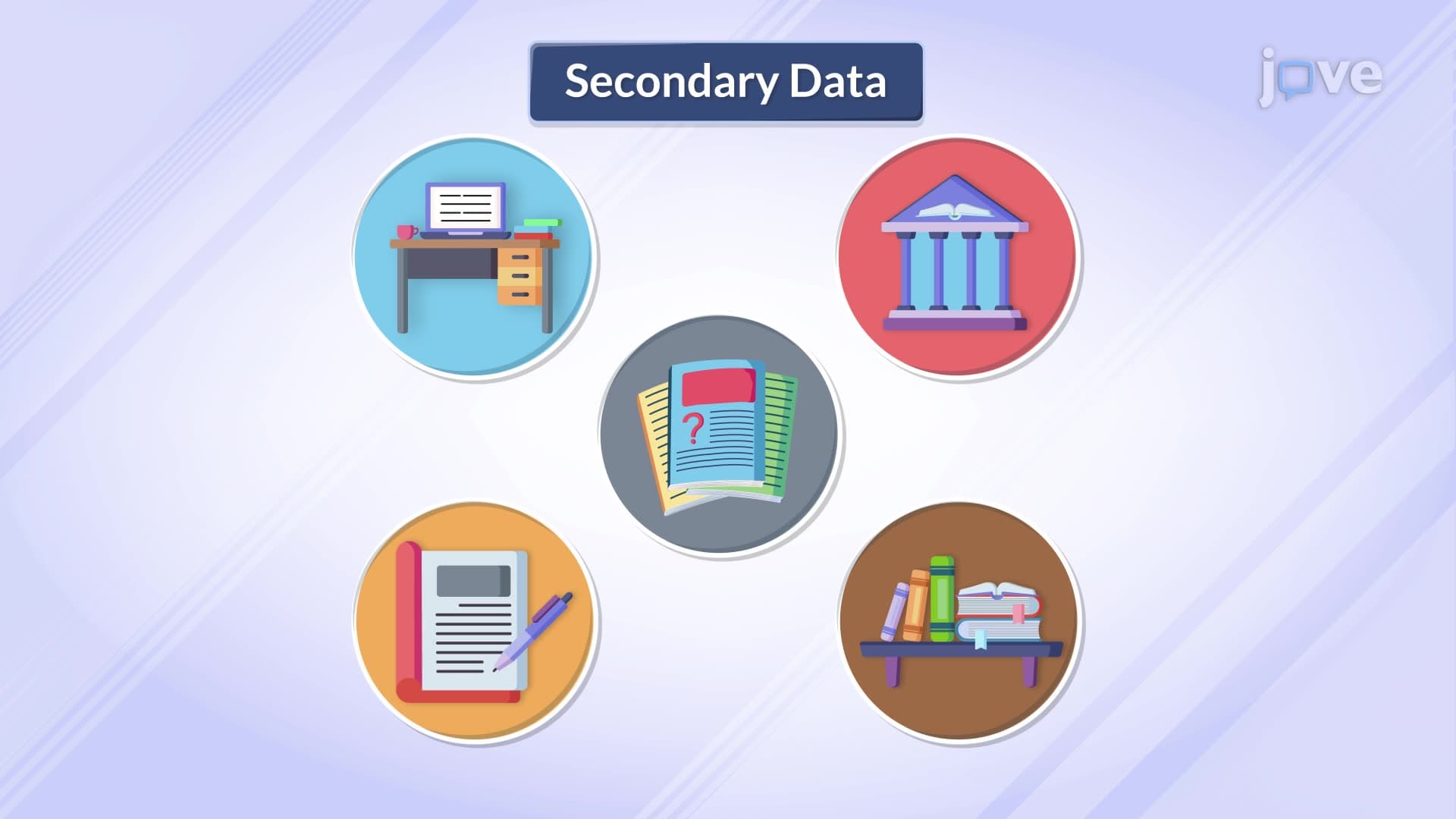
Secondary data sources offer cost-effective market intelligence through existing information channels. Government census data, industry association reports, and competitor financial filings provide valuable context without primary research costs. Goldman Sachs analysts regularly leverage Federal Reserve economic data and SEC filings to inform investment strategies, demonstrating how secondary sources support high-stakes decision-making.
Exploratory research using qualitative data sources helps identify emerging market opportunities. When Netflix executives first considered original content production, they conducted extensive interviews with content creators and industry experts to understand production economics and audience preferences.
Descriptive research combines multiple data sources to quantify market conditions. Tesla's market entry strategy relied on automotive industry databases, consumer preference surveys, and regulatory trend analysis to size the electric vehicle opportunity and position their value proposition.
Causal research through controlled experiments establishes definitive relationships between variables. Amazon's continuous A/B testing of website features, pricing strategies, and recommendation algorithms generates primary data that directly impacts conversion rates and customer lifetime value.
Modern enterprises face data source fragmentation across CRM systems, financial platforms, and operational databases. Companies that successfully integrate diverse data sources—like Apple's seamless customer experience across devices and services—create sustainable competitive moats through superior business intelligence capabilities.
Frequently Asked Questions
A data source is any channel, platform, or repository that provides information for business decision-making. This includes customer databases, market research reports, financial systems, and external industry data. Effective data source management enables evidence-based strategy development and competitive intelligence gathering.
Primary data sources provide proprietary insights but require higher investment in time and resources. Secondary data sources offer cost-effective market context but may lack specificity. Most successful strategies combine both—using secondary data for market sizing and primary research for competitive differentiation opportunities.
Present secondary data when establishing market context, industry benchmarks, or regulatory trends that affect strategic direction. Use primary data when demonstrating unique customer insights, proprietary competitive advantages, or testing specific business hypotheses. Board presentations typically require both for comprehensive decision support.
McDonald's combines secondary data from food industry trends and nutritional research with primary data from customer taste tests and regional preference surveys. Their successful all-day breakfast launch resulted from analyzing both consumer behavior data and operational feasibility studies across thousands of locations.
While statistical knowledge helps, most business applications focus on trend identification and strategic insights rather than complex analysis. Modern analytics platforms provide user-friendly dashboards that translate data into actionable business intelligence. Focus on understanding data quality, relevance, and business implications.
Data-driven decision-making skills are essential for senior leadership roles across industries. Professionals who effectively leverage multiple data sources for strategic planning, performance optimization, and market analysis command higher compensation and advance faster into executive positions.
Study data analytics frameworks and business intelligence systems to transform raw data sources into actionable insights. Understanding how to build dashboards, create performance metrics, and establish data governance policies amplifies the value of your data source knowledge.
Related Micro-courses
Related Subjects