Loading subject page…


13,348 views

Video Summary: What Is International Marketing Research
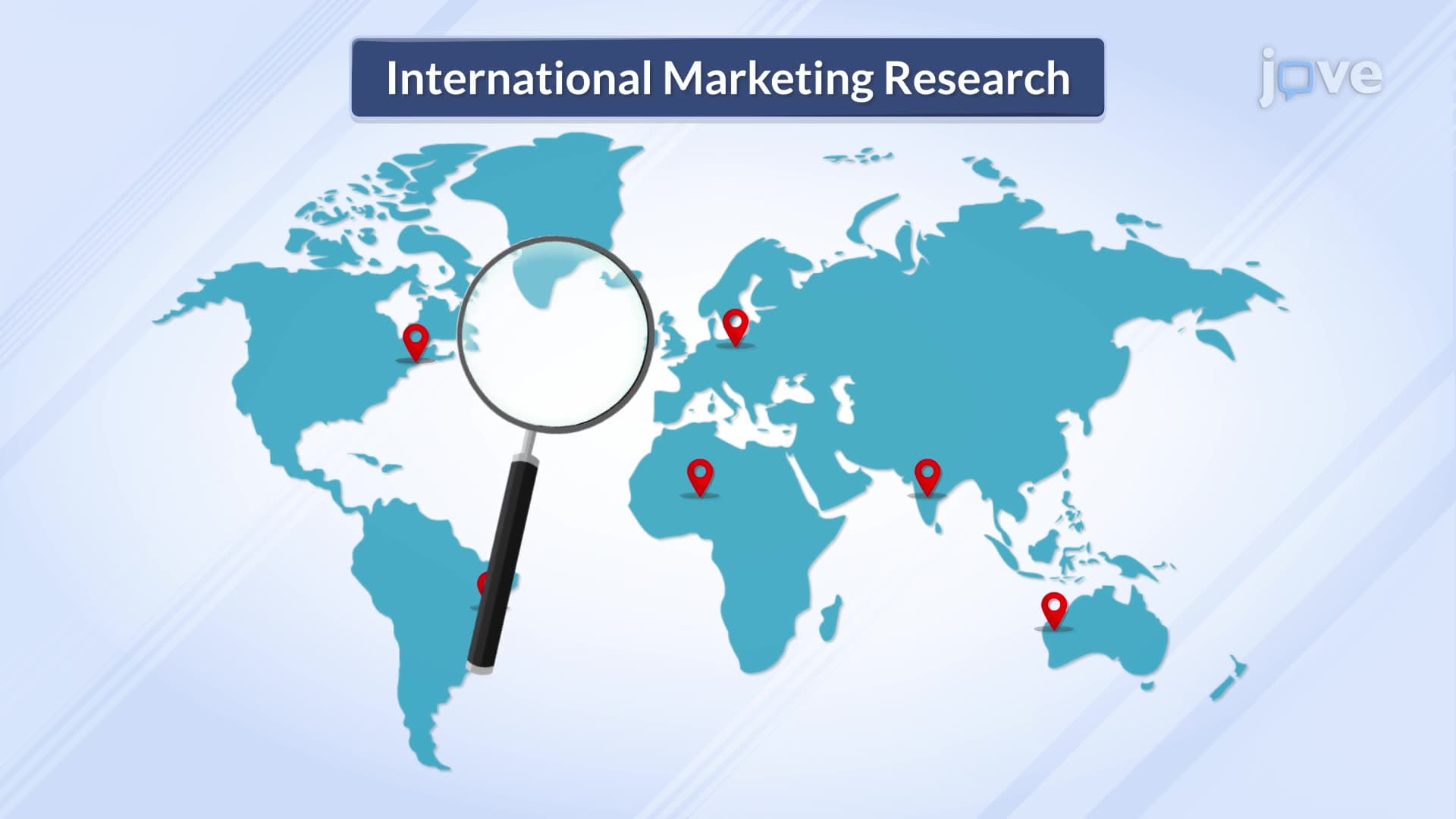
International marketing research drives competitive advantage for companies expanding globally, yet 70% of international ventures fail due to inadequate market intelligence. This strategic process involves systematically gathering and analyzing consumer behavior, regulatory environments, and competitive dynamics across diverse markets. Companies like McDonald's leverage international marketing research to adapt their product offerings and marketing strategies to local preferences, transforming a standardized fast-food model into culturally relevant experiences worldwide. Watch the full video on JoVE Coach to master this concept with expert-led visuals and step-by-step explanations.
When Starbucks entered the Chinese market, initial research revealed that tea culture dominated beverage consumption patterns-yet today, China represents one of their fastest-growing markets. This transformation exemplifies how international marketing research enables companies to navigate complex global landscapes and identify untapped opportunities.
International marketing research serves as the strategic foundation for global business expansion, providing executives with actionable intelligence to make informed market entry decisions, optimize resource allocation, and minimize costly market failures. This discipline extends far beyond traditional domestic research, incorporating cultural anthropology, regulatory analysis, and economic forecasting to create comprehensive market intelligence.
Effective international marketing research encompasses five critical dimensions that directly impact P&L performance. Consumer behavior analysis reveals purchasing patterns, brand preferences, and decision-making processes that vary significantly across cultures. For instance, American Express discovered that premium card positioning strategies successful in the US required substantial modification for European markets, where credit card usage patterns and financial privacy expectations differ markedly.
Regulatory environment assessment identifies compliance requirements, intellectual property protections, and market access barriers that influence operational costs and market entry timing. Economic condition analysis examines currency stability, purchasing power, and market maturity to inform pricing strategies and revenue projections.
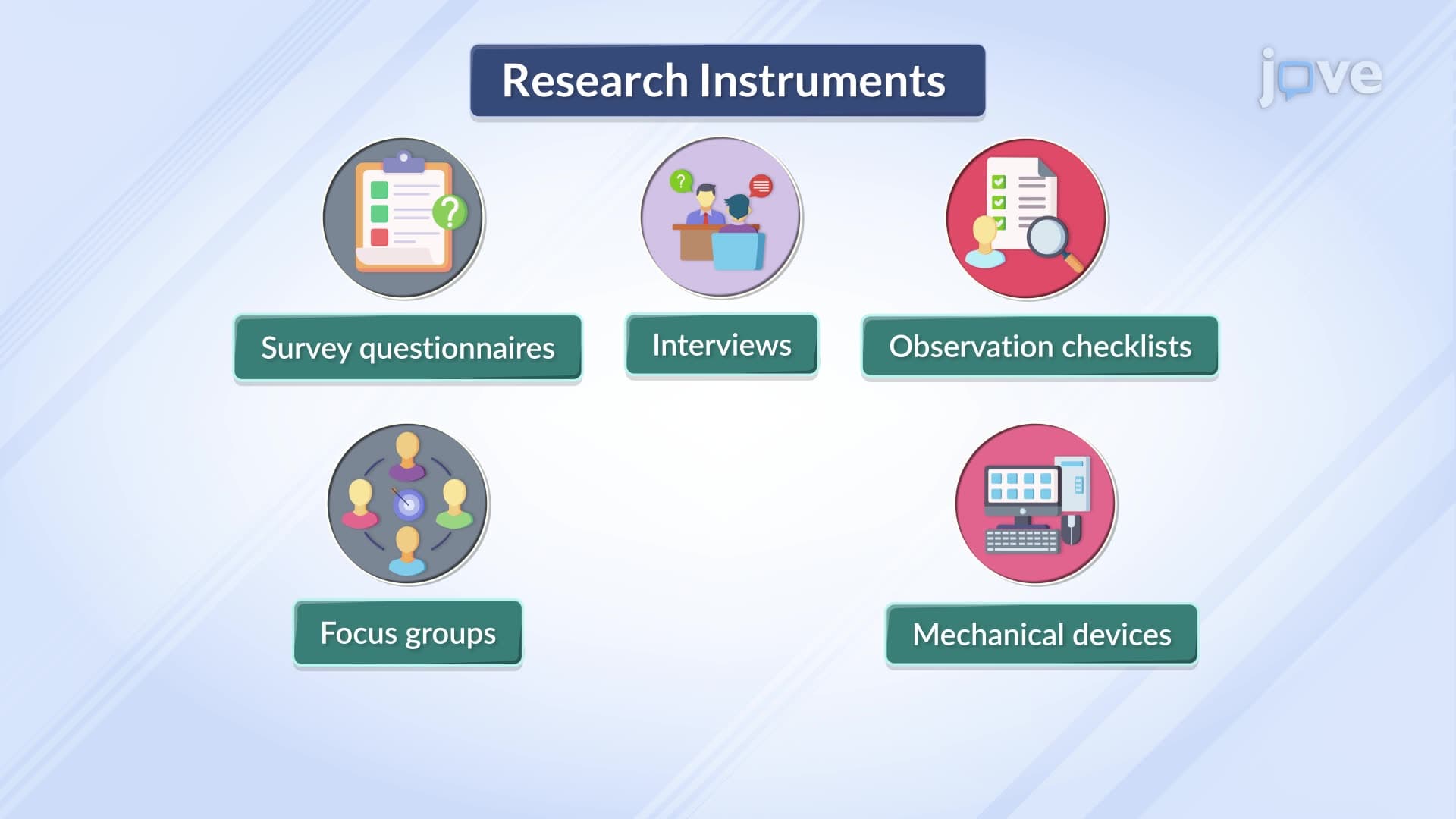
Leading multinational corporations utilize structured approaches to international market research that integrate quantitative data with qualitative cultural insights. Primary research methods include focus groups adapted for cultural contexts, consumer surveys translated and validated across languages, and ethnographic studies that reveal unspoken consumer needs.
Secondary research leverages government databases, industry reports, and competitive intelligence to establish market baselines and identify trends. Companies like Procter & Gamble invest heavily in local research partnerships, recognizing that cultural nuances often determine product success more than functional benefits.
Data comparability across markets presents significant challenges, as consumer research methodologies and response patterns vary culturally. Smart organizations establish standardized research protocols while maintaining flexibility for local adaptation. Language barriers require professional translation services and cultural validation to ensure survey instruments capture intended meanings.
Market regulation variations affect data collection permissions, consumer privacy requirements, and research methodology approvals. Successful international researchers build compliance protocols into their research design, working with local legal experts to navigate regulatory requirements while maintaining research integrity.
Related Micro-courses