Loading subject page…


13,348 views

Video Summary: What Is Ethics in Market Research
Consumer trust violations cost US companies billions annually, with Facebook's Cambridge Analytica scandal resulting in $5 billion in fines. Ethics market research has become a critical business imperative as data privacy regulations tighten and brand reputation hinges on responsible data practices. Companies like Johnson & Johnson leverage ethical research frameworks to maintain consumer confidence while gathering actionable market insights. Understanding what is ethics in market research enables leaders to balance competitive intelligence needs with regulatory compliance and stakeholder trust. Watch the full video on JoVE Coach to master this concept with expert-led visuals and step-by-step explanations.
Market research ethics has evolved from academic principle to business-critical competency. When Equifax's data breach exposed 147 million consumers' personal information in 2017, the company faced $700 million in settlements and lasting reputational damage. This incident underscores why understanding ethics market research definition is essential for executive decision-making and organizational risk management.
Modern enterprises operate under intense regulatory scrutiny, with state-level privacy laws creating a complex compliance landscape. California's Consumer Privacy Act (CCPA) and similar legislation have transformed how companies collect, process, and analyze consumer data. Organizations that proactively implement ethical research frameworks gain competitive advantages through enhanced consumer trust, reduced legal exposure, and improved data quality.
Target Corporation exemplifies this approach. Following their 2013 data breach, the retailer invested heavily in ethical data practices, creating transparent opt-in policies and robust consent mechanisms. This strategic pivot not only restored consumer confidence but also improved their market research accuracy by ensuring participants provide more honest, voluntary responses.
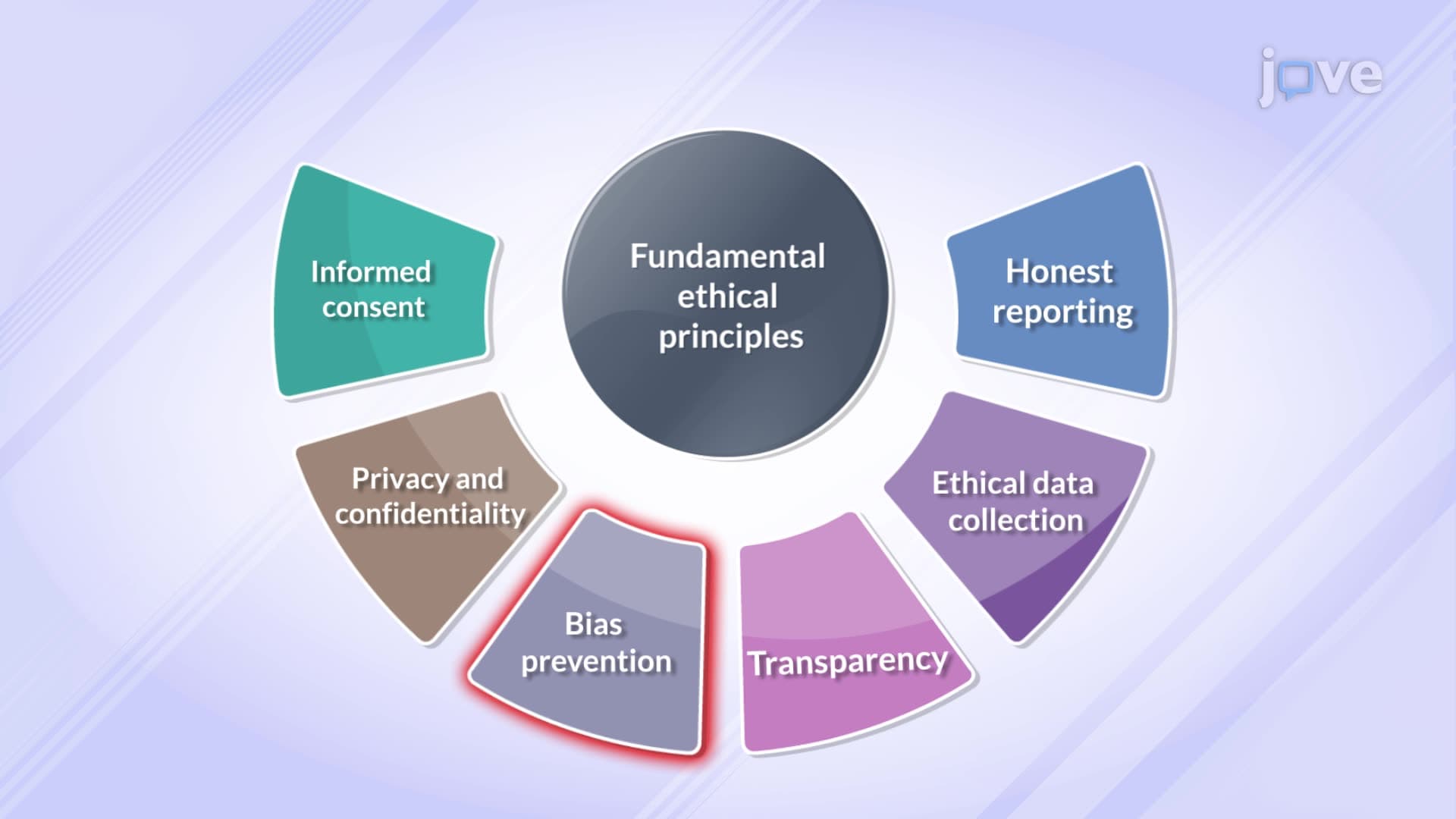
Informed consent extends beyond legal compliance to strategic relationship management. When participants understand research objectives and data usage, they provide higher-quality insights that drive better business decisions. Amazon's customer research initiatives demonstrate this principle-their transparent communication about data collection enables more accurate consumer behavior analysis.
Privacy and confidentiality requirements create operational frameworks that protect both participants and organizations. Companies implementing strong data governance protocols reduce regulatory risk while building sustainable research capabilities. Microsoft's privacy-by-design approach in market research has become an industry benchmark, enabling comprehensive consumer insights while maintaining ethical standards.
Bias prevention directly impacts research ROI and strategic accuracy. Wells Fargo's comprehensive market research ethics program includes multi-layered bias detection protocols, ensuring their consumer banking insights accurately reflect diverse market segments. This approach has improved their product development cycles and reduced costly market miscalculations.
Related Micro-courses