Loading subject page…

- Marketing
- Market Research
- Marketing Research Process - Overview
Micro-course: Market Research
13,348 views
Learn key concepts and earn your certificate.














Marketing Research Process - Overview


00:00
01:28
Video Summary: What Is Marketing Research Process
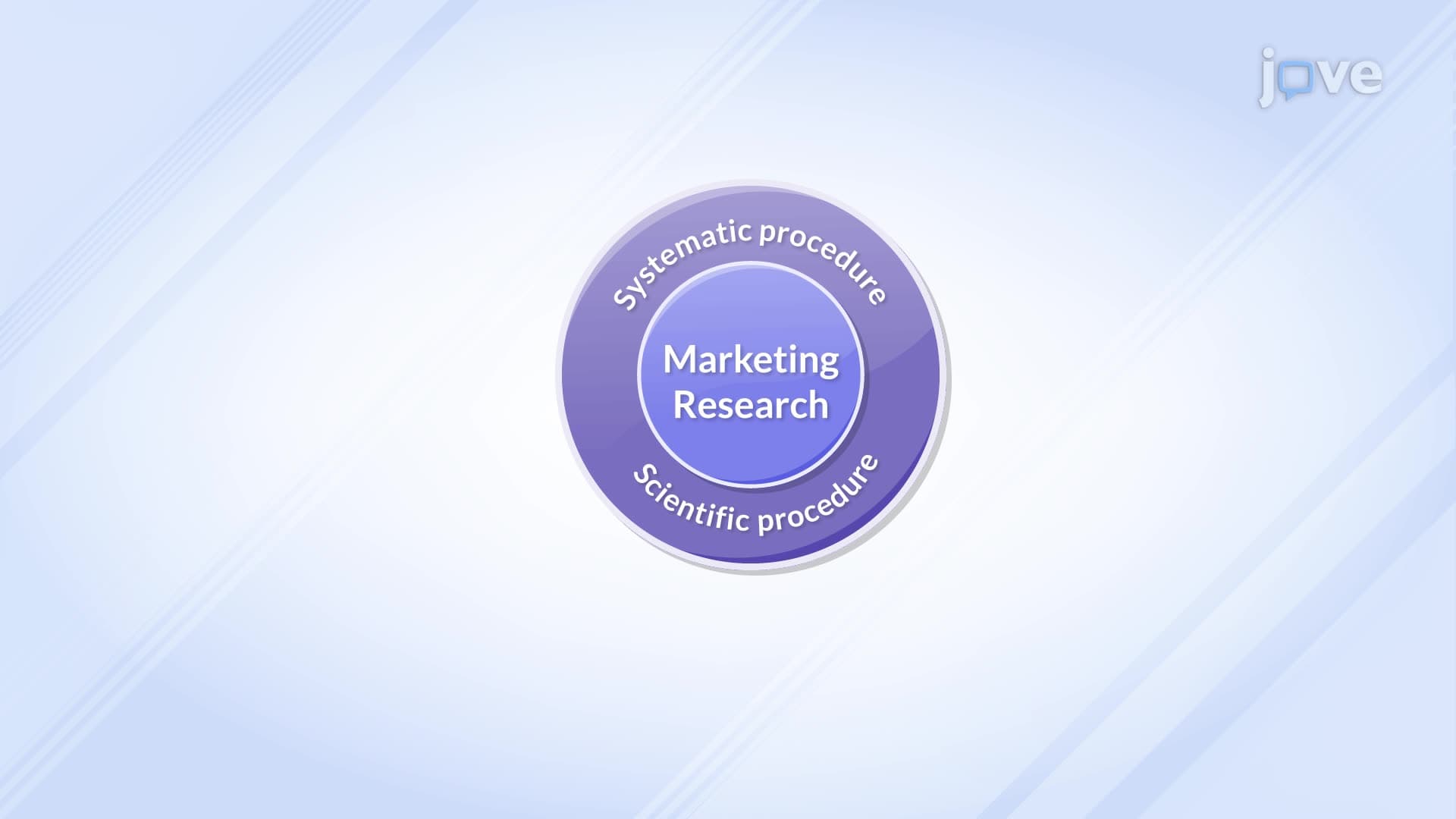
When Nike shifts its marketing strategy toward sustainable products or Amazon launches a new service category, successful market entry relies on structured research methodology. The marketing research process provides business leaders with a systematic framework for making data-driven decisions that directly impact revenue and competitive positioning. This comprehensive approach encompasses problem identification, research design selection, data collection strategies, analysis techniques, and actionable reporting-all critical components for executives navigating today's complex marketplace. Watch the full video on JoVE Coach to master this concept with expert-led visuals and step-by-step explanations.
- Apply systematic research methodologies to identify market opportunities and validate business assumptions before major capital investments
- Evaluate the appropriate research design-exploratory, descriptive, or causal-based on specific business objectives and decision-making requirements
- Analyze primary versus secondary data sources to optimize research budgets while maximizing actionable insights for strategic planning
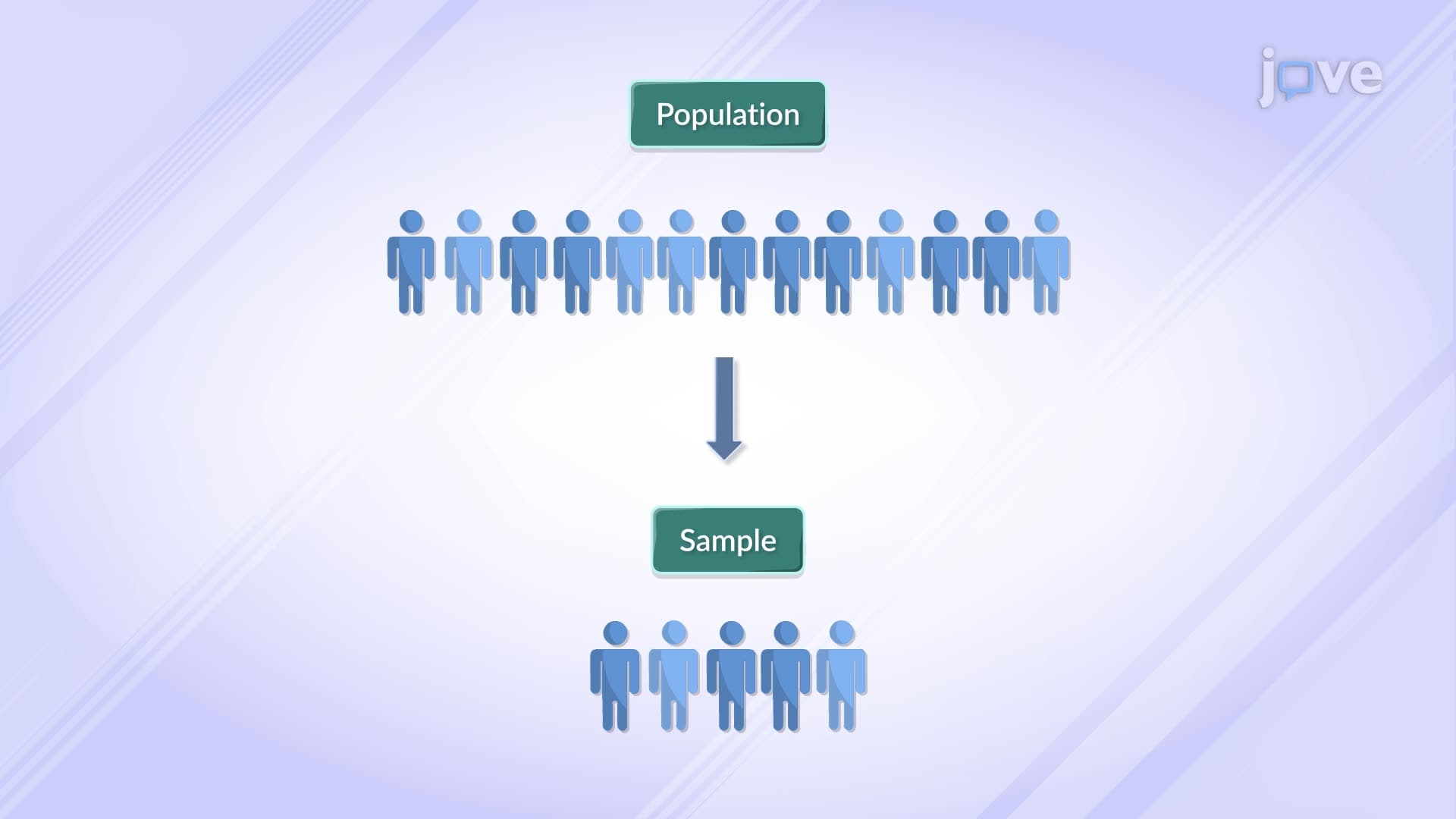
- Implement representative sampling techniques that accurately reflect target customer segments and market dynamics
- Assess data reliability and validity to ensure research findings support confident executive decision-making
- Leverage comprehensive reporting frameworks to communicate research insights effectively to C-suite executives and board members
- Identify critical decision points where research methodology pivots can prevent costly market miscalculations
- Compare competitive research approaches to maintain strategic advantage in rapidly evolving markets
Understanding the Marketing Research Process Framework
Modern business leaders face unprecedented market complexity, where a single misstep can cost millions in lost revenue or market share. The marketing research process serves as a strategic compass, guiding executives through systematic investigation that transforms uncertainty into actionable intelligence. Unlike ad-hoc data collection, this structured approach ensures comprehensive analysis that supports high-stakes business decisions.
Strategic Problem Identification and Opportunity Assessment
The foundation of effective marketing research lies in precisely defining the business challenge or market opportunity. Consider Starbucks' expansion into cold brew products-the company didn't simply assume consumer demand existed. Instead, they identified specific research questions: What drives premium cold coffee consumption? Which demographic segments show highest purchase intent? How do seasonal patterns affect demand forecasting? This systematic problem definition phase prevents research scope creep and ensures alignment with strategic business objectives.
Research Design Selection for Maximum Business Impact
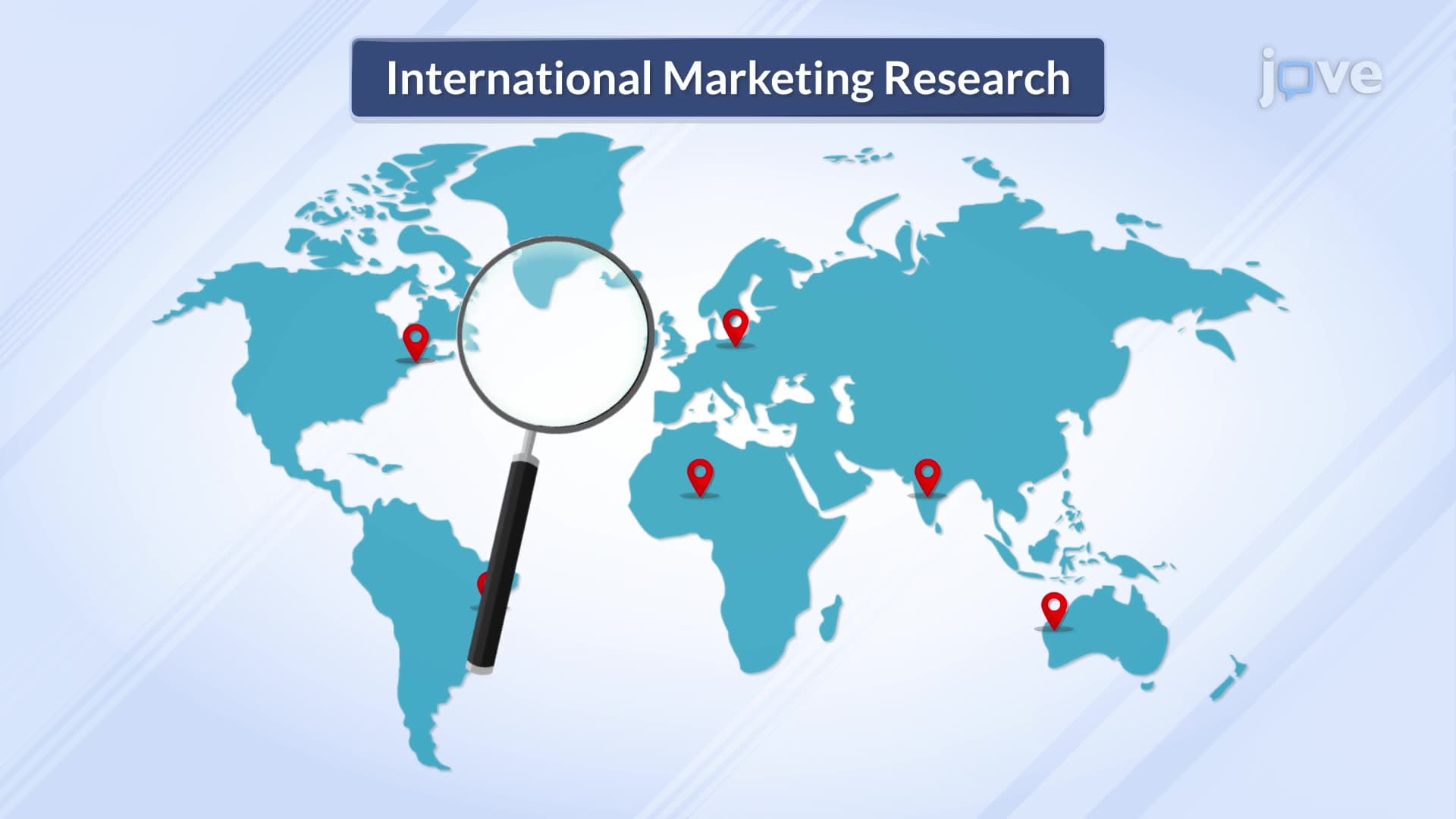
Selecting the optimal research methodology directly impacts both budget allocation and decision quality. Exploratory research uncovers unknown market dynamics-essential when entering new categories or geographic markets. Descriptive research quantifies market size and customer segments, critical for revenue projections and capacity planning. Causal research establishes cause-and-effect relationships that inform pricing strategies, product positioning, and marketing mix optimization. Walmart's grocery pickup service launch exemplified this multi-method approach, combining customer interviews, purchase behavior analysis, and controlled market tests.
Data Strategy and Competitive Intelligence Integration
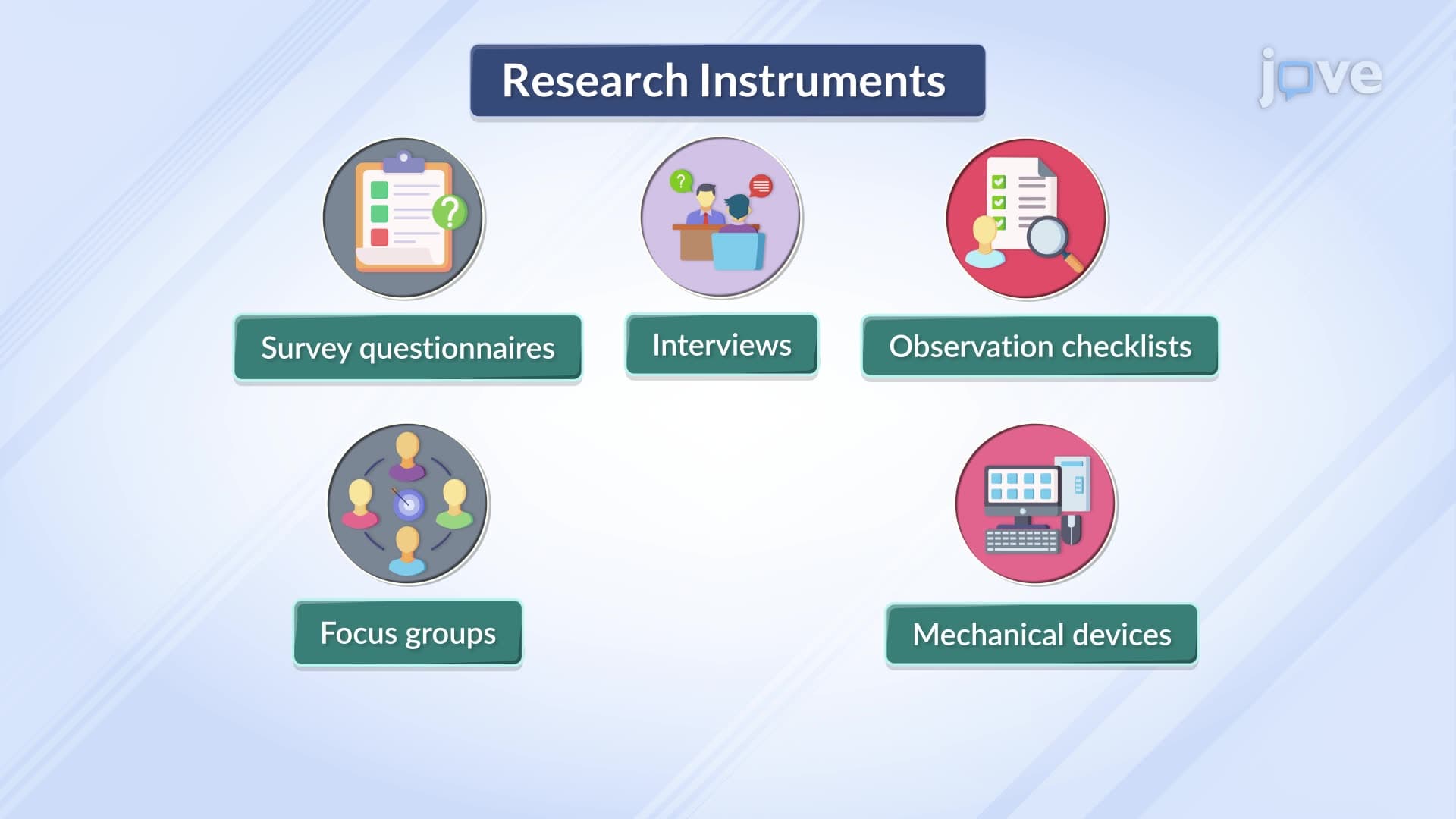
Modern marketing research extends beyond traditional surveys and focus groups. Secondary data from industry reports, competitor analysis, and digital analytics provides cost-effective market context. Primary data collection-through customer interviews, behavioral observation, and experimental design-delivers proprietary insights that create competitive advantage. The most effective research strategies combine both approaches, leveraging existing market intelligence while generating unique customer understanding that competitors cannot replicate.
Analysis Framework and Executive Reporting
Raw data transformation into strategic recommendations requires sophisticated analytical frameworks that connect research findings to business performance metrics. Effective analysis identifies statistical significance, practical business relevance, and implementation feasibility. The final research deliverable must translate complex findings into clear strategic options, complete with risk assessments, resource requirements, and projected ROI scenarios that enable confident executive decision-making.
Frequently Asked Questions
The marketing research process is a systematic framework that transforms market uncertainty into actionable business intelligence through structured problem identification, research design, data collection, analysis, and strategic reporting. It reduces decision-making risk by providing evidence-based insights that support major investments, product launches, and market expansion strategies.
Select exploratory research when investigating unknown market dynamics or emerging trends, descriptive research when quantifying market opportunities or customer segments, and causal research when establishing relationships between marketing actions and business outcomes. Most complex business decisions benefit from a phased approach combining multiple methodologies for comprehensive market understanding.
Prioritize primary research when seeking proprietary competitive advantage, investigating industry-specific customer behaviors, or validating assumptions about new market opportunities. Use secondary research for market sizing, competitive benchmarking, and industry trend analysis. The most effective strategies combine both approaches to maximize insights while optimizing research budgets.
McDonald's development of all-day breakfast exemplifies comprehensive marketing research execution. The company conducted extensive consumer preference studies, analyzed regional demand variations, evaluated operational feasibility across franchise locations, and tested implementation strategies in select markets before national rollout. This systematic approach validated consumer demand while identifying operational requirements for successful nationwide implementation.
While statistical literacy enhances research quality, business leaders can successfully implement marketing research by focusing on research design logic, sampling principles, and results interpretation. Partner with experienced researchers for complex analytical requirements while maintaining oversight of strategic alignment and business relevance throughout the research process.
Marketing research expertise demonstrates analytical thinking, strategic planning capabilities, and evidence-based decision-making skills that executives value across industries. These competencies support promotion to senior leadership roles, enhance credibility in strategic planning processes, and improve performance in roles requiring market analysis and competitive intelligence.
Consider advancing to market segmentation strategies, customer lifetime value analysis, competitive intelligence frameworks, and predictive analytics applications. These complementary skills create comprehensive market analysis capabilities that support executive-level strategic planning and business development initiatives.
Connect research insights directly to key performance indicators, revenue projections, and strategic objectives by translating findings into specific recommendations with clear implementation timelines, resource requirements, and success metrics. Present research results within the context of competitive positioning, market opportunity assessment, and risk mitigation strategies.
Related Micro-courses