Loading subject page…

- Mechanical Engineering
- An Introduction to Statics
- Newton's Law of Gravitational Attraction
Micro-course: An Introduction to Statics
26,579 views
Learn key concepts and earn your certificate.

Newton's Law of Gravitational Attraction

00:00
01:24
Video Summary: Newtons Law of Gravitational Attraction Explained
Ever wonder why astronauts at the International Space Station don't just float away into deep space? Newton's law of gravitational attraction explains this phenomenon through the fundamental force that governs everything from falling apples to orbiting satellites. This universal law describes how every particle in the universe attracts every other particle with a force proportional to their masses and inversely proportional to the square of their distance. From NASA's rocket launches at Kennedy Space Center to the precise timing of GPS satellites, this principle shapes our modern world. Watch the full video on JoVE Coach to master this concept with expert-led visuals and step-by-step explanations.
- Understand Newton's law of gravitational attraction as the fundamental force equation governing all massive objects in the universe
- Identify the mathematical relationship between gravitational force, mass, distance, and the universal gravitational constant G
- Analyze how gravitational force varies with changes in mass and distance between objects
- Apply the gravitational force equation to solve problems involving planetary motion, satellite orbits, and weight calculations
- Evaluate real-world applications of gravitational principles in engineering systems like drop hammers and material handling equipment
- Recognize the difference between mass (intrinsic property) and weight (gravitational force) in various gravitational fields
- Compare gravitational forces between different celestial bodies and explain orbital mechanics
- Explore how Newton's gravitational law connects to broader physics concepts like energy, momentum, and circular motion
Understanding Newton's Law of Gravitational Attraction
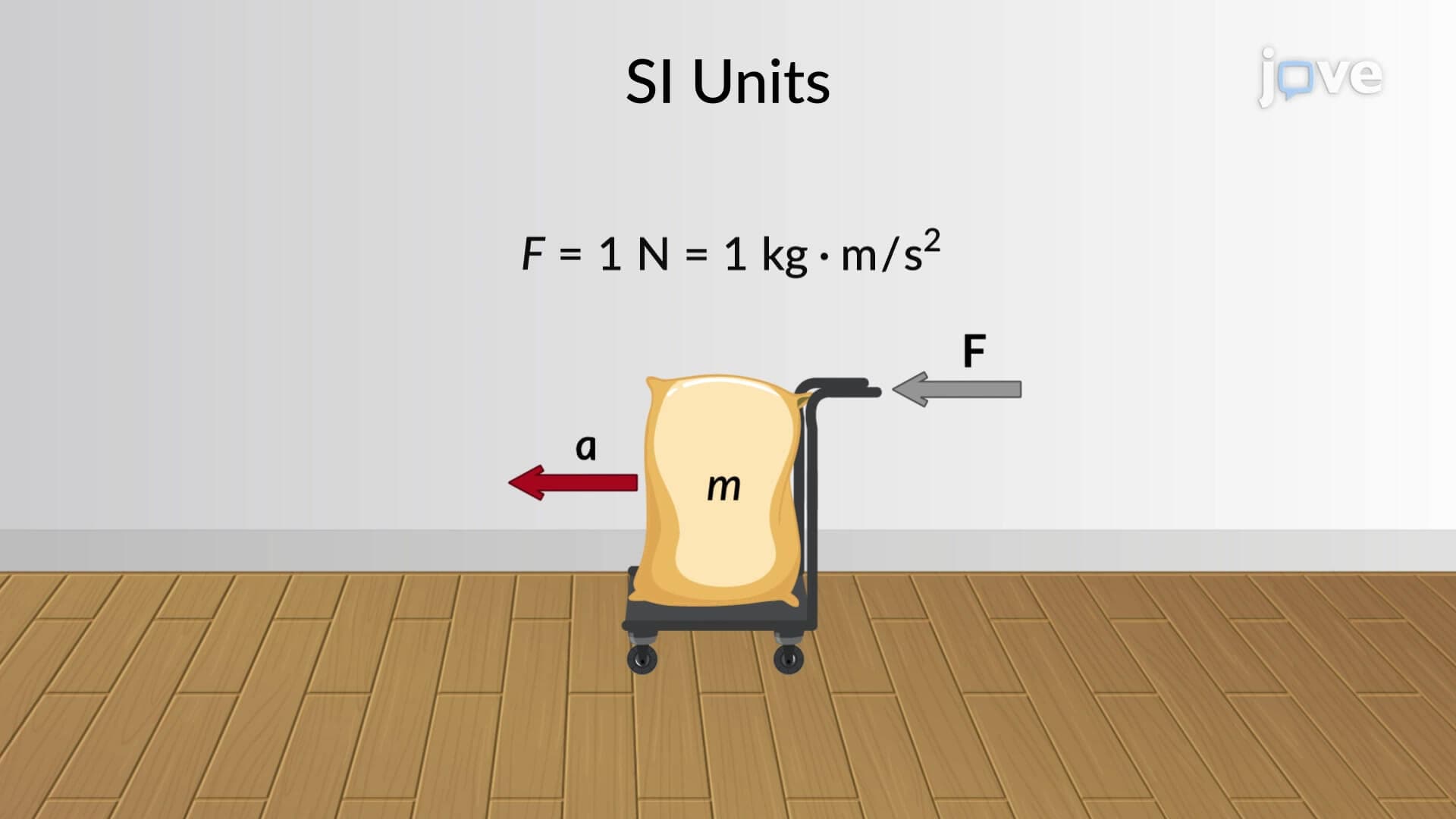
Newton's law of gravitational attraction represents one of physics' most elegant and universal principles. This fundamental law states that every particle of matter in the universe attracts every other particle with a force that depends on two key factors: the masses involved and the distance separating them. The mathematical expression is F = G × (m1 × m2) / r², where G represents the universal gravitational constant (6.67 × 10⁻¹¹ N⋅m²/kg²).
This law revolutionized our understanding of motion, explaining why objects fall toward Earth and how planets maintain their orbits. Unlike other forces that require direct contact, gravity acts at a distance-a concept that initially puzzled even Newton himself.
The Mathematical Foundation and Physical Meaning
The inverse square relationship means that doubling the distance between two objects reduces the gravitational force by a factor of four. This relationship explains why astronauts experience microgravity at the International Space Station's altitude of approximately 400 kilometers above Earth, even though Earth's gravitational field is still about 90% of its surface value.
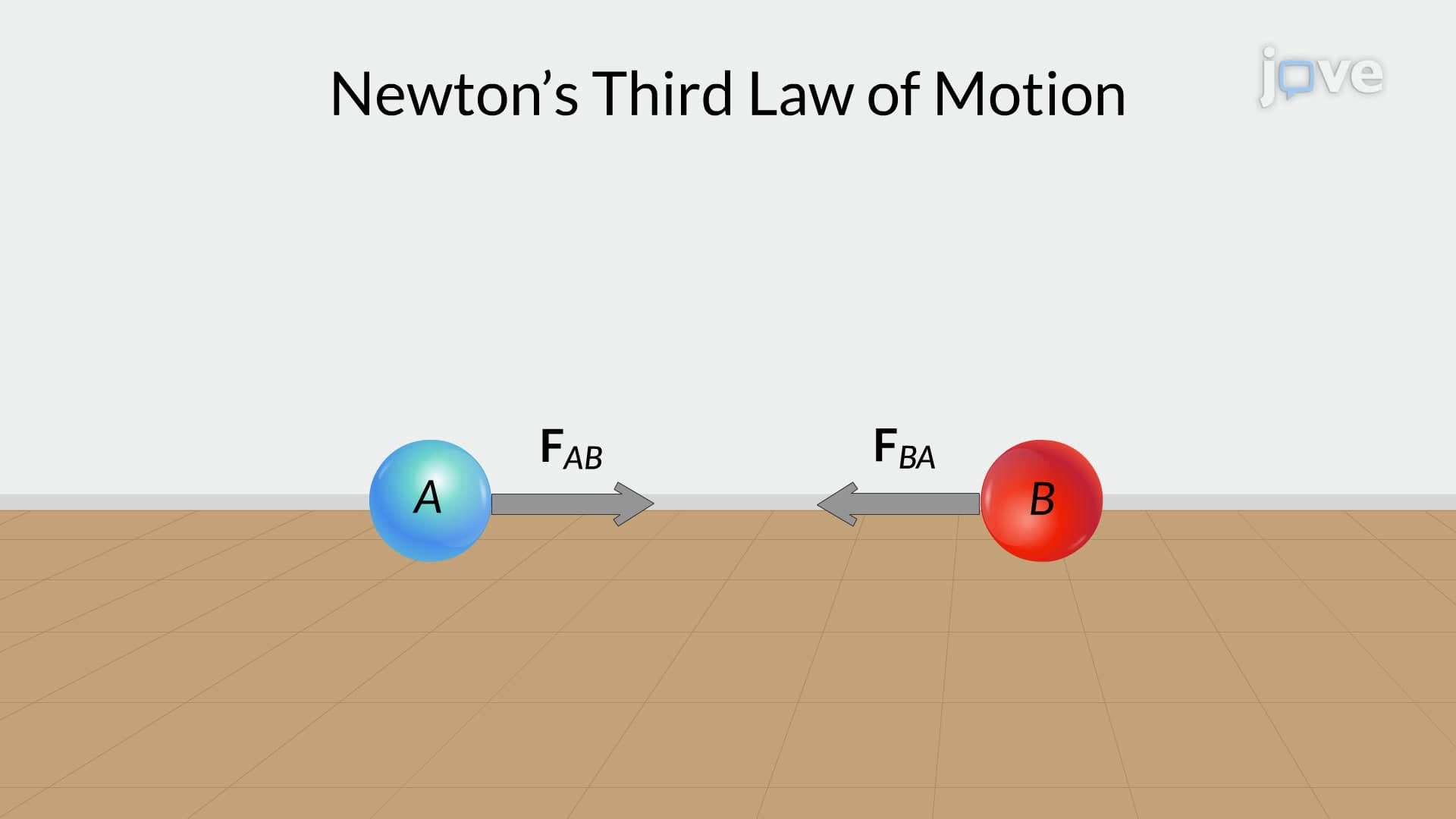
For AP Physics students, understanding this mathematical relationship proves crucial for solving orbital mechanics problems. The force acts along the line connecting the centers of mass of both objects, following Newton's third law-each object pulls on the other with equal magnitude but opposite direction.
Weight vs. Mass: A Critical Distinction
One of the most important applications involves understanding weight as gravitational force. An object's weight equals its mass multiplied by local gravitational acceleration (W = mg). This distinction becomes vital when studying celestial mechanics or preparing for standardized tests like the SAT Subject Test in Physics.
On Earth's surface, g equals approximately 9.8 m/s², but this value changes with altitude and location. Students often encounter this concept in college physics courses when analyzing satellite motion or planetary exploration scenarios.
Industrial and Engineering Applications
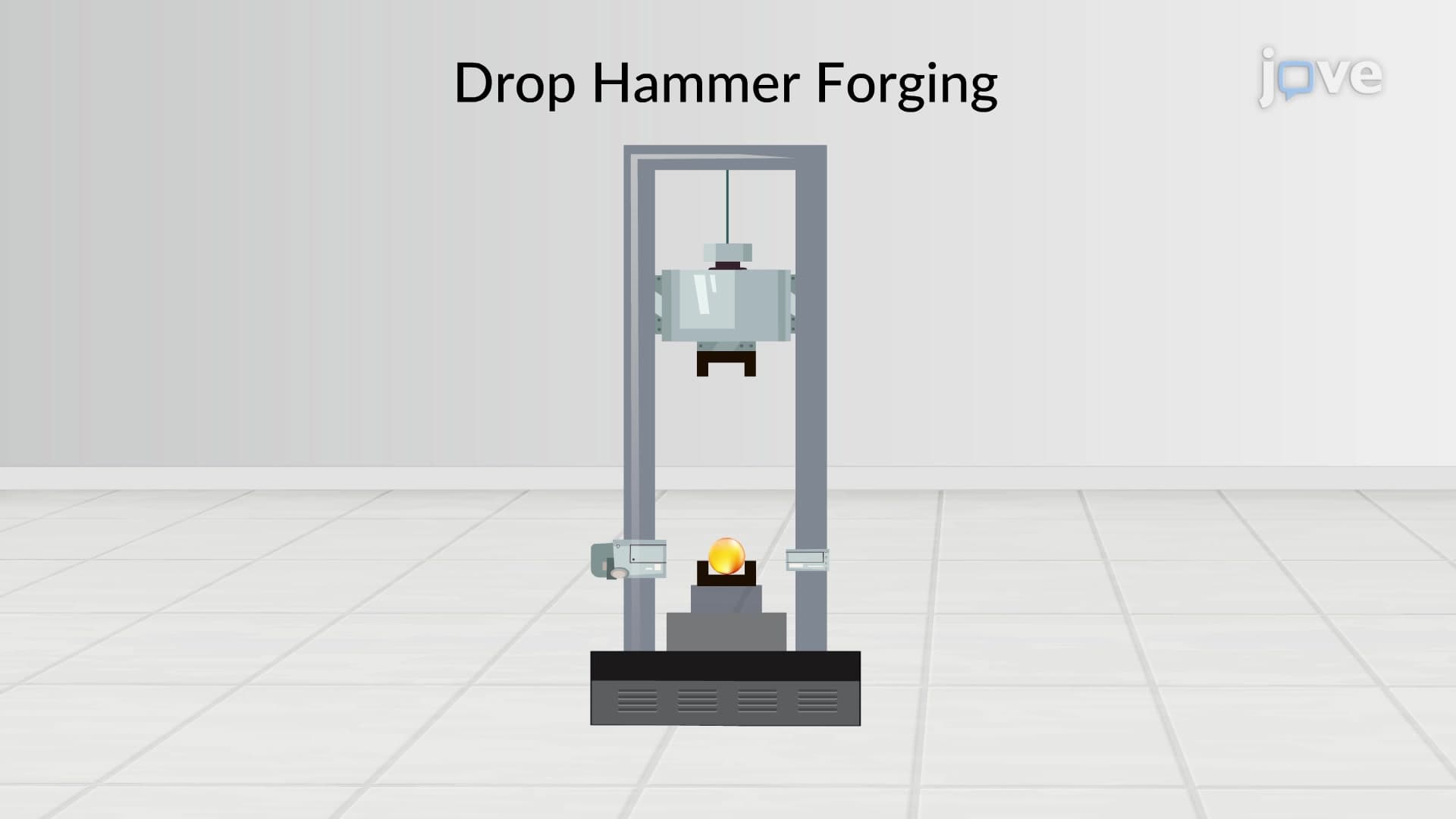
Beyond theoretical physics, Newton's gravitational law drives numerous industrial processes. Drop hammer forging, mentioned in manufacturing courses at institutions like MIT and Purdue University, utilizes controlled gravitational force to shape metals. The hammer's potential energy converts to kinetic energy during free fall, delivering precise force upon impact.
Gravity separators in mining operations use density differences to separate materials, while gravity conveyors transport goods efficiently in warehouses across the United States. These applications demonstrate how fundamental physics principles translate into practical engineering solutions.
Frequently Asked Questions
Newton's law of gravitational attraction describes the fundamental force between any two objects with mass, stating that this force is proportional to their masses and inversely proportional to the square of their separation distance. It's crucial because it explains everything from why objects fall to Earth to how satellites maintain orbit. This law forms the foundation for understanding celestial mechanics, engineering applications, and appears frequently on AP Physics and college physics exams.
The AP Physics 1 and C exams commonly feature gravitational force calculations, orbital motion problems, and satellite mechanics questions. Students must apply F = G(m1×m2)/r² to solve for unknown masses, distances, or forces. Typical problems involve comparing gravitational forces at different altitudes, calculating escape velocities, or analyzing planetary motion using Kepler's laws in conjunction with Newton's gravitational law.
The MCAT emphasizes conceptual understanding and real-world applications, focusing on how gravitational principles relate to biological systems and medical technology. College physics courses dive deeper into mathematical derivations, orbital mechanics calculations, and engineering applications. Both require understanding the inverse square relationship, but the MCAT prioritizes interpreting graphs and analyzing scenarios rather than complex calculations.
NASA uses Newton's law to calculate trajectory paths for spacecraft, determine fuel requirements for orbit insertion, and plan gravitational assists for deep space missions. For example, the Parker Solar Probe mission uses Venus flybys to gradually decrease orbital distance, exploiting gravitational forces to achieve velocities impossible with current propulsion technology alone. GPS satellites also rely on precise gravitational calculations to maintain their orbital positions.
Most students find the concept accessible with proper foundation in algebra and basic physics principles. The mathematical relationship follows a straightforward pattern, and real-world examples help reinforce understanding. Students who struggle with inverse relationships or scientific notation may need extra practice, but the concept itself builds naturally on everyday experiences with falling objects and weight.
Start by memorizing the equation F = G(m1×m2)/r² and understanding what each variable represents. Practice identifying given information and unknown quantities in word problems. Work through problems involving weight calculations at different altitudes, satellite orbital periods, and comparing forces between different celestial bodies. Create a formula sheet connecting gravitational force to related concepts like circular motion and energy conservation.
Gravitational attraction links directly to circular motion (centripetal force), energy conservation (potential and kinetic energy), and momentum principles. In advanced courses, it connects to Einstein's general relativity and field theory. Students studying engineering will encounter applications in structural design, fluid dynamics, and materials handling systems.
Build on this foundation by exploring Kepler's laws of planetary motion, orbital mechanics, and gravitational potential energy. Advanced students can investigate tidal forces, gravitational waves, and Einstein's modifications to Newtonian gravity. These topics frequently appear in college physics sequences and form the basis for astrophysics and aerospace engineering coursework.
Related Micro-courses