Loading subject page…


5,774 views

Video Summary: What are Applications of Stress
Ever wondered how engineers ensure that bridges don't collapse under traffic or skyscrapers withstand hurricane winds? The applications of stress are everywhere around us, from the Golden Gate Bridge's steel cables to the support beams in your school gymnasium. Understanding stress applications helps engineers analyze how structures respond to forces, whether it's compression in concrete pillars or tension in suspension cables. Watch the full video on JoVE Coach to master this concept with expert-led visuals and step-by-step explanations.
Applications of stress form the backbone of structural engineering and mechanical design, helping engineers predict how materials and structures will behave under various loads. When you walk across a bridge, sit in a stadium, or enter a skyscraper, you're experiencing the practical results of stress analysis that ensures these structures remain safe and functional.
The types of applications of stress encompass three primary categories that engineers encounter daily. Tensile stress occurs when forces pull materials apart, like the cables supporting San Francisco's Bay Bridge or the guy-wires stabilizing radio towers. Compressive stress happens when forces push materials together, evident in concrete columns supporting parking garages or the foundation pillars of the Empire State Building. Shear stress develops when forces act parallel to surfaces, such as in the bolted connections of steel framework or the rivets holding together aircraft fuselages.
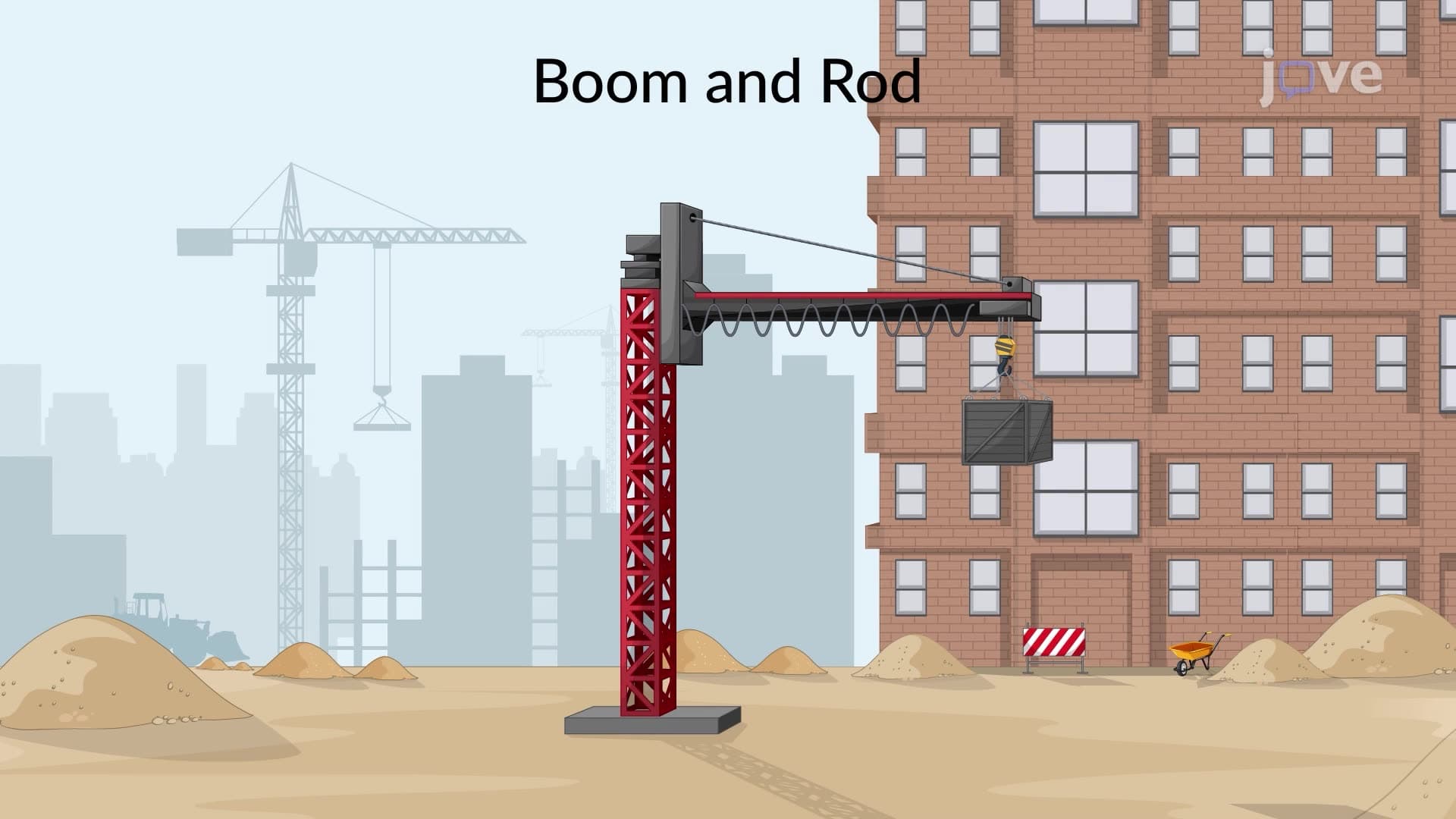
The applications of stress overview reveals how engineers systematically approach structural analysis. Consider a typical construction crane: the boom experiences compression from the weight it carries, while the supporting cables experience tension. Engineers create free-body diagrams to isolate each component, apply equilibrium equations (ΣF = 0 and ΣM = 0), and calculate reaction forces at connection points. This methodical approach appears frequently on AP Physics exams and college-level statics courses, where students must demonstrate proficiency in force analysis.
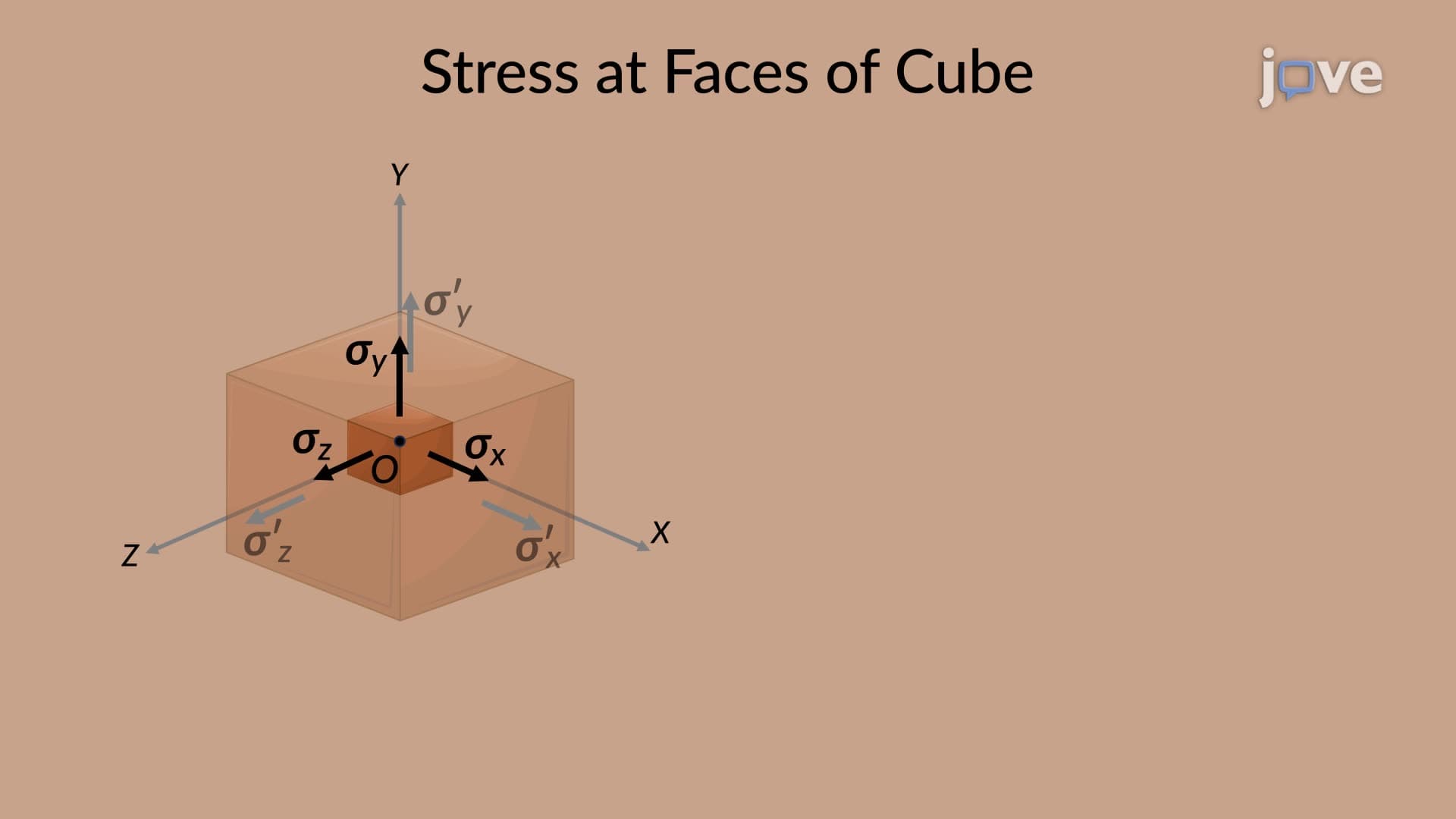
Understanding applications of stress basics requires mastering the fundamental relationship: stress = force/area. When designing a steel beam for a highway overpass, engineers calculate the maximum expected load, determine the required cross-sectional area, and select appropriate materials with sufficient strength. Factor of safety considerations ensure structures can handle loads well beyond normal operating conditions. This concept appears regularly on engineering fundamentals exams and forms the foundation for advanced courses in structural analysis, making it essential for students pursuing STEM careers in civil, mechanical, or aerospace engineering.
Related Micro-courses