Loading subject page…
- Microbiology
- Microbial Growth
- Microbial Growth Measurement: Indirect Methods
Micro-course: Microbial Growth
10,971 views
Learn key concepts and earn your certificate.


Microbial Growth Measurement: Indirect Methods

00:00
01:27
Video Summary: Microbial Growth Measurement Indirect Methods Guide
Ever wondered how scientists at the CDC can quickly estimate bacterial populations during a foodborne illness outbreak without counting individual cells? Microbial growth measurement indirect techniques allow researchers to assess population size through parameters like turbidity and metabolic activity rather than direct cell counting. For instance, when testing water quality at treatment facilities across the US, technicians use spectrophotometers to measure how much light bacteria scatter, providing rapid population estimates. The Microbial Growth Measurement Indirect Methods Guide covers essential techniques from optical density measurements to metabolic byproduct analysis. Watch the full video on JoVE Coach to master this concept with expert-led visuals and step-by-step explanations.
- Understand the fundamental principles behind microbial growth measurement indirect methods and their advantages over direct counting techniques
- Identify key parameters used in indirect measurement including turbidity, optical density, metabolic byproducts, and biomass determination
- Compare the effectiveness of spectrophotometric methods versus metabolic activity measurements for different bacterial species and growth conditions
- Analyze how turbidity correlates with cell concentration, particularly the threshold of approximately 1 million cells per milliliter for measurable light scattering
- Evaluate the limitations of indirect methods, including inability to distinguish live from dead cells and interference from cell clumping or biofilm formation
- Apply appropriate indirect measurement techniques for specific scenarios, such as using dry weight methods for filamentous organisms
- Recognize the role of continuous culture systems in standardizing growth measurements through controlled dilution rates
- Explore how metabolic byproducts like ATP, CO₂, and organic acids serve as reliable indicators of microbial population dynamics
Understanding Microbial Growth Measurement Indirect Methods
Microbial growth measurement indirect approaches revolutionize how microbiologists assess bacterial populations without the time-intensive process of individual cell enumeration. These methods rely on measurable parameters that correlate directly with population size, offering speed and efficiency crucial in clinical diagnostics, environmental monitoring, and industrial applications.
Turbidity and Spectrophotometric Analysis
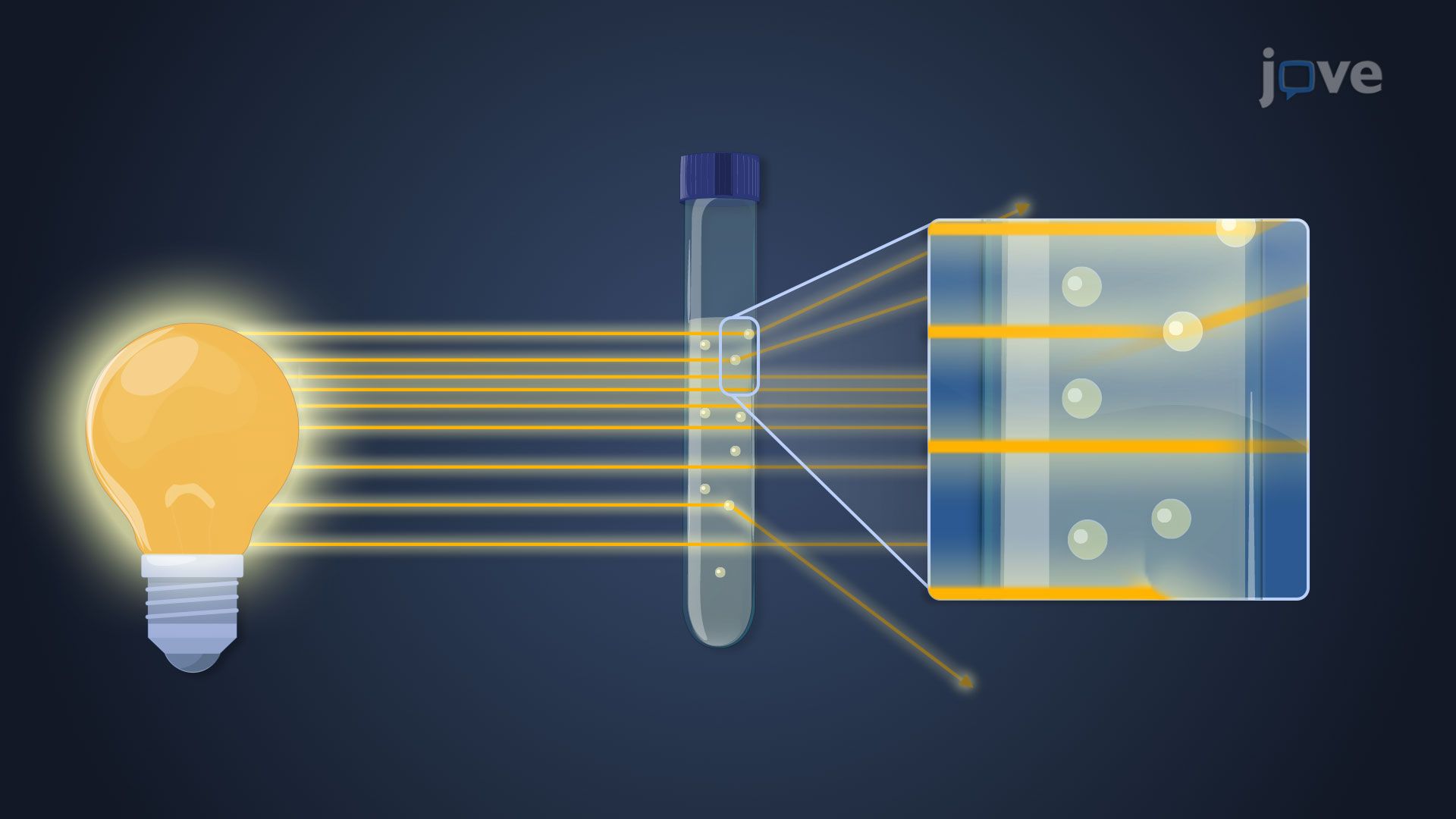
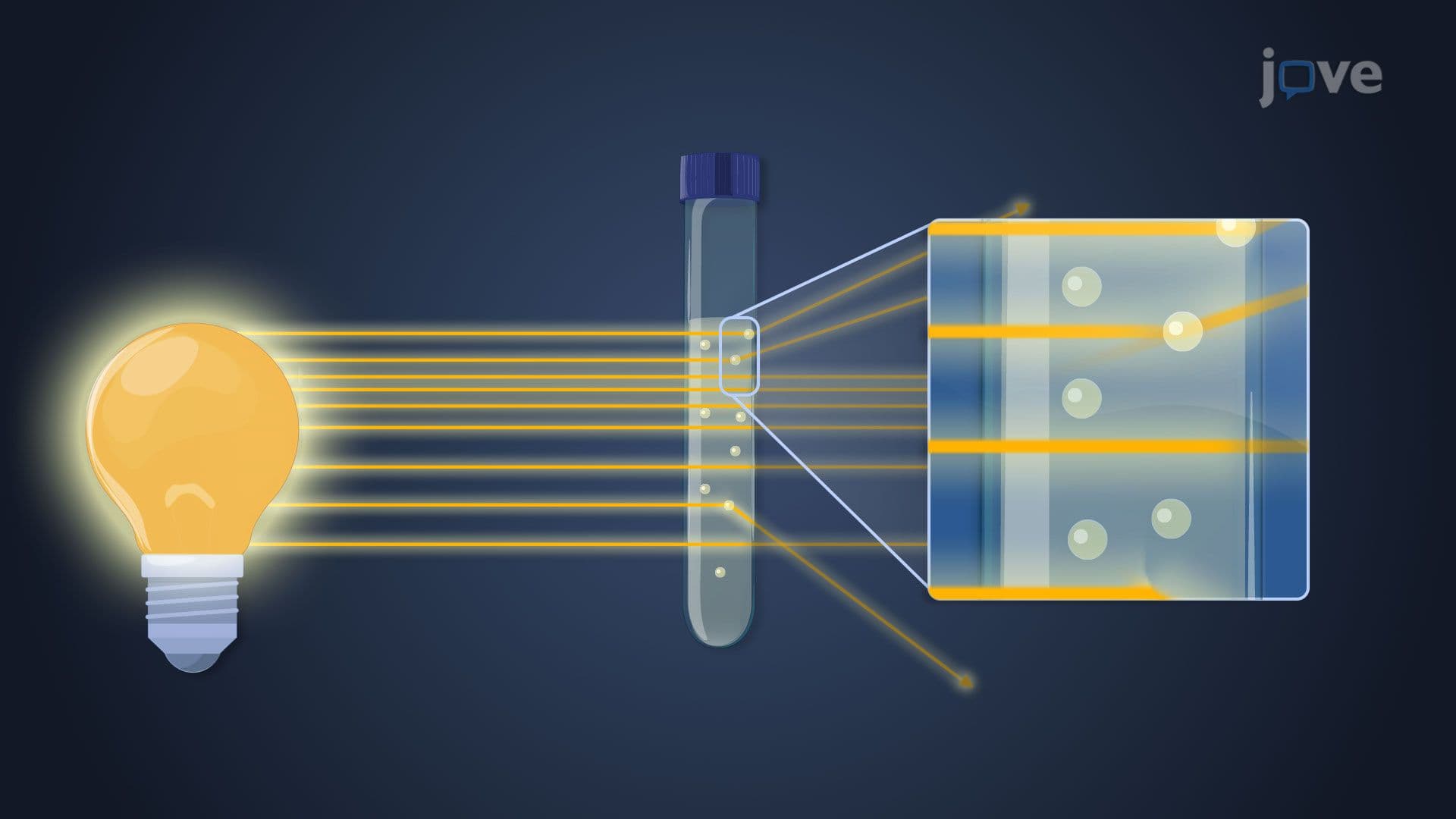
The most widely used indirect method involves measuring turbidity through spectrophotometry. As bacterial cells multiply, they scatter light proportionally to their biomass, creating measurable cloudiness in the culture medium. This phenomenon becomes detectable at approximately 1 million cells per milliliter-a critical threshold students encounter in AP Biology and college microbiology courses.
Spectrophotometers measure this light scattering as absorbance or optical density (OD), typically at wavelengths of 600 nanometers. Major US pharmaceutical companies like Pfizer and Johnson & Johnson routinely employ these techniques during vaccine production and quality control processes. The method's speed-results in minutes rather than hours-makes it invaluable for real-time monitoring.
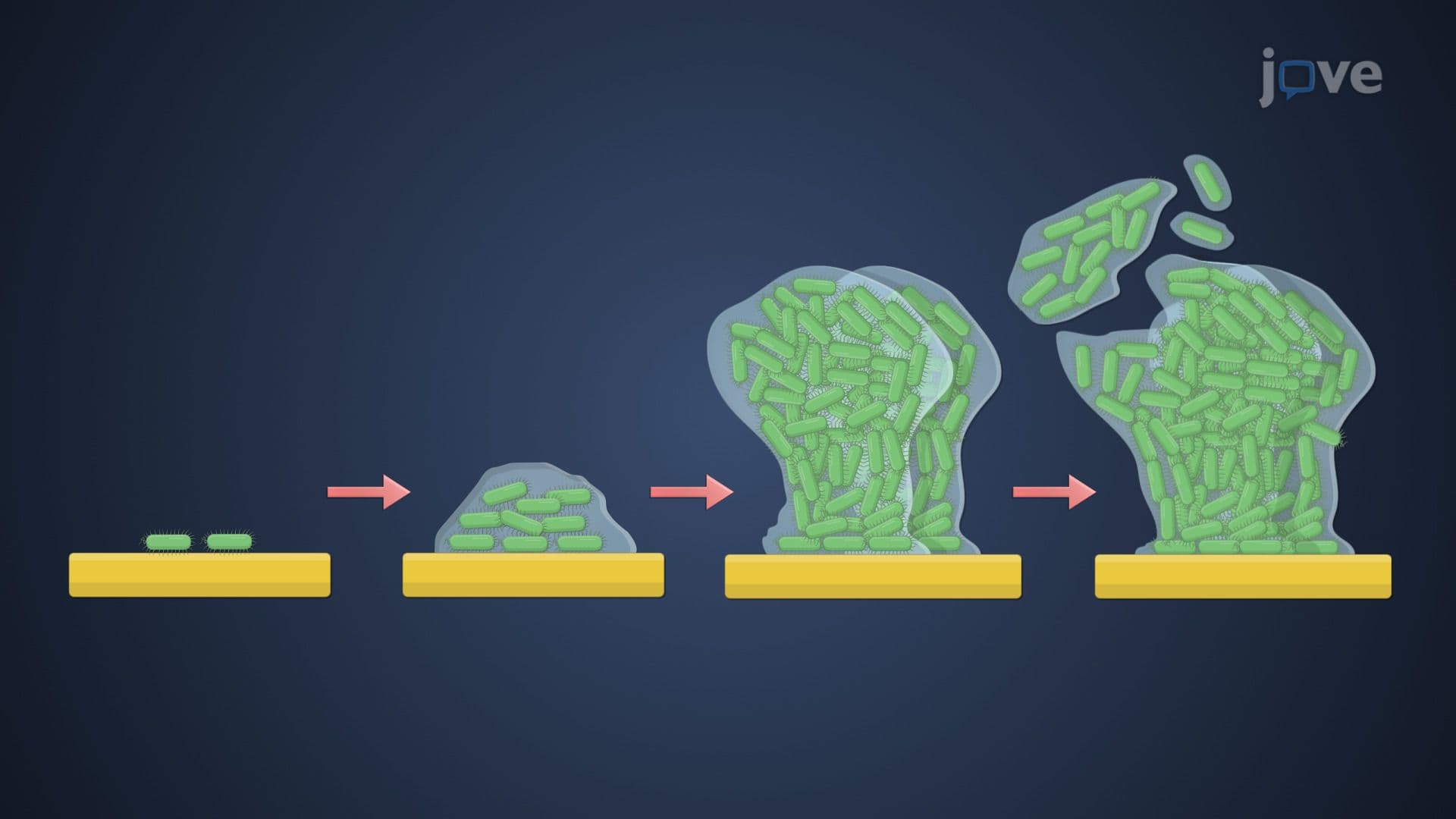
However, this technique has notable limitations. It cannot differentiate between viable and non-viable cells, potentially overestimating active populations. Additionally, cell clumping, biofilm formation, and debris can create measurement inconsistencies that students must account for in laboratory exercises and MCAT preparation.
Metabolic Activity Measurements
Beyond optical methods, indirect measurement encompasses metabolic byproduct analysis. Growing bacteria produce measurable quantities of organic acids, carbon dioxide, ATP, and nucleic acids that directly correlate with population density. Environmental consulting firms across the US utilize CO₂ production rates to assess microbial activity in contaminated soils during bioremediation projects.
ATP bioluminescence assays represent particularly sophisticated applications, converting cellular energy molecules into measurable light through firefly luciferase reactions. Food safety laboratories employ these rapid tests to detect contamination in processing facilities, providing results within 15 minutes compared to traditional culture methods requiring 24-48 hours.
Specialized Applications and Continuous Culture
For filamentous bacteria and molds-organisms that don't disperse uniformly in liquid media-dry weight determination provides the most accurate indirect measurement. This gravimetric approach involves harvesting, filtering, drying, and weighing biomass, techniques commonly featured in college-level mycology courses and industrial fermentation monitoring.
Continuous culture systems, or chemostats, represent advanced applications where fresh medium addition and culture removal at constant dilution rates enable precise growth studies. Biotechnology companies like Genentech utilize these systems for optimizing recombinant protein production, maintaining steady-state conditions that facilitate accurate indirect measurements.
Frequently Asked Questions
Microbial growth measurement indirect methods estimate bacterial population size by measuring parameters like turbidity, metabolic byproducts, or biomass rather than counting individual cells. These techniques provide rapid, efficient alternatives to direct counting methods, essential for clinical diagnostics, environmental monitoring, and industrial quality control. They're particularly valuable when speed is critical, such as in hospital laboratories detecting infections or food safety facilities preventing contamination.
The MCAT frequently tests spectrophotometry principles, asking students to interpret optical density graphs and correlate turbidity with cell concentration. AP Biology exam questions often focus on experimental design using indirect methods, requiring students to explain why certain techniques are chosen over others. College microbiology courses emphasize practical applications, with laboratory exercises involving spectrophotometer use and metabolic assay interpretation becoming common exam topics.
Key limitations include inability to distinguish live from dead cells, interference from cell debris or clumping, and species-specific variations in light scattering properties. Students should understand that turbidity measurements assume uniform cell distribution and that biofilm-forming organisms may produce inconsistent results. These concepts frequently appear in exam questions asking students to critique experimental approaches or suggest alternative methods.
US pharmaceutical companies use spectrophotometry for vaccine production monitoring, while water treatment facilities employ turbidity measurements for quality assurance. Hospital laboratories utilize ATP bioluminescence for rapid infection detection, and food processing plants implement metabolic assays for contamination screening. Environmental consulting firms measure CO₂ production to assess bioremediation effectiveness in contaminated sites across the country.
Basic understanding of light absorption, metabolic pathways, and solution chemistry provides sufficient foundation for grasping these concepts. High school chemistry knowledge of concentration, pH, and basic organic compounds prepares students adequately. The mathematical relationships are straightforward, typically involving linear correlations between measured parameters and cell density that students can easily master with practice.
Create comparison charts organizing methods by speed, accuracy, and limitations, then practice with real laboratory scenarios. Focus on understanding when to apply each technique rather than memorizing procedures mechanically. Use mnemonics like "TAME" (Turbidity, ATP, Metabolites, Exact weight) to remember the four main categories, and connect each method to specific industry applications for better retention.
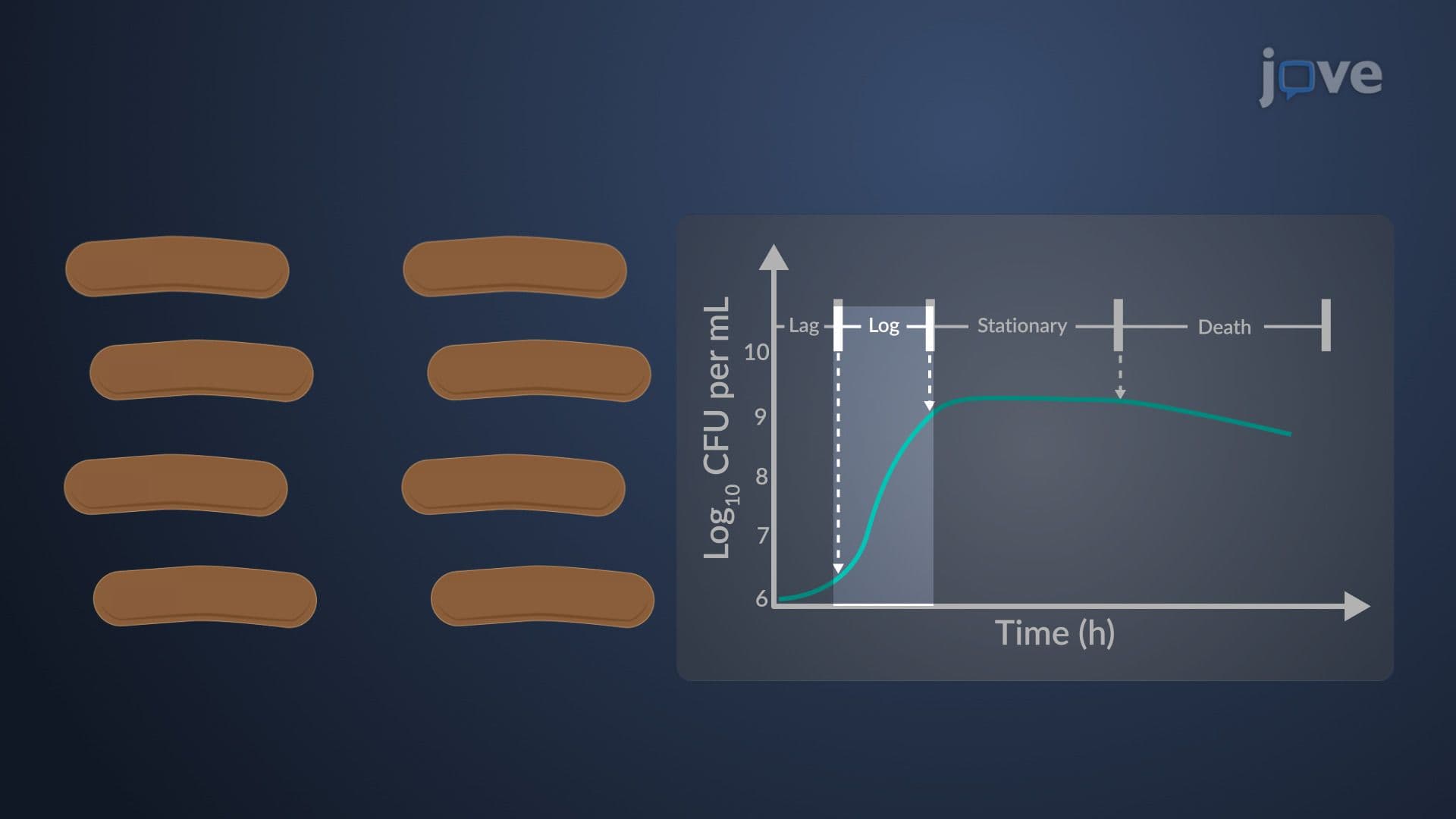
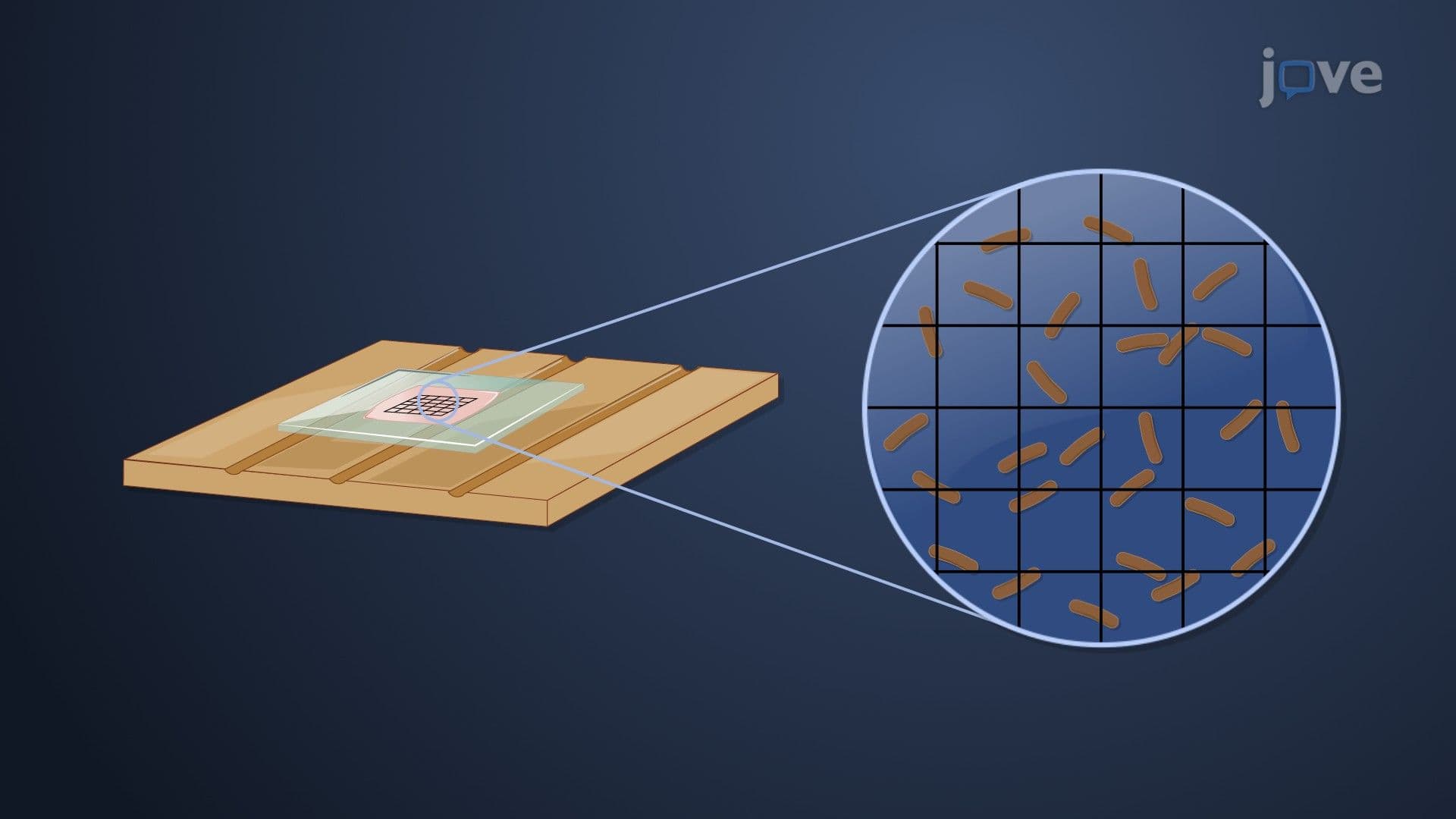
Progress to growth kinetics and mathematical modeling of bacterial populations, including exponential and stationary phase calculations. Explore direct counting techniques like serial dilution and plate counting to understand the complete measurement toolkit. Advanced students should investigate continuous culture mathematics and industrial fermentation optimization, building toward biotechnology applications and process engineering concepts.
Related Micro-courses
6 Concepts

31 Concepts

37 Concepts