Loading subject page…

15,445 views

Video Summary: Microorganisms in Agriculture and Food Industry Explained
Did you know that invisible microorganisms are responsible for producing the bread you eat and the nitrogen that feeds America's corn crops? Microorganisms in agriculture and food industry applications include nitrogen-fixing bacteria like *Rhizobium* that reduce farmers' fertilizer costs by millions of dollars annually across the Midwest. From *Saccharomyces cerevisiae* fermenting grapes in California's Napa Valley to *Bacillus thuringiensis* protecting organic farms nationwide, microorganisms in agriculture and food industry explained reveals how these tiny powerhouses drive sustainable farming and food production. Watch the full video on JoVE Coach to master this concept with expert-led visuals and step-by-step explanations.
The relationship between microorganisms and human food systems represents one of biotechnology's most successful partnerships. These microscopic organisms-bacteria, fungi, and other microbes-have revolutionized both agricultural productivity and food processing, creating billions of dollars in economic value while supporting sustainable practices that protect our environment.
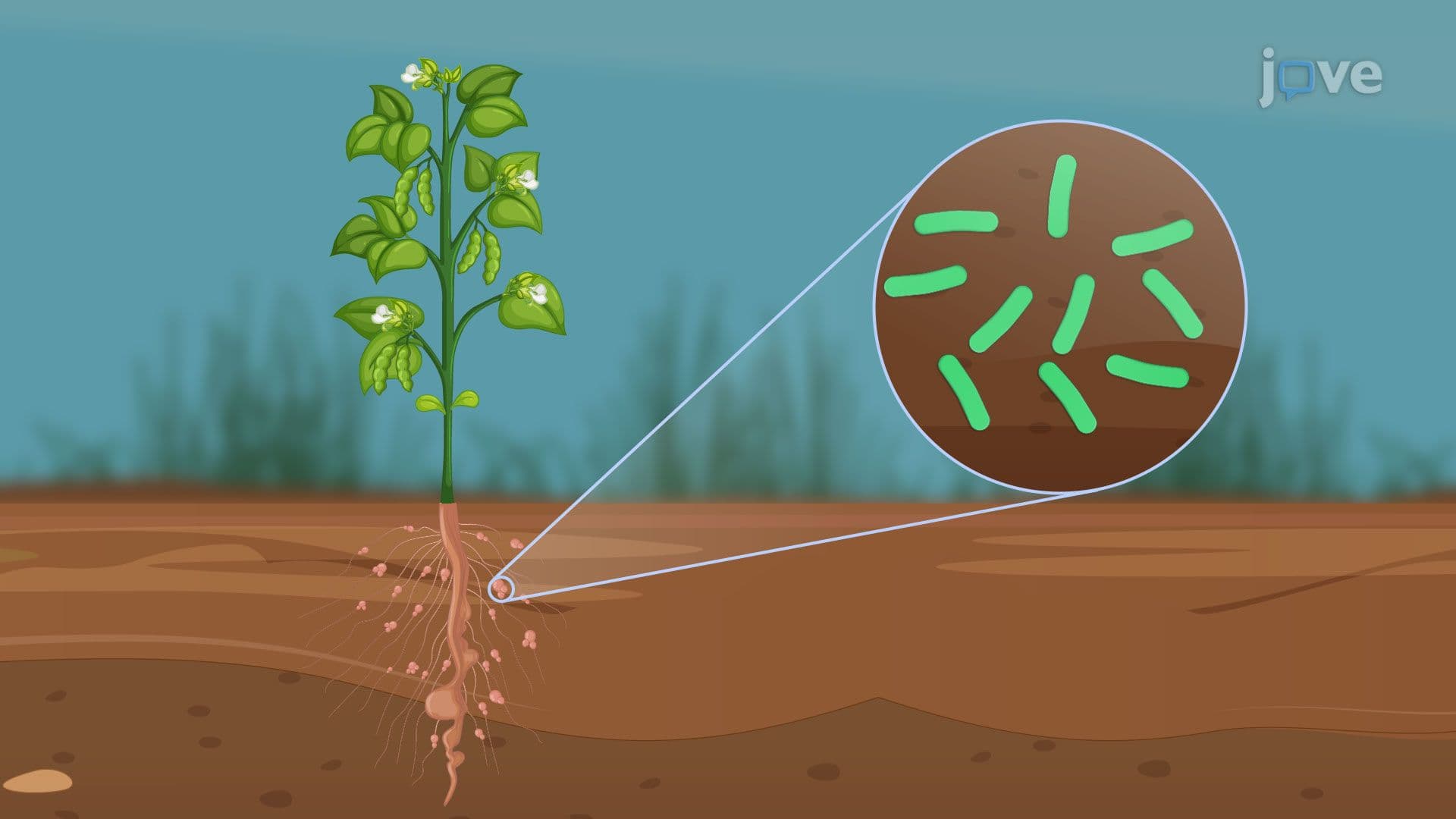
In agriculture, microorganisms serve as living fertilizer factories and natural pest control agents. Nitrogen-fixing bacteria like *Rhizobium* form symbiotic relationships with legume crops such as soybeans, which cover over 83 million acres across American farmland. These bacteria convert atmospheric nitrogen gas (N₂) into ammonia (NH₃), providing plants with essential nutrients while reducing farmers' synthetic fertilizer costs by an estimated $7-12 billion annually in the United States.
*Azotobacter* and *Azospirillum* represent free-living nitrogen-fixing bacteria that don't require host plants, making them valuable biofertilizers for crops like corn and wheat. Meanwhile, *Phosphobacteria* solubilize phosphorus compounds in soil, making this crucial nutrient more available to plant roots. The USDA actively promotes these biological alternatives through programs supporting sustainable agriculture and reduced chemical inputs.
The food industry relies heavily on controlled microbial processes for both production and preservation. *Saccharomyces cerevisiae*, commonly known as baker's or brewer's yeast, drives fermentation processes worth over $40 billion annually in the US food and beverage sector. This versatile microorganism converts sugars into ethanol and carbon dioxide, creating the rise in bread dough and the alcohol content in wine, beer, and spirits produced from California to New York.
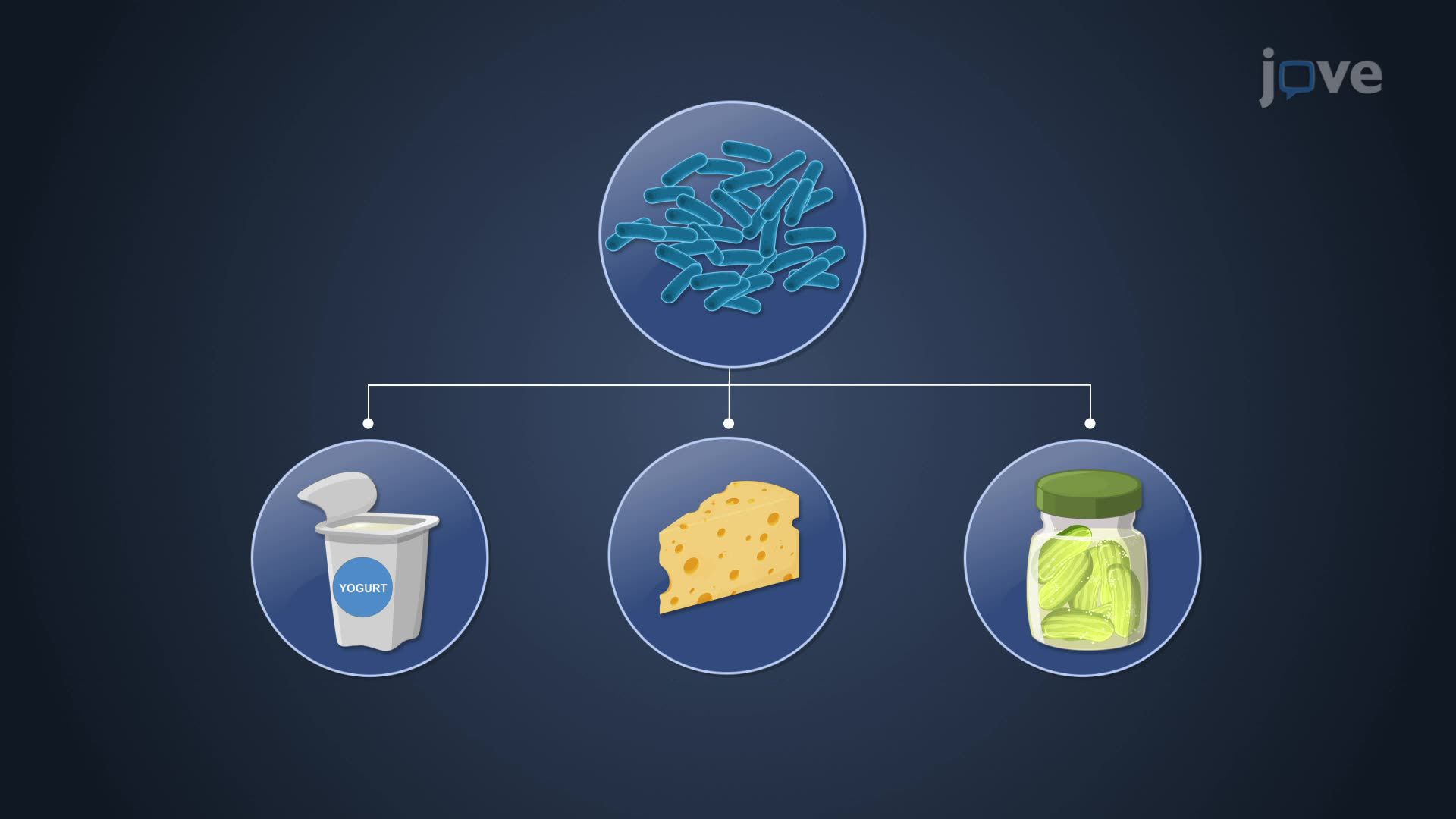
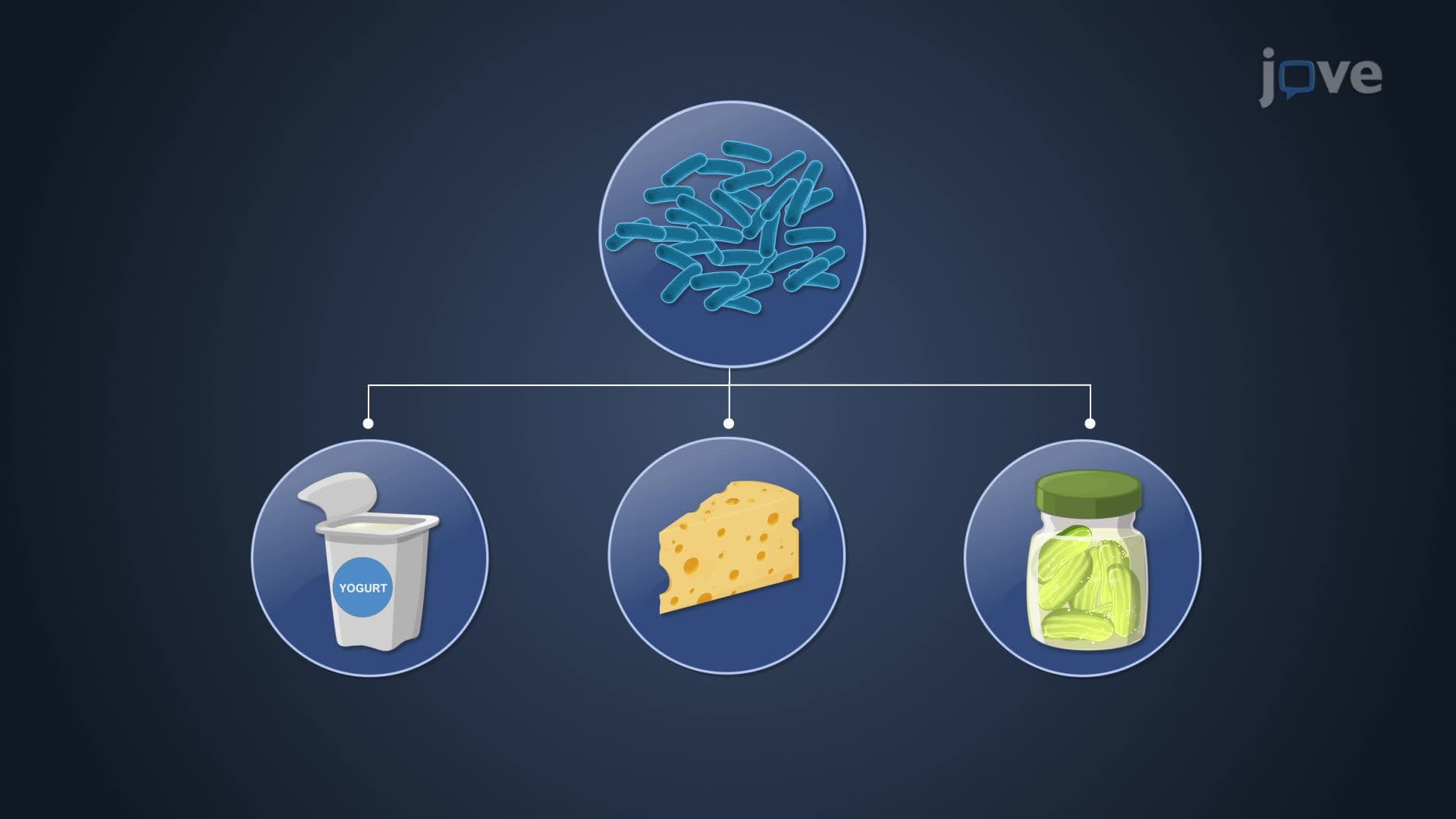
*Lactobacillus* species transform milk into yogurt, cheese, and fermented dairy products through lactic acid fermentation, while also producing pickled vegetables and sauerkraut. These beneficial bacteria not only create desired flavors and textures but also produce antimicrobial compounds like bacteriocins that naturally preserve foods and inhibit harmful pathogens.
Students preparing for AP Biology, college microbiology courses, or pre-health programs like the MCAT frequently encounter these concepts. Understanding microbial metabolism, symbiotic relationships, and industrial applications appears regularly in exam questions about biotechnology, ecology, and biochemistry. The economic and environmental aspects also feature prominently in environmental science curricula and sustainability studies.
Related Micro-courses