Loading subject page…

15,445 views

Video Summary: Microorganisms in Medicine and Therapeutics Explained
Did you know that the same microorganisms that cause disease can actually save lives? Microorganisms medicine therapeutics represent one of medicine's greatest paradoxes, where bacteria, viruses, and other microbes become powerful allies in fighting illness. From the COVID-19 mRNA vaccines developed by Pfizer-BioNTech to the penicillin that revolutionized infection treatment, Microorganisms in Medicine And Therapeutics Explained reveals how these tiny organisms drive modern healthcare innovation. Watch the full video on JoVE Coach to master this concept with expert-led visuals and step-by-step explanations.
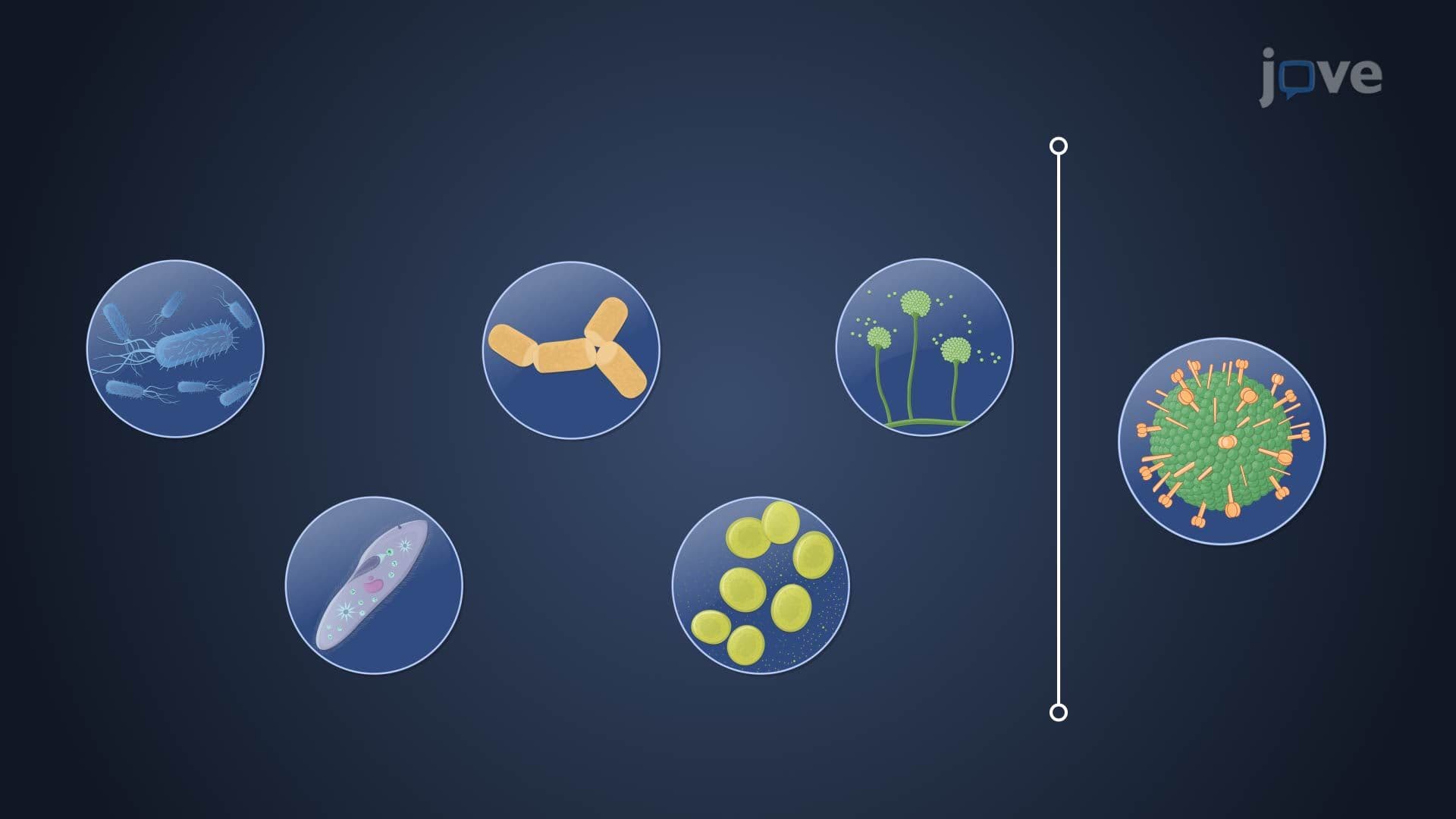
The field of microorganisms medicine therapeutics represents a fascinating intersection where pathogens become healers. This discipline examines how bacteria, viruses, fungi, and other microbes serve as both tools and targets in medical treatment. From Alexander Fleming's accidental discovery of penicillin from *Penicillium* mold to today's sophisticated mRNA vaccines, microorganisms have fundamentally transformed healthcare delivery.
Vaccine technology showcases the most elegant application of microorganisms in medicine and therapeutics. Live attenuated vaccines, such as the MMR (measles, mumps, rubella) combination used throughout US childhood immunization schedules, employ weakened versions of actual pathogens. These vaccines stimulate both cellular immunity (T-cell responses) and humoral immunity (antibody production), providing comprehensive protection.
In contrast, inactivated vaccines like the injectable polio vaccine (IPV) primarily trigger humoral responses. Students preparing for the MCAT or AP Biology exams should understand this distinction, as questions often test knowledge of immune system activation pathways. Modern recombinant DNA technology has revolutionized vaccine safety-the hepatitis B vaccine uses yeast cells engineered to produce viral surface antigens, eliminating infection risk while maintaining immunogenicity.
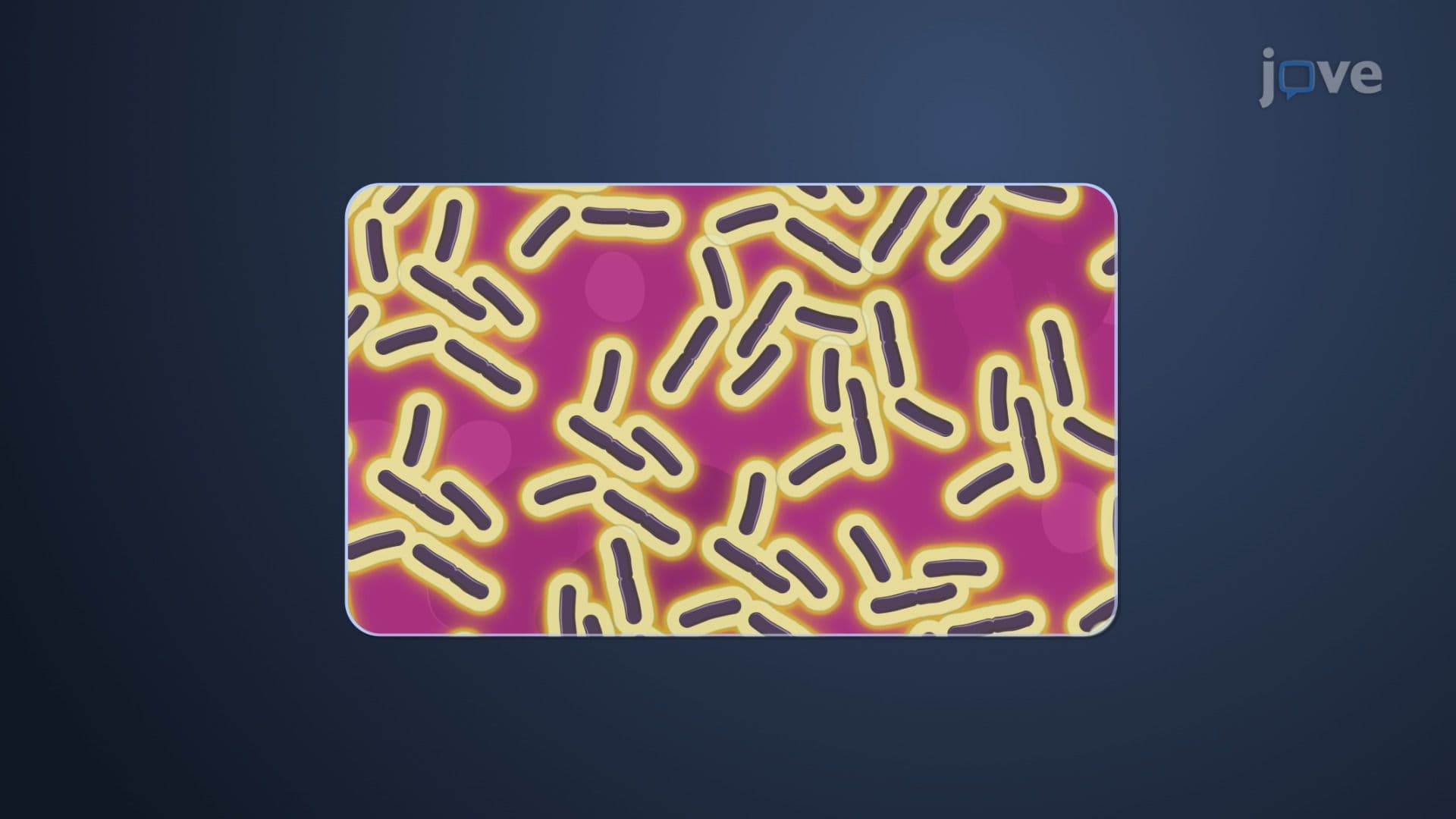
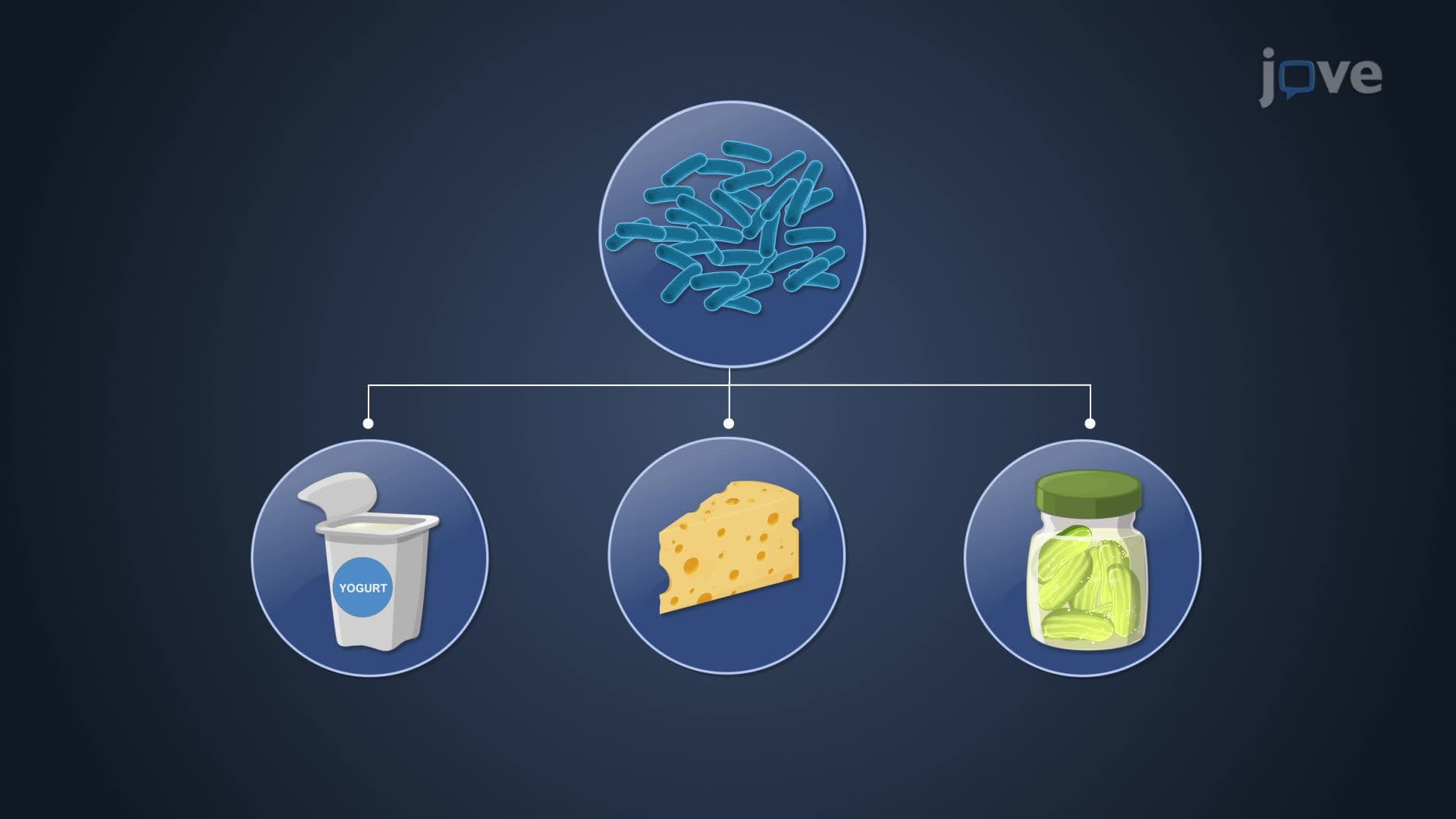
Beyond disease prevention, beneficial microorganisms actively promote health. Probiotic bacteria like *Lactobacillus acidophilus* maintain intestinal microbiome balance, supporting digestive health and immune function. These applications frequently appear in NCLEX-RN questions about patient nutrition and infection prevention.
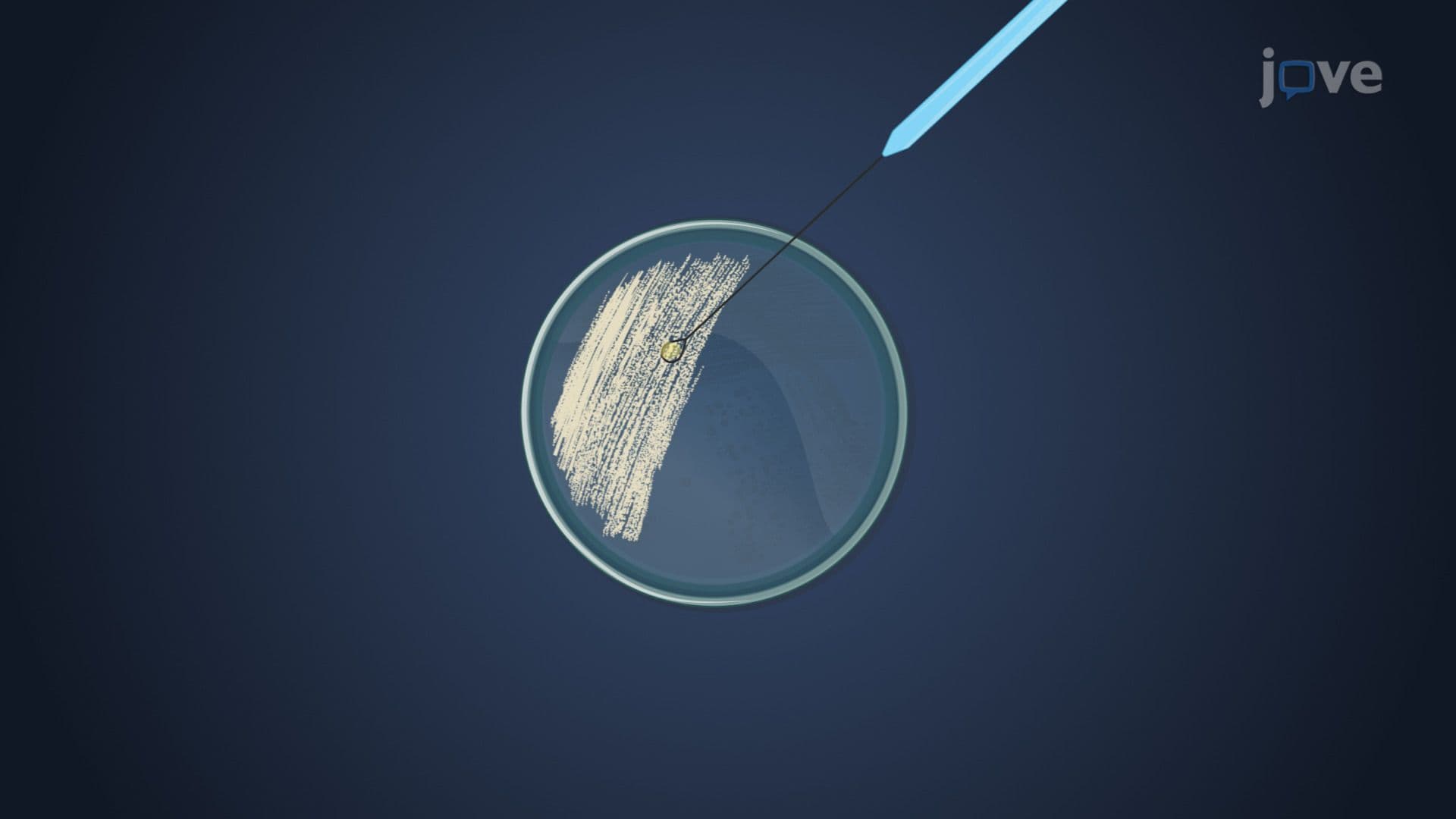
Antibiotic production remains microbiology's greatest therapeutic contribution. *Streptomyces* bacteria produce streptomycin, while various *Penicillium* species yield penicillin variants. Understanding antibiotic mechanisms of action-cell wall synthesis inhibition, protein synthesis disruption, or membrane permeabilization-proves essential for pre-med students tackling USMLE Step 1 pharmacology sections.
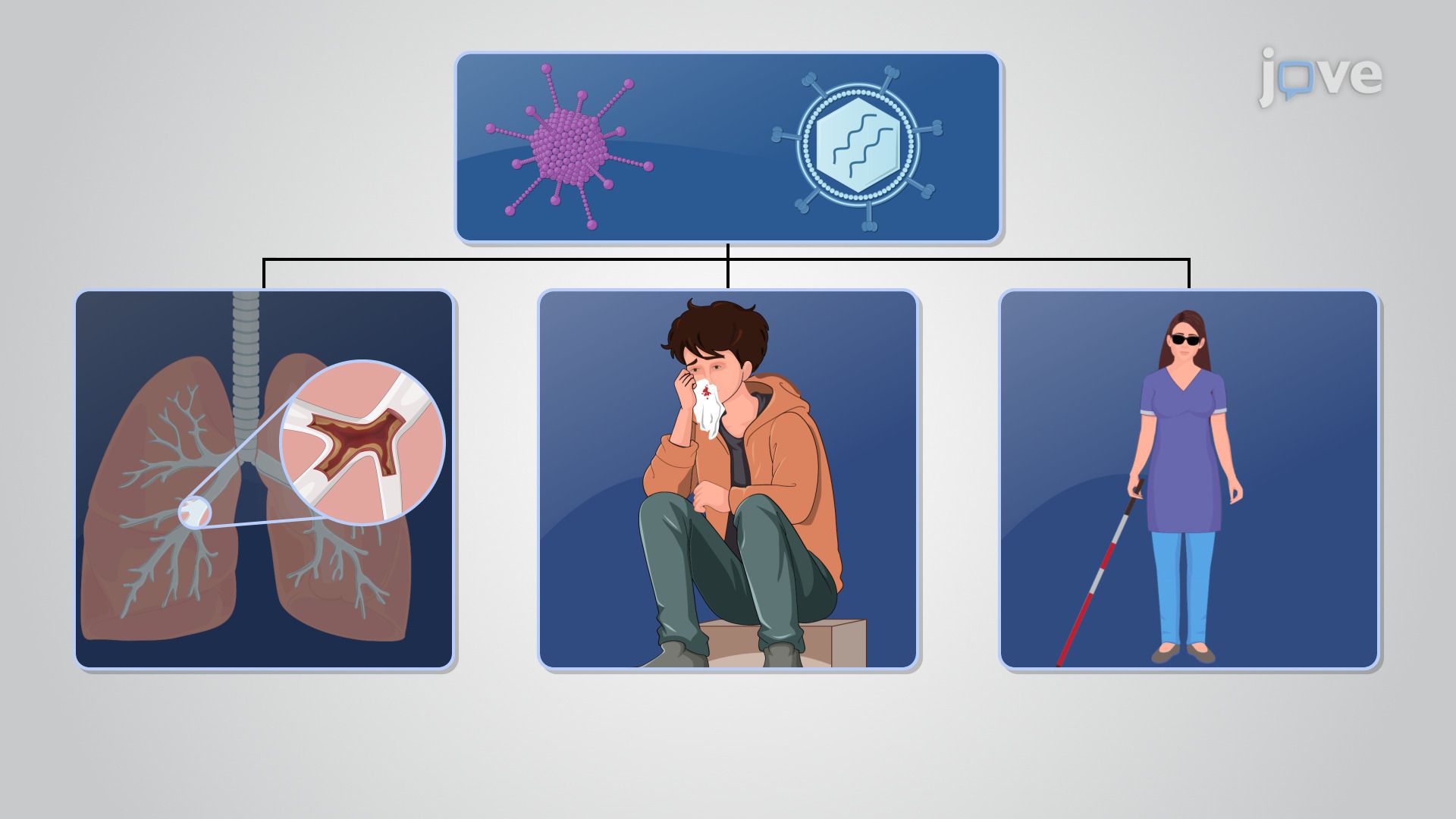
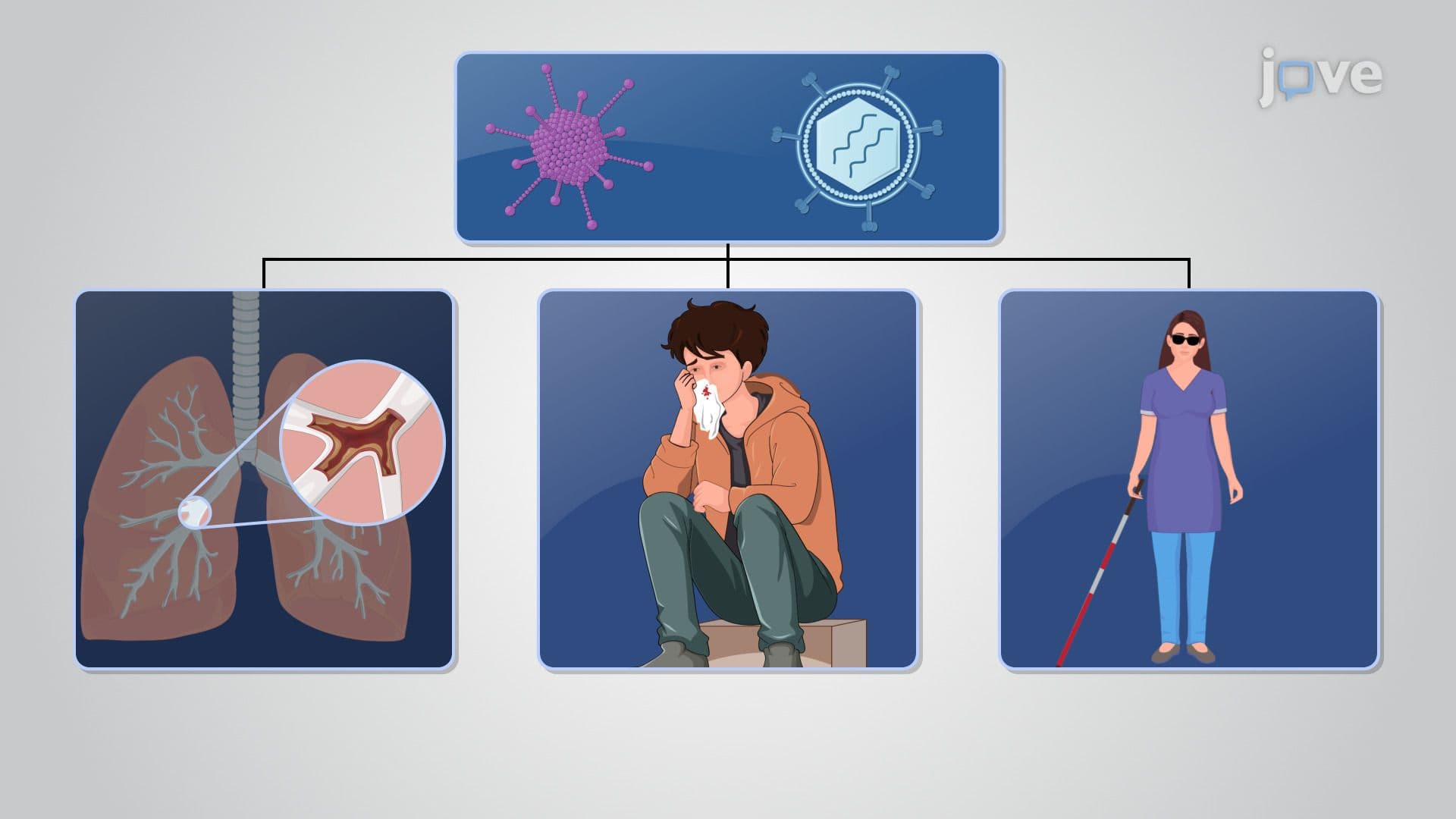
Cutting-edge microorganisms medicine therapeutics applications include viral vector-mediated gene therapy. Modified adenoviruses deliver therapeutic genes to target cells, while lentiviruses integrate genetic material into host chromosomes for sustained expression. These technologies show promise for treating cystic fibrosis, hemophilia, and inherited retinal disorders-conditions frequently discussed in college genetics courses and HESI A2 anatomy sections.
Related Micro-courses