Loading subject page…

15,424 views

Video Summary: What Is Key Techniques in Microbiology
Ever wondered why the CDC's laboratories can safely study deadly pathogens like Ebola without contaminating their research? Key techniques in microbiology form the foundation of safe, reliable laboratory work that protects both scientists and ensures accurate results. These essential methods include aseptic techniques to prevent contamination, controlled culture conditions for optimal microbial growth, specialized media for identification, and preservation methods using cryoprotectants. Watch the full video on JoVE Coach to master this concept with expert-led visuals and step-by-step explanations.
Key techniques in microbiology represent the cornerstone methodologies that enable scientists to study microorganisms safely and effectively. These techniques have evolved from centuries of scientific advancement, beginning with Louis Pasteur's pioneering work on sterilization and continuing through modern biotechnology applications. For students preparing for AP Biology exams or college microbiology courses, mastering these fundamental techniques is essential for understanding both laboratory procedures and theoretical concepts.
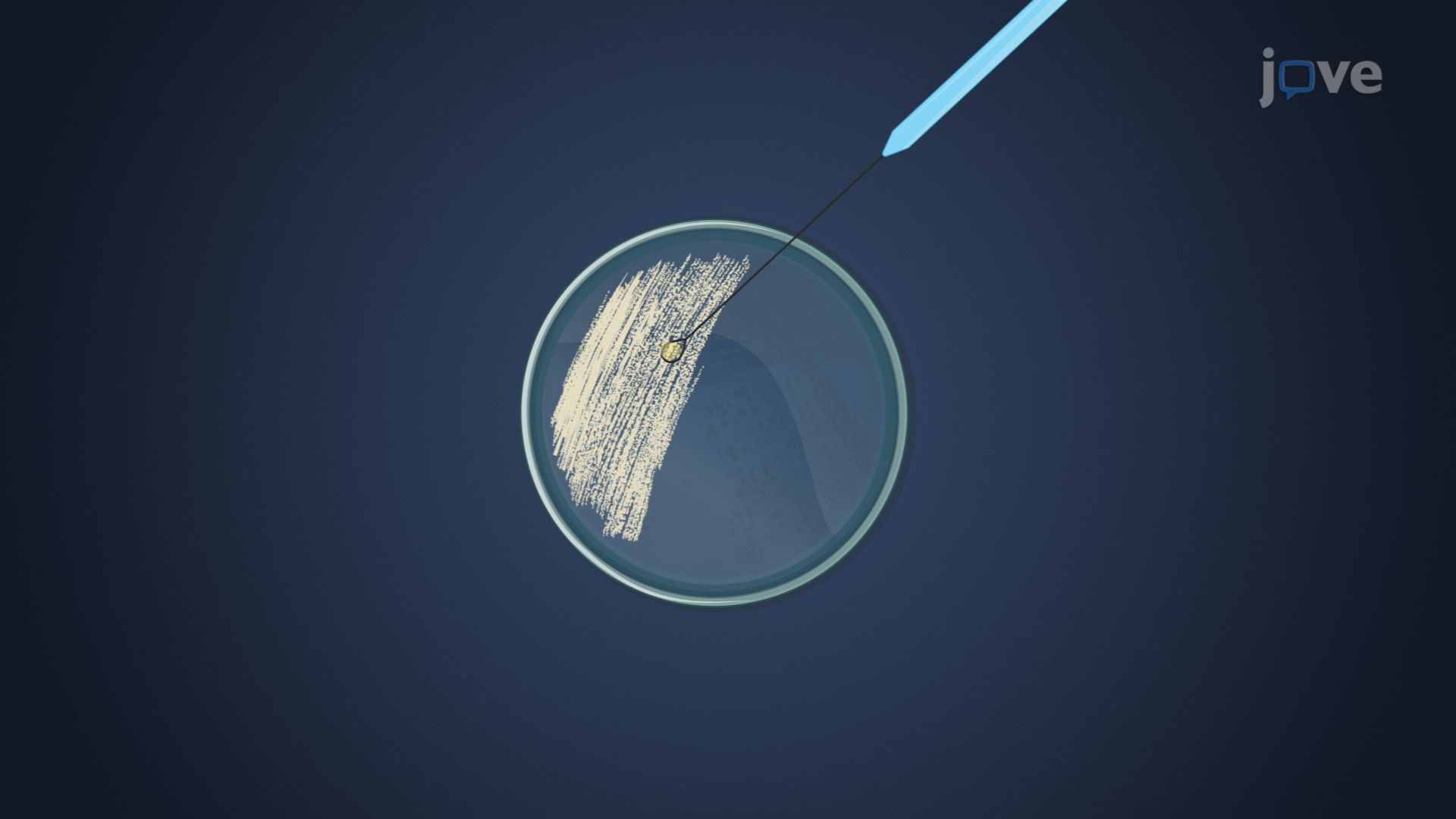
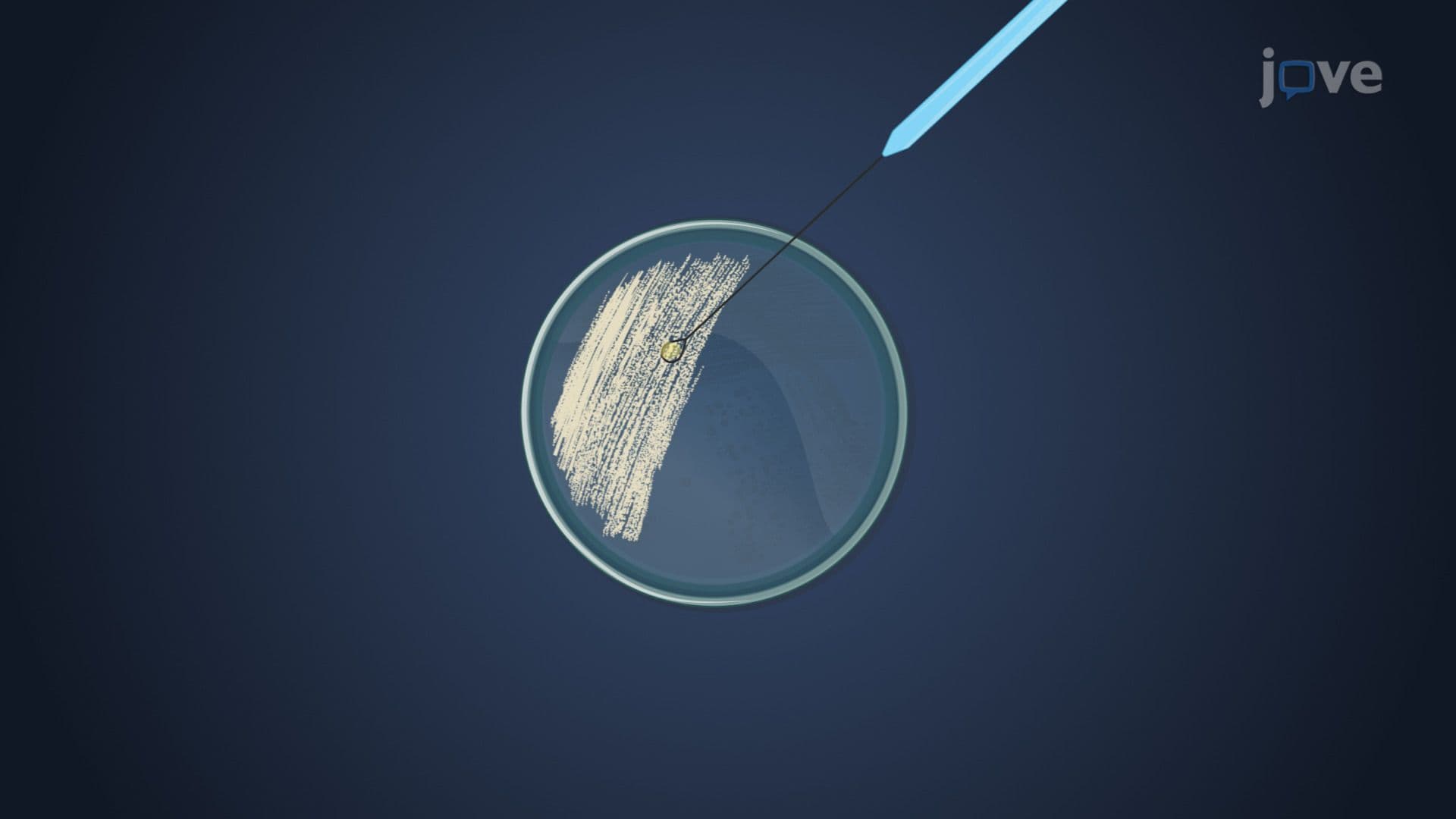
Aseptic techniques serve as the first line of defense against contamination in microbiological work. These practices extend far beyond simple cleanliness-they represent systematic approaches to maintaining sterility throughout experimental procedures. In clinical laboratories across the United States, technicians use laminar flow hoods equipped with HEPA filters that remove 99.97% of particles 0.3 micrometers or larger, creating ultra-clean work environments.
The flame sterilization method, while traditional, remains widely used in educational settings and smaller laboratories. Students learning these techniques often practice with Bunsen burners, sterilizing inoculating loops and test tube openings. Major pharmaceutical companies like Pfizer and Merck rely on advanced aseptic techniques during vaccine production and antibiotic manufacturing, demonstrating the real-world importance of these fundamental skills.
Understanding optimal growth conditions allows microbiologists to cultivate specific organisms for research, diagnosis, and industrial applications. Human pathogens typically require incubation at 37°C (body temperature), while environmental fungi thrive at 25-30°C in humid conditions. This temperature specificity proves crucial in clinical diagnostics-hospitals use these principles when culturing patient samples to identify infectious agents.
The CDC's laboratory protocols emphasize precise environmental control, recognizing that improper conditions can lead to false negatives in pathogen detection or allow opportunistic contaminants to overwhelm target organisms. Students studying for the MCAT or preparing for clinical laboratory science programs must understand these relationships between environmental parameters and microbial physiology.
Culture media selection represents a sophisticated aspect of microbiological technique, combining chemistry knowledge with biological understanding. Selective media contain inhibitory agents that favor specific organisms while suppressing others-MacConkey agar, for example, selects for gram-negative bacteria while inhibiting gram-positive species. Differential media reveal metabolic differences through color changes or other visual indicators, enabling rapid identification of bacterial species.
Enriched media support fastidious organisms with complex nutritional requirements, such as blood agar for cultivating Streptococcus species. Food safety laboratories use these media types extensively when testing products for harmful bacteria like E. coli or Salmonella, protecting public health through systematic microbial monitoring.
Related Micro-courses