Loading subject page…

- Microeconomics
- Costs
- Average Fixed, Average Variable, and Average Total Cost I
Micro-course: Costs
5,896 views
Learn key concepts and earn your certificate.





Average Fixed, Average Variable, and Average Total Cost I


00:00
01:27
Video Summary: Average Fixed Variable and Total Costs Concepts and Calculations I
Ever wondered why a McDonald's Big Mac costs the same whether they sell 100 or 1,000 burgers daily? Understanding average fixed, variable, total costs explains this pricing puzzle that drives every business decision. When Starbucks determines whether opening a new location will be profitable, they must master Average Fixed, Variable, and Total Costs: Concepts and Calculations I to set prices that cover their per-unit expenses while remaining competitive. Watch the full video on JoVE Coach to master this concept with expert-led visuals and step-by-step explanations.
- Understand Average Fixed, Variable, and Total Costs: Concepts and Calculations I and how businesses use these metrics to make pricing and production decisions
- Identify the three types of per-unit costs: Average Fixed Cost (AFC), Average Variable Cost (AVC), and Average Total Cost (ATC)
- Analyze why Average Fixed Cost decreases as production increases through the "spreading overhead" phenomenon
- Compare how different cost components behave as output levels change in manufacturing and service industries
- Evaluate break-even points by determining when selling price equals Average Total Cost
- Apply cost calculation formulas to solve real business scenarios involving production decisions
- Recognize the relationship between per-unit costs and profitability for firms across various industries
- Explore how businesses use Average Total Cost as a baseline for setting competitive selling prices
Understanding Average Fixed, Variable, and Total Costs: Concepts and Calculations I
Per-unit cost analysis forms the backbone of business decision-making, from local pizza shops to Fortune 500 manufacturers. While knowing total costs provides important information, businesses must understand costs on a per-unit basis to set prices, determine profitability, and make production decisions.
Average Fixed Cost: The Spreading Overhead Phenomenon
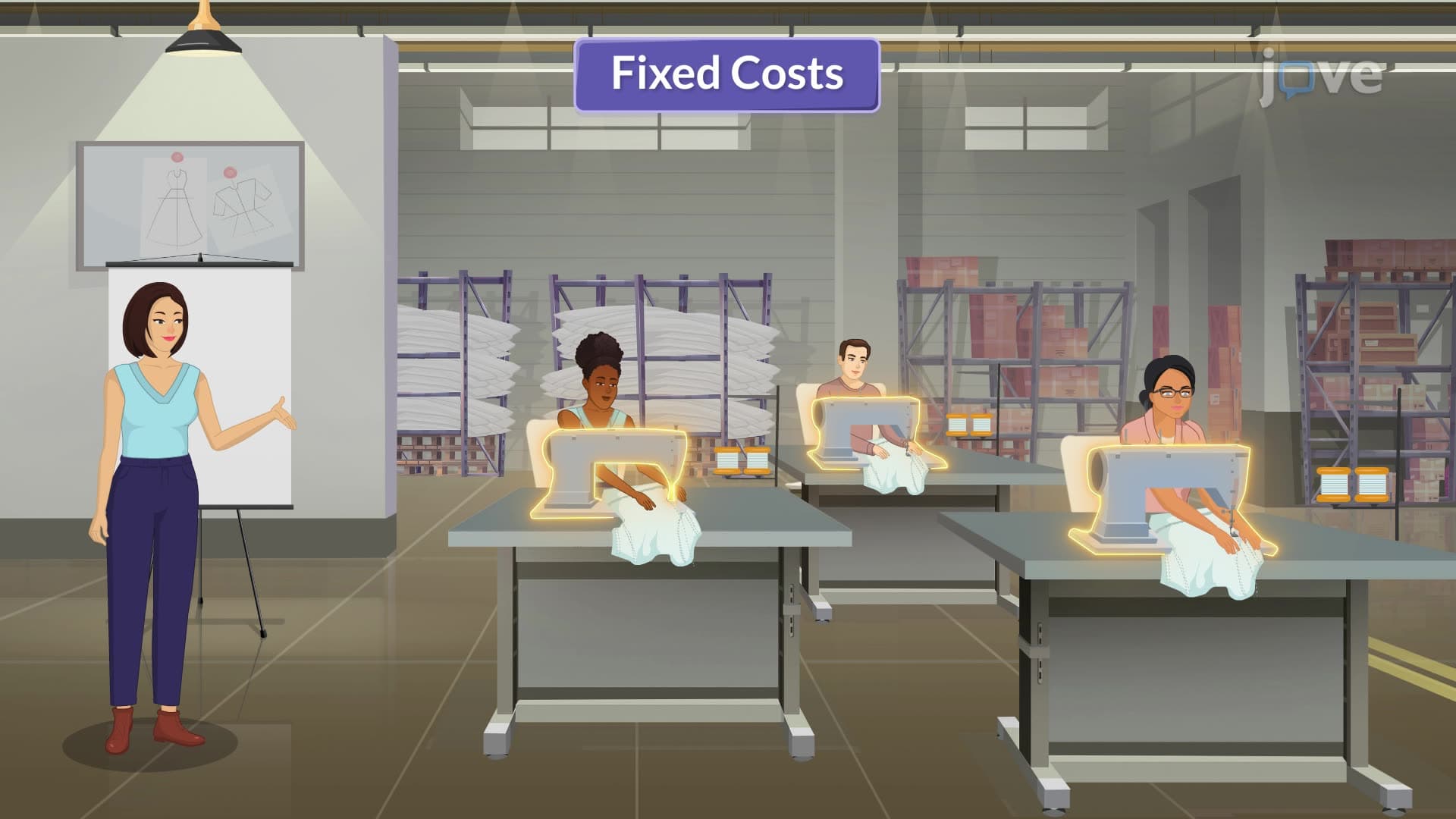
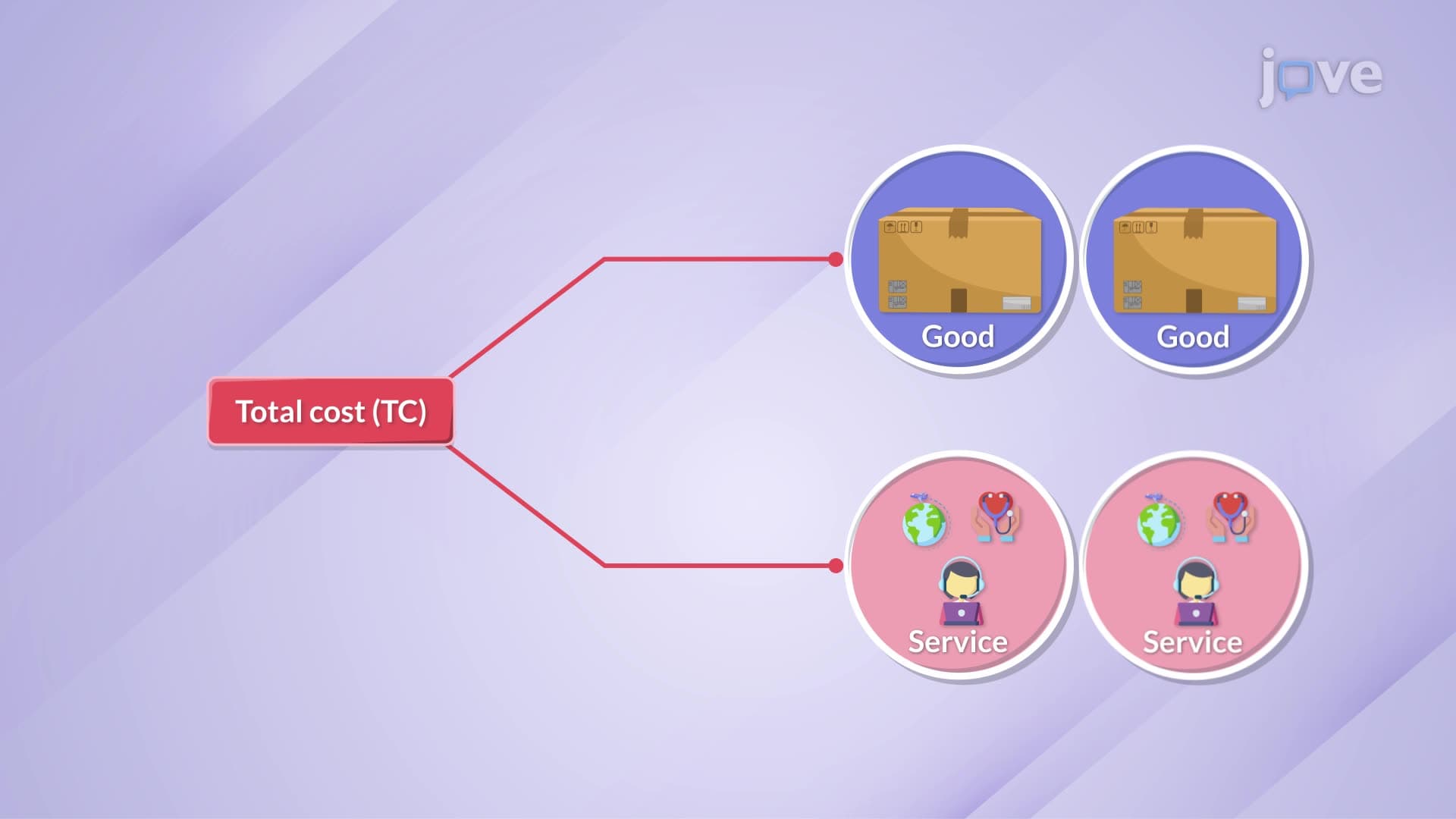
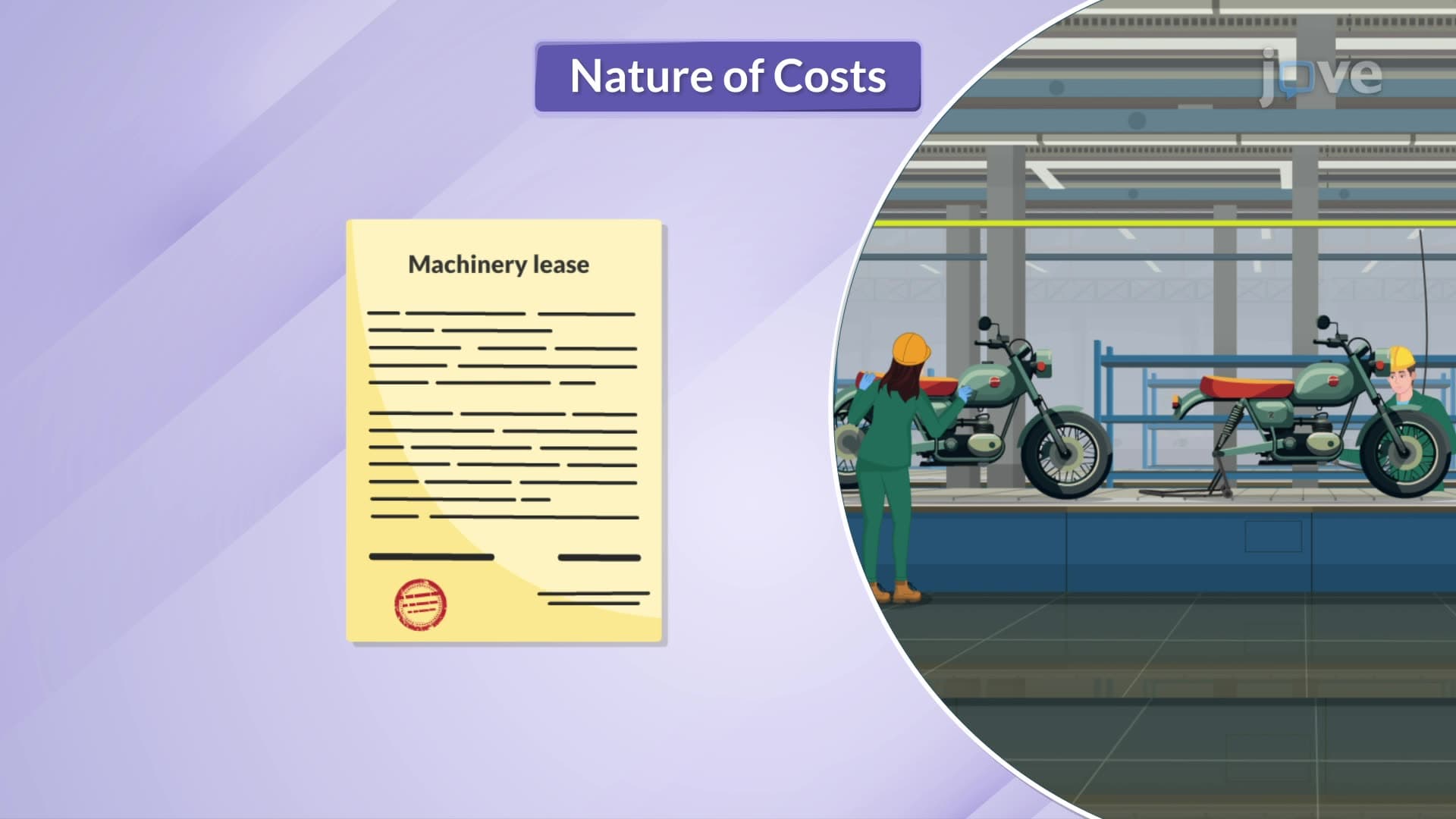
Average Fixed Cost (AFC) equals Total Fixed Cost divided by quantity of output (AFC = Total Fixed Cost ÷ Quantity). Fixed costs-like rent, insurance, and equipment depreciation-remain constant regardless of production volume. Consider Tesla's Gigafactory in Austin, Texas. Whether they produce 1,000 or 10,000 vehicles monthly, their facility rent stays the same. However, as production increases, this fixed cost spreads across more units, causing AFC to continuously decrease.
This "spreading overhead" concept explains why high-volume manufacturers like Ford can offer competitive prices. Their massive fixed costs for factories and equipment get distributed across millions of vehicles, resulting in lower per-unit fixed costs than smaller competitors.
Average Variable Cost: Production-Dependent Expenses
Average Variable Cost (AVC) equals Total Variable Cost divided by quantity of output (AVC = Total Variable Cost ÷ Quantity). Variable costs change with production levels-materials, labor, and utilities that increase with each additional unit produced. For instance, Boeing's variable costs for each 737 aircraft include aluminum, engines, and assembly worker wages.
Unlike AFC, AVC doesn't follow a predictable pattern. Initially, AVC might decrease due to economies of scale and worker specialization. However, it typically increases at higher production levels due to overtime wages, equipment strain, and resource constraints.
Average Total Cost: The Complete Picture
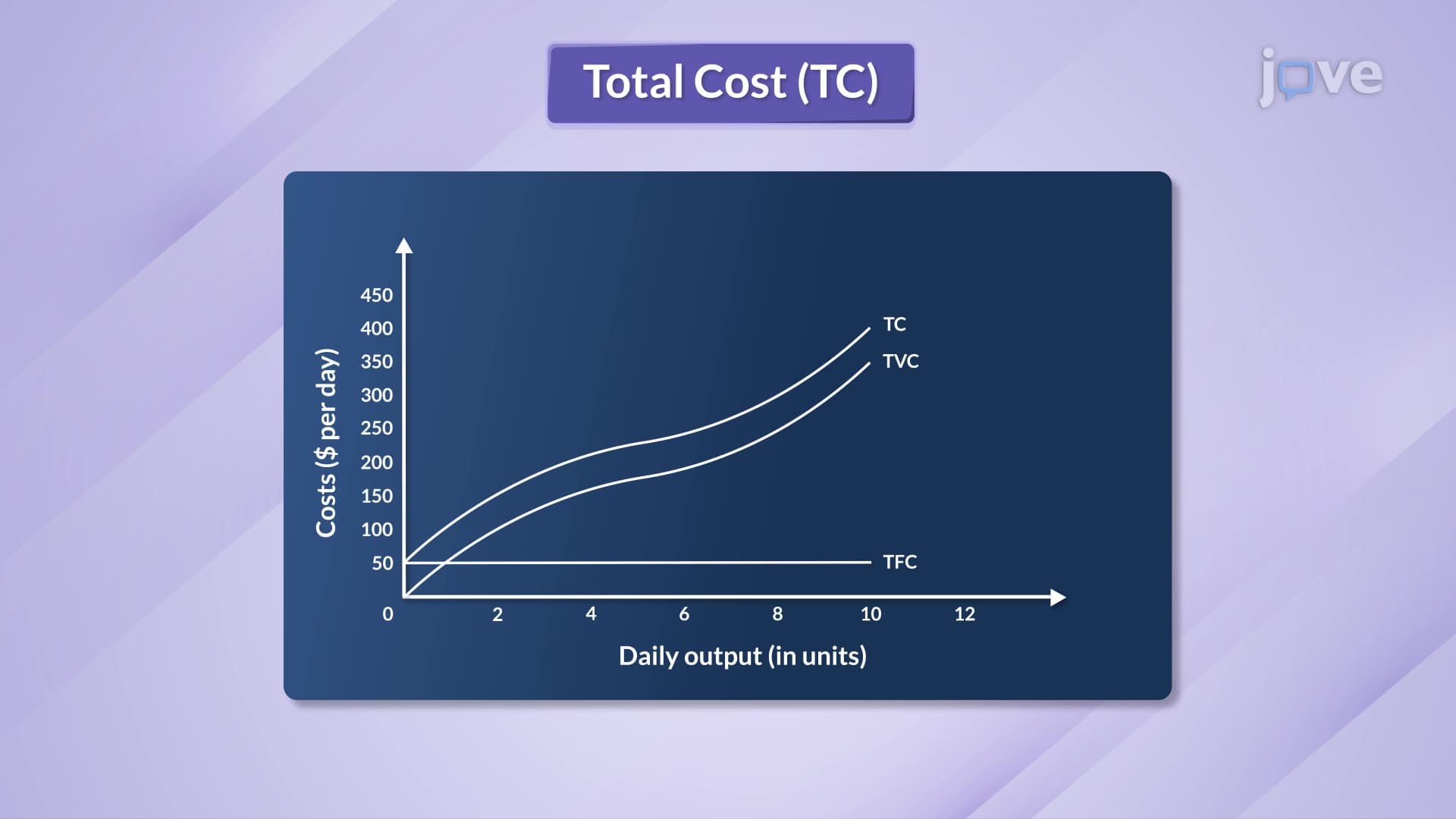
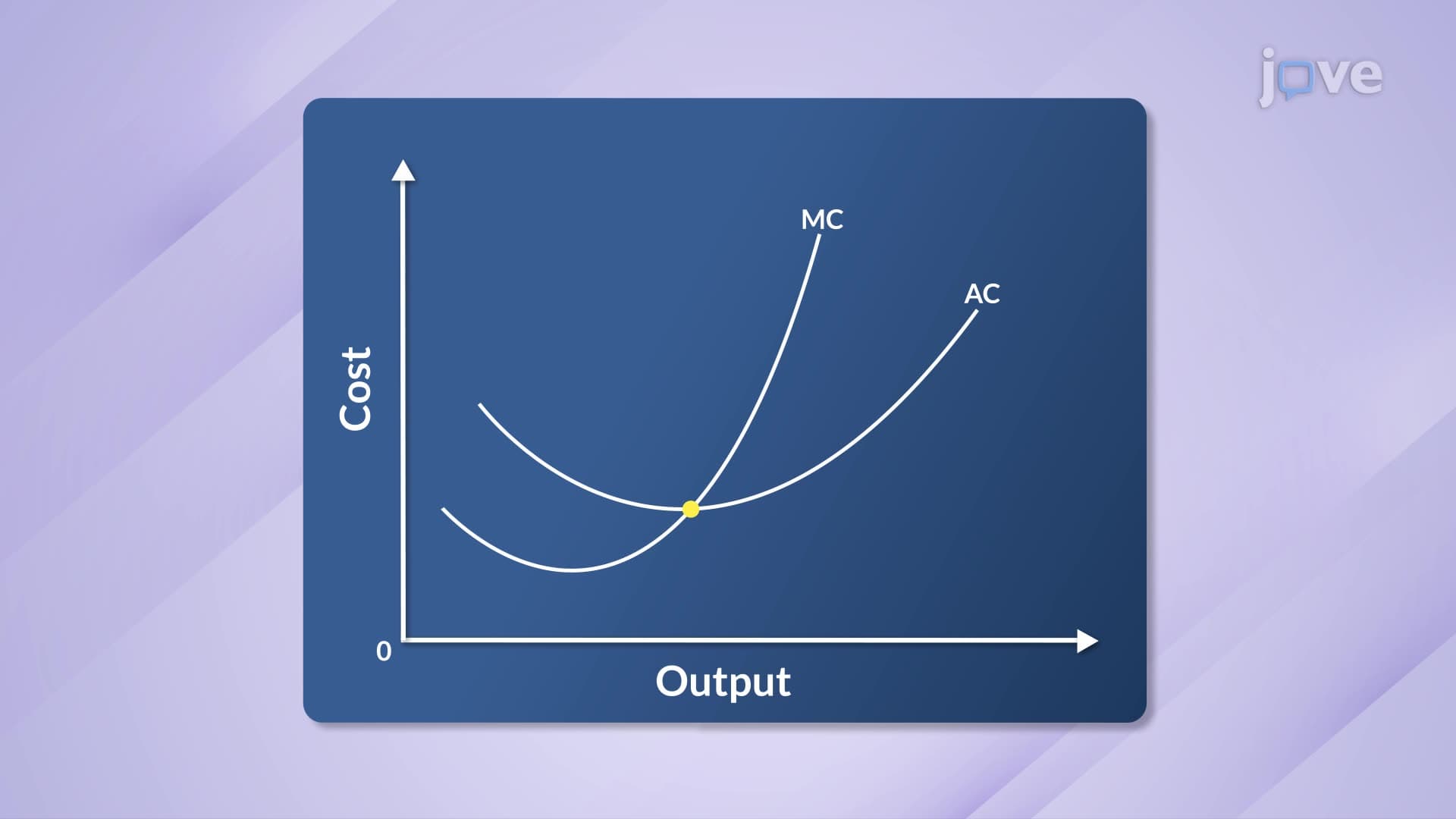
Average Total Cost (ATC) equals Total Cost divided by quantity, or simply AFC plus AVC (ATC = AFC + AVC). This metric represents the complete per-unit cost picture that businesses need for pricing decisions. ATC typically follows a U-shaped curve: decreasing initially as fixed costs spread over more units, then increasing as variable costs rise with higher production volumes.
Understanding ATC proves crucial for profitability analysis. Netflix uses ATC calculations when deciding content investments-they must ensure subscription revenue per user exceeds their per-user content and operational costs. When selling price exceeds ATC, firms earn economic profits. When price equals ATC, they break even. This relationship appears frequently on AP Economics exams and college microeconomics courses, making mastery essential for academic success.
Frequently Asked Questions
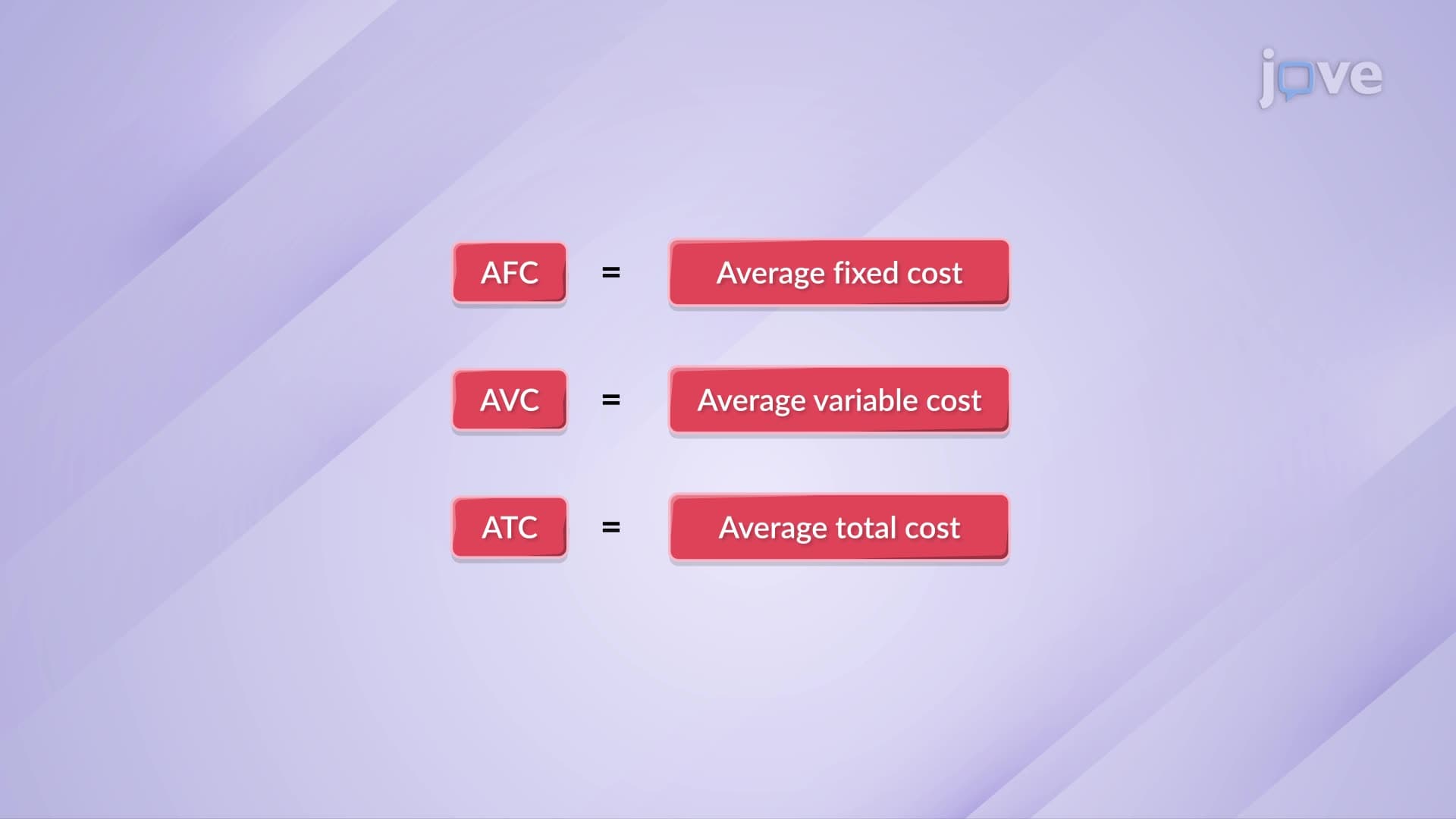
This concept covers three per-unit cost measures businesses use for pricing and production decisions. Average Fixed Cost (AFC) spreads fixed expenses across output units, Average Variable Cost (AVC) calculates per-unit variable expenses, and Average Total Cost (ATC) combines both for complete per-unit cost analysis.
These concepts frequently appear in multiple-choice questions about cost curves, graph analysis problems, and free-response questions requiring cost calculations. Students must demonstrate understanding of how AFC decreases with increased output, AVC behavior patterns, and ATC's U-shaped curve for optimal performance.
Master these three formulas: AFC = Total Fixed Cost ÷ Quantity, AVC = Total Variable Cost ÷ Quantity, and ATC = Total Cost ÷ Quantity (or AFC + AVC). Practice applying these formulas with different scenarios to build confidence for timed exam conditions.
Amazon uses average cost analysis for pricing strategies and warehouse optimization. Their massive fixed costs for fulfillment centers get spread across millions of orders, lowering AFC per package. They continuously monitor AVC for shipping and handling to maintain competitive pricing while preserving profit margins.
No advanced math required-these calculations use basic division and addition. If you can divide total costs by quantity and add two numbers together, you can master these concepts. Focus on understanding the economic logic behind why costs behave as they do rather than complex mathematical manipulation.
Use the acronym "All Cats Fight" (AFC, AVC, ATC) and remember their behaviors: AFC "Falls" (decreases), AVC "Varies" (can increase or decrease), and ATC "Totals" everything together. Create flashcards with real business examples to reinforce these patterns through active recall practice.
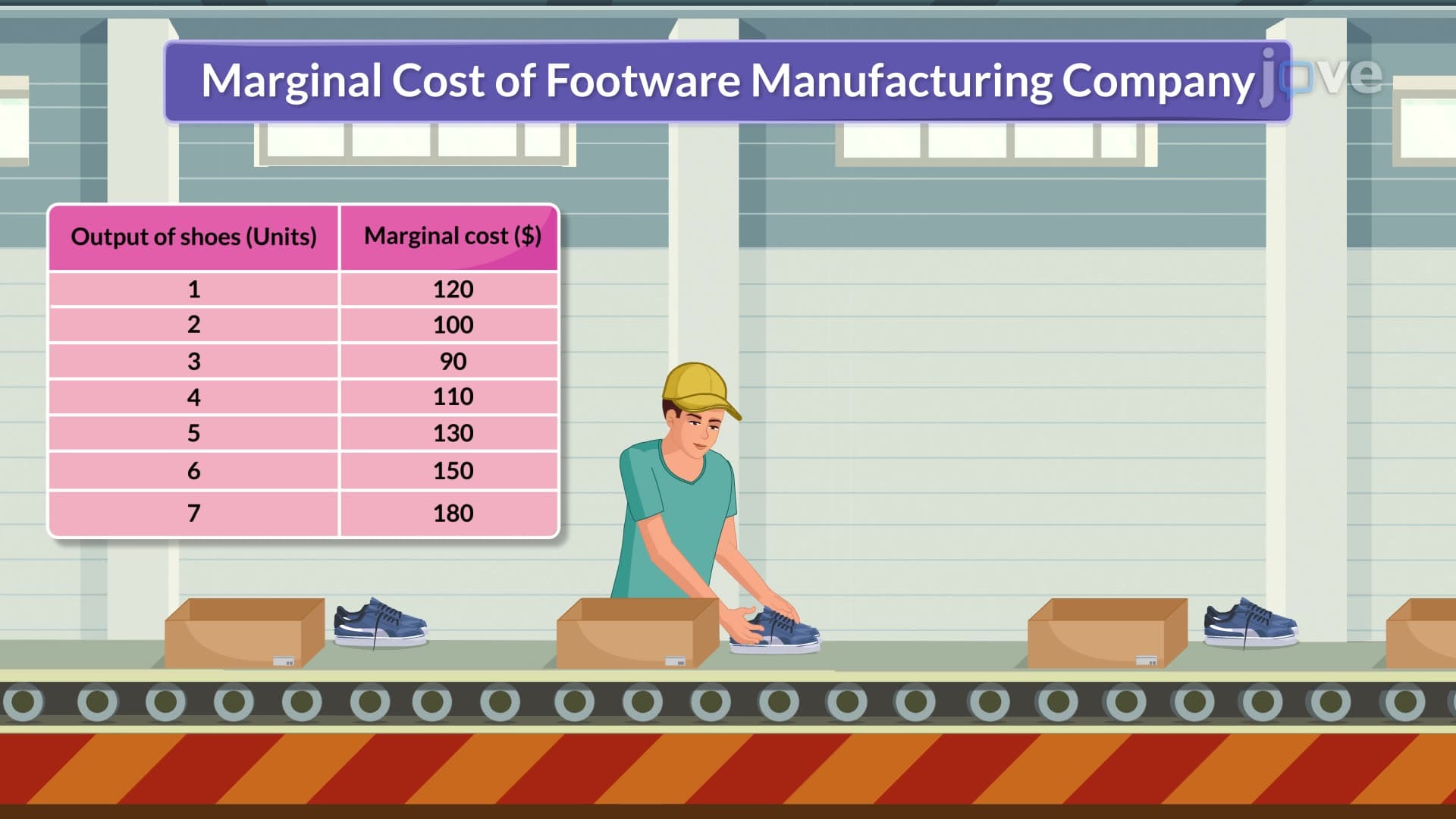
Progress to marginal cost analysis, which examines the cost of producing one additional unit. Then explore profit maximization strategies where firms compare marginal revenue to marginal cost. Understanding economies and diseconomies of scale will deepen your comprehension of why cost curves have their characteristic shapes.
Related Micro-courses