Loading video…


 14 Concepts
 5.9K views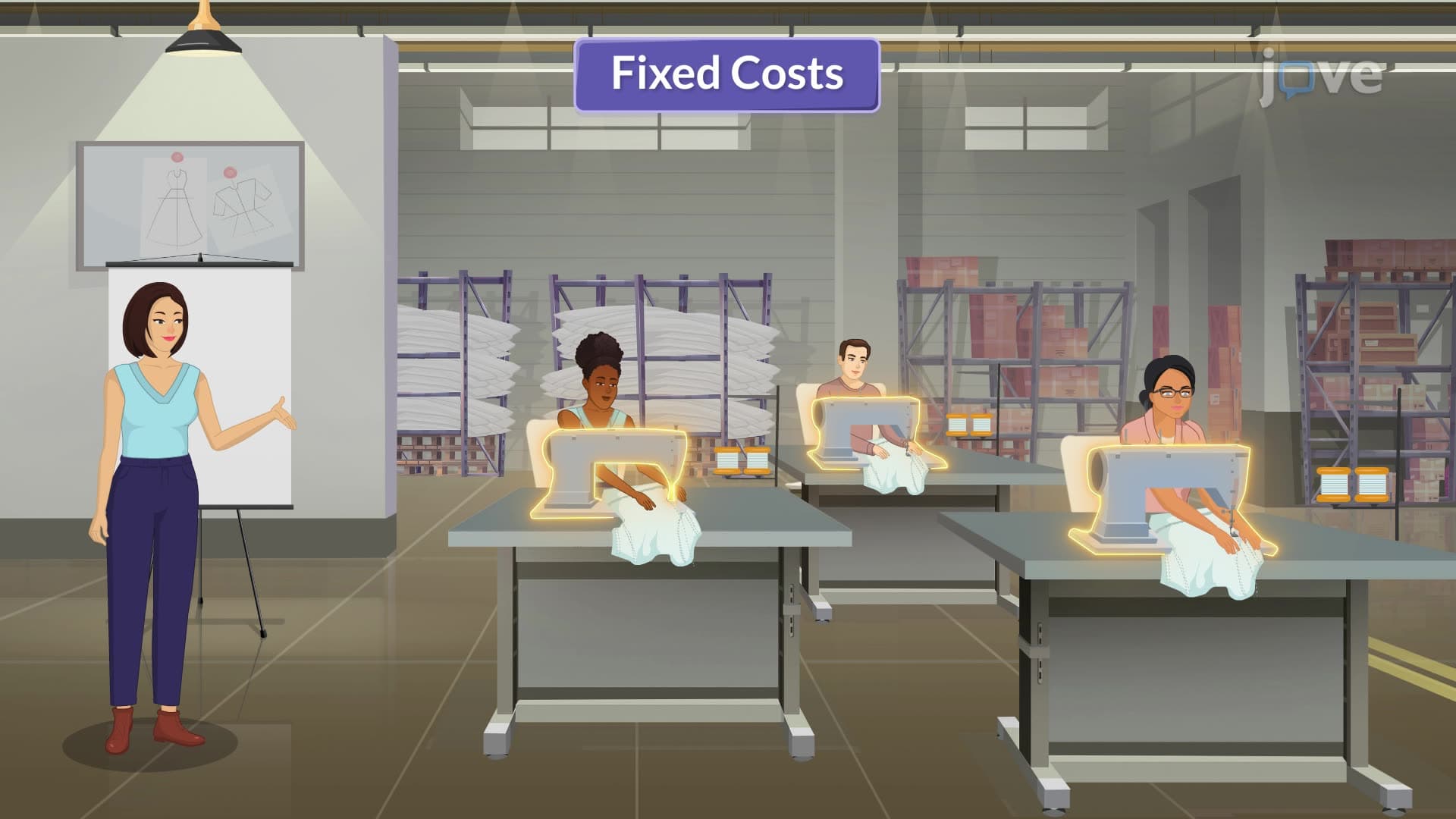

Video Summary: What Is Fixed and Variable Cost
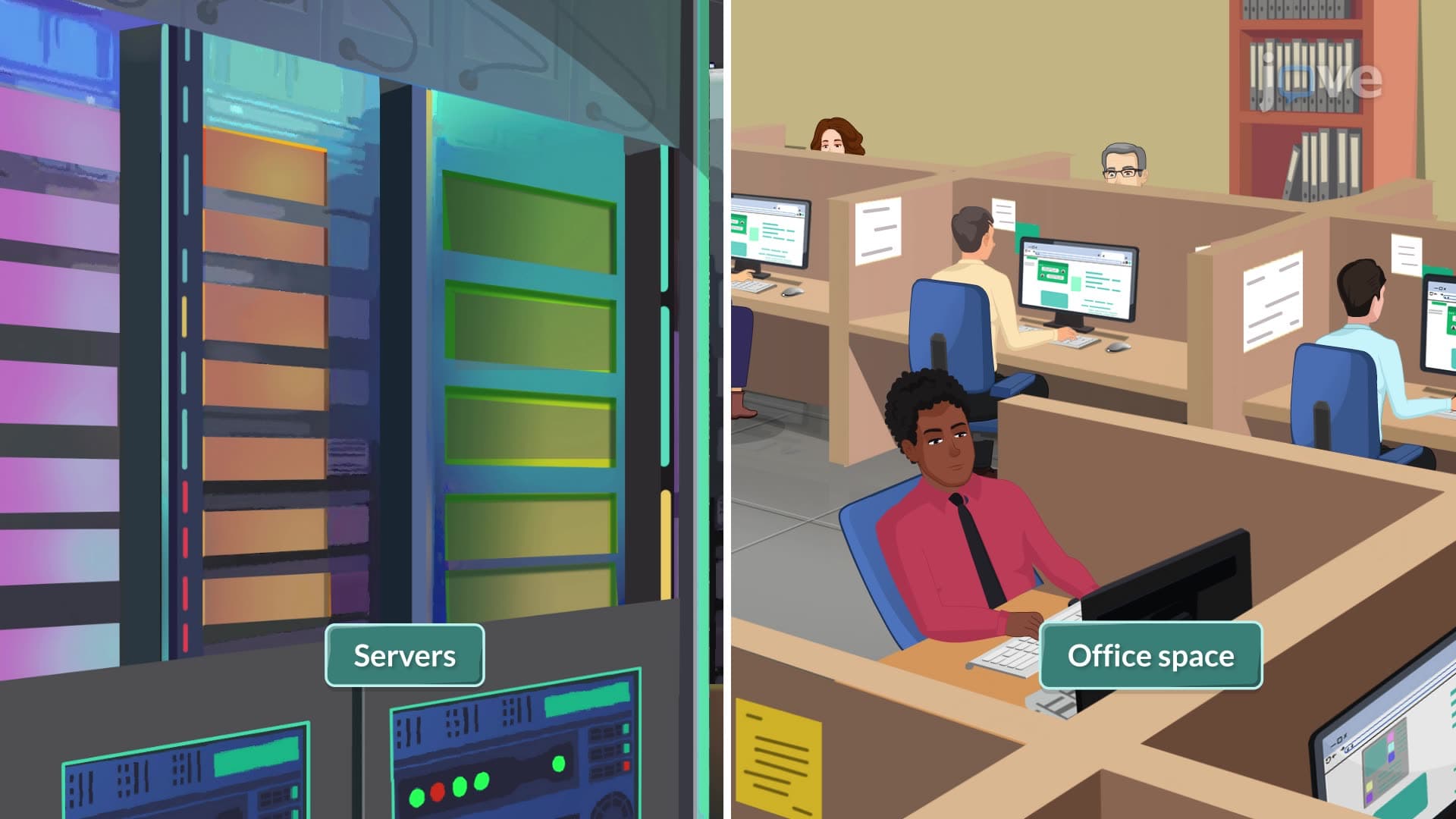
Ever wonder why Netflix still pays rent even when servers crash and no one can stream? Fixed variable cost fundamentals explain this phenomenon that every business faces. Companies like McDonald's must pay building rent and manager salaries regardless of how many burgers they sell, while ingredient costs fluctuate with daily orders. Understanding What is Fixed And Variable Cost reveals the critical difference between unavoidable expenses and production-dependent costs that drive business decisions. Watch the full video on JoVE Coach to master this concept with expert-led visuals and step-by-step explanations.
Fixed variable cost definition explained begins with understanding that businesses face two distinct expense categories. Fixed costs represent unavoidable expenses that persist regardless of production activity, while variable costs fluctuate directly with output levels. This fundamental distinction shapes every business decision from startup planning to daily operations.
Consider Starbucks as a practical example. Each store pays fixed costs including monthly rent, insurance premiums, store manager salaries, and equipment depreciation. These expenses occur whether the location serves zero customers or experiences peak holiday rushes. Conversely, variable costs include coffee beans, milk, cups, hourly barista wages, and electricity for espresso machines-all directly tied to customer volume.
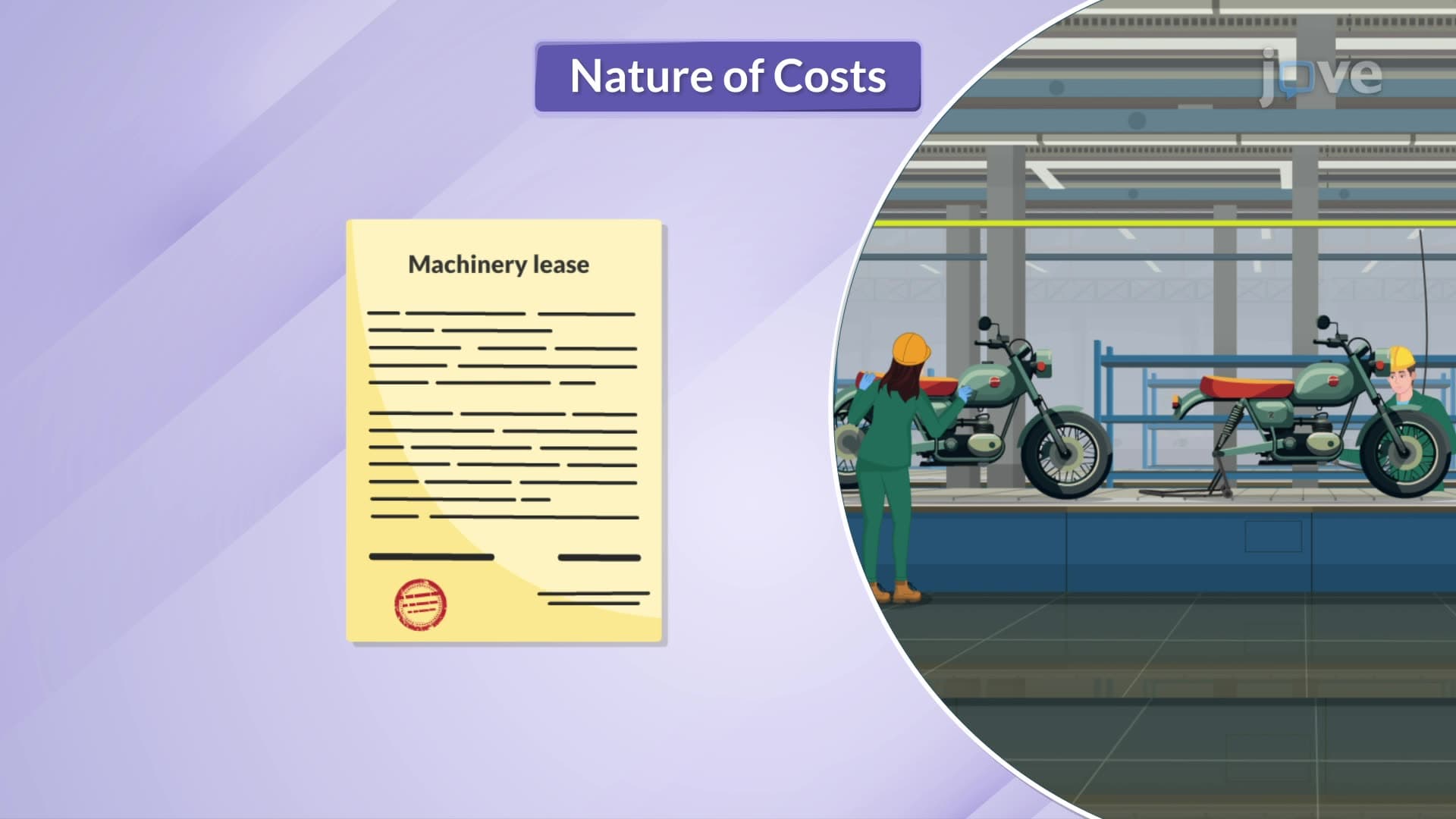
Fixed and variable cost study guide principles reveal that fixed costs create both stability and risk. Companies like Amazon must pay warehouse rent, permanent employee salaries, and server maintenance costs regardless of daily order volume. During economic downturns, these obligations continue while revenue may plummet, explaining why businesses carefully evaluate fixed cost commitments.
Real estate represents the largest fixed cost for most US retailers. Walmart's massive distribution centers generate consistent monthly expenses independent of seasonal sales fluctuations. This cost behavior explains strategic decisions about store locations, lease negotiations, and expansion timing.
Fixed variable cost notes emphasize that variable costs provide operational flexibility. Manufacturing companies like Ford adjust production levels by modifying variable inputs-steel purchases, assembly line labor hours, and energy consumption-while fixed costs remain constant. This relationship enables responsive production scheduling during demand changes.
In service industries, variable costs often involve labor and materials. Hospitals maintain fixed costs through building expenses and permanent staff salaries, while variable costs include medical supplies, temporary nursing staff, and pharmaceutical inventory that fluctuate with patient volumes.
Fixed and variable cost concept explained becomes crucial for AP Economics students and college business majors studying break-even analysis and profit optimization. Understanding that only variable costs influence short-run production decisions helps explain why companies continue operating even when losing money, provided revenue covers variable expenses.
US manufacturing data demonstrates these principles through capacity utilization rates. Companies maintain production during slow periods if selling prices exceed variable costs, contributing toward fixed cost recovery. This economic logic appears frequently on MCAT economics sections and college microeconomics exams, requiring students to analyze cost structures and business sustainability.
Related Micro-courses