Loading subject page…


5,896 views

Video Summary: What Is Economies of Scale
Ever wonder how Amazon can offer free shipping while small retailers charge $10? Economies of scale explain this competitive advantage that transforms entire industries. When companies like Walmart expand production, their cost per unit decreases dramatically-doubling output might only increase total costs by 60%. This phenomenon drives major US corporations to pursue aggressive growth strategies across manufacturing, retail, and technology sectors. Watch the full video on JoVE Coach to master this concept with expert-led visuals and step-by-step explanations.
Economies of scale represent one of the most powerful forces shaping modern business strategy. This fundamental economic principle occurs when increasing production volume leads to decreasing average costs per unit. Unlike simple cost reduction, economies of scale create a mathematical relationship where doubling output requires less than double the input costs-creating exponential competitive advantages.
The concept becomes crystal clear through the average total cost curve. As production increases along the horizontal axis, the downward-sloping portion demonstrates how fixed costs get distributed across more units. Companies like Ford Motor Company exemplify this principle: their massive Dearborn plant produces over 230,000 F-150 trucks annually, spreading enormous facility costs across each vehicle to achieve per-unit costs impossible for smaller manufacturers.
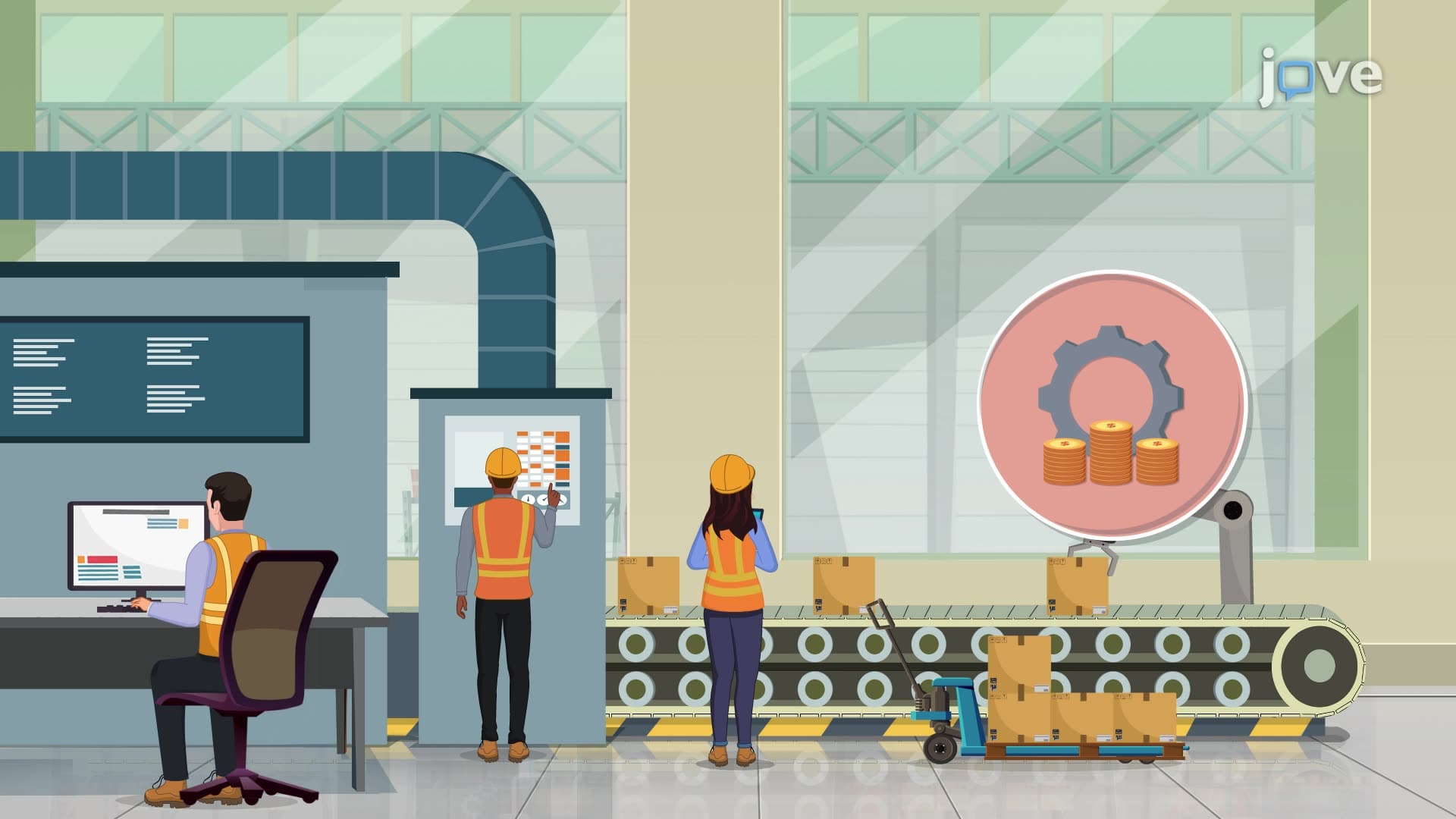
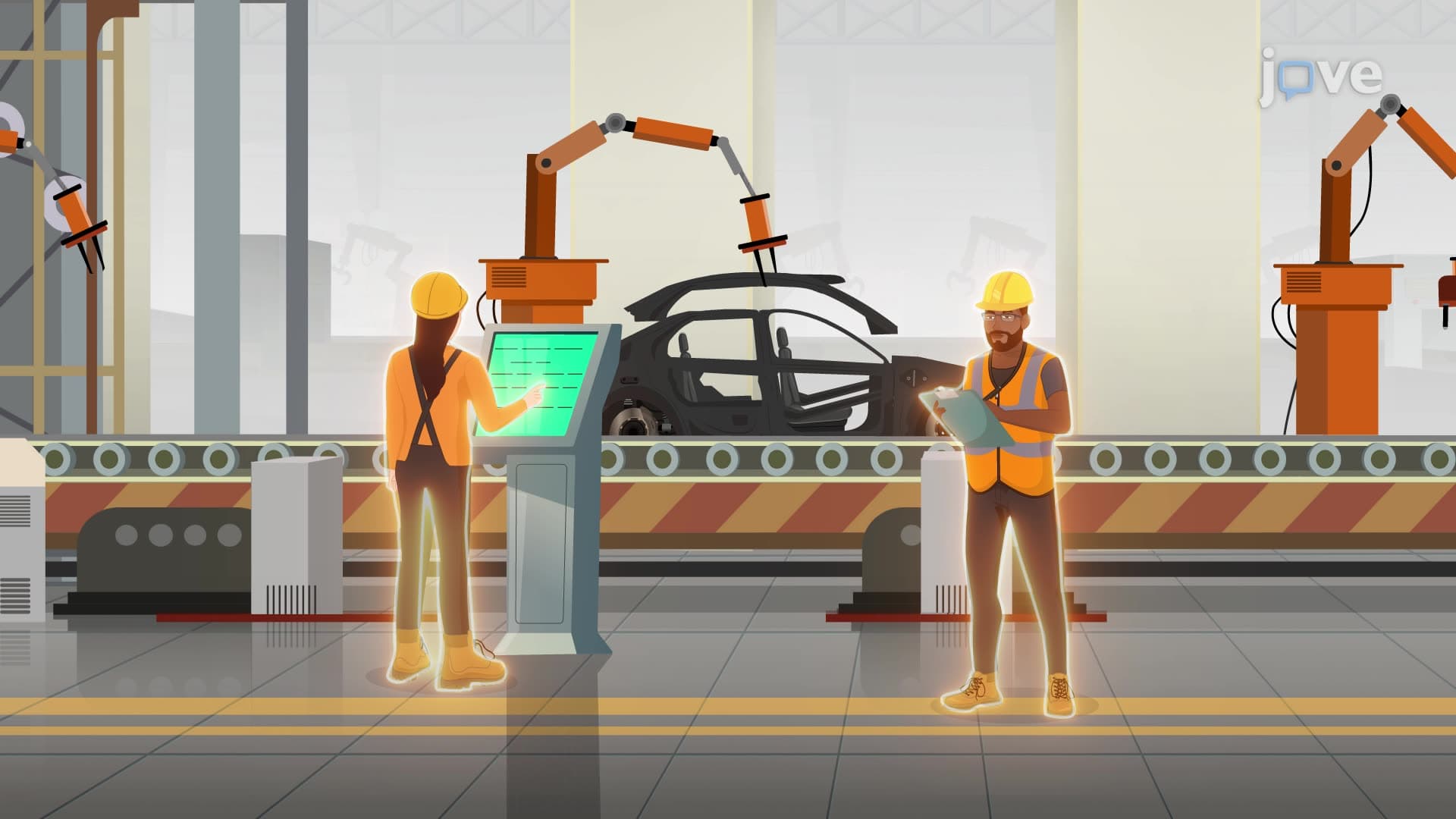
Internal economies stem from company-specific growth and operational improvements. Technical economies emerge through automation and specialized equipment. Tesla's Gigafactory demonstrates this perfectly-advanced robotics and streamlined assembly lines produce batteries at costs 30% lower than traditional methods.
Purchasing economies leverage bulk buying power. Walmart's legendary supplier negotiations exemplify this advantage-ordering millions of units enables price concessions that smaller retailers cannot access. Similarly, financial economies improve as companies grow. Large corporations like Microsoft enjoy AAA credit ratings, securing loans at interest rates 2-3 percentage points below smaller competitors.
Managerial economies arise from specialized leadership and departmental efficiency. As companies expand, they can afford dedicated experts in marketing, finance, and operations rather than generalists wearing multiple hats.
External economies benefit entire industries or regions rather than individual companies. Silicon Valley exemplifies this phenomenon-tech companies there access specialized labor pools, suppliers, and infrastructure that reduce costs for all participants. The automotive corridor in Michigan similarly demonstrates how geographic clustering creates shared advantages in supplier networks and skilled workforce availability.
These concepts appear frequently on AP Economics exams and college microeconomics courses. Students should practice identifying whether cost advantages stem from internal company decisions or external industry factors, as this distinction determines long-term sustainability and competitive positioning.
Related Micro-courses