Loading subject page…

- Microeconomics
- Costs
- Marginal Cost I
Micro-course: Costs
5,896 views
Learn key concepts and earn your certificate.






Marginal Cost I

00:00
01:20
Video Summary: What Is Marginal Cost I
Did you know that McDonald's calculates the exact cost of producing one additional Big Mac to maximize profits? Marginal cost represents the additional expense incurred when a business produces one more unit of output. This fundamental economic principle helps companies like Amazon determine optimal inventory levels and pricing strategies. Understanding What is Marginal Cost I enables students to grasp how businesses make production decisions in competitive markets. Watch the full video on JoVE Coach to master this concept with expert-led visuals and step-by-step explanations.
- Understand What is Marginal Cost I and its role in production decision-making for businesses across various industries
- Identify the relationship between marginal cost, fixed costs, and variable costs in determining total production expenses
- Analyze how marginal cost calculations influence pricing strategies and profit maximization in real business scenarios
- Compare marginal cost with marginal revenue to determine optimal production levels for maximum profitability
- Evaluate production scenarios using marginal cost analysis to make informed business decisions
- Apply marginal cost formulas to solve problems involving manufacturing, service industries, and retail operations
- Recognize the practical applications of marginal cost in industries like technology, healthcare, and consumer goods
- Explore how marginal cost concepts connect to broader economic principles like supply and demand
Understanding What is Marginal Cost I: Foundation Concepts
Marginal cost definition forms the cornerstone of microeconomic analysis and business decision-making. At its core, marginal cost represents the additional cost a company incurs to produce one more unit of a good or service. This concept becomes crucial when businesses like Tesla decide whether to manufacture an additional electric vehicle or when Starbucks determines if opening one more location will be profitable.
The marginal cost concept explained reveals why businesses don't simply produce unlimited quantities of goods. As production increases, companies often face rising costs per unit due to factors like overtime wages, equipment strain, or resource scarcity. Understanding this relationship helps explain why concert tickets cost more as venues approach capacity or why airline seats become more expensive as flights fill up.
Mathematical Framework and Calculation Methods
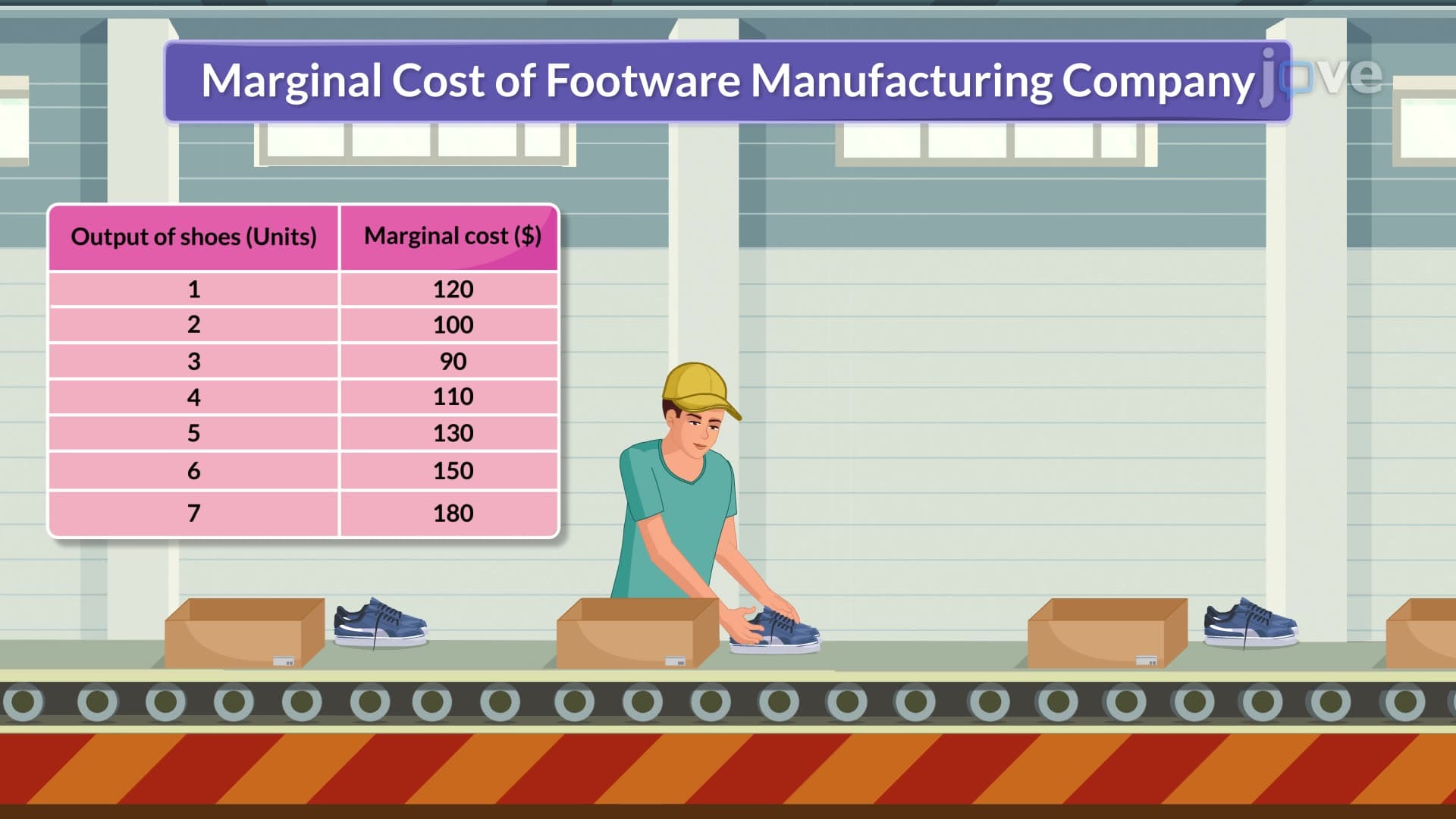
The marginal cost definition explained mathematically involves calculating the change in total cost divided by the change in quantity produced. The formula appears as: Marginal Cost = Change in Total Cost / Change in Quantity. This seemingly simple calculation requires careful consideration of which costs actually change with production increases.
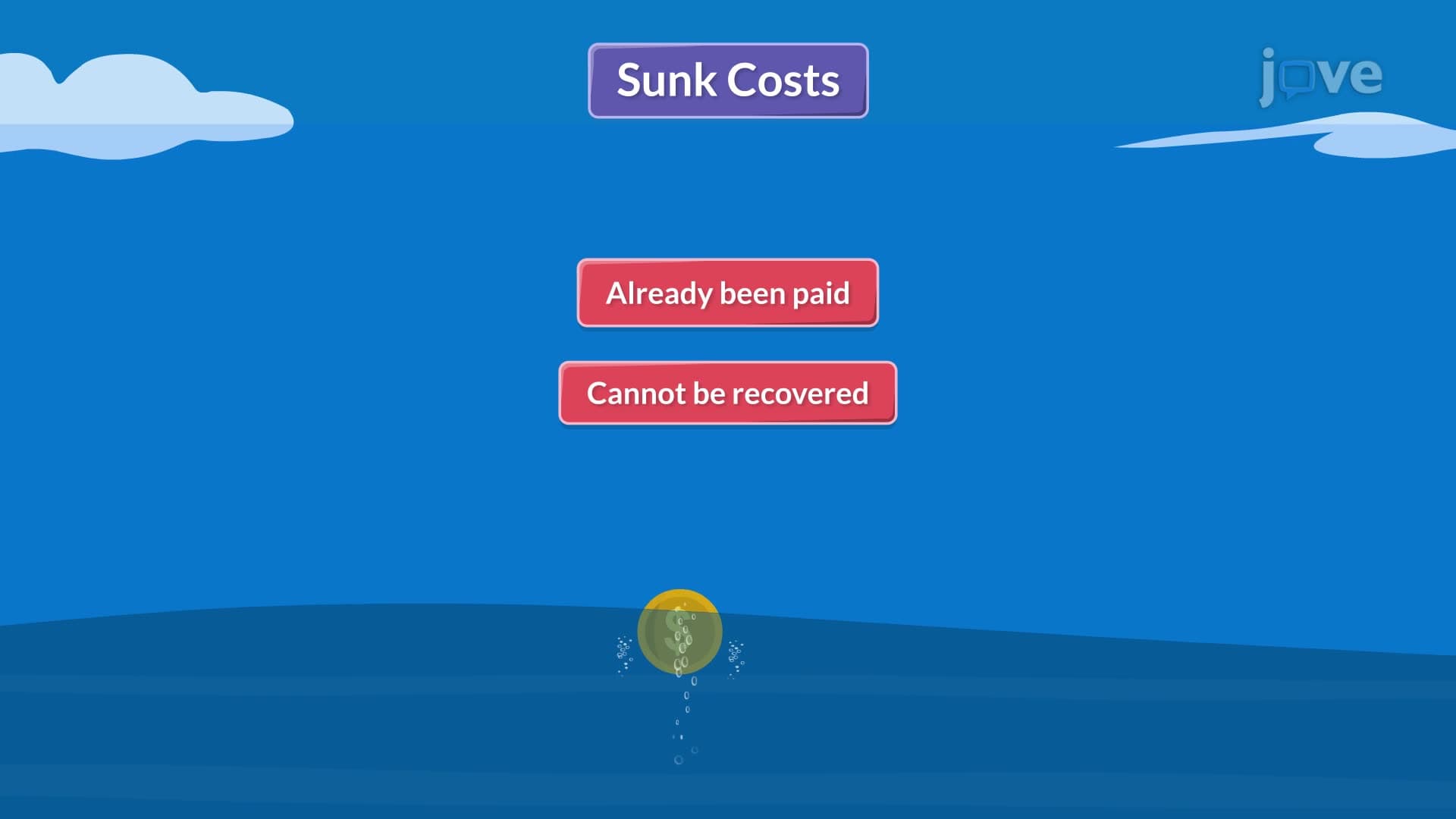
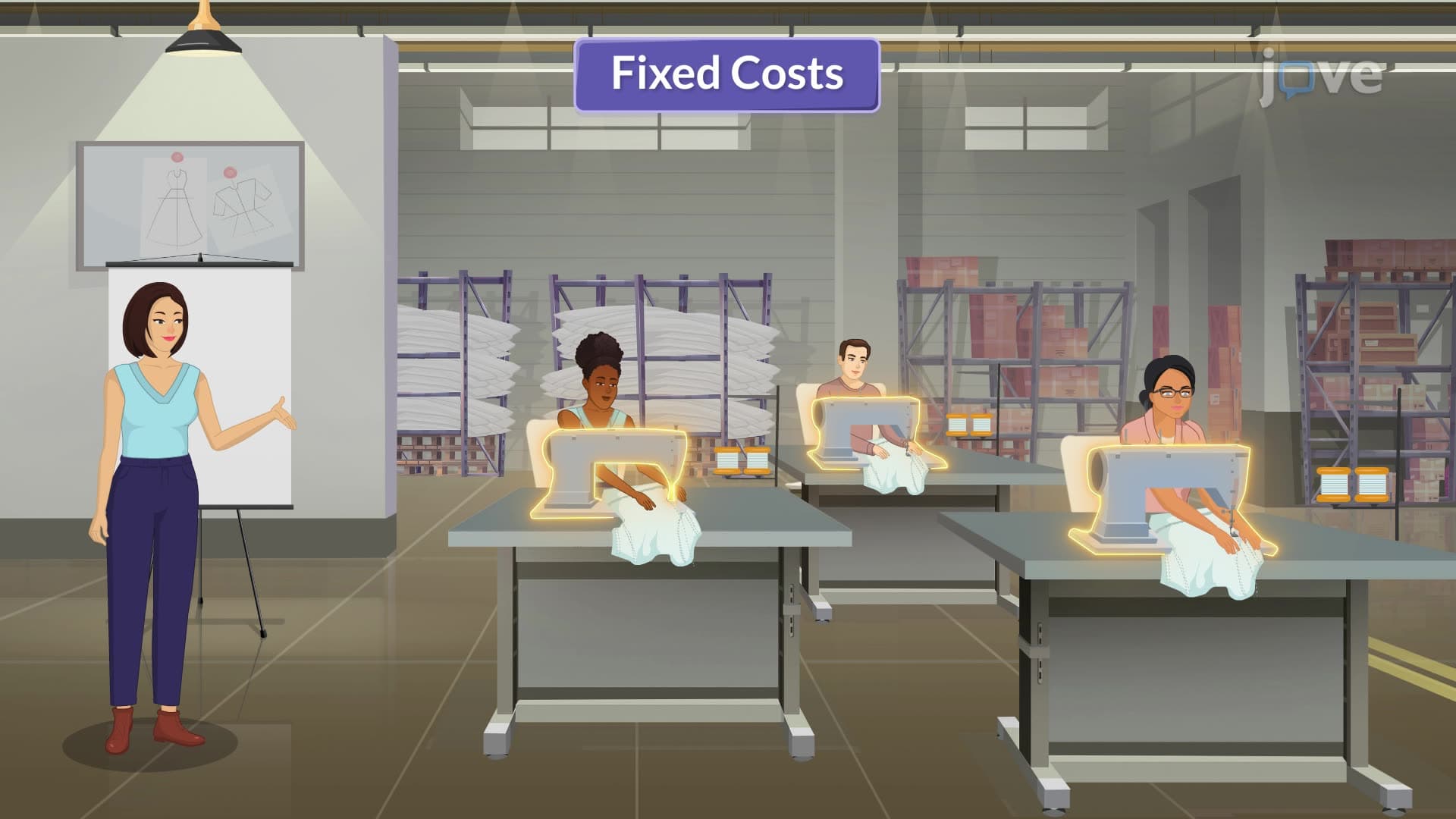
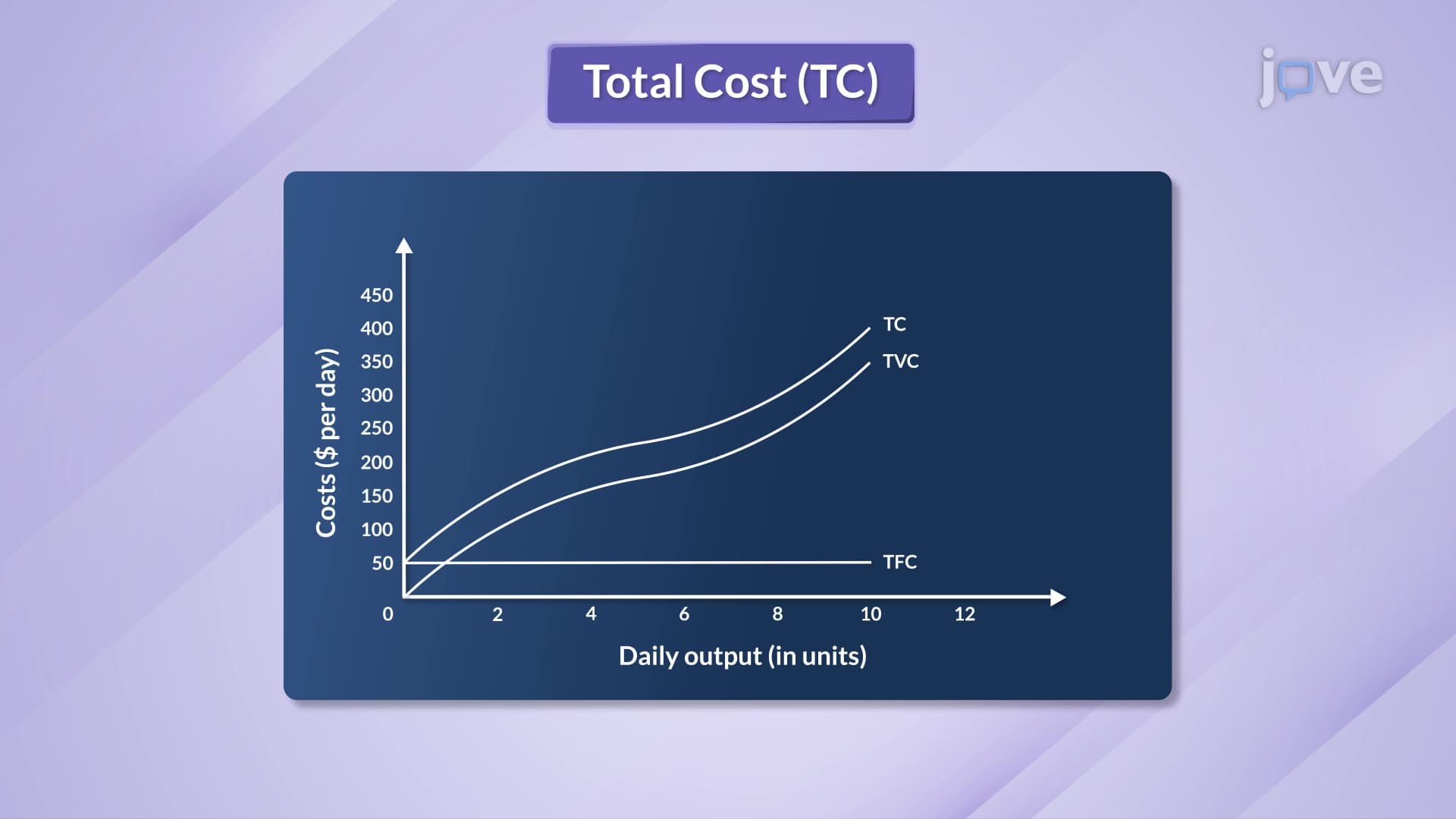
Fixed costs-such as factory rent, insurance premiums, or executive salaries-remain constant regardless of production levels. Variable costs, including raw materials, hourly labor, and utility usage, fluctuate directly with output changes. For AP Economics students, this distinction proves essential for correctly identifying which expenses factor into marginal cost calculations during exams.
Real-World Applications in US Industries
Consider how Netflix applies marginal cost principles when deciding whether to produce additional episodes of a series. The fixed costs-studio rental, equipment, and core crew salaries-remain unchanged whether they film 10 or 12 episodes. However, marginal costs include additional filming days, extra catering, and overtime payments. These calculations directly influence content production decisions that affect millions of subscribers.
Similarly, pharmaceutical companies like Pfizer use marginal cost analysis when determining optimal production quantities for medications. While research and development represent massive fixed investments, the marginal cost of producing one additional pill remains relatively low, explaining why generic medications become dramatically cheaper once patents expire.
Strategic Decision-Making and Profit Optimization
The marginal cost study guide emphasizes how businesses achieve profit maximization when marginal cost equals marginal revenue. This equilibrium point represents the optimal production level where additional units neither increase nor decrease overall profitability. Companies exceeding this point face declining profits despite increased sales volume.
College business courses frequently examine how companies like Walmart use marginal cost analysis for inventory management and pricing strategies. Understanding these principles prepares students for advanced economics coursework and provides practical insights for entrepreneurship ventures or corporate careers.
Frequently Asked Questions
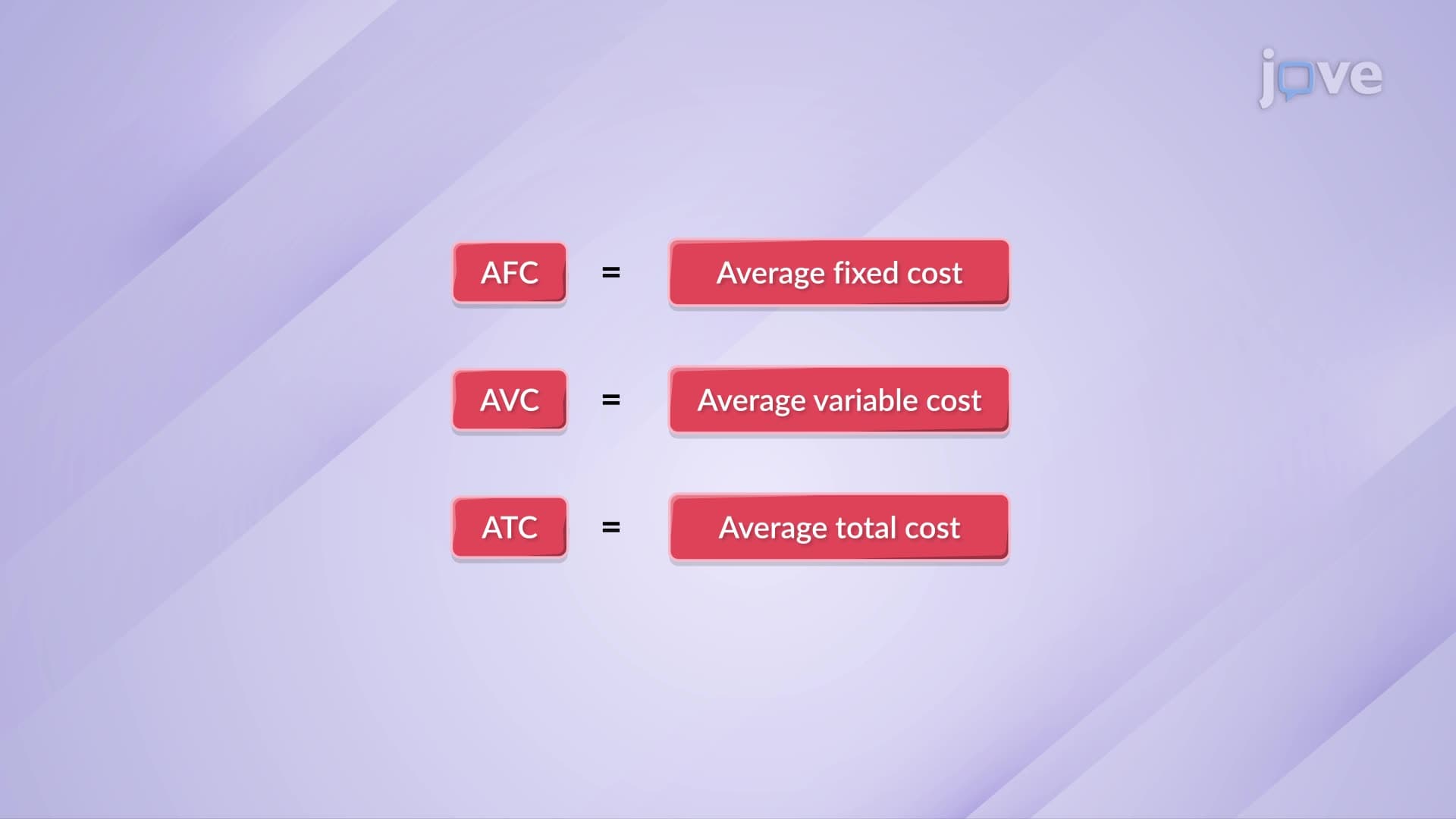
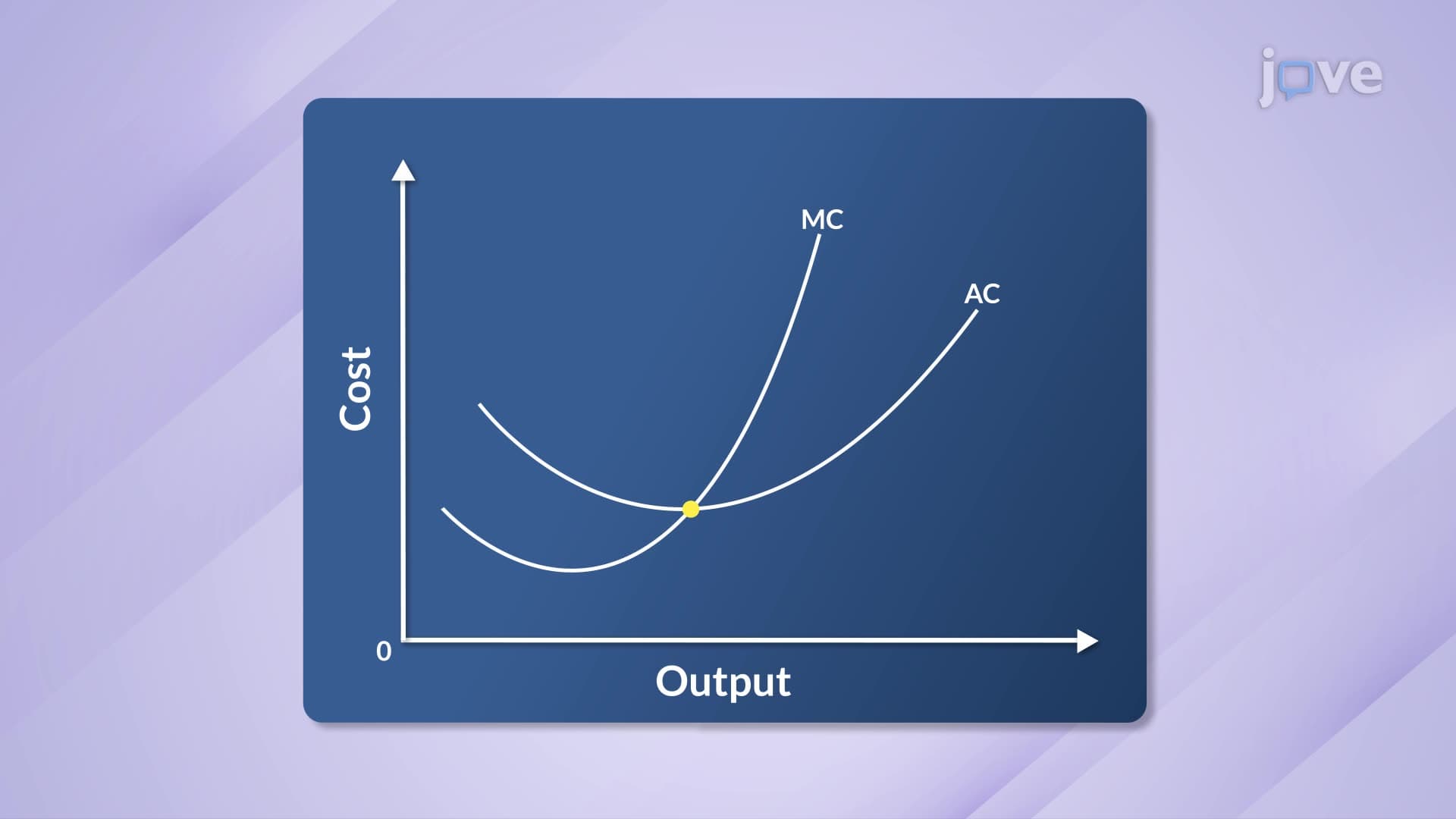
Marginal cost measures the additional expense of producing one more unit, while average cost divides total costs by total quantity produced. Marginal cost focuses on incremental changes, making it more useful for immediate production decisions. Average cost provides broader insights into overall efficiency and long-term profitability trends across different production levels.
AP Economics exams frequently present marginal cost through calculation problems, graph interpretations, and scenario analysis questions. Students must identify fixed versus variable costs, calculate marginal cost using given data tables, and explain how marginal cost influences profit-maximization decisions. Practice problems often involve manufacturing scenarios requiring step-by-step mathematical solutions.
College exams typically feature complex scenarios involving multiple production stages, changing cost structures, and profit optimization challenges. Students encounter problems requiring marginal cost curve analysis, long-run versus short-run cost comparisons, and applications to real industries. Advanced questions may integrate marginal cost with market competition and pricing strategy concepts.
Amazon applies marginal cost analysis when deciding warehouse locations, determining optimal inventory levels, and setting Prime membership pricing. The company calculates additional costs for each new fulfillment center, extra storage capacity, and incremental delivery services. These decisions directly impact customer pricing, service quality, and overall profitability across millions of transactions daily.
Basic algebra and arithmetic skills suffice for most marginal cost calculations and applications. The concept relies more on logical reasoning and economic intuition than complex mathematical procedures. Students comfortable with simple division, subtraction, and graph interpretation can successfully master marginal cost principles and apply them effectively in academic and professional contexts.
Focus on practicing calculation problems using real company examples, create visual aids showing cost curve relationships, and memorize the key formula variations. Work through multiple scenarios involving different industries, develop shortcuts for identifying variable costs, and practice explaining concepts in your own words. Regular problem-solving sessions build confidence and speed for timed examinations.
Marginal cost principles apply to personal budgeting, career choices, and investment decisions throughout life. Consider the additional costs of pursuing graduate education, buying a larger home, or starting a side business. Understanding incremental cost analysis helps evaluate whether additional expenses justify expected benefits, leading to more informed financial choices.
Marginal cost serves as the foundation for studying marginal revenue, producer surplus, market equilibrium, and competitive analysis. Advanced courses explore topics like economies of scale, cost minimization, and strategic pricing in different market structures. These concepts become essential for understanding corporate finance, industrial organization, and advanced microeconomic theory.
Related Micro-courses