Loading subject page…

- Microeconomics
- Costs
- Marginal Cost II
Micro-course: Costs
5,896 views
Learn key concepts and earn your certificate.






Marginal Cost II

00:00
01:11
Video Summary: What Is Marginal Cost Ii
Ever wondered why your favorite Nike sneakers cost exactly $120 instead of $100? Marginal cost drives pricing decisions for every product you buy, from Tesla vehicles to McDonald's burgers. This economic principle reveals how companies like Apple determine the optimal production level by analyzing the additional cost of manufacturing one more iPhone. What is Marginal Cost II explores the U-shaped curve pattern that shows why production costs initially decrease before rising due to diminishing returns. Watch the full video on JoVE Coach to master this concept with expert-led visuals and step-by-step explanations.
- Understand What is Marginal Cost II and how the U-shaped marginal cost curve illustrates changing production efficiency
- Identify the relationship between marginal cost and marginal returns in manufacturing scenarios
- Analyze why marginal costs initially decrease during early production stages due to increasing marginal returns
- Compare the downward and upward slopes of the MC curve using real manufacturing examples
- Evaluate how diminishing marginal returns cause marginal costs to rise after optimal production levels
- Apply marginal cost calculations to determine profit-maximizing output levels for businesses
- Recognize the role of fixed capital and variable labor in shaping marginal cost patterns
- Explore how underutilized resources create opportunities for greater production efficiency
Understanding What is Marginal Cost II: The Complete Framework
Marginal cost definition explained goes beyond simple calculations-it represents a fundamental economic principle that shapes every business decision from startup ventures to Fortune 500 corporations. When Amazon decides whether to fulfill one more order or when Ford determines optimal vehicle production, they're applying marginal cost analysis to maximize profitability.
The U-Shaped Marginal Cost Curve: Economic Theory in Action
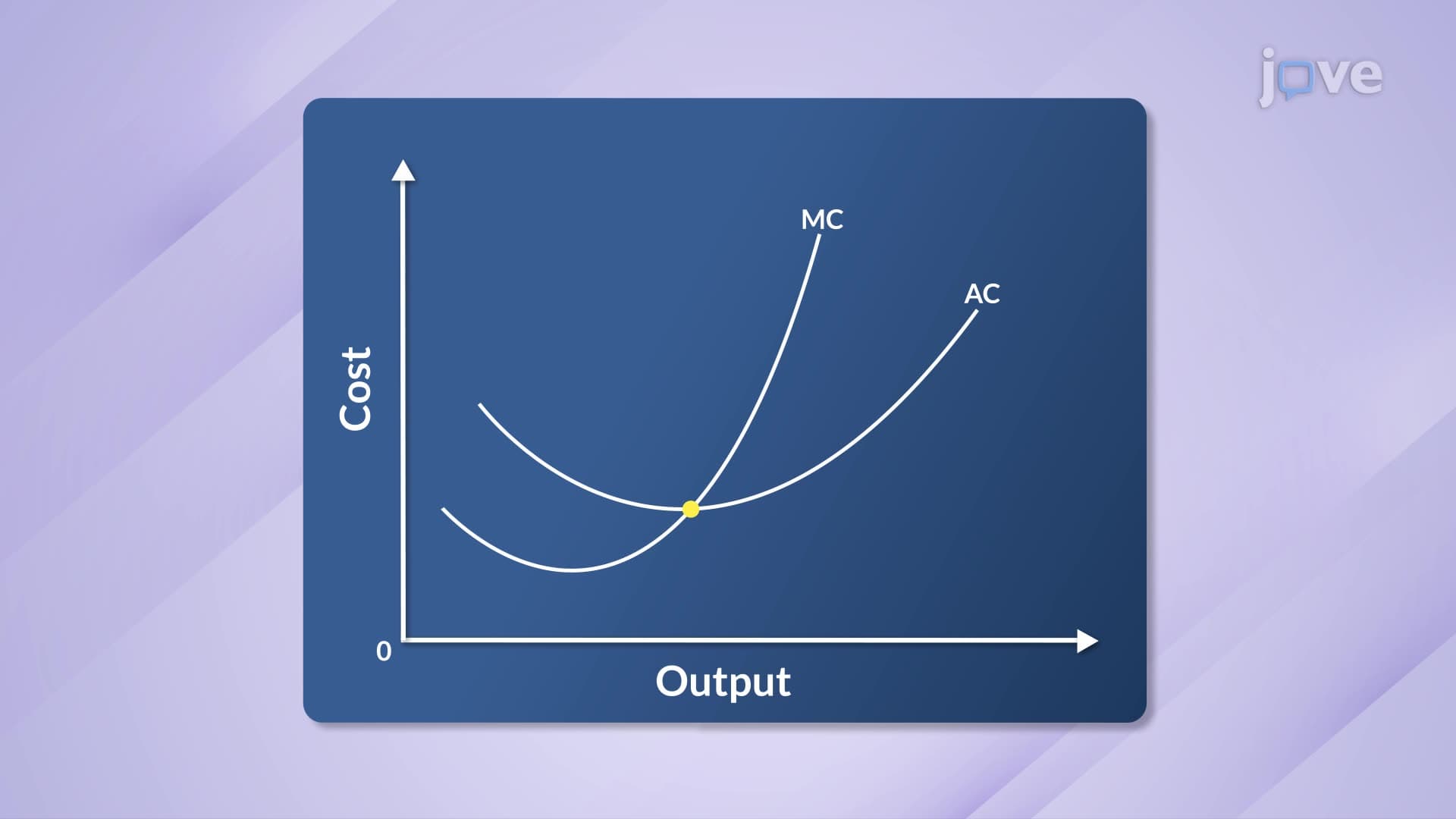
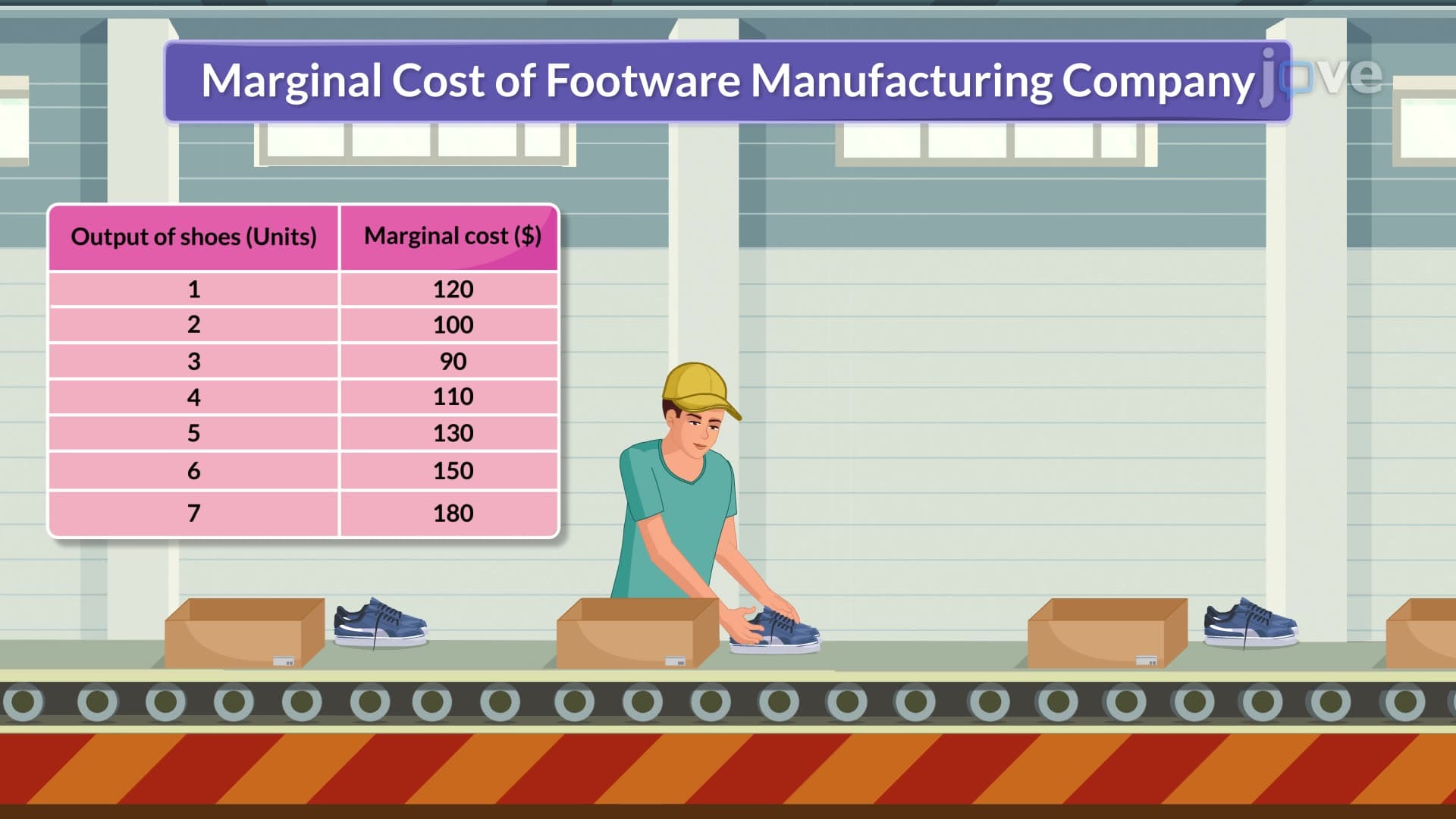
The marginal cost concept explained through the U-shaped curve reveals why businesses experience changing production costs. Initially, companies like General Motors benefit from increasing marginal returns when adding workers to underutilized assembly lines. Each additional worker contributes more value than the previous one, driving down per-unit costs. This creates the downward slope of the MC curve.
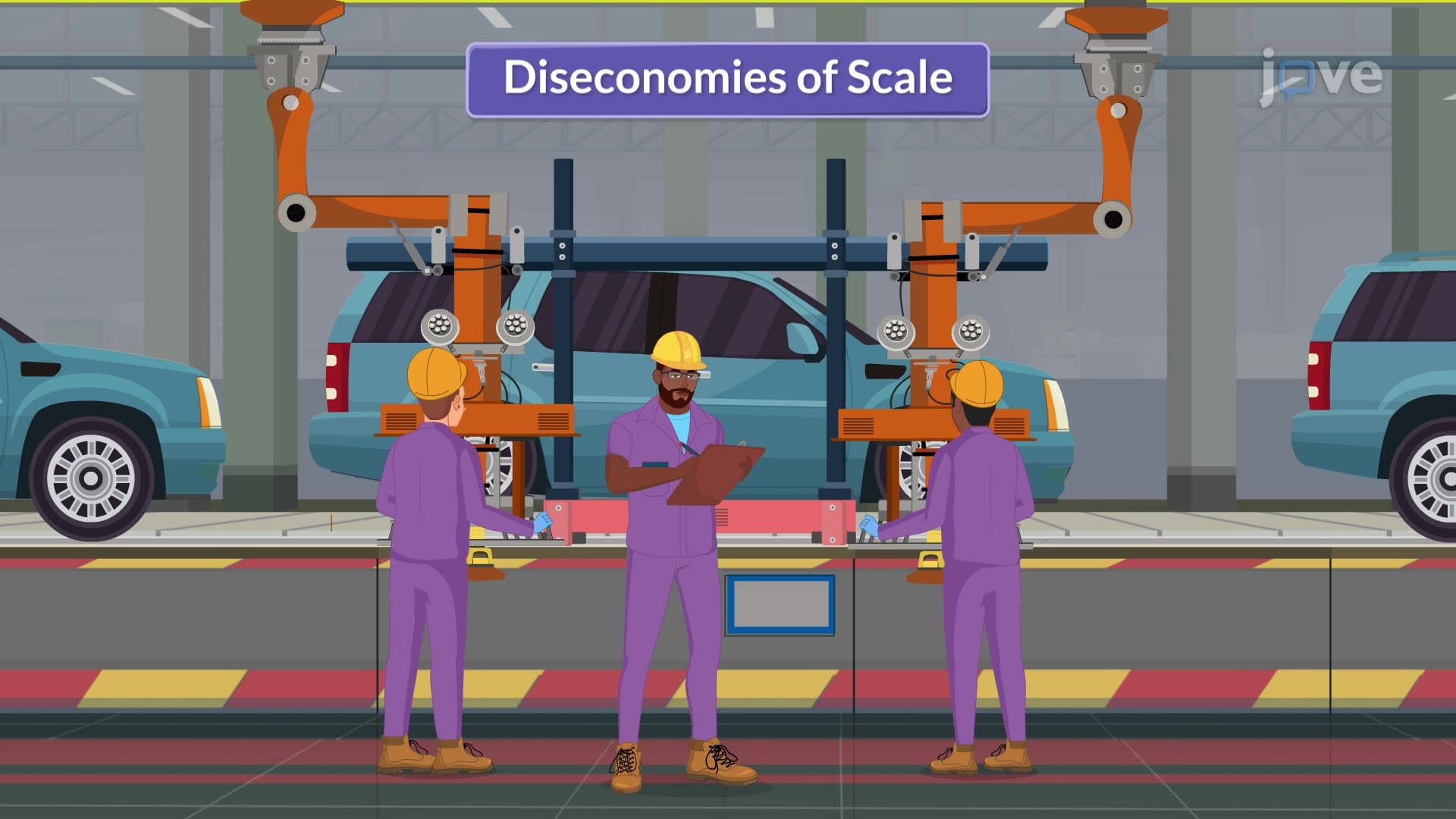
However, as production continues beyond optimal capacity, the law of diminishing marginal returns takes effect. Adding more workers to the same factory floor creates overcrowding, equipment bottlenecks, and coordination challenges. Each additional unit becomes progressively more expensive to produce, forming the upward slope.
Real-World Applications and Academic Relevance
This marginal cost study guide concept appears frequently on AP Economics exams, college microeconomics courses, and business school case studies. Students encounter marginal cost problems in contexts ranging from agricultural production (calculating optimal crop yields) to technology manufacturing (determining smartphone production levels).
For practical application, consider how Starbucks uses marginal cost analysis when deciding whether to extend operating hours. The additional cost of staying open one more hour (extra labor, utilities, materials) must be weighed against potential revenue. This decision-making framework applies across industries from healthcare (hospital capacity planning) to education (class size optimization).
Strategic Implications for Business Decision-Making
Understanding marginal cost patterns helps businesses avoid common pitfalls like overproduction or underutilization. Companies use this marginal cost overview to set competitive prices, determine expansion timing, and optimize resource allocation. The concept directly influences supply chain decisions, inventory management, and long-term strategic planning across American industries.
Frequently Asked Questions
What is Marginal Cost II focuses specifically on the U-shaped curve pattern and the relationship between marginal returns and production costs. While basic marginal cost covers simple calculations, this advanced concept explains why costs follow a predictable U-shaped pattern due to increasing then diminishing marginal returns. It provides deeper insight into optimal production levels and business decision-making strategies.
AP Economics exams frequently test marginal cost through graph analysis, calculation problems, and short-answer questions about profit maximization. College microeconomics courses include marginal cost in market structure analysis, perfect competition models, and firm behavior studies. Students must demonstrate understanding of the MC curve's relationship to average cost curves and profit-maximizing output levels.
GMAT quantitative sections include marginal cost in data sufficiency and problem-solving questions involving production optimization and cost analysis. These problems test logical reasoning about business scenarios where companies must determine optimal production levels. Students analyze scenarios involving manufacturing costs, service delivery, and resource allocation decisions using marginal cost principles.
Amazon applies marginal cost analysis when determining whether to offer same-day delivery in new markets, calculating the additional cost per package versus potential revenue increases. Tesla uses marginal cost to optimize battery production levels and determine pricing strategies for different vehicle models. These applications demonstrate how marginal cost drives strategic business decisions in competitive markets.
Marginal cost concepts are completely accessible to high school students with basic algebra skills and economic intuition. The mathematical calculations involve simple addition and subtraction, while the conceptual framework builds on familiar business scenarios. Students who understand supply and demand can easily grasp marginal cost principles through real-world examples and visual representations.
Focus on graphing practice and real-world application scenarios rather than memorizing formulas. Create your own examples using familiar businesses like restaurants or retail stores to understand cost behavior patterns. Practice identifying the U-shaped curve components and explaining why marginal costs initially decrease then increase. Use flashcards for key terminology and work through multiple calculation problems.
After understanding marginal cost, explore marginal revenue and profit maximization rules, which show how businesses determine optimal output levels. Study average cost curves and their relationship to marginal cost, then advance to market structures like perfect competition and monopoly. These concepts build naturally on marginal cost foundations and appear together in advanced economics coursework.
Marginal cost analysis forms the foundation for financial analysis, operations management, and strategic planning roles across industries. Business professionals use these principles for pricing decisions, capacity planning, and investment evaluation. Understanding marginal cost demonstrates analytical thinking skills valued in consulting, finance, and management positions throughout the American business landscape.
Related Micro-courses