Loading subject page…


5,896 views

Video Summary: What Is Sunk and Opportunity Cost
Ever wonder why Netflix spent $15 billion on original content in 2019 instead of acquiring more licensed shows? Understanding sunk opportunity cost helps explain these billion-dollar decisions that shape the companies we use daily. What is sunk and opportunity cost reveals two fundamental economic principles: opportunity cost represents the value of the best alternative foregone when making a choice, while sunk costs are irrecoverable expenses that shouldn't influence future decisions. Amazon's decision to continue investing in Alexa despite initial losses demonstrates how companies navigate both concepts strategically. Watch the full video on JoVE Coach to master this concept with expert-led visuals and step-by-step explanations.
Sunk and opportunity cost definition explained begins with recognizing these as two sides of the economic decision-making coin. While opportunity cost looks forward to what we give up, sunk costs represent what we've already spent and cannot recover. This distinction forms the foundation for rational economic thinking taught in AP Economics, business courses, and MBA programs across American universities.
Opportunity cost represents the value of the next best alternative when making a choice. When Apple allocates $100 million to iPhone development instead of expanding iPad production, the opportunity cost includes all potential benefits from that iPad investment. This concept extends beyond business-when a Stanford student chooses to study economics instead of computer science, their opportunity cost includes the potential career benefits of that CS degree.
American students encounter opportunity cost extensively on standardized tests. The SAT includes economics questions testing this concept, while AP Microeconomics dedicates significant coverage to opportunity cost calculations. College students studying business administration or economics will apply this concept in case studies analyzing companies like Tesla's decision to prioritize electric vehicles over traditional automotive markets.
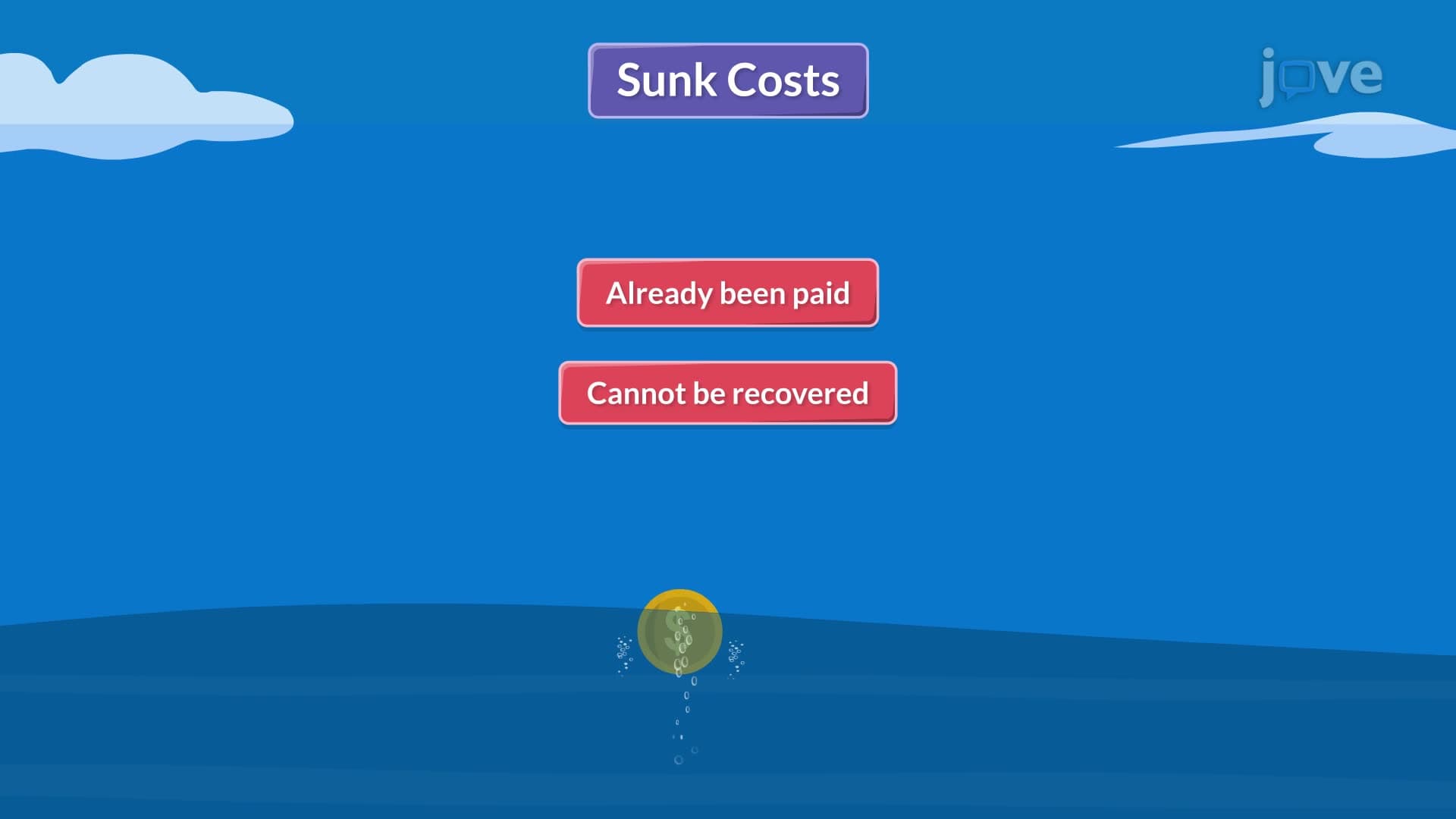
Sunk opportunity cost notes emphasize that sunk costs should never influence future decisions-yet they frequently do. These irrecoverable expenses include research and development spending, marketing campaigns, employee training, and infrastructure investments. Boeing's development of the 737 MAX involved billions in sunk costs, but the company's decision to continue the program despite safety concerns illustrates how sunk costs can cloud judgment.
The sunk cost fallacy occurs when past investments influence current decisions inappropriately. Theranos investors continued funding despite mounting evidence of fraud, partly because they had already invested hundreds of millions. This psychological trap affects individuals too-continuing an unsuccessful college major simply because of time already invested exemplifies personal sunk cost fallacy.
Sunk and opportunity cost study guide materials emphasize practicing identification of both concepts in complex scenarios, as exam questions often require students to separate emotional attachment from rational analysis.
Related Micro-courses