Loading subject page…

- Microeconomics
- Game Theory
- Reputation
Micro-course: Game Theory
5,001 views
Learn key concepts and earn your certificate.











Reputation

00:00
01:29
Video Summary: What Is Reputation
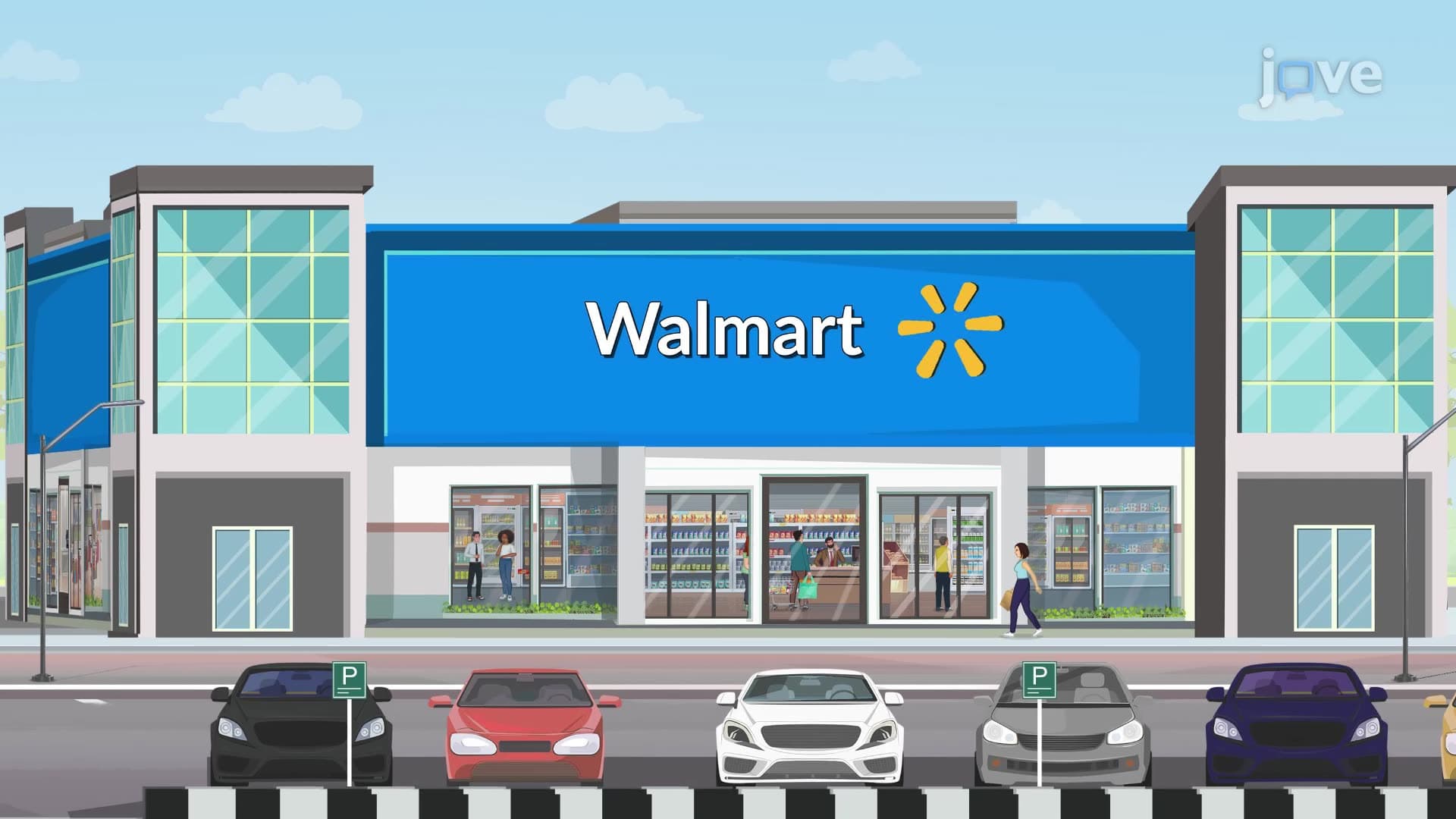
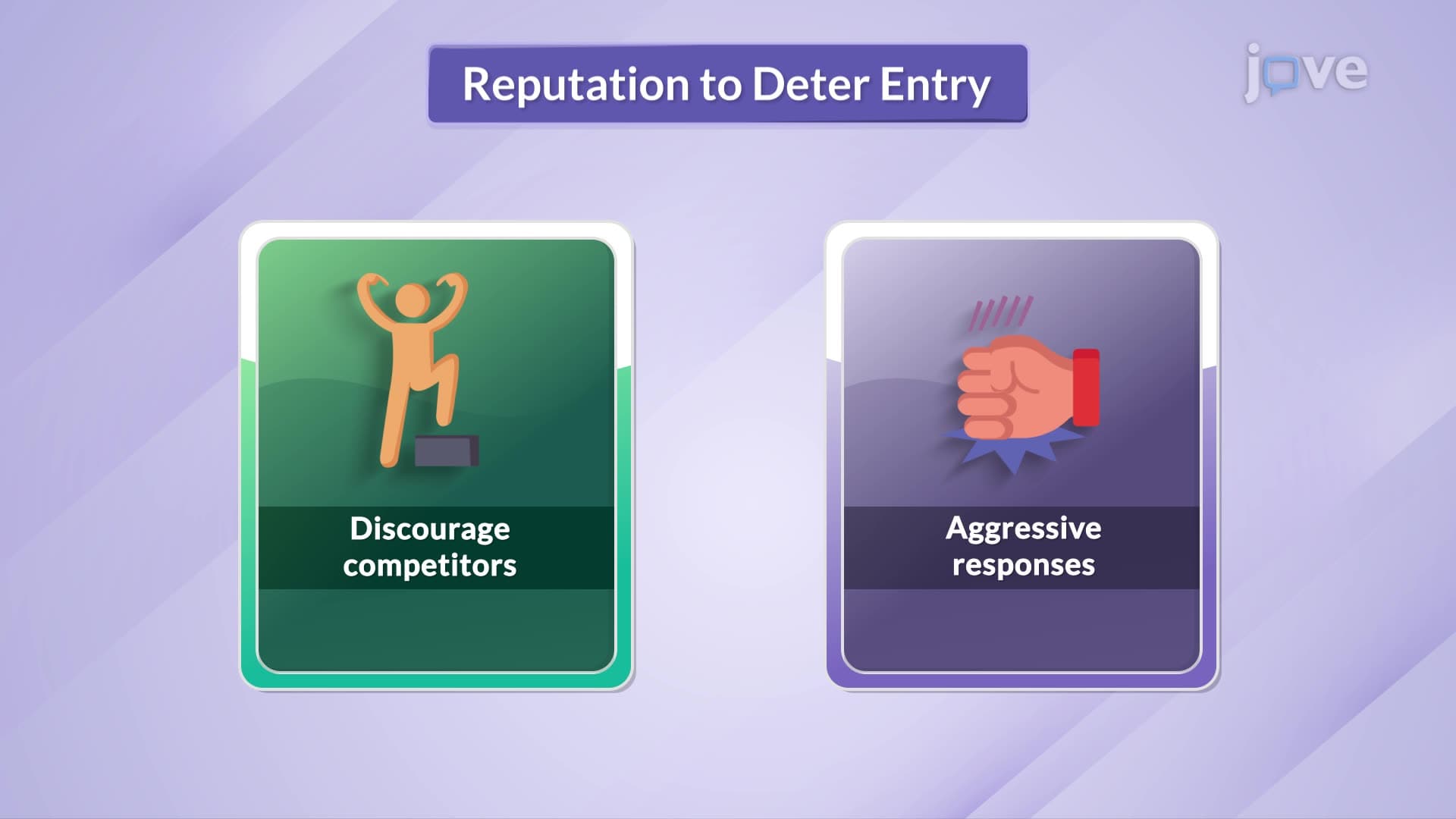
Ever wonder why Amazon aggressively undercuts competitors' prices, even when it hurts short-term profits? Reputation in game theory explains how companies like Walmart strategically build fierce competitive images to scare off potential rivals before they even enter the market. This powerful economic concept shows how businesses accept temporary losses to maintain long-term market dominance through psychological deterrence. Watch the full video on JoVE Coach to master this concept with expert-led visuals and step-by-step explanations.
- Understand what is reputation in game theory and how it functions as a strategic deterrent mechanism
- Identify real-world scenarios where companies use reputation to prevent market entry by competitors
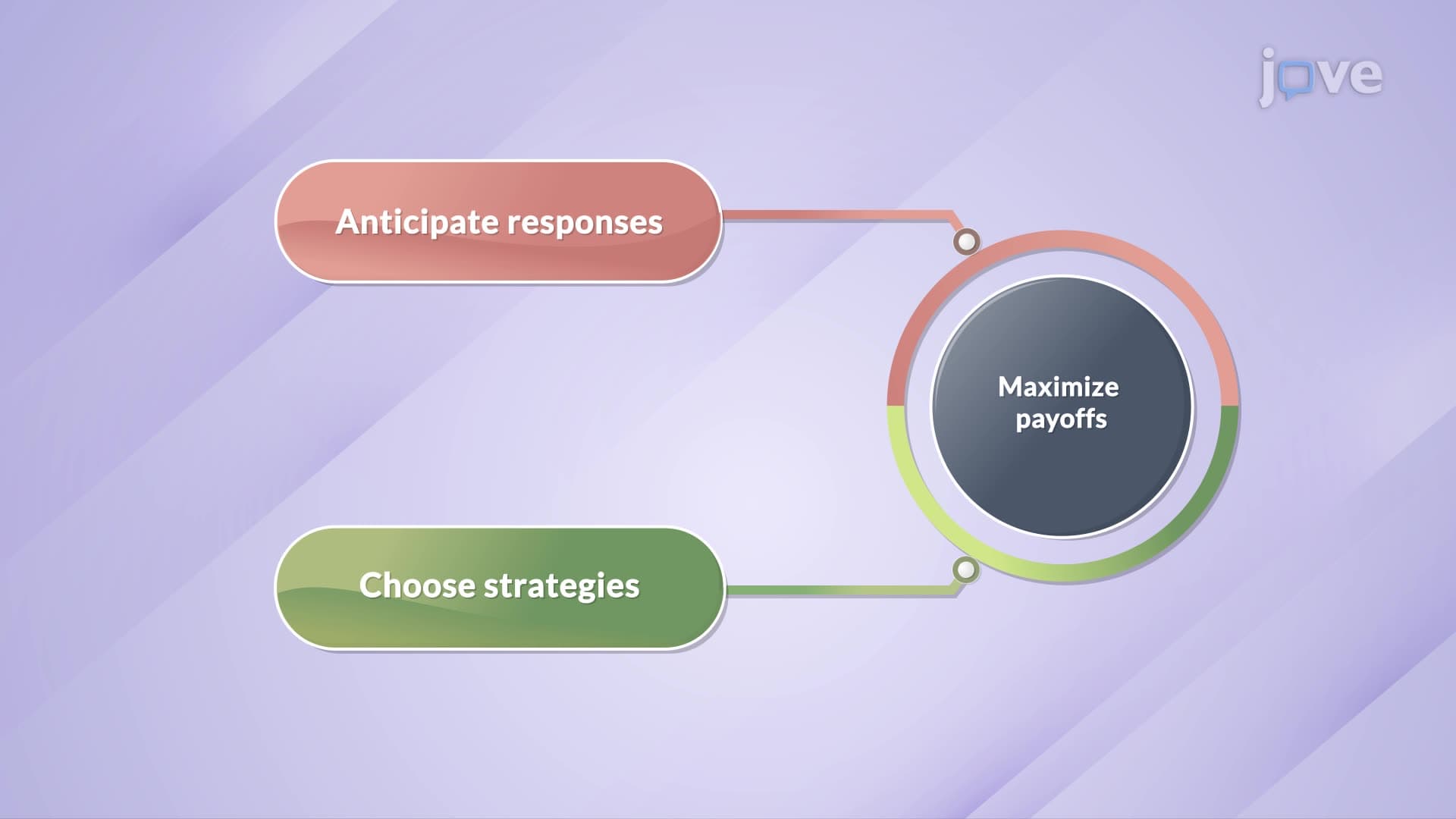
- Analyze the trade-offs between short-term costs and long-term benefits in reputation-building strategies
- Compare aggressive versus accommodating business responses and their impact on market dynamics
- Evaluate how reputation affects competitor decision-making using payoff matrices and game trees
- Apply reputation concepts to predict business outcomes in competitive market scenarios
- Recognize the role of credible threats in maintaining market power through reputation effects
- Explore connections between reputation theory and other strategic business concepts like barriers to entry
Understanding What is Reputation in Strategic Business Context
What is reputation in game theory? It's a firm's established pattern of competitive behavior that influences how rivals expect the company to respond to market challenges. Unlike simple brand recognition, strategic reputation creates psychological barriers that deter competitors before they even attempt market entry. This concept explains why dominant companies often engage in seemingly irrational aggressive behavior-they're investing in their reputation as fierce competitors.
The Economics Behind Reputation Building
The reputation definition explained centers on credible commitment to aggressive responses. Companies face a fundamental trade-off: accept short-term losses to maintain a reputation for toughness, or maximize immediate profits but appear vulnerable to entry. Consider how Uber entered new cities with massive subsidies and regulatory battles, accepting billions in losses to establish its reputation as an unstoppable force that would fight any competitor.
This strategic approach works because potential entrants perform cost-benefit analyses. If they believe the incumbent will respond aggressively (based on reputation), they may decide entry isn't profitable. The incumbent's reputation becomes a self-fulfilling prophecy-fewer competitors enter because they expect fierce retaliation.
Real-World Applications and Market Dynamics
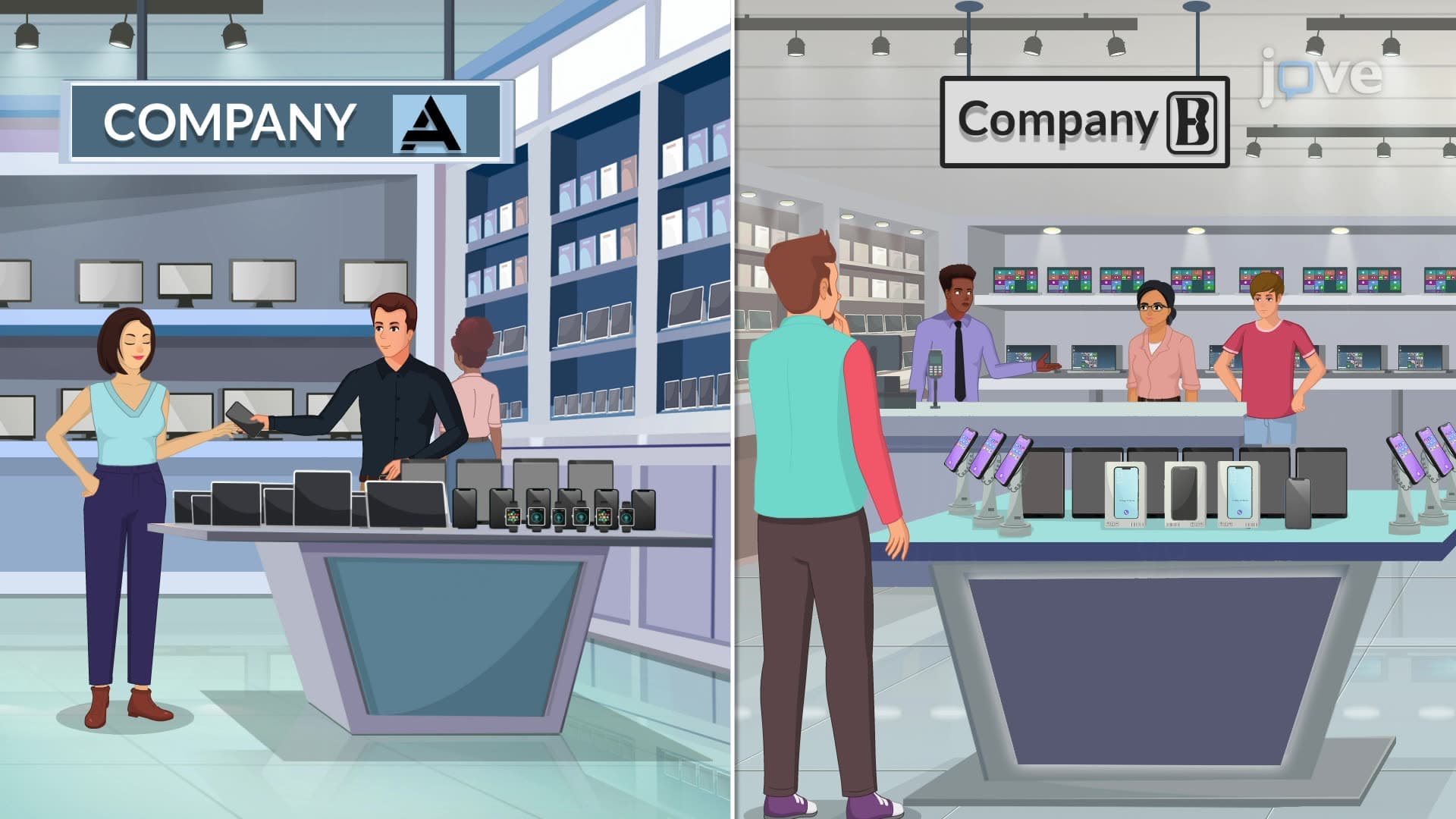
Major US retailers like Target and Best Buy have used reputation strategically. When Amazon expanded into electronics, Best Buy's aggressive price-matching and service investments weren't just about immediate competition-they were reputation signals to other potential electronics retailers. This reputation concept explained through practical examples shows how businesses think several moves ahead.
In pharmaceuticals, companies like Pfizer aggressively defend patent rights not just for current drugs, but to build reputations that deter generic manufacturers from challenging future patents. This reputation effect extends market exclusivity periods beyond legal protections.
Academic and Exam Applications
Students encounter reputation theory in AP Economics, college-level game theory courses, and business strategy classes. The concept frequently appears in multiple-choice questions asking students to identify why companies choose seemingly unprofitable aggressive strategies. Understanding reputation helps explain market concentration, pricing wars, and entry barriers-key topics in microeconomics exams and case study analyses.
Frequently Asked Questions
Reputation is a firm's established pattern of competitive responses that influences how competitors expect the company to behave in future market situations. It serves as a strategic tool to deter market entry by creating credible threats of aggressive retaliation. Companies build reputation by consistently responding aggressively to competitive threats, even when it means accepting short-term losses for long-term market protection.
Reputation questions typically involve game theory scenarios where students analyze why companies choose aggressive strategies despite immediate costs. Expect payoff matrices showing entry deterrence games, questions about credible commitments, and explanations of why rational firms accept losses to maintain competitive reputations. Focus on identifying the long-term strategic benefits that justify short-term costs.
Students often confuse reputation with brand image or assume aggressive responses are always irrational profit-destroying behavior. The key insight is that reputation is strategic-companies invest in tough reputations specifically to deter future competition. Another common error is failing to recognize that reputation only works when threats are credible and the firm can actually follow through on aggressive promises.
Microsoft's response to browser competition in the 1990s exemplifies reputation strategy-the company bundled Internet Explorer with Windows despite regulatory risks, establishing a reputation for aggressive responses that likely deterred other software companies from challenging Microsoft's core products. This aggressive reputation extended beyond browsers to influence competitor decisions across multiple software markets.
Reputation theory is quite accessible because it builds on intuitive concepts about credibility and deterrence that students already understand from everyday life. The math involves basic payoff comparisons, and the logic mirrors familiar situations like establishing tough reputations in sports or negotiations. Most students grasp the core concepts quickly once they see concrete business examples.
Practice drawing game trees and payoff matrices for entry deterrence scenarios, focusing on why the incumbent chooses aggressive strategies despite lower immediate payoffs. Create your own examples using familiar companies and work through the logic of how reputation affects competitor decision-making. Connect reputation theory to other strategic concepts like barriers to entry and first-mover advantages.
Reputation theory links closely to barriers to entry, signaling theory, and industrial organization concepts like market concentration and pricing strategies. It also connects to behavioral economics through psychological aspects of deterrence and credibility. Understanding reputation provides a foundation for studying predatory pricing, strategic commitment, and other advanced game theory applications in business strategy.
Explore related game theory concepts like signaling games, repeated games, and commitment strategies. Study industrial organization topics including entry barriers, predatory pricing, and market structure analysis. Advanced students can examine behavioral game theory and experimental evidence on reputation effects in real business settings.
Related Micro-courses