Loading subject page…

- Microeconomics
- Game Theory
- Sequential Game: Backward Induction
Micro-course: Game Theory
5,001 views
Learn key concepts and earn your certificate.










Sequential Game: Backward Induction

00:00
01:24
Video Summary: What Is Sequential Game Backward Induction
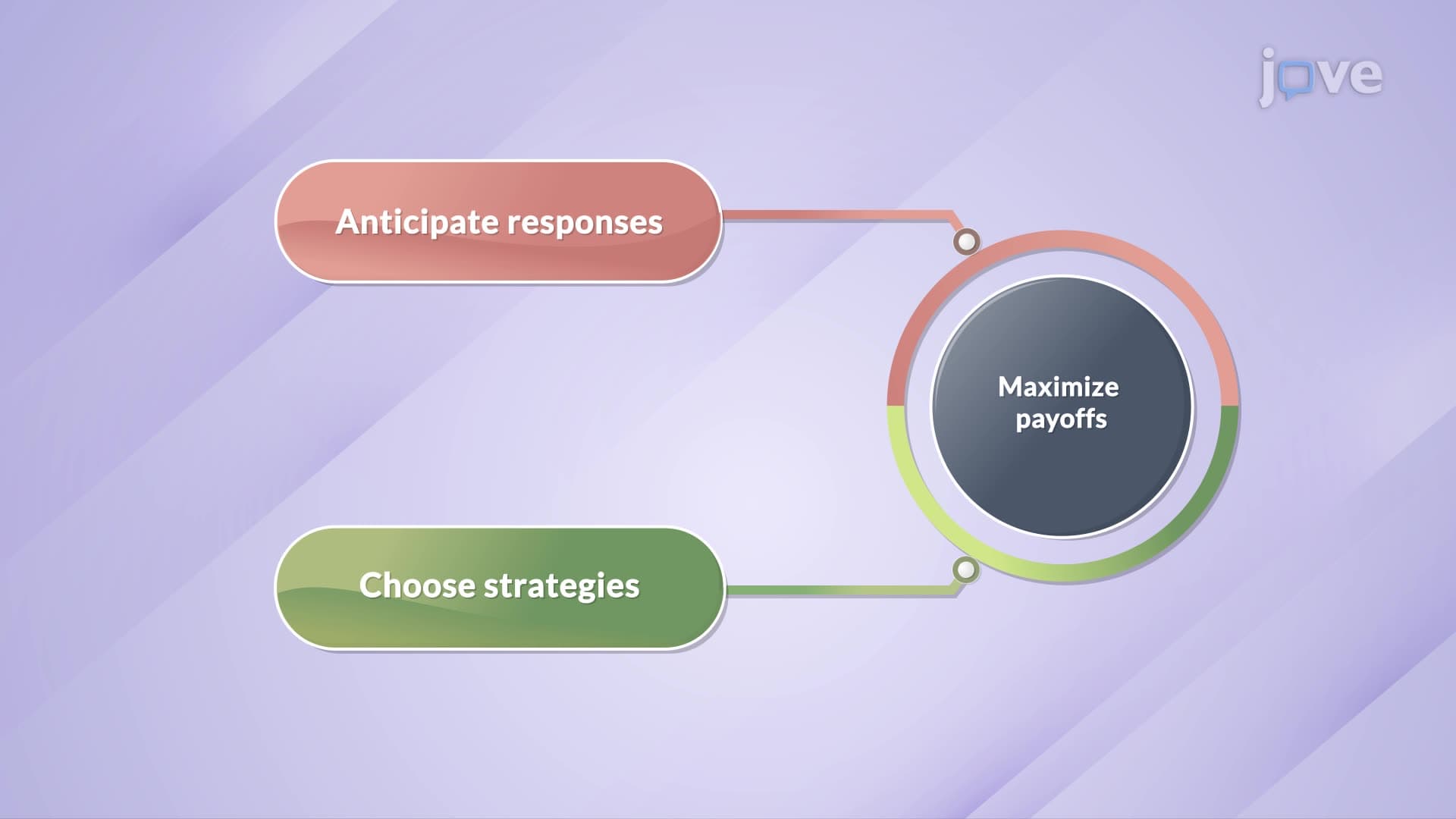
When Apple and Samsung compete over smartphone pricing strategies, how do they predict each other's moves? Sequential game backward induction is a strategic analysis method that solves these multi-step competitive scenarios by working backward from the final decision to determine optimal choices. This powerful concept helps explain why companies like pharmaceutical giants often end up in price wars despite potential collaboration benefits. The technique identifies perfect Nash equilibria in sequential games where players move in a specific order, making it essential for understanding strategic business decisions. Watch the full video on JoVE Coach to master this concept with expert-led visuals and step-by-step explanations.
- Understand what is sequential game backward induction and how it differs from simultaneous game analysis
- Identify the key components of sequential games including decision nodes, payoff structures, and player order
- Analyze real-world business scenarios using backward induction methodology to predict optimal strategies
- Apply the backward induction process step-by-step to solve pharmaceutical industry competition examples
- Evaluate why rational players choose certain strategies even when cooperation might seem more beneficial
- Recognize perfect Nash equilibrium outcomes in sequential game settings
- Compare sequential game results with simultaneous game predictions to understand strategic timing effects
- Explore how backward induction applies to various industries including technology, healthcare, and retail markets
Understanding Sequential Game Backward Induction Fundamentals
Sequential game backward induction represents a cornerstone analytical tool in game theory that helps predict rational decision-making in multi-stage competitive environments. Unlike simultaneous games where all players act at once, sequential games involve a specific order of moves, creating information advantages for later players. This timing difference fundamentally changes strategic calculations and outcomes.
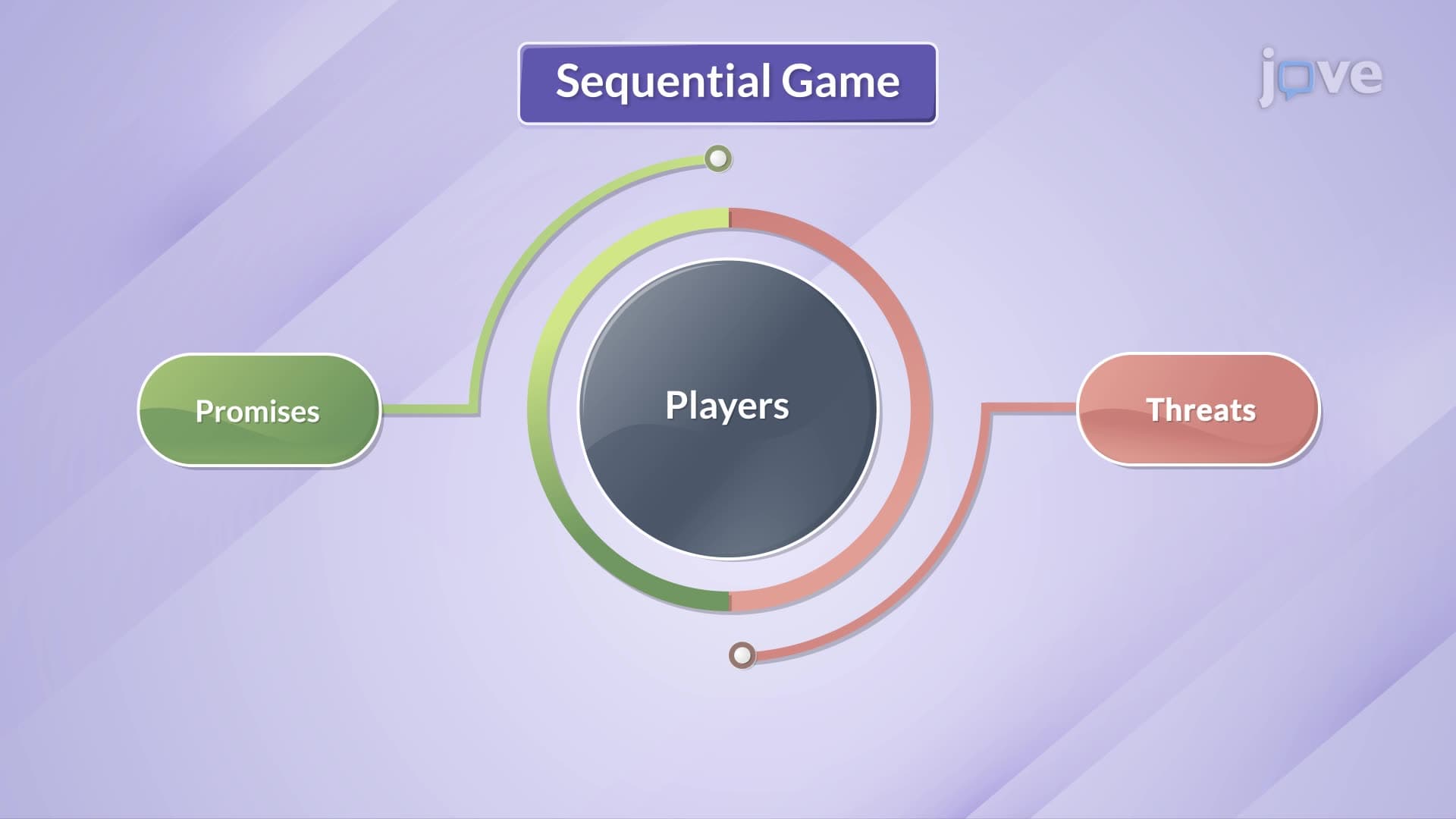
The backward induction process systematically analyzes decision trees by starting at terminal nodes and working backward to initial decisions. This methodology ensures that every player's strategy accounts for the optimal responses of subsequent players, creating what economists call "credible threats" and "rational expectations."
The Step-by-Step Backward Induction Process
The sequential game backward induction definition explained involves four critical steps. First, identify all decision nodes and possible actions at each stage. Second, determine payoffs for every possible outcome combination. Third, analyze the final decision node to identify the optimal choice for the last-moving player. Fourth, work backward through earlier nodes, incorporating the known optimal responses of future players.
Consider how this applies to US airline pricing strategies. When Delta announces a route expansion, American Airlines must decide whether to match prices or maintain premium positioning. Delta's initial decision factors in American's likely response, while American's choice depends on Delta's commitment level. This creates a sequential game where backward induction reveals the equilibrium outcome.
Real-World Applications in Business Strategy
Sequential game backward induction proves invaluable across numerous US industries. In pharmaceutical development, when Pfizer decides whether to invest in a new drug category, they must anticipate Johnson & Johnson's response strategies. Technology companies like Microsoft and Google use similar analysis when entering new markets, knowing that first-mover advantages can be offset by strategic follower responses.
The concept frequently appears in AP Economics exams and college microeconomics courses, particularly in questions involving oligopoly behavior and strategic entry decisions. Students studying for business school admission tests like the GMAT also encounter these scenarios in analytical reasoning sections.
Perfect Nash Equilibrium and Strategic Credibility
The sequential game backward induction concept explained reveals why perfect Nash equilibria differ from standard Nash equilibria. Perfect equilibria eliminate non-credible threats by requiring strategies to be optimal at every decision point, not just initially. This refinement explains why companies sometimes appear to make "irrational" choices that actually represent optimal responses to anticipated competitor behavior.
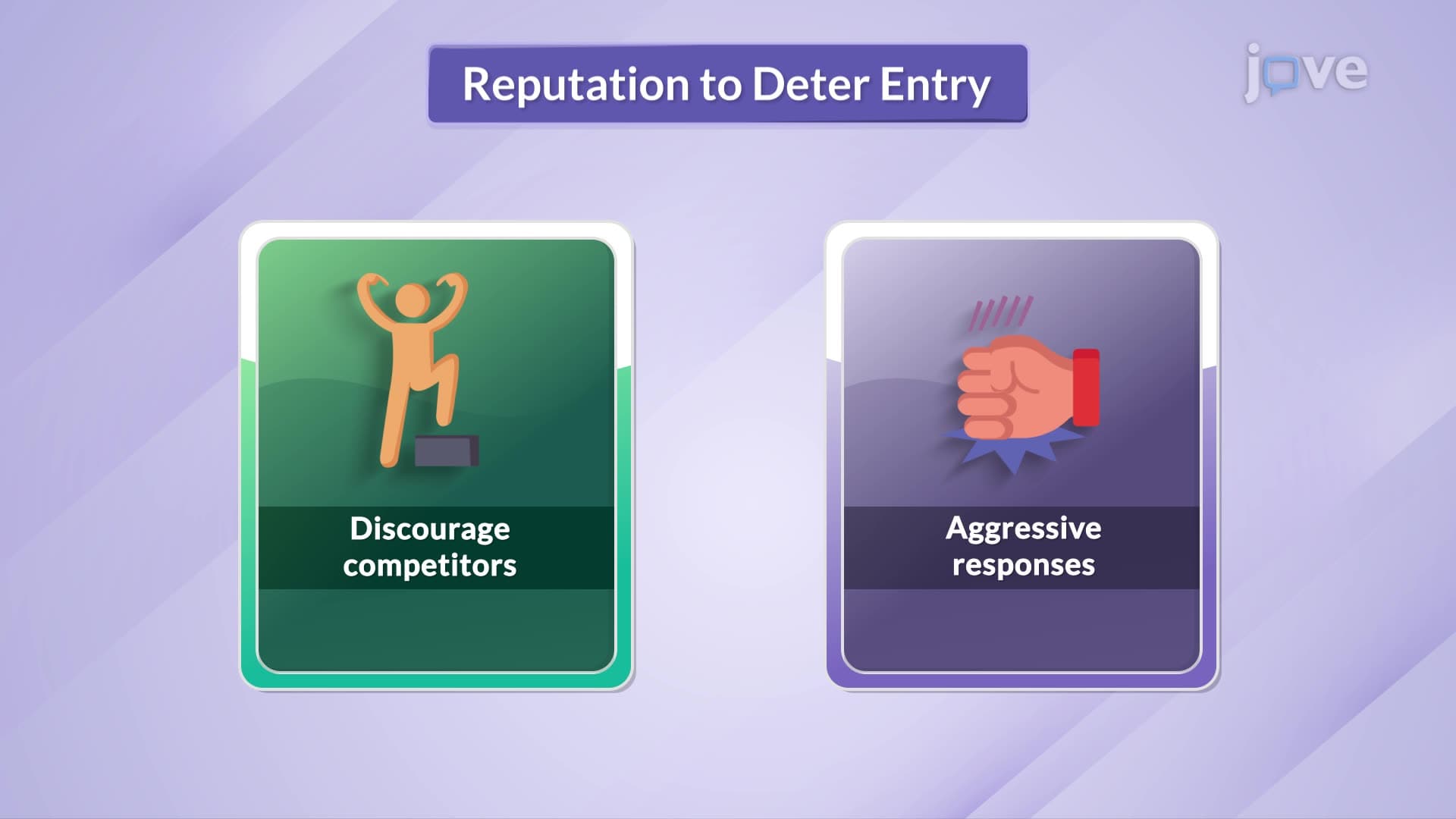
Understanding this distinction helps explain phenomena like predatory pricing in retail markets, where established firms like Walmart might temporarily reduce prices to deter new entrants, even though cooperation would yield higher immediate profits.
Frequently Asked Questions
Sequential game backward induction is a solution method for analyzing games where players move in a specific order, solved by working backward from final decisions to determine optimal strategies. It identifies what rational players should do at each stage by considering all subsequent responses. This technique helps predict outcomes in business competition, political negotiations, and other strategic interactions where timing matters.
AP Microeconomics exams frequently test backward induction through oligopoly scenarios, market entry problems, and pricing strategy questions. College microeconomics courses include these concepts in game theory units, often worth 10-15% of course grades. Students typically encounter decision tree analysis problems requiring step-by-step backward reasoning to identify subgame perfect equilibria.
Sequential games involve ordered moves where later players observe earlier actions, while simultaneous games have all players choosing simultaneously without information about others' decisions. Sequential games require backward induction analysis, whereas simultaneous games use standard Nash equilibrium concepts. This distinction frequently appears in SAT Subject Test Math Level 2 logic problems.
When Amazon enters a new retail category, existing competitors like Target must decide whether to compete aggressively or cede market share. Amazon's entry decision factors in Target's likely response, while Target's strategy depends on Amazon's commitment level and pricing plans. Backward induction reveals that Amazon often enters knowing competitors will accommodate rather than engage in costly price wars.
No advanced mathematics is required - the concept relies primarily on logical reasoning and basic arithmetic for payoff calculations. High school algebra skills suffice for most applications. The key challenge involves systematic thinking rather than computational complexity, making this concept accessible to students in grades 9-12 with proper instruction and practice.
Practice drawing decision trees and working through examples step-by-step, always starting from the final decision node. Create flashcards for key terms like "subgame perfect equilibrium" and "credible threats." Focus on real business scenarios rather than abstract examples, and time yourself solving problems to build exam confidence.
Sequential game backward induction identifies "subgame perfect" Nash equilibria, which represent a refinement of standard Nash equilibrium that eliminates non-credible threats. Every subgame perfect equilibrium is a Nash equilibrium, but not every Nash equilibrium survives backward induction analysis. This relationship explains why some theoretically stable outcomes never occur in practice.
Progress to repeated games, incomplete information scenarios, and mechanism design theory. These concepts build on backward induction foundations while adding complexity through multiple periods, uncertainty, and strategic information revelation. Many students find these topics in advanced microeconomics courses and MBA-level strategy classes.
Related Micro-courses