Loading subject page…

- Microeconomics
- Oligopoly
- Oligopoly and its Unfair Practices
Micro-course: Oligopoly
3,603 views
Learn key concepts and earn your certificate.












Oligopoly and its Unfair Practices


00:00
01:25
Video Summary: Oligopoly and Its Unfair Practices Explained
Ever wonder why gas prices seem suspiciously similar across different stations? Oligopoly unfair practices shape many markets where just a few powerful companies control entire industries. From tech giants bundling software to airlines mysteriously offering identical routes and pricing, Oligopoly And Its Unfair Practices Explained reveals how dominant firms use collusion, price-fixing, and predatory pricing to limit competition. Consider how Microsoft once tied Internet Explorer to Windows, forcing consumers into package deals. Watch the full video on JoVE Coach to master this concept with expert-led visuals and step-by-step explanations.
- Understand the fundamental characteristics of Oligopoly And Its Unfair Practices Explained and how market concentration enables anti-competitive behavior
- Identify five major unfair practices: collusion, price-fixing, market division, predatory pricing, and product tying in real market scenarios
- Analyze how secret cooperation among competing firms manipulates market conditions and consumer choices through specific case studies
- Compare legitimate competitive strategies versus illegal anti-competitive practices that violate US antitrust laws
- Evaluate the economic impact of oligopolistic behavior on consumer welfare, innovation, and market efficiency
- Apply knowledge of unfair practices to recognize potential violations in contemporary business environments
- Recognize regulatory responses and legal consequences for companies engaging in anti-competitive behavior
- Explore the role of government agencies like the Federal Trade Commission in monitoring and preventing market manipulation
Understanding Oligopoly And Its Unfair Practices Explained
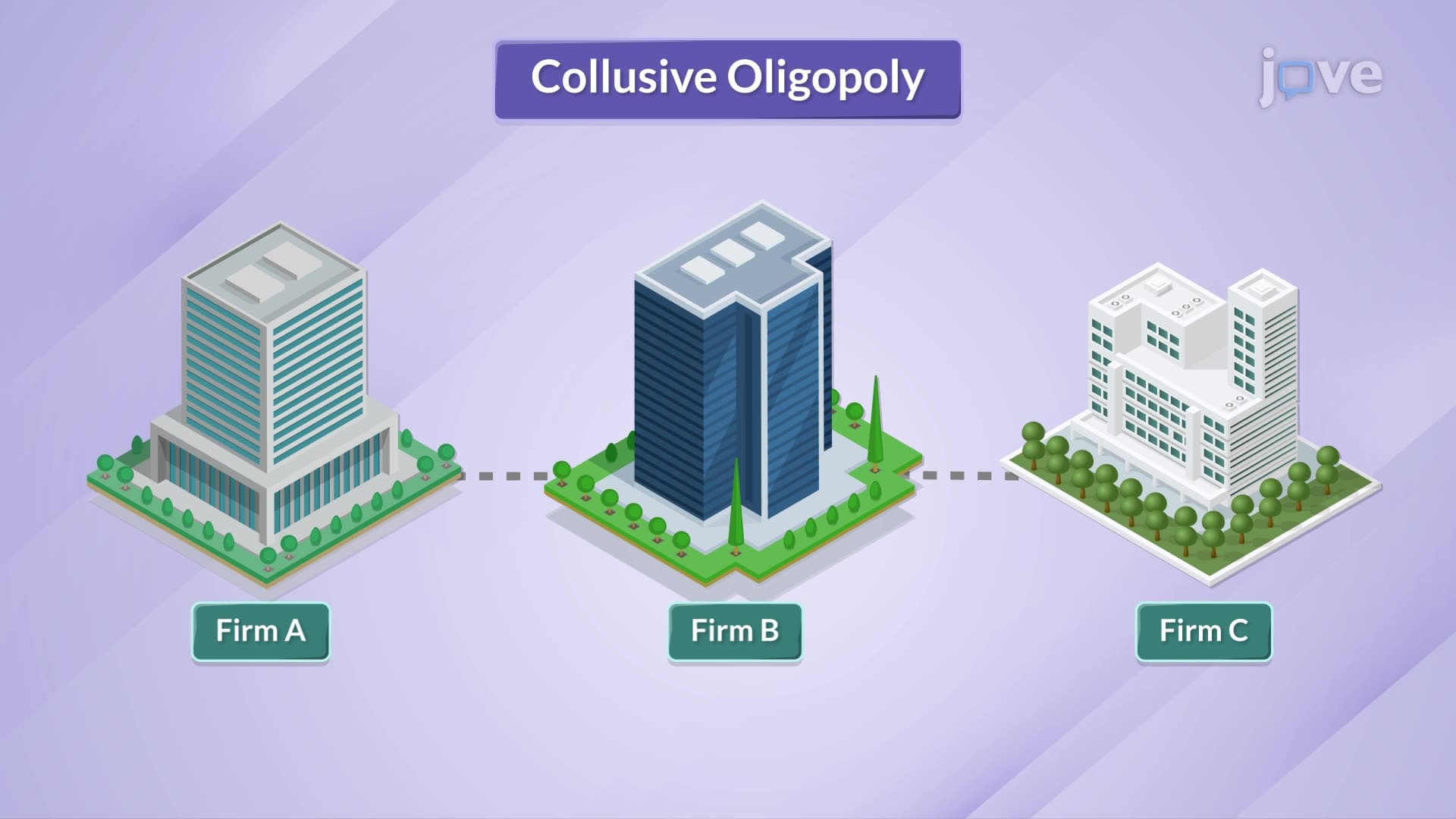
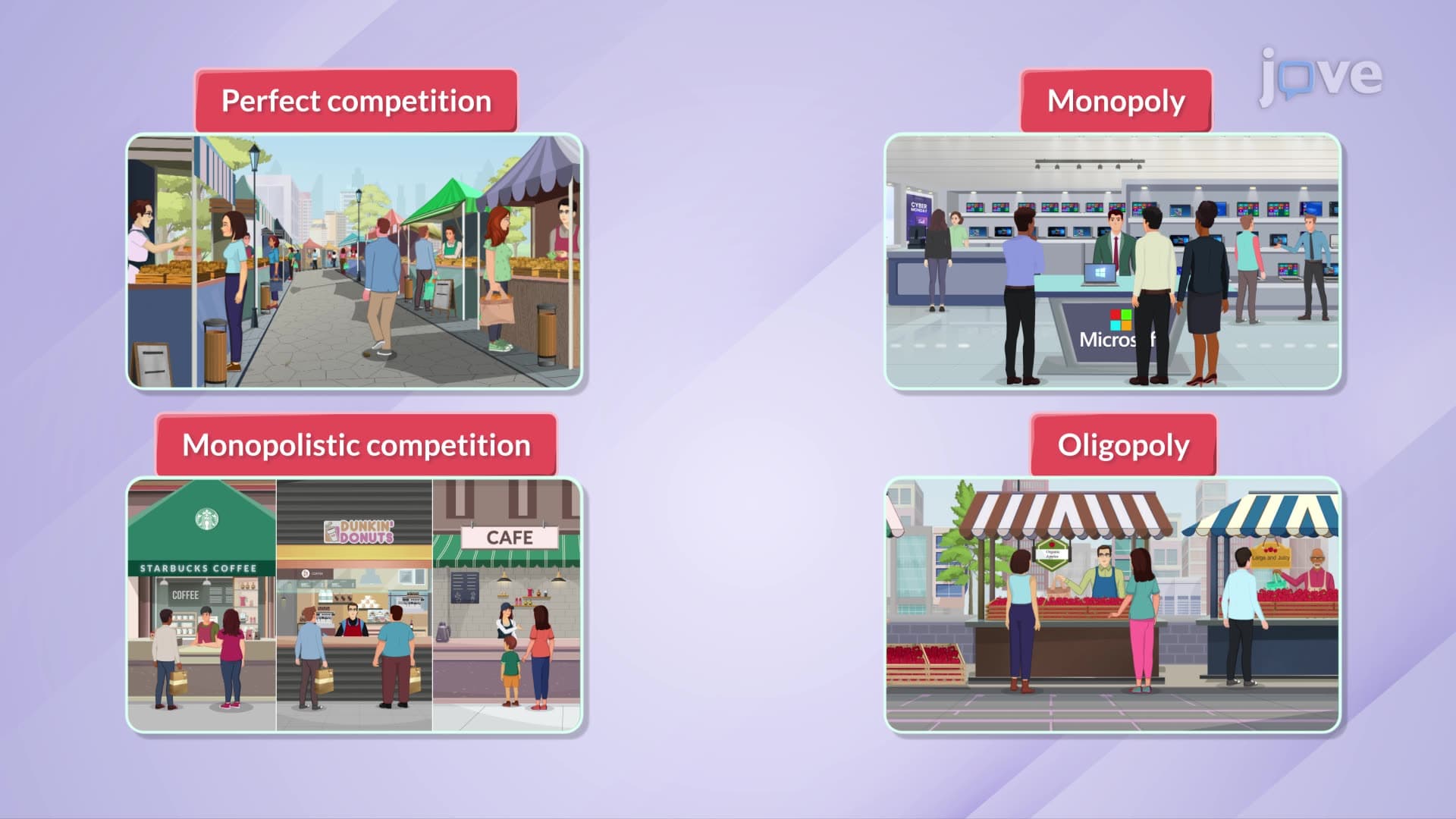
An oligopoly represents a market structure where a small number of large firms dominate an entire industry, creating conditions ripe for anti-competitive behavior. Unlike perfect competition, where numerous small firms compete freely, oligopolies concentrate market power among just a few players-typically 3-8 major companies. This concentration enables coordinated actions that harm consumers and stifle innovation.
Collusion and Price-Fixing: The Foundation of Market Manipulation
Collusion occurs when competing firms secretly coordinate their business strategies, effectively eliminating genuine competition. The most common form involves price-fixing, where companies agree to charge identical or similar prices rather than compete naturally. The LCD panel conspiracy of the 2000s exemplifies this practice, where major manufacturers including Sharp, LG Display, and Samsung coordinated pricing across the global market, costing consumers billions in inflated prices.
US antitrust law, particularly the Sherman Act of 1890, explicitly prohibits such agreements. Students preparing for AP Economics or college microeconomics courses should understand that even informal price coordination-without written agreements-constitutes illegal collusion under federal law.
Market Division and Territorial Agreements
Market division involves competitors agreeing to split territories or customer segments, eliminating competition in specific regions. The airline industry has faced scrutiny for route coordination, where major carriers allegedly coordinate flight schedules and pricing on overlapping routes. This practice reduces consumer choice and maintains artificially high prices in affected markets.
Predatory Pricing and Product Tying Strategies
Predatory pricing involves temporarily setting prices below cost to drive competitors out of business, then raising prices once market dominance is achieved. Uber faced allegations of this practice in various US cities, offering below-cost rides to eliminate traditional taxi services before implementing surge pricing.
Product tying forces consumers to purchase unwanted products alongside desired ones. Microsoft's bundling of Internet Explorer with Windows operating systems created antitrust violations that led to major federal litigation in the 1990s, fundamentally changing how technology companies can package their products.
These concepts frequently appear on standardized tests, college midterms, and professional certification exams, requiring students to distinguish between legitimate competitive strategies and illegal anti-competitive practices.
Frequently Asked Questions
Oligopoly unfair practices occur when a few large companies dominate a market and use illegal tactics like price-fixing or collusion to eliminate competition. These practices harm consumers by creating artificially high prices, limited choices, and reduced innovation. Common examples include secret price agreements, dividing up territories, or bundling products together.
AP Microeconomics frequently tests oligopoly market structures through multiple-choice questions about collusion, game theory, and antitrust policy. Students must identify characteristics of oligopolies, analyze price leadership models, and explain government regulation responses. Practice with kinked demand curve graphs and prisoner's dilemma scenarios for comprehensive exam preparation.
College exams often require analyzing real-world cases of price-fixing, predatory pricing, or market division through economic models and legal frameworks. Students may need to calculate deadweight loss from monopolistic behavior, evaluate antitrust policy effectiveness, or compare oligopoly outcomes to perfect competition. Case study analysis of companies like Microsoft, airlines, or telecommunications firms frequently appears.
Major US examples include the 1990s Microsoft antitrust case for bundling Internet Explorer, airline price coordination on overlapping routes, pharmaceutical companies' price-fixing conspiracies, and telecommunications firms dividing territories. The Department of Justice regularly prosecutes executives for bid-rigging in construction, price-fixing in food products, and market allocation agreements across various industries.
These concepts are completely accessible to high school students with basic economics knowledge. Start with simple examples like gas stations having similar prices, then progress to understanding why this happens through collusion and market power. Visual aids, real-world examples, and step-by-step case studies make complex economic theory digestible for teenagers.
Create flashcards for key terms like collusion, price-fixing, and predatory pricing with real examples for each. Practice identifying unfair practices in news articles about business behavior. Draw diagrams showing how oligopolies differ from competitive markets, and memorize major US antitrust laws and enforcement agencies for comprehensive exam readiness.
Explore monopoly market structures, antitrust policy implementation, game theory applications in economics, and regulatory economics. Study landmark antitrust cases, Federal Trade Commission enforcement mechanisms, and international competition policy differences. These topics provide deeper context for understanding market power and government intervention in modern economies.
Related Micro-courses