Loading subject page…


2,933 views


Video Summary: Keep and Encourage Good Performers
Retaining top performers becomes critical when your best talent shows declining engagement and considers leaving for better opportunities. Many managers struggle with keeping high-achievers motivated once initial excitement wears off and work becomes routine. This comprehensive manager playbook demonstrates proven employee retention strategies that address both motivation drivers and common workplace demotivators. You'll learn how to identify early warning signs, implement targeted interventions, and create sustainable systems that keep your strongest contributors engaged long-term. Watch the full video on JoVE Coach to master this concept with expert-led visuals and step-by-step explanations.
Picture this scenario: Your highest-performing team member, who once volunteered for every project and consistently exceeded targets, now delivers adequate work with minimal enthusiasm. They arrive exactly on time, leave promptly, and their innovative suggestions have disappeared. This isn't just a temporary slump-it's a retention crisis waiting to happen. When top performers disengage, the ripple effects impact team morale, project quality, and ultimately your leadership credibility.
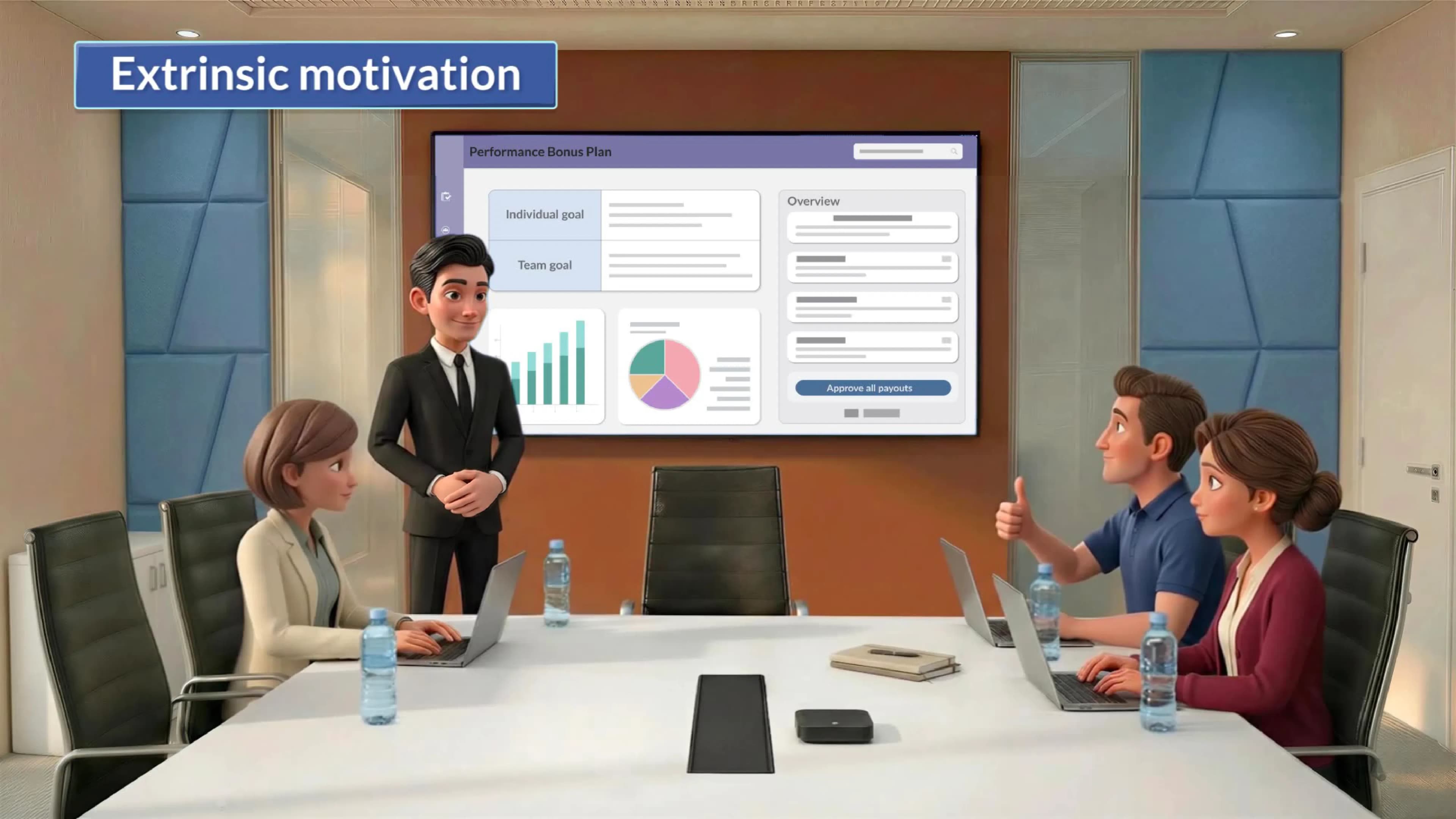
The fundamental mistake managers make is treating all employees identically. Standard motivational approaches-team lunches, generic praise, or small salary bumps-rarely resonate with top performers who are driven by different factors: autonomy, mastery, and purpose. These individuals typically seek intellectual challenge, visible impact, and clear advancement pathways. When their work becomes routine or their contributions feel undervalued, they start evaluating external opportunities where their talents might be better utilized and recognized.
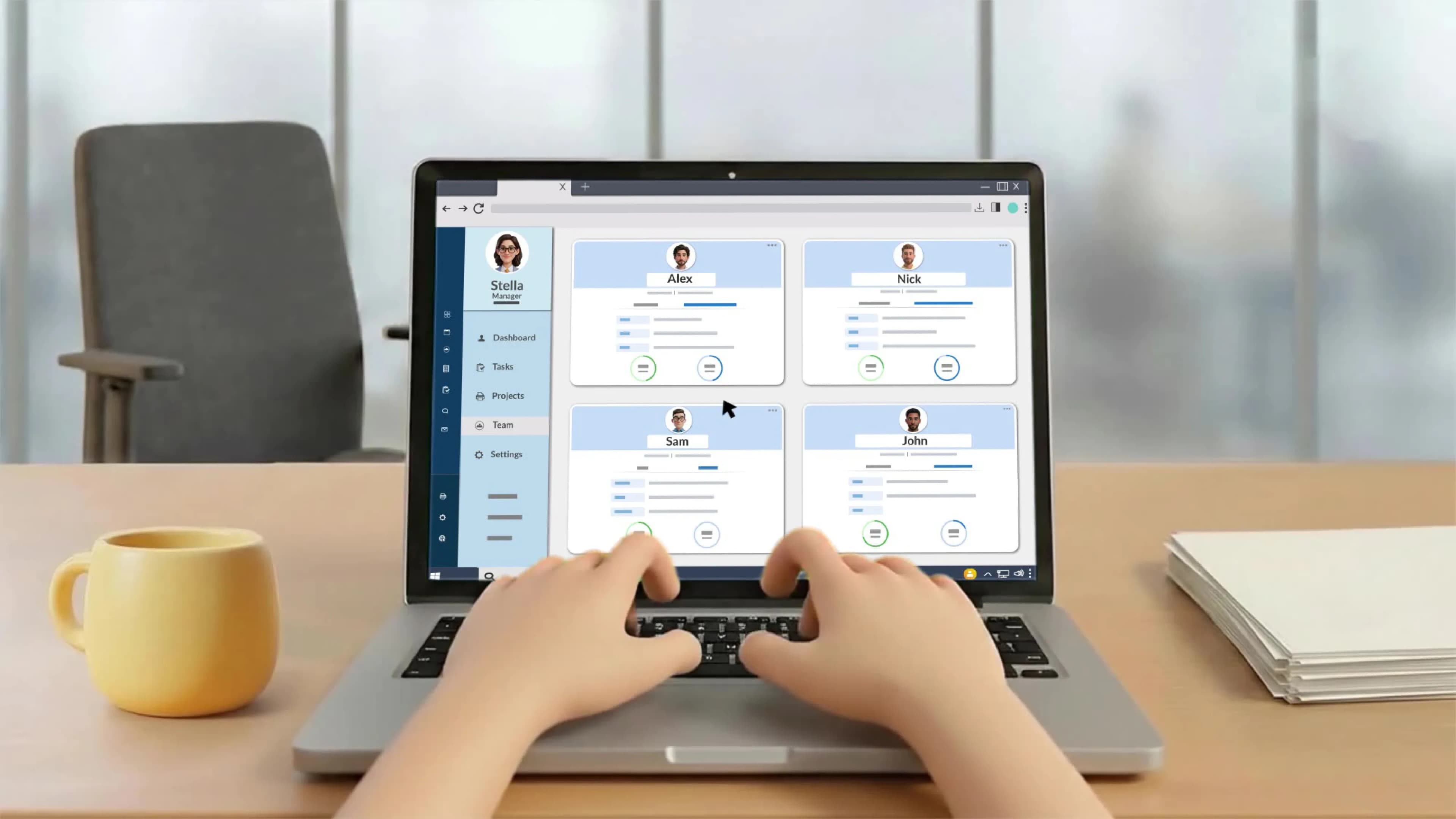
Effective retaining top performers requires a systematic approach combining the 70-20-10 development model with personalized recognition strategies. Start by analyzing performance data to identify each individual's peak contribution periods and corresponding project types. Use this intelligence to design role assignments that leverage their proven strengths while introducing new challenges. Implement the SBI (Situation-Behavior-Impact) framework for recognition, ensuring feedback connects specific actions to measurable business outcomes rather than offering vague appreciation.
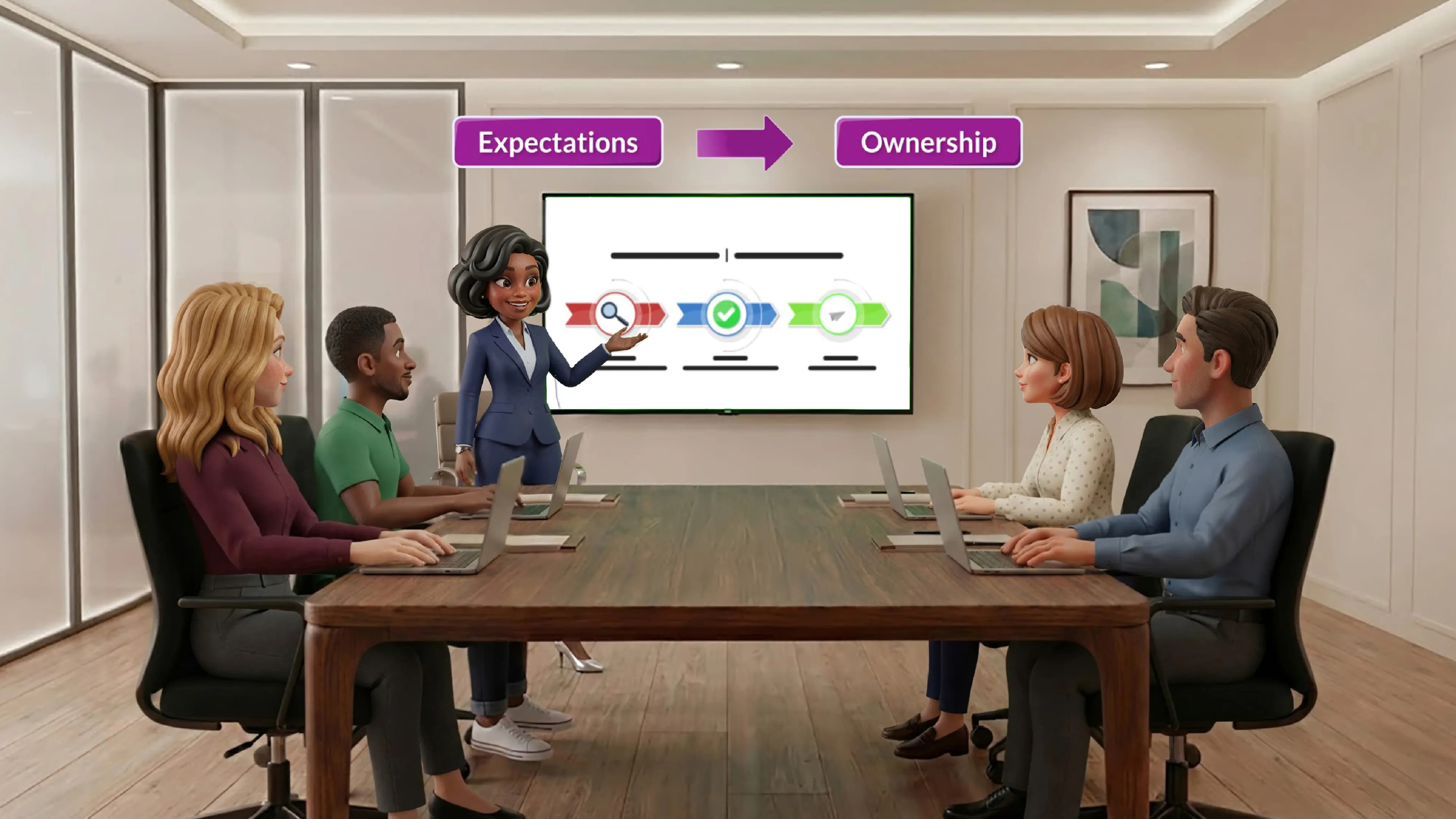
Create individualized development plans using SMART goal frameworks that balance stretch assignments with achievable milestones. Establish regular progress checkpoints-not micromanagement sessions, but strategic conversations about career trajectory and skill development. This approach demonstrates genuine investment in their professional growth while maintaining clear performance expectations.
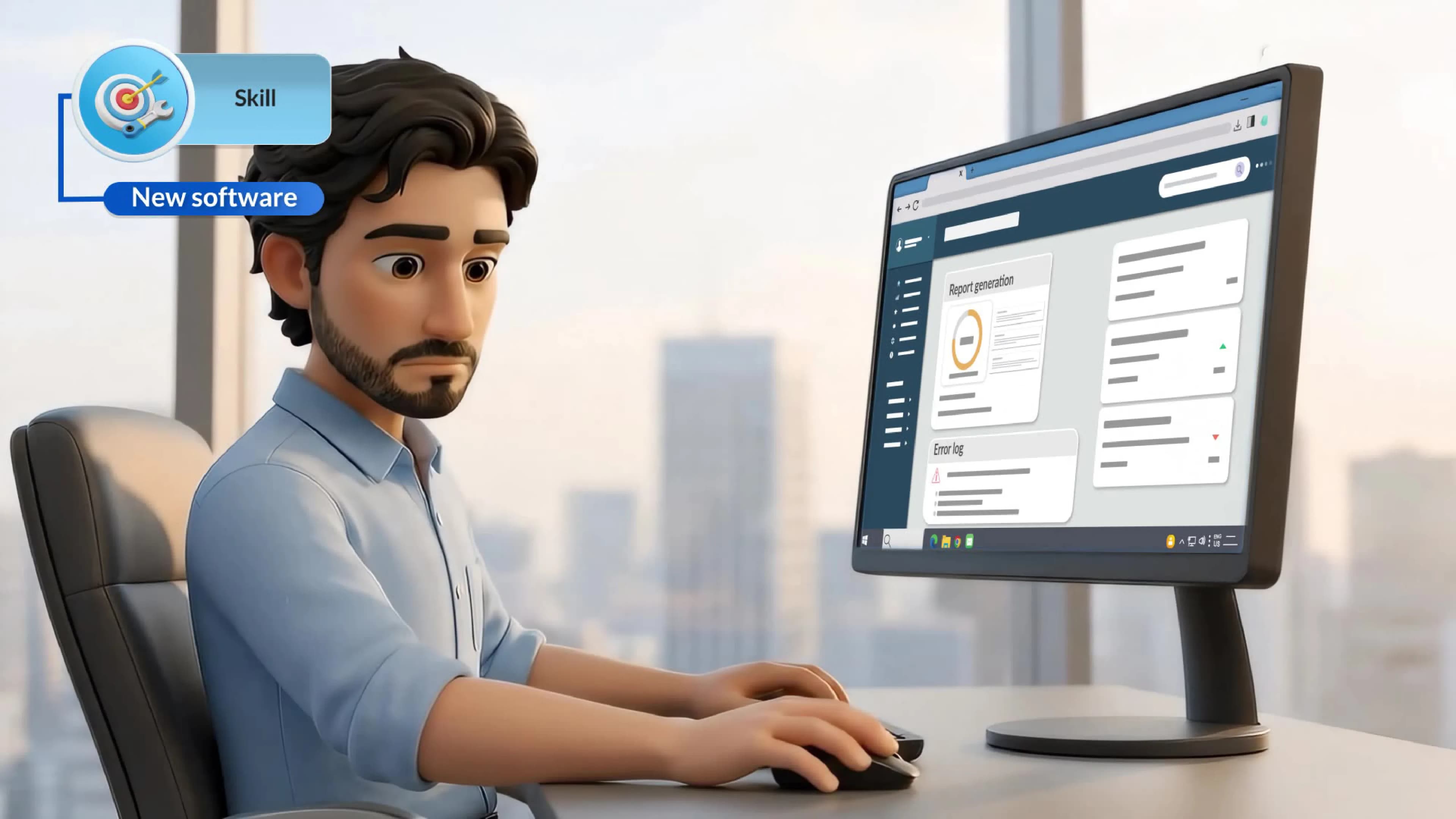
Beyond adding motivational elements, successful retention requires removing obstacles that drain top performer energy. Conduct task audits to identify repetitive, administrative work that could be automated or redistributed. High performers become frustrated when their capabilities are underutilized on routine activities that prevent them from making meaningful contributions.
Replace generic team praise with specific, results-oriented feedback that highlights individual impact on business objectives. Instead of saying "great job on the presentation," specify "your market analysis changed our approach and increased projected ROI by 15%." This recognition style reinforces the connection between their expertise and organizational success, fueling continued engagement and motivation.
Related Micro-courses