Loading subject page…

2,933 views


Video Summary: Promoting Continuous Improvement and Team Growth
Teams that deliver consistently often plateau because managers assume productivity equals growth. Implementing continuous improvement in teams requires identifying capability gaps before they become performance issues. Smart managers build systematic learning into daily operations rather than treating development as an annual afterthought. This approach transforms reactive teams into proactive ones that anticipate industry changes and skill requirements. Watch the full video on JoVE Coach to master this concept with expert-led visuals and step-by-step explanations.
Most managers face a common paradox: their teams perform well today but lack the evolving capabilities needed for tomorrow's challenges. You might recognize this scenario-your team consistently meets deadlines and quality standards, yet when new tools, methodologies, or client requirements emerge, adaptation feels painful and slow. This gap between current performance and future readiness signals the need for embedded continuous improvement.
The primary obstacle isn't lack of motivation-it's the absence of systematic learning integration. Teams default to reactive learning, scrambling to upskill only when problems arise. This creates a cycle where urgent work always trumps development time. Additionally, many managers treat learning as an individual responsibility rather than a team capability that requires intentional design and ongoing facilitation.
Effective team continuous learning follows the proven 70-20-10 model adapted for collective growth. Seventy percent occurs through challenging work assignments where team members stretch beyond current capabilities. Twenty percent happens through peer interaction-mentoring relationships, cross-training sessions, and collaborative problem-solving. The remaining ten percent involves formal learning through training sessions, workshops, and structured skill-building activities.
To implement this framework, start by mapping your team's capability gaps against upcoming challenges. Create stretch assignments that require new skills, establish mentoring pairs based on complementary strengths, and schedule regular formal learning sessions. The key is making all three components visible and measured within your team's operating rhythm.
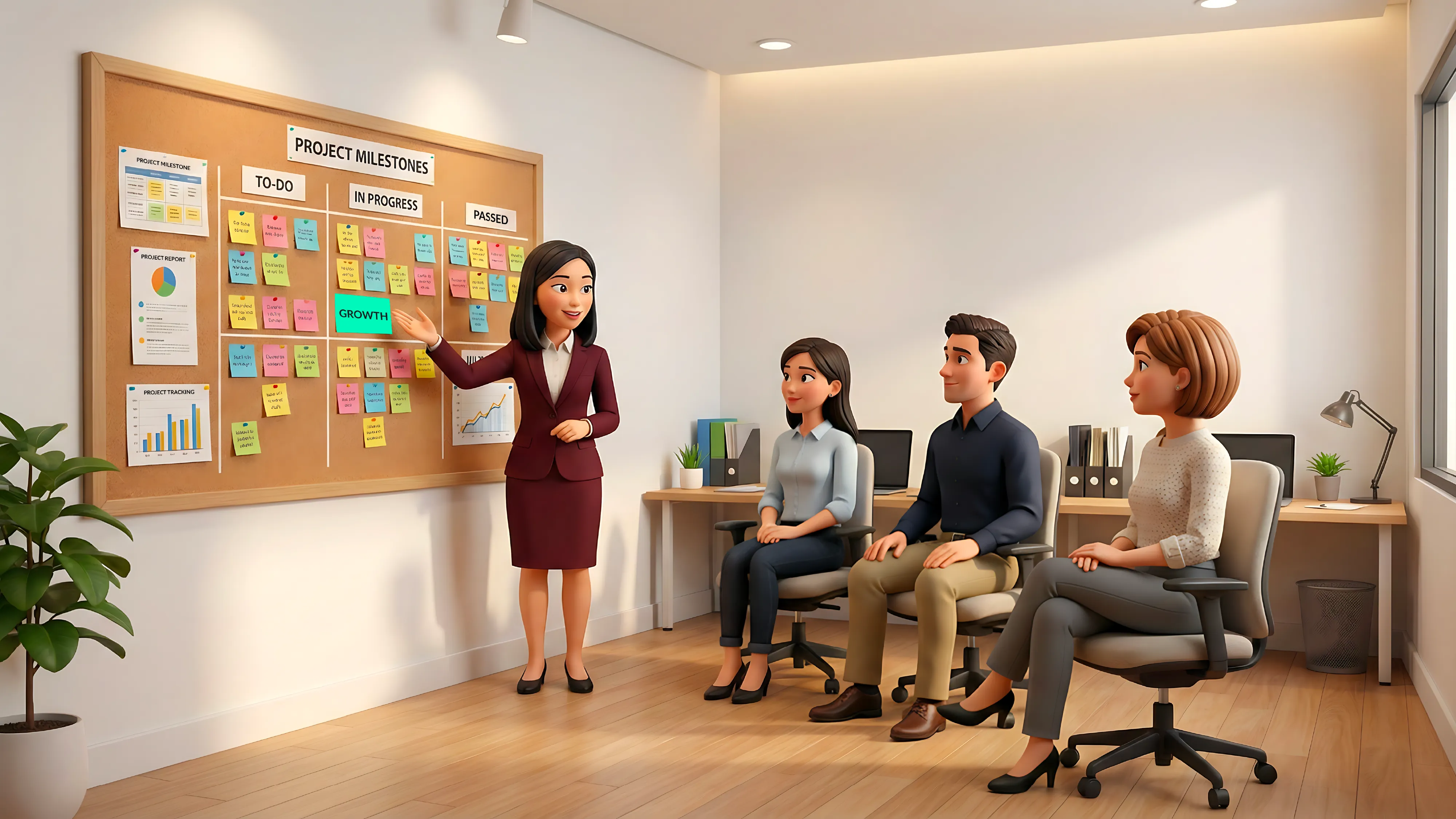
Transform learning from an add-on activity to core team infrastructure. Begin each project with a brief capability assessment-what skills will this require that we haven't fully developed? During project execution, capture lessons learned in real-time rather than waiting for post-mortems. End each sprint or milestone with a "learning harvest" where team members share discoveries and techniques.
Establish biweekly knowledge-sharing sessions where team members present new tools, processes, or insights they've discovered. Create a team learning backlog alongside your work backlog, prioritizing skill development that directly supports upcoming deliverables. Most importantly, model continuous learning yourself by sharing your own development goals and progress with the team.
Related Micro-courses