Loading subject page…

- New Manager Essentials
- How to Manage Team Performance and Feedback
- Running Productive Performance Reviews
Micro-course: How to Manage Team Performance and Feedback
2,932 views
Learn key concepts and earn your certificate.



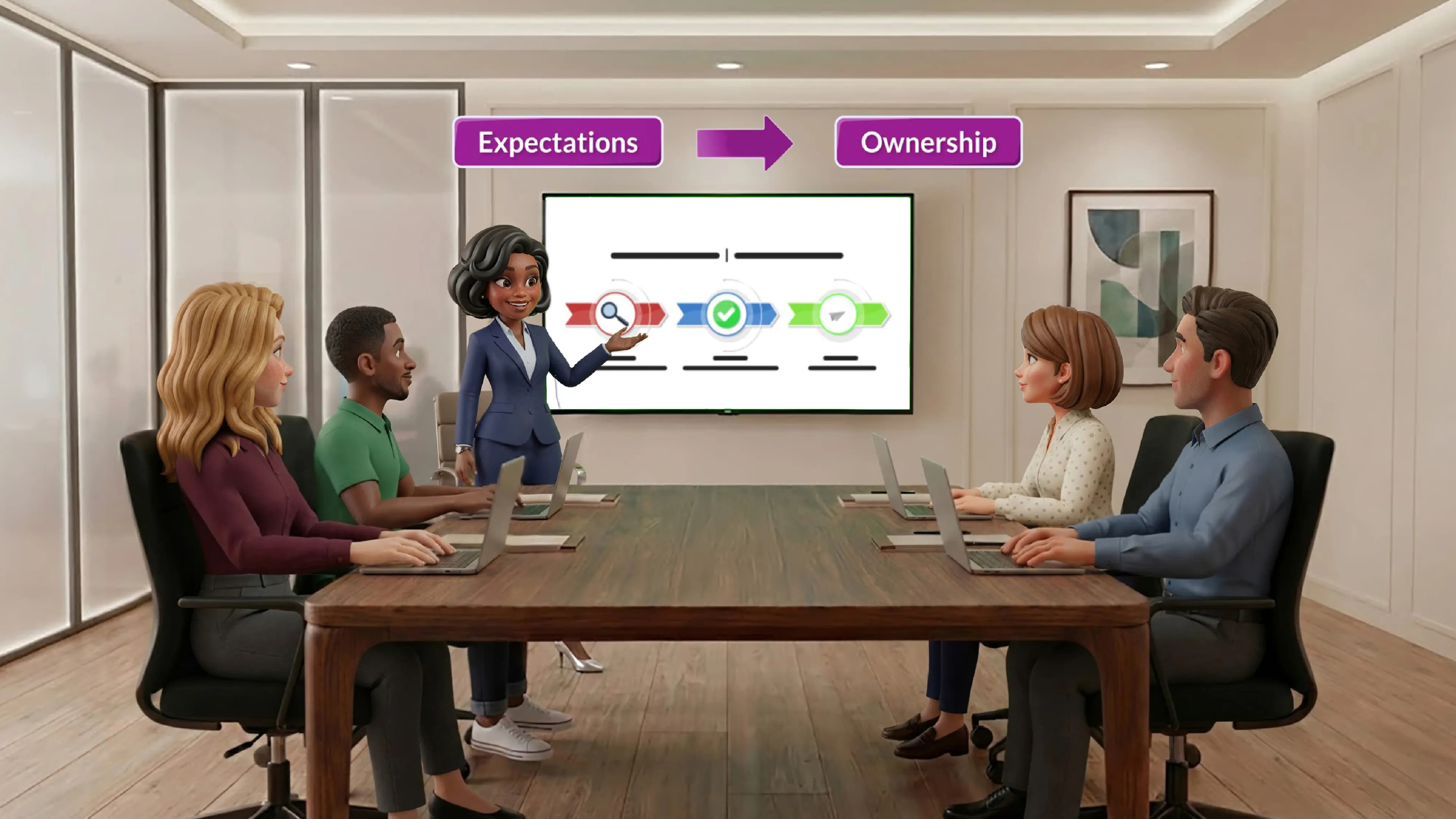





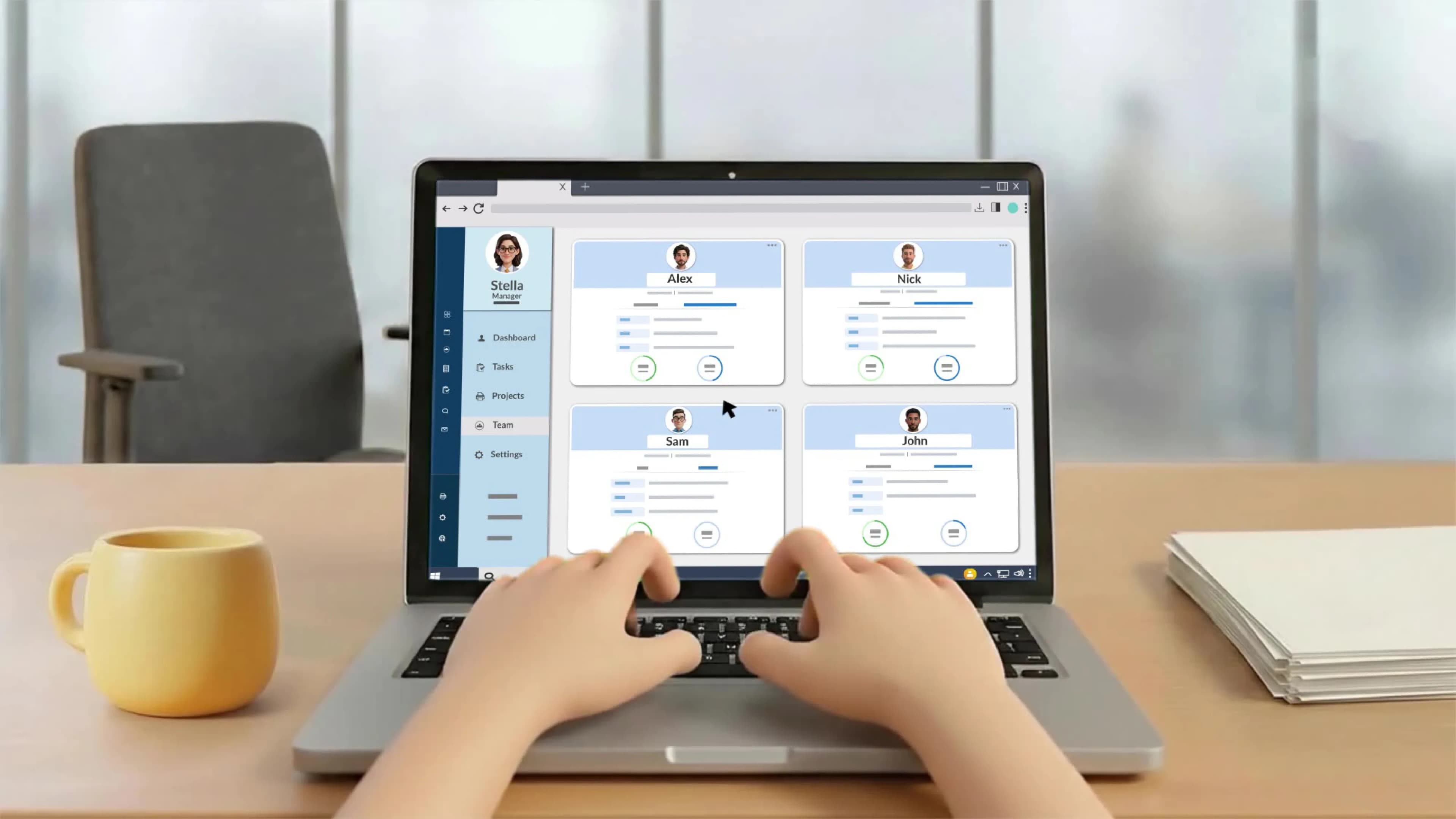


Running Productive Performance Reviews


00:00
01:26
Video Summary: Running Productive Performance Reviews
Many managers struggle with running productive performance reviews that actually improve team performance rather than checking a box. The challenge lies in moving beyond superficial conversations to create meaningful dialogue that drives real behavioral change. This framework demonstrates how to structure reviews using specific, observable examples and two-way discussion to build accountability and growth. Watch the full video on JoVE Coach to master this concept with expert-led visuals and step-by-step explanations.
- Structure effective performance reviews using measurable outcomes and specific project examples rather than vague impressions
- Conduct one on one performance meetings that balance recognition of achievements with clear development areas
- Build two-way discussion by encouraging direct reports to self-assess and share their perspective on performance gaps
- Navigate difficult performance conversations by focusing on observable behaviors and results instead of personality judgments
- Set clear expectations for future performance using concrete examples of what strong execution looks like
- Manage review preparation systematically by gathering specific evidence from recent work and comparing against previously established goals
- Facilitate honest reflection that leads to actionable next steps rather than defensiveness or confusion
- Handle performance gaps constructively by addressing skill deficiencies while maintaining employee engagement and motivation
How to Run Performance Reviews That Drive Real Results
Most managers dread performance reviews because they've experienced them as awkward, one-sided conversations that accomplish little beyond fulfilling HR requirements. The difference between a checkbox exercise and a performance catalyst lies in your preparation, structure, and ability to facilitate genuine dialogue about results and growth.
Why Most Performance Reviews Fall Flat
The typical review focuses on personality traits ("you're not detail-oriented") rather than specific behaviors and outcomes. This approach creates defensiveness and provides no actionable path forward. Managers often wing these conversations, relying on general impressions rather than documented evidence, which leads to vague feedback that employees can't act upon. Without a clear performance review structure, these discussions become uncomfortable for both parties and fail to drive meaningful change.
The Observable Evidence Framework
Effective performance reviews start with concrete preparation. Gather specific examples from the review period, focusing on measurable outcomes rather than subjective interpretations. Instead of saying "communication needs improvement," reference the exact impact: "Client emails went unanswered for 48+ hours on three occasions in Q2, which delayed project decisions." This approach follows the SBI model (Situation-Behavior-Impact), providing clear context for development discussions.
Document both achievements and gaps using the same evidence-based approach. When you note that "error rates in weekly reports dropped from 12% to 3% over six weeks," you're creating a foundation for productive dialogue about what specific actions drove that improvement.
Facilitating Two-Way Performance Dialogue
Transform one on one performance meetings from monologues into collaborative discussions by asking your direct report to assess their own performance first. Questions like "How do you evaluate your progress on the customer retention project?" reveal self-awareness gaps and create natural entry points for your feedback. This approach builds psychological safety and increases receptiveness to developmental feedback.
Balance recognition with growth opportunities by addressing what's working well alongside performance gaps. Use the "SBI + Future" structure: describe the situation and behavior, explain the impact, then collaborate on specific next steps for improvement.
Creating Accountability Through Clear Next Steps
End each review with concrete development goals using the SMART framework (Specific, Measurable, Achievable, Relevant, Time-bound). Instead of "improve presentation skills," establish "deliver monthly team updates using structured agenda and visual aids, with feedback collected from three colleagues by quarter-end." This specificity transforms performance reviews from evaluation exercises into performance management tools that drive continuous improvement and career development.
Frequently Asked Questions
It means conducting structured conversations that use specific evidence to drive behavioral change and career growth. You're facilitating two-way dialogue about measurable results rather than delivering top-down judgments. The focus shifts from evaluation to development, creating accountability through clear next steps and collaborative goal-setting.
Start with a simple evidence-gathering system throughout the quarter-keep brief notes on significant wins, missed deadlines, and development moments as they happen. Review their key deliverables and compare actual outcomes to initial expectations. This ongoing documentation makes review preparation efficient while ensuring you have concrete examples rather than relying on recent memory.
Focus the conversation on specific, observable examples rather than defending your interpretation. Ask them to walk through their perspective on the situation and listen for gaps in understanding or context you might have missed. Use phrases like "Help me understand your view on the client presentation outcome" to encourage dialogue while maintaining focus on measurable results.
Lead with recognition of their contributions before addressing development areas. Use the SBI framework to present feedback as observable facts rather than personal critiques. Create psychological safety by asking for their input first: "How do you think the project launch went?" This approach reduces defensiveness and creates space for honest self-reflection.
Document specific examples where additional initiative could have improved outcomes, then discuss growth opportunities collaboratively. Frame it as career development: "You're solid on core deliverables. Let's identify 2-3 areas where taking more ownership could showcase your leadership potential." Focus on the impact of proactive behavior rather than criticizing their current approach.
No-these skills are learnable with the right structure and preparation. Focus on gathering specific evidence, asking good questions, and facilitating dialogue rather than trying to be the expert on everything. Your role is to guide the conversation and create accountability, not to have all the answers about their career development.
Well-run reviews demonstrate your commitment to team development and your ability to have difficult conversations professionally. They build trust by showing you pay attention to individual contributions and invest in growth opportunities. This skill directly impacts team retention, engagement, and your reputation as a manager who develops people.
Focus on ongoing feedback and coaching conversations throughout the quarter, rather than saving all feedback for formal reviews. Develop your ability to give real-time developmental feedback that prevents performance issues from becoming review surprises and accelerates team growth.
Related Micro-courses


5 Concepts
8 Concepts