Loading subject page…

- New Manager Essentials
- How to Manage Team Performance and Feedback
- Tracking and Measuring Team Development
Micro-course: How to Manage Team Performance and Feedback
2,908 views
Learn key concepts and earn your certificate.



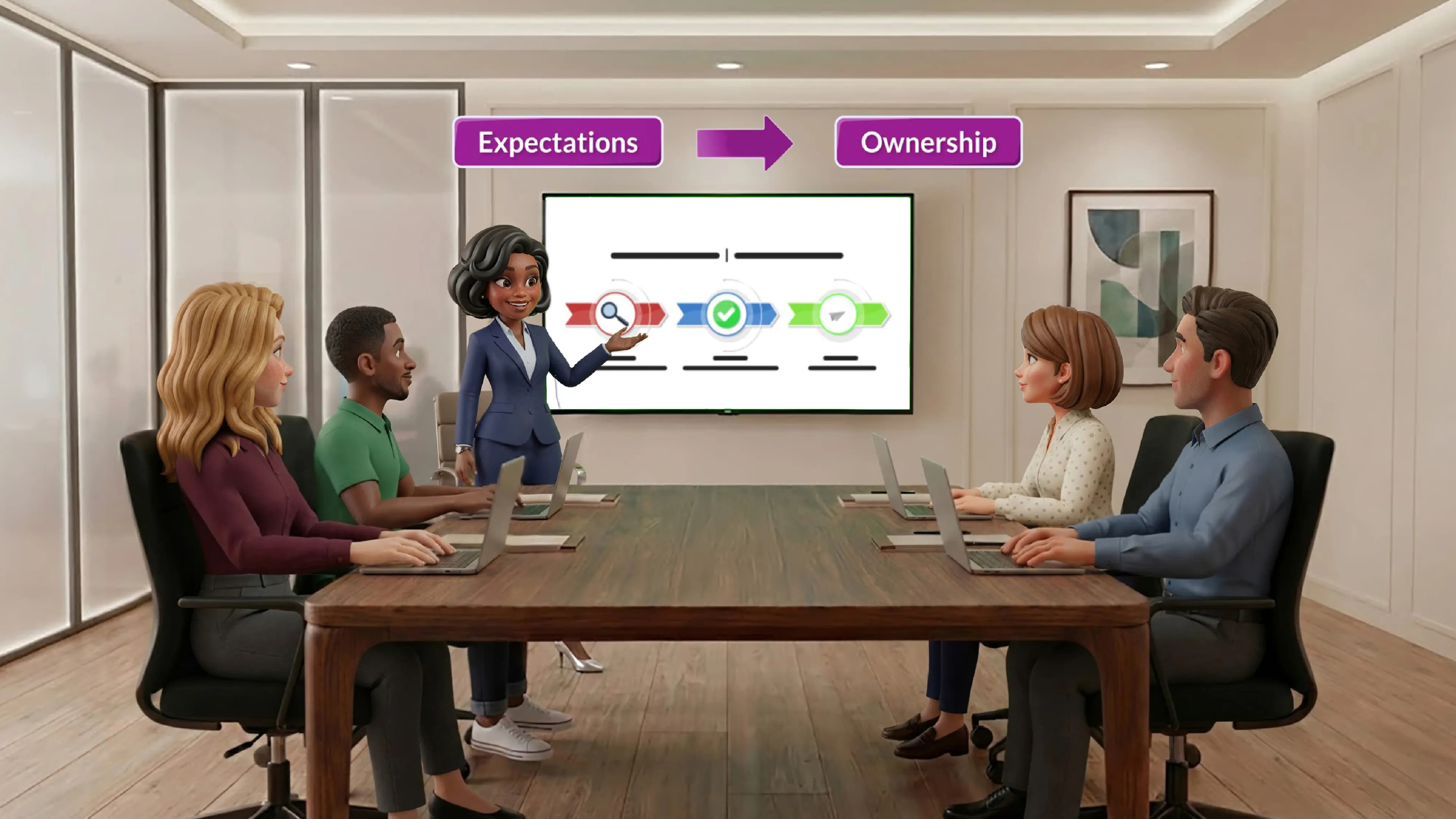








Tracking and Measuring Team Development


00:00
01:16
Video Summary: Tracking and Measuring Team Development
Many managers struggle with tracking team development progress, relying on gut feelings rather than systematic measurement to guide their leadership decisions. This creates missed opportunities for targeted coaching and unclear delegation boundaries. How Managers Track and Measure Team Skill Development provides a practical framework for measuring team growth through specific metrics like task independence, deadline performance, and rework rates. Using performance dashboards and regular check-ins, managers can identify skill gaps, provide focused support, and delegate with confidence. Watch the full video on JoVE Coach to master this concept with expert-led visuals and step-by-step explanations.
- Build systematic team development metrics around independence, quality, and timeliness that directly impact business outcomes
- Set clear performance baselines by comparing current team capabilities against historical data and established benchmarks
- Structure monthly check-ins focused on skill progression rather than just project updates or administrative tasks
- Delegate responsibilities strategically using objective data about individual and team readiness levels
- Recognize improvement patterns through trend analysis that motivates continued growth and addresses emerging gaps
- Navigate difficult conversations about performance gaps using concrete metrics rather than subjective observations
- Lead development planning sessions that align individual growth trajectories with team and organizational needs
- Facilitate targeted coaching interventions based on specific skill deficiencies identified through consistent measurement
How Managers Track and Measure Team Skill Development
Picture this: Your team member consistently delivers projects late, but you're unsure whether it's a time management issue, workload problem, or skill gap. Without systematic tracking, you're managing in the dark, making decisions based on recent memory rather than comprehensive data.
Why Most Managers Struggle With Development Measurement
The challenge lies in quantifying soft skills and behavioral changes that seem subjective. Many managers default to annual performance reviews or informal observations, missing crucial development opportunities. Traditional approaches often focus on outcomes rather than skill progression, making it difficult to identify the root causes of performance issues or recognize gradual improvements.
Effective development tracking requires moving beyond "good job" feedback to measurable indicators that reveal skill gaps and growth patterns over time.
A Framework That Works: The Three-Pillar Assessment Model
The most successful managers focus on three core performance dimensions: independence (frequency of intervention required), quality (rework and correction rates), and reliability (deadline adherence and consistency). This framework, similar to the Kirkpatrick Model's behavior-change measurement, provides concrete data points that correlate with overall team effectiveness.
Start by establishing baseline measurements for each team member across these dimensions. Track intervention frequency through your calendar-how often do you need to step in to course-correct or provide guidance? Monitor quality through revision rounds, client feedback, or internal review cycles. Measure reliability through deadline performance and consistency of output standards.
Building Your Development Dashboard
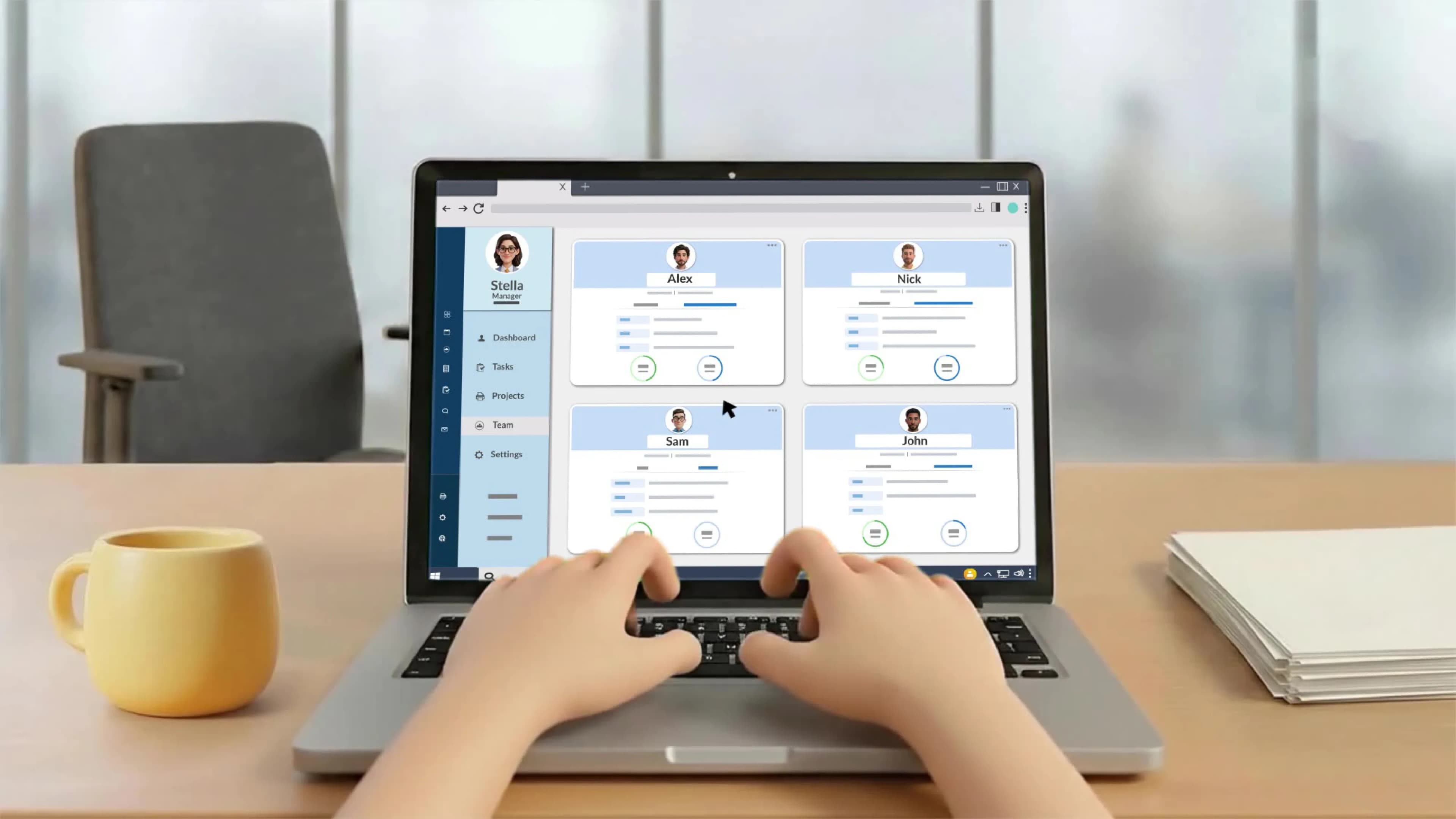
Create visual representations of progress using simple tools that show trends rather than isolated data points. Effective dashboards combine quantitative metrics (percentage of tasks completed independently, on-time delivery rates) with qualitative indicators (complexity of delegated work, stakeholder feedback themes).
Update these dashboards monthly, not weekly-development occurs over longer time horizons. During regular check-ins, use this data to drive conversations about growth areas, celebrate progress, and identify where additional support or stretch assignments might accelerate development.
Turning Measurement into Action
The real value emerges when you connect measurement to development decisions. Use trending data to inform delegation choices-someone showing consistent improvement in independence might be ready for project leadership. Declining performance indicators signal the need for targeted coaching or workload adjustment.
This systematic approach transforms development from intuition-based to evidence-based management, creating clear pathways for growth while building trust through transparent, objective assessment.
Frequently Asked Questions
It means systematically measuring how your team members' capabilities evolve over time through specific metrics like task independence, quality consistency, and deadline performance. Rather than relying on gut feelings, you use concrete data to make coaching, delegation, and development decisions that accelerate both individual growth and team performance.
Focus on growth-oriented metrics rather than punitive measurements. Share the data transparently with team members, explaining how you use it to identify development opportunities and delegate more challenging work. Frame metrics as tools for their career advancement, not performance monitoring, and involve them in defining what success looks like.
Dedicate 15-20 minutes of each monthly one-on-one to reviewing development trends using your tracking data. Start by celebrating improvements, then collaboratively identify patterns that suggest growth opportunities. Use specific examples from your metrics to discuss delegation readiness or areas needing targeted support.
Focus on universal competencies like problem-solving independence, stakeholder communication, and project ownership rather than technical skills. Track how frequently team members escalate decisions versus resolving issues independently, and measure their ability to manage relationships across different functions. These skills translate across all roles.
Approach the conversation with curiosity rather than judgment. Present the data as observations, not accusations, and explore potential causes together. Often, declining metrics indicate workload issues, unclear expectations, or external factors rather than capability problems. Use the discussion to adjust support, clarify priorities, or redistribute responsibilities.
While experience helps with interpretation, the systematic approach actually benefits new managers by providing objective guidance for subjective decisions. Start with simple metrics and basic tracking methods, then gradually add complexity as you become more comfortable identifying development patterns and their implications.
It transforms you from a reactive manager to a proactive leader who anticipates team needs and makes data-driven development decisions. Your team gains confidence in your fairness and commitment to their growth, while you build credibility with senior leadership through demonstrated ability to develop talent systematically.
Advance to strategic development planning-using your tracking data to create individual development plans aligned with career aspirations and organizational needs. This involves connecting current skill gaps with future role requirements and designing targeted growth experiences that prepare team members for advancement opportunities.
Related Micro-courses


5 Concepts

8 Concepts