Loading subject page…
- New Manager Essentials
- How to Motivate and Recognize Teams
New Manager Essentials
All Micro-courses:13

1.
Transitioning from Individual Contributor to Manager
6 Concepts
2.
Building a Managerial Mindset
7 Concepts
3.
Setting Clear Goals and Expectations
9 Concepts
4.
Aligning People and Roles in Teams
5 Concepts
5.
How to Delegate Work with Clarity and Accountability
7 Concepts
6.
Coaching and Developing Teams
7 Concepts
7.
How to Manage Team Performance and Feedback
13 Concepts
8.
How Can You Lead with Emotional Intelligence
5 Concepts
9.
How to Handle Difficult Conversations
5 Concepts
10.
How to Motivate and Recognize Teams
8 Concepts
11.
Managing Team Operations and Priorities
9 Concepts
12.
How to Build Trust and Collaboration
6 Concepts
13.
How Can You Manage Upward and Across Teams Effectively
6 Concepts
How to Motivate and Recognize Teams
 8 Concepts
 2.7K Views
 Popular topics
Concepts: 8
01:24
269 views
01:17
335 views

01:18
134 views

01:27
670 views

01:21
201 views

01:26
604 views

01:24
268 views

01:29
202 views
Motivating and recognizing teams becomes critical when managers face declining engagement, uneven performance, or post-success energy drops. This JoVE Coach playbook addresses the dual challenge of sustaining day-to-day effort through recognition while building intrinsic motivation that drives long-term commitment, helping managers navigate team dynamics during both high-pressure periods and achievement phases.
- Recognize the difference between extrinsic and intrinsic motivators to address both immediate performance needs and sustained engagement
- Build effective recognition systems that connect individual contributions directly to team results and organizational impact
- Maintain team morale during high-pressure periods through transparent communication, clear priorities, and strategic workload management
- Prevent team burnout by redesigning work using the SMART framework: Stimulating, Mastery-oriented, Autonomous, Relational, and Tolerable
- Create meaningful team rituals that strengthen connection, build shared identity, and maintain consistent performance across projects
- Foster a continuous learning culture by implementing Build-Measure-Learn approaches that turn routine work into improvement opportunities
- Sustain motivation after major wins by treating achievements as benchmarks rather than endpoints
- Implement non-monetary reward strategies that drive long-term engagement through ownership, growth opportunities, and public recognition
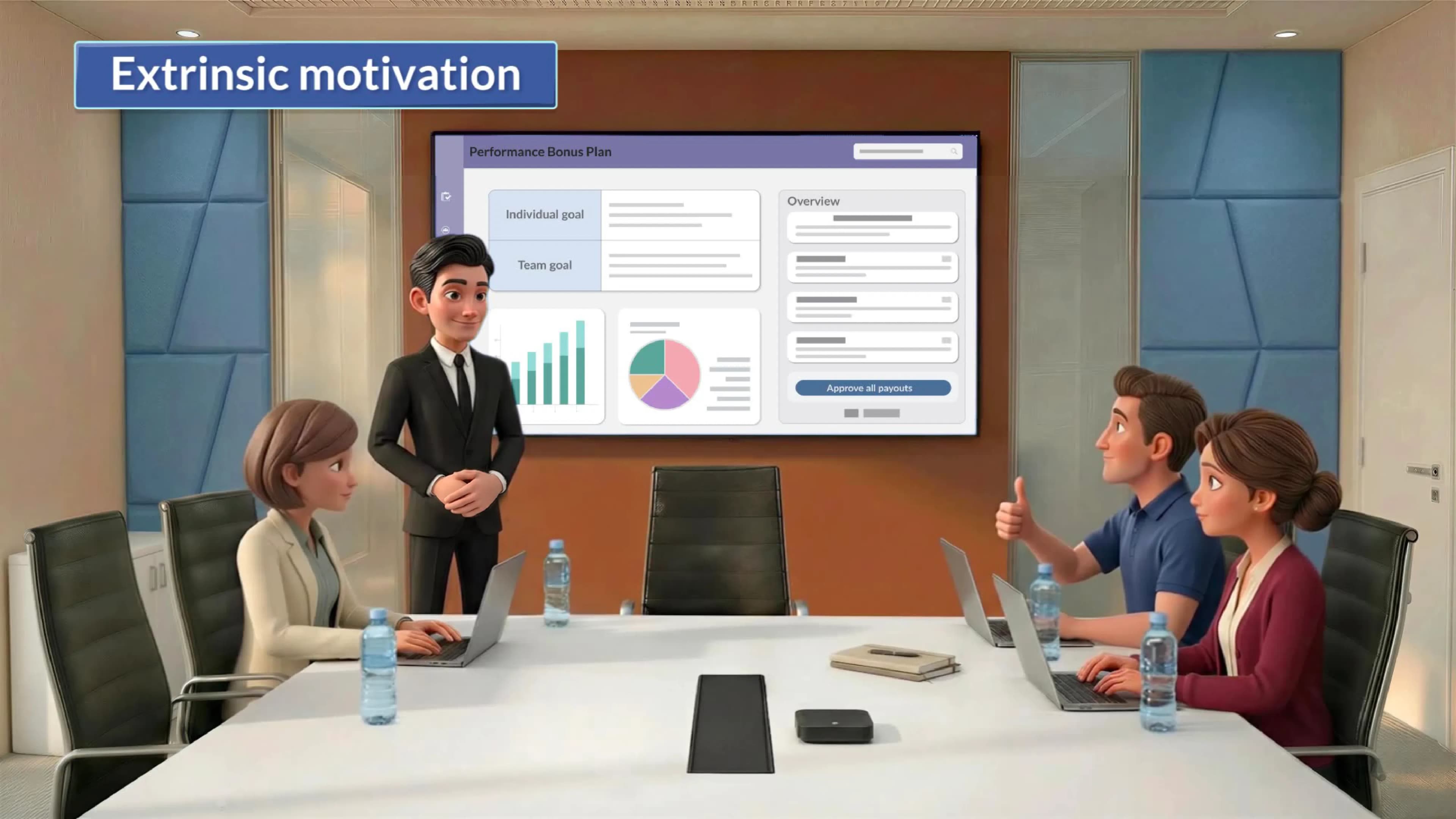
1. Understanding Team Motivation Drivers Effective managers distinguish between extrinsic motivators (bonuses, recognition, targets) that drive short-term effort and intrinsic motivators (growth, ownership, meaningful work) that sustain long-term engagement. This distinction matters because teams need both immediate incentives to meet quarterly targets and deeper purpose to maintain performance across multiple projects. A department head managing a sales team, for example, might use monthly performance bonuses to drive quarterly results while simultaneously involving team members in territory planning to build ownership and sustained commitment to annual goals.
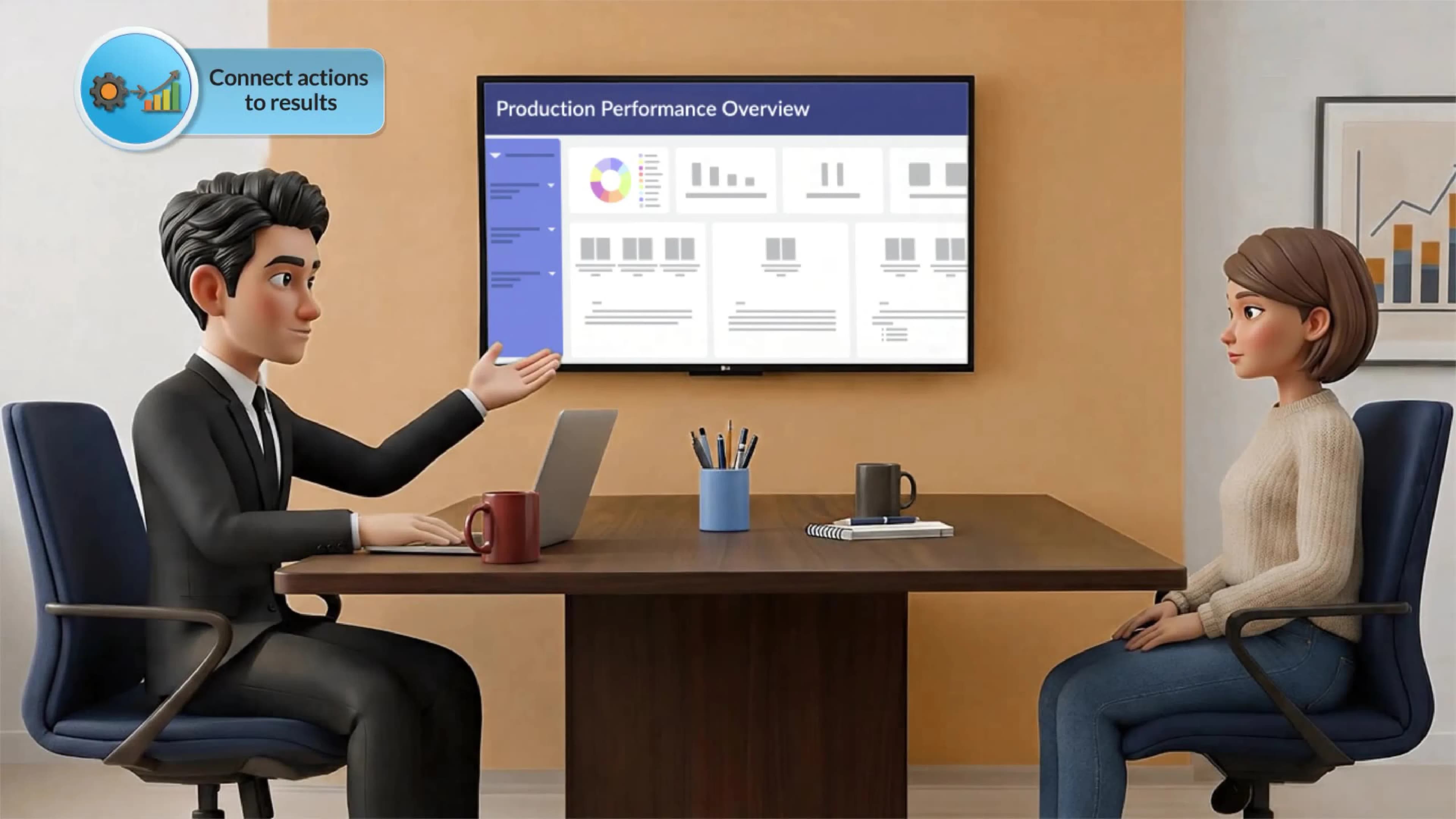
2. Recognition and Appreciation Systems Strategic recognition involves promptly acknowledging contributions, connecting individual actions to team results, and making appreciation visible to others. This approach reinforces desired behaviors and maintains morale over time. The key is specificity-rather than generic praise, effective managers explain exactly how an employee's actions contributed to outcomes. When a project coordinator stays late to resolve a client issue, a skilled manager will acknowledge the extra effort, explain how it prevented project delays, and share this example during team meetings to reinforce the value of proactive problem-solving.
3. Maintaining Morale During Challenges High-pressure periods test team resilience, requiring managers to combine transparency, prioritization, and support. Successful managers openly acknowledge workload pressures, set clear priorities to prevent overwhelm, and actively remove obstacles that compound stress. During a product launch with overlapping deadlines, an effective team lead will explain the specific challenges the team faces, identify which deliverables are critical versus flexible, and regularly check for workload imbalances. This approach helps teams stay focused and prevents the frustration that comes from unclear expectations during demanding periods.
4. Burnout Prevention Through Work Design The SMART work design model addresses burnout by making work Stimulating, Mastery-oriented, Autonomous, Relational, and Tolerable. This framework helps managers redesign roles and responsibilities to reduce stress while maintaining performance standards. A manufacturing supervisor facing overtime requirements might rotate responsibilities to keep work stimulating, provide brief skill-building sessions to support mastery, give teams greater control over task execution for autonomy, foster collaboration to strengthen relationships, and schedule recovery periods to keep demands tolerable. This proactive approach prevents burnout rather than simply responding to its symptoms.
5. Performance-Driving Team Rituals Team rituals are intentional, recurring practices that build connection and maintain engagement consistency. Unlike one-off team-building activities, rituals create predictable touchpoints that strengthen shared identity and keep teams aligned. A marketing manager might implement weekly priority-sharing sessions, monthly celebration and challenge-solving meetings, and quarterly forward-looking reviews. These rituals help teams maintain focus, celebrate progress, and address obstacles collaboratively, creating a steady rhythm that supports sustained high performance across different projects and business cycles.
6. Continuous Learning Culture Development Building learning-oriented teams requires transforming routine work into improvement opportunities using Build-Measure-Learn cycles. This approach helps teams move beyond familiar methods and develop capability over time. When a customer service team experiences recurring handoff delays, a learning-focused manager will guide them to build a new process (standardized documentation), measure its effectiveness (compare delay metrics), and learn from results (refine the approach). This methodology creates teams that proactively solve problems and improve performance rather than simply executing established procedures.
7. Sustaining Motivation After Success Post-achievement energy drops are common, requiring managers to treat wins as benchmarks rather than endpoints. The key is connecting past success behaviors to current work while setting new challenges that maintain engagement. After a successful product launch, an effective manager will identify the specific behaviors that drove results (disciplined execution, collaboration, proactive problem-solving), recognize team members who demonstrate these behaviors in current projects, and offer development opportunities that keep the team progressing. This approach prevents the motivation decline that often follows major accomplishments.
8. Non-Monetary Reward Strategies While financial incentives provide short-term motivation, sustained engagement requires rewards that address growth, recognition, and ownership needs. Effective non-monetary rewards include specific public recognition, opportunities to lead initiatives, and access to skill development or cross-functional projects. A retail manager might publicly acknowledge a team member's customer service innovation during staff meetings, invite them to train new hires, and provide opportunities to participate in store improvement projects. These rewards create lasting engagement because they address intrinsic motivators while building capability and career progression.