Loading subject page…
- New Manager Essentials
- Setting Clear Goals and Expectations
- Balancing Short- and Long-Term Objectives
Micro-course: Setting Clear Goals and Expectations
2,611 views
Learn key concepts and earn your certificate.

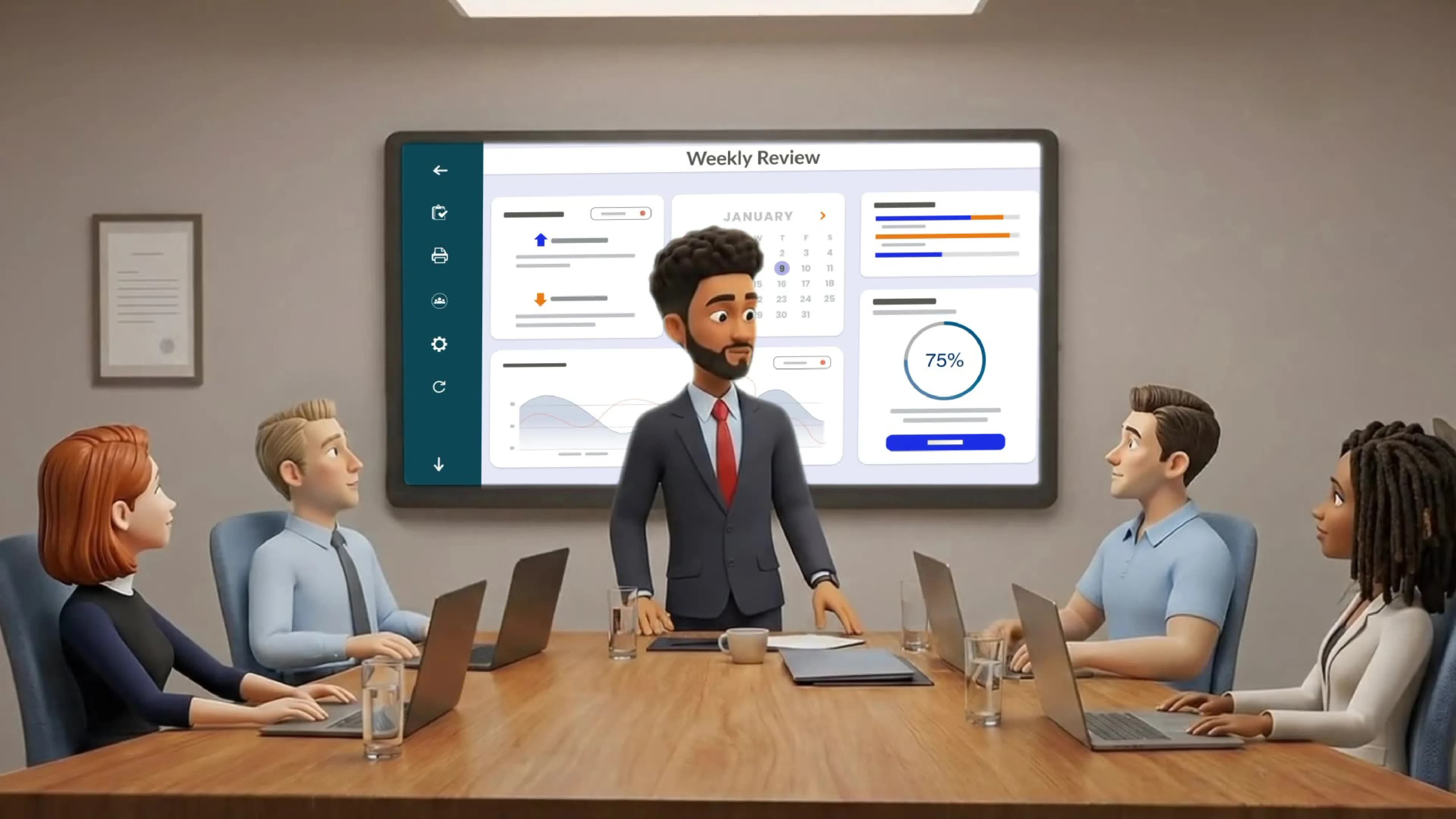


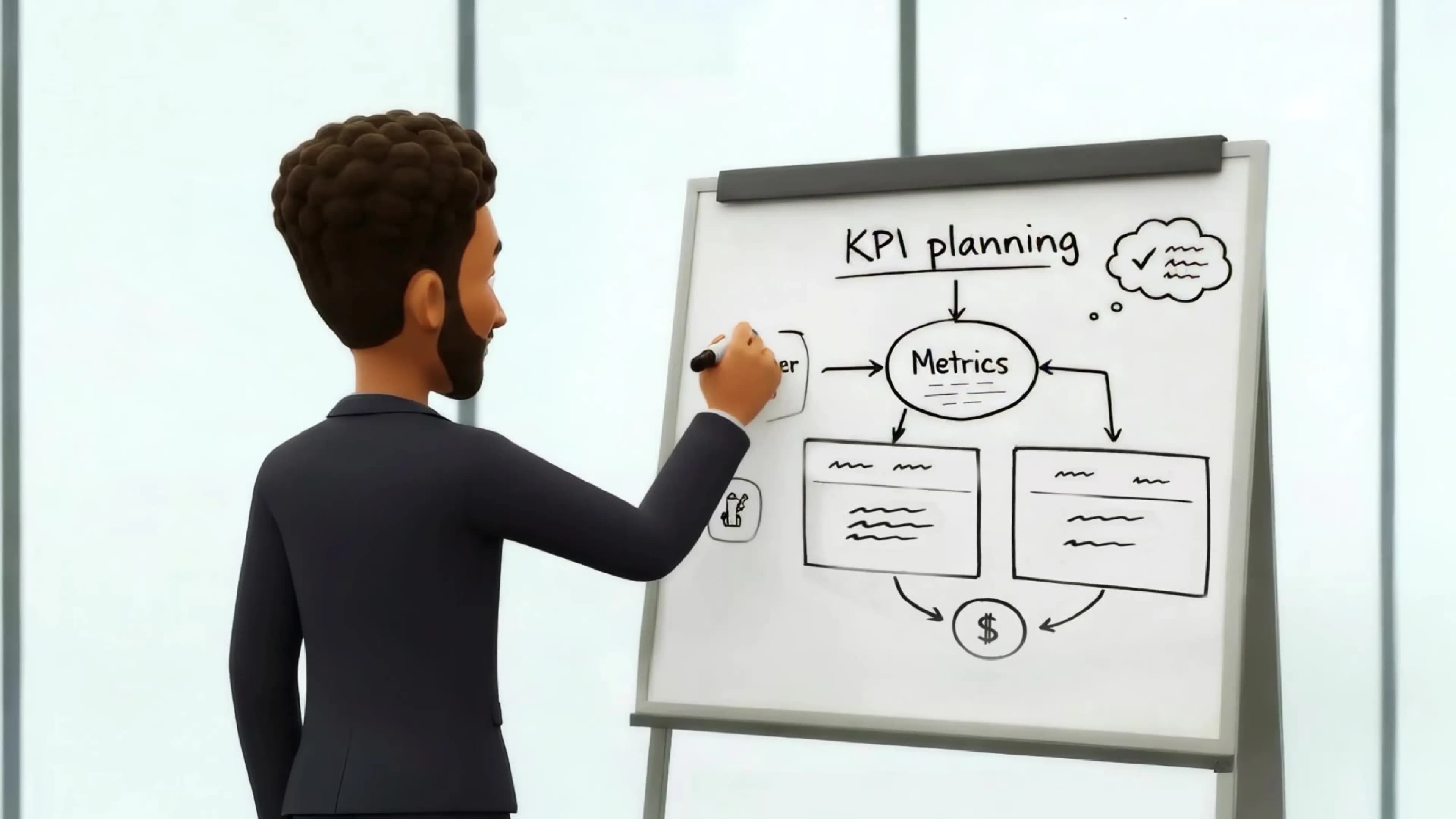


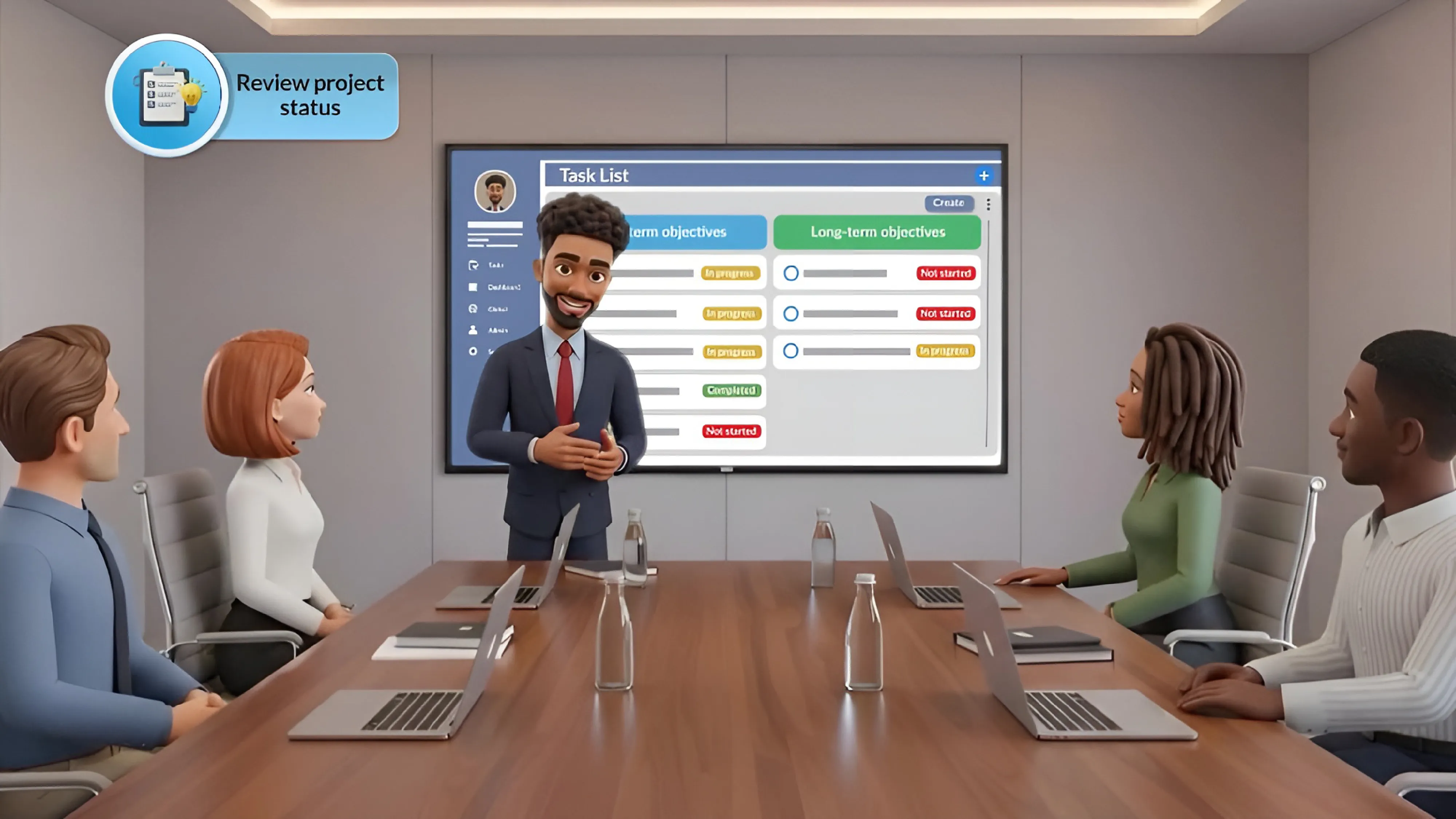
Balancing Short- and Long-Term Objectives

00:00
01:19
Video Summary: Balancing Short and Long Term Objectives
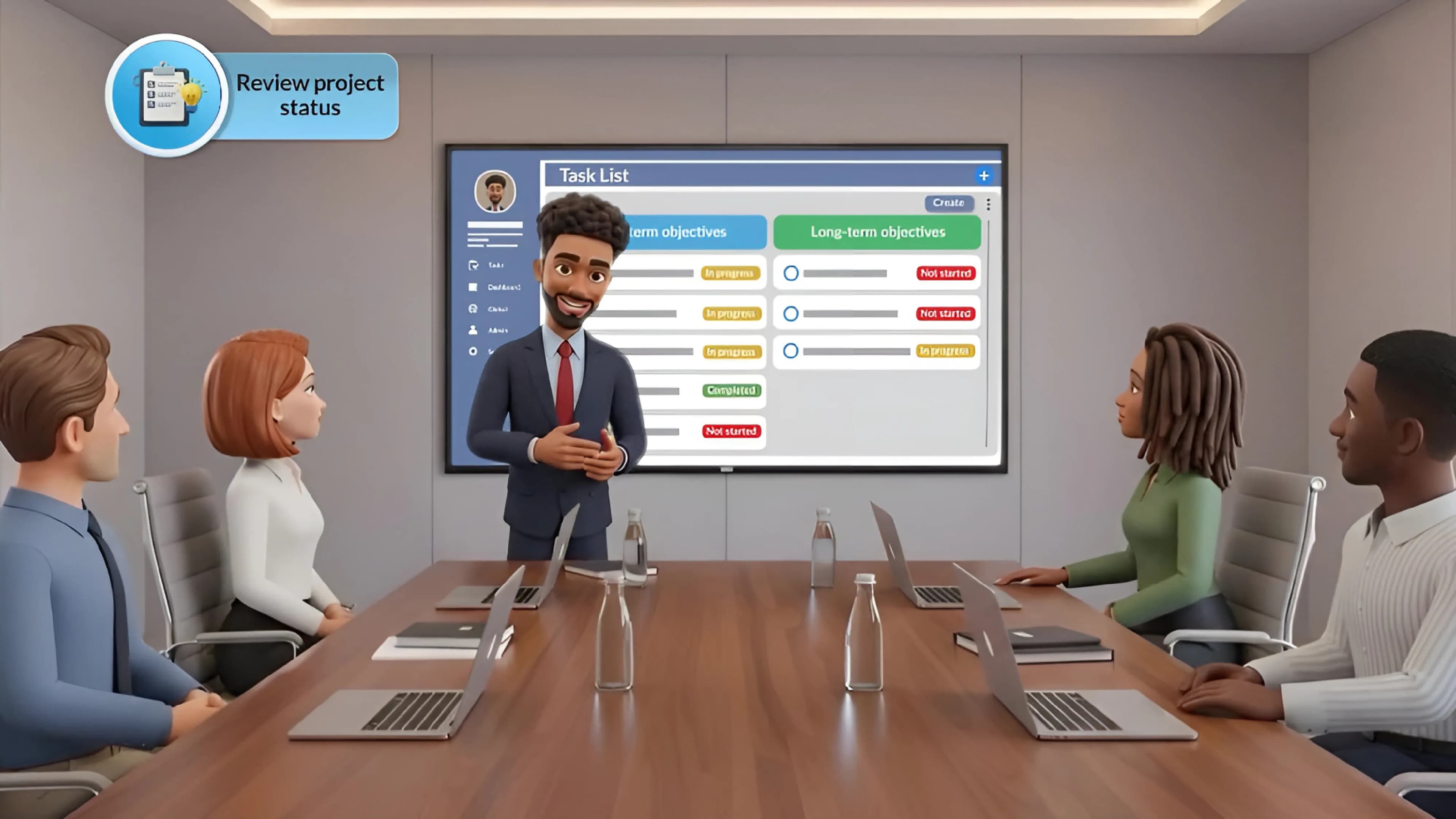
Many managers struggle when balancing short and long-term objectives, often sacrificing strategic initiatives for urgent daily tasks. This creates a cycle where immediate pressures consume all available time, leaving long-term goals perpetually stalled. Effective manager priority balance requires systematic workload prioritization that protects both urgent deliverables and strategic progress. The approach involves clear task categorization, dedicated time allocation for strategic work, and regular progress reviews that track both immediate results and long-term advancement. Watch the full video on JoVE Coach to master this concept with expert-led visuals and step-by-step explanations.
- Conduct comprehensive work audits to categorize tasks by urgency and strategic importance using proven prioritization frameworks
- Align team understanding by clearly communicating how daily tasks connect to broader strategic objectives
- Set protective boundaries around unexpected urgent requests through structured escalation protocols
- Schedule dedicated time blocks for strategic work to ensure consistent progress on long-term initiatives
- Structure regular progress reviews that evaluate both immediate deliverables and strategic milestone advancement
- Navigate competing priorities by establishing clear criteria for when to adjust focus without disrupting ongoing work
- Build team capability in day-to-day prioritization decisions through transparent objective mapping
- Manage workload distribution to prevent short-term pressures from derailing long-term strategic momentum
How Managers Balance Short-Term and Long-Term Team Objectives
Picture this: Your team consistently hits weekly targets but strategic projects remain perpetually "in progress." Sound familiar? Most managers face this exact challenge-urgent tasks consume bandwidth while important long-term initiatives stagnate. This pattern creates organizational drift where teams excel at firefighting but struggle to achieve meaningful strategic progress.
Why Most Managers Struggle With Priority Balance
The fundamental issue lies in how we perceive urgency versus importance. The Eisenhower Matrix provides clarity here: urgent tasks demand immediate attention, while important tasks drive long-term success. However, in practice, urgent work creates psychological pressure that important work cannot match. Team members naturally gravitate toward tasks with immediate consequences, leaving strategic initiatives vulnerable to constant deferral.
Compounding this challenge, most managers lack systematic approaches for workload prioritization. Without clear frameworks, teams default to reactive prioritization-responding to whoever speaks loudest or whatever deadline looms nearest. This reactive stance undermines both short-term efficiency and long-term strategic execution.
A Framework for Effective Goal Balance
Successful manager priority balance requires structured approaches that protect both timeframes. Start with the Time Blocking methodology: allocate specific calendar time for strategic work, treating these blocks as non-negotiable meetings. Research from productivity experts shows that protecting 20-25% of team capacity for long-term initiatives maintains strategic momentum without compromising urgent deliverables.
Implement the RICE prioritization framework (Reach, Impact, Confidence, Effort) for objective evaluation. This quantitative approach removes emotion from priority decisions, enabling data-driven choices about resource allocation. Teams can score both short-term tasks and long-term initiatives using consistent criteria, creating transparent prioritization that everyone understands.
Strategic Planning That Actually Works
Deploy the OKR (Objectives and Key Results) methodology to connect daily activities with quarterly outcomes. When team members understand how their immediate tasks contribute to strategic objectives, they make better autonomous prioritization decisions. This connection transforms short-term work from isolated tasks into strategic building blocks.
Create what management consultants call "strategic time debt"-deliberately scheduling less than 100% capacity to accommodate unexpected urgent requests. Most teams operate at 100% planned capacity, leaving no buffer for inevitable urgent work. Smart managers plan for 80-85% capacity utilization, preserving bandwidth for both strategic work and urgent requests without creating chronic overload.
Frequently Asked Questions
It means systematically allocating team time and energy across immediate deliverables and strategic initiatives without letting one consume the other. You're creating sustainable workflows where urgent tasks get handled efficiently while strategic projects maintain consistent progress. This requires deliberate planning, not just good intentions.
Establish an "urgent request protocol" that requires justification and impact assessment before disrupting planned work. Create a shared understanding of what constitutes truly urgent versus simply preferred. Most importantly, schedule strategic work during your team's peak performance hours, not as leftover time after urgent tasks.
Start each team meeting by briefly connecting current work to quarterly objectives. Use visual tools like project roadmaps that show how immediate deliverables build toward strategic outcomes. When assigning tasks, explain the "why" behind the work-how this specific task advances broader team goals.
Document the impact of constant priority shifts on strategic progress and present data-driven discussions about trade-offs. Propose alternative approaches like dedicated "strategic sprint" periods or suggest redistributing urgent work across the broader team. Frame conversations around achieving both urgent and strategic success, not choosing between them.
Have a direct conversation about work prioritization and provide specific examples of the pattern you've observed. Collaborate on creating a personal prioritization framework they can use daily. Consider whether they lack skills for strategic work or simply find urgent tasks more rewarding due to immediate feedback loops.
Not at all-these frameworks work for first-time managers and experienced leaders alike. The key is starting with simple systems like time blocking and gradually building more sophisticated approaches as your comfort grows. Many successful managers learn priority balancing through deliberate practice rather than formal training.
Teams that achieve both short-term success and long-term progress build momentum and engagement that reactive teams cannot match. You'll develop reputation as a manager who delivers results while building sustainable capability. This combination of tactical execution and strategic thinking accelerates career advancement.
Focus on delegation and empowerment-teaching team members to make effective prioritization decisions independently. Once you've established effective priority frameworks, the next level involves building team capability to navigate competing demands without constant managerial guidance.
Related Micro-courses

5 Concepts


7 Concepts