Loading subject page…

- New Manager Essentials
- Setting Clear Goals and Expectations
- Communicating Expectations with Clarity
Micro-course: Setting Clear Goals and Expectations
2,611 views
Learn key concepts and earn your certificate.




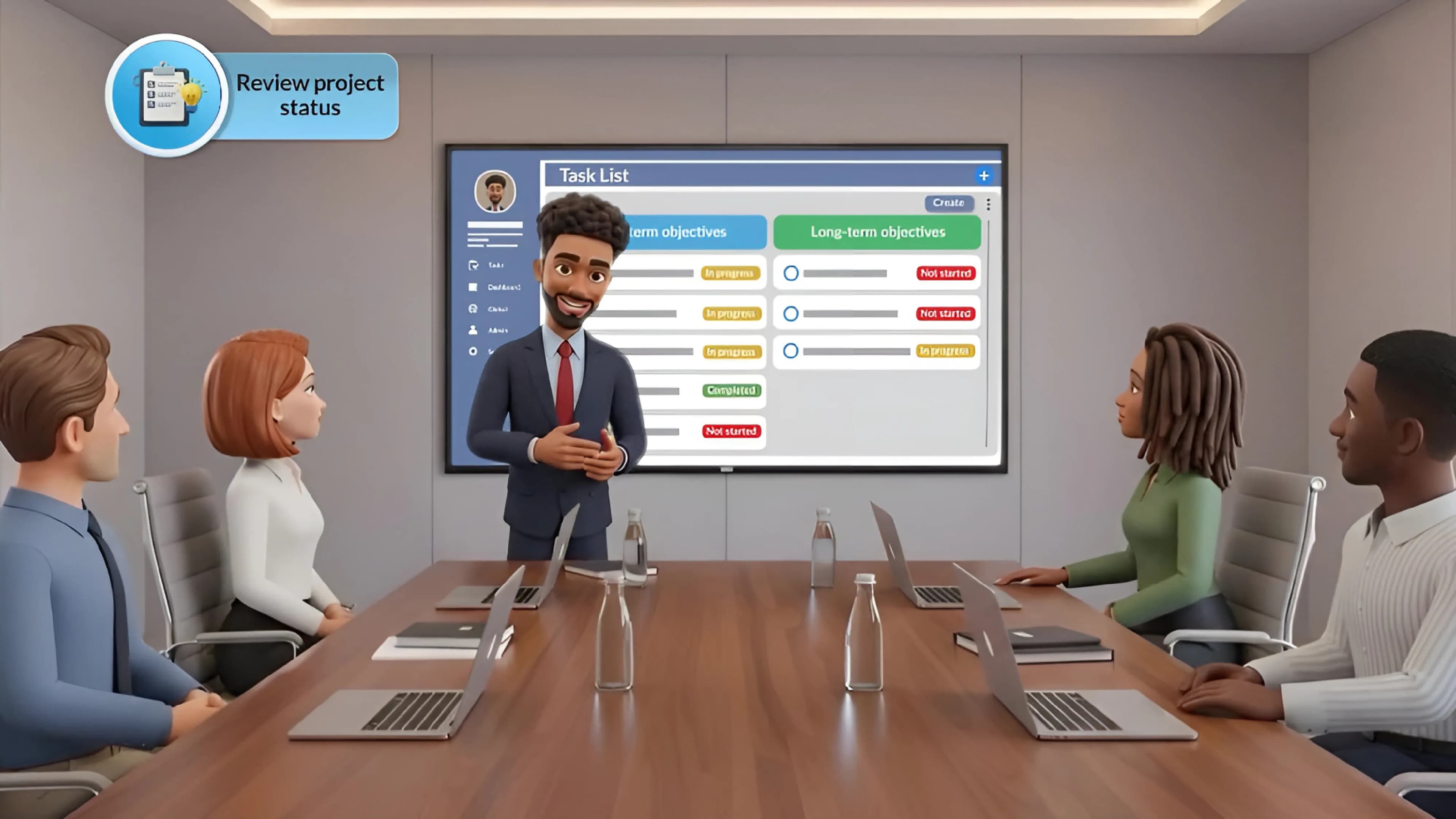




Communicating Expectations with Clarity


00:00
01:28
Video Summary: Communicating Expectations with Clarity
Many managers struggle with communicating expectations as manager effectively, leading to missed deadlines, inconsistent performance, and team confusion. When team members don't understand what's expected or why it matters, productivity suffers and accountability breaks down. This framework shows how setting clear expectations at work requires more than just stating requirements-it demands explaining the reasoning and providing concrete implementation steps. Watch the full video on JoVE Coach to master this concept with expert-led visuals and step-by-step explanations.
- Set performance standards using the What-Why-How framework to eliminate ambiguity and drive consistent results
- Build accountability culture by connecting individual expectations to broader business impact and team success
- Structure expectation-setting conversations that address specific outcomes, underlying rationale, and practical implementation steps
- Conduct regular check-ins to monitor progress against established standards and provide timely course corrections
- Handle performance gaps by revisiting unclear expectations before addressing individual accountability issues
- Facilitate team understanding through documented processes, templates, and standard operating procedures
- Manage expectation clarity across different communication styles and experience levels within your team
- Align daily work activities with performance metrics to create visible connections between expectations and outcomes
How Managers Communicate Expectations Clearly and Effectively
You've seen it countless times: a team member misses a deadline, delivers subpar work, or simply doesn't follow established processes. Before jumping to performance management discussions, experienced managers know to examine whether expectations were communicated clearly in the first place. The gap between what managers think they've communicated and what team members actually understand represents one of the most common leadership blind spots.
Why Most Managers Struggle With Expectation Setting
Traditional expectation-setting often fails because managers focus solely on the "what" without addressing the "why" and "how." Telling someone to "respond to emails promptly" or "maintain quality standards" leaves too much room for interpretation. Different team members bring varying experience levels, cultural contexts, and work styles to these directives. What seems obvious to a seasoned manager may be completely unclear to someone new to the role or organization.
The What-Why-How Framework for Manager Communication Skills
This three-part structure transforms vague directives into actionable guidance. The "What" defines specific, measurable outcomes-not just "good customer service" but "all customer inquiries receive initial response within 24 hours with ticket status updated immediately." The "Why" connects individual tasks to broader team goals and business impact, helping team members understand priority levels and decision-making criteria. The "How" provides concrete steps, tools, and resources needed to meet the expectation successfully.
This approach works because it addresses different learning and motivation styles within your team. Some people need clear metrics to feel confident in their performance. Others require understanding of purpose to stay engaged. Still others need detailed processes to execute effectively.
Implementing Clear Expectations in Your Management Practice
Start your next team meeting by auditing existing expectations using this framework. For each key responsibility or process, ask yourself: Have I clearly defined what success looks like? Do team members understand why this matters to our department's goals? Have I provided specific steps and resources for achievement?
Document these expectations in accessible formats-team dashboards, shared folders, or regular meeting agendas. The most effective managers integrate expectation reviews into their regular one-on-one conversations, treating clarity as an ongoing management responsibility rather than a one-time communication event.
Common Mistakes That Undermine Expectation Setting
Avoid the assumption that busy team members will ask for clarification when confused. Instead, proactively check for understanding by asking team members to summarize expectations in their own words. Also resist the temptation to set expectations once and consider them permanent. As projects evolve, team composition changes, and business priorities shift, your expectations need regular updates and reinforcement.
Frequently Asked Questions
It means providing team members with specific, measurable outcomes they need to achieve, explaining why these outcomes matter to team success, and giving them clear steps to get there. This goes beyond simple task assignment to include context, reasoning, and implementation guidance that prevents confusion and missed targets.
Focus on outcomes rather than processes. Define what success looks like and when it's needed, explain the business impact, then ask team members how they plan to achieve it. This approach gives them ownership over their methods while ensuring clarity on deliverables and timelines.
Before addressing performance issues, revisit your communication using the What-Why-How framework. Schedule a one-on-one to understand their interpretation of the expectation, identify gaps in your original communication, and collaboratively establish clearer guidelines moving forward.
Break down each expectation into smaller components and provide industry context they're missing. Use the "Why" portion to explain not just your team's standards but how they connect to broader industry practices. Pair them with experienced team members who can model the expected behaviors.
No, but you do need to understand your own work well enough to break it down for others. New managers often excel at expectation setting because they remember what it felt like to need clear guidance. Focus on being specific about outcomes and generous with context about why things matter.
Clear expectations reduce the time you spend on rework, missed deadlines, and performance conversations. Your team becomes more autonomous because they understand what success looks like, leading to higher engagement and better results with less hands-on management from you.
Focus on developing your feedback skills, particularly how to give specific, actionable feedback when expectations aren't being met. The SBI (Situation-Behavior-Impact) model pairs well with the What-Why-How framework for comprehensive team communication.
Document expectations clearly in shared systems and follow up with individual conversations to ensure understanding. Use asynchronous communication tools to provide the "Why" and "How" context, and schedule regular check-ins to address questions and provide clarification as needed.
Related Micro-courses

5 Concepts


7 Concepts